The Importance of Communication in Team-Based Leagues
20 May 2026
Ah, communication — the magical glue that keeps teams from falling apart like that one cheap IKEA chair you swore you put together right.
In the world of team-based leagues — whether it's esports arenas, local rec basketball, or Friday-night Overwatch with the squad — communication is everything. It's the difference between absolute chaos and beautiful, coordinated chaos (the good kind).
Let’s be honest. No one likes being the lone wolf shouting into the void, especially when the clock is ticking, and your teammates are oblivious to your desperate cries for backup. Ever tried to clutch a 1v5 because “Nobody told me they pushed mid”? Yeah. Not fun.
So, grab your headset, warm up those vocal cords (maybe even your fingers if you’re a keyboard warrior using pings), and let’s talk about why communication is the MVP of any team-based league.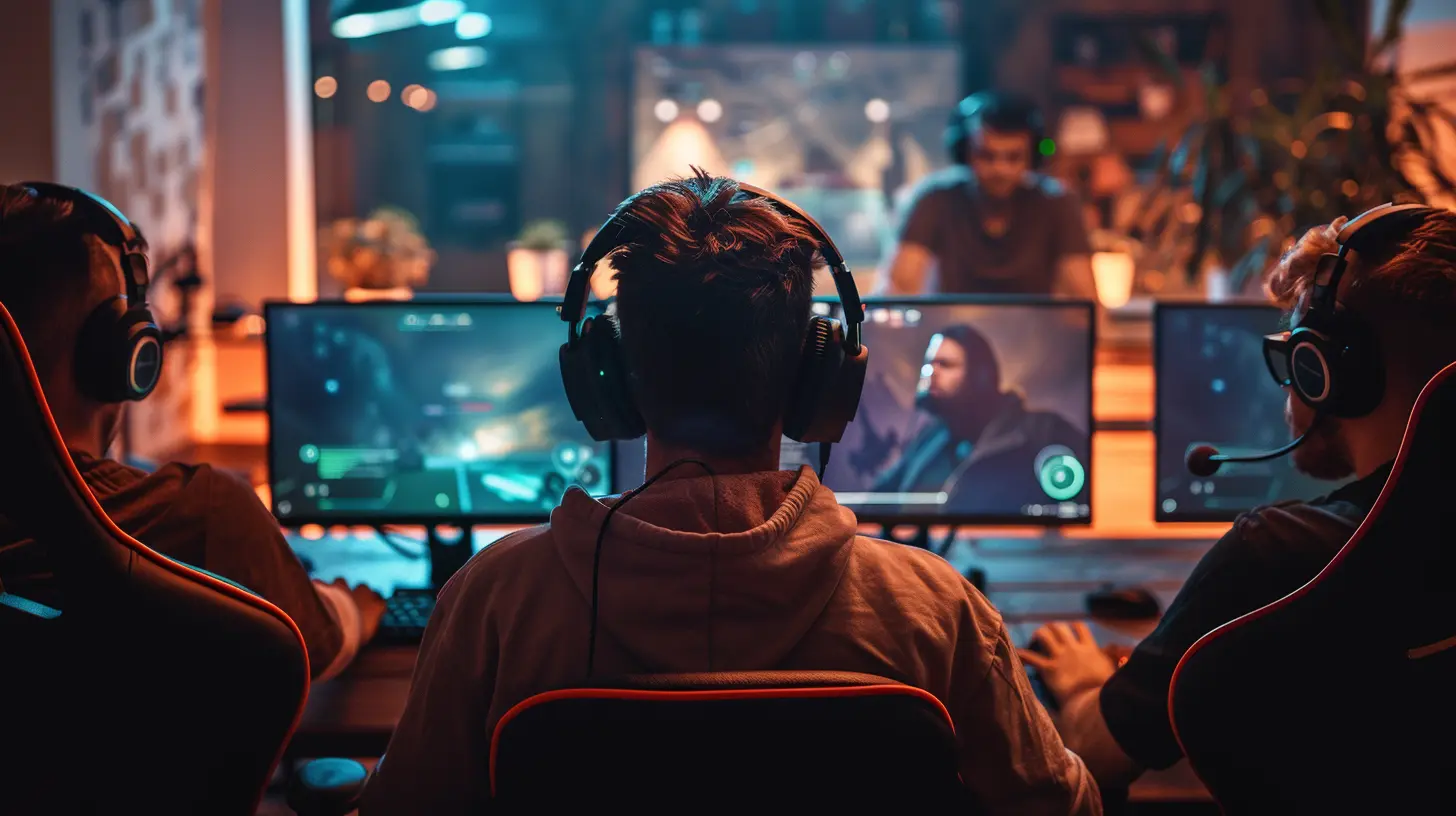
? What Is Communication in Team-Based Play?
Let’s keep it real simple — communication in gaming is the exchange of information between teammates so that everyone is on the same page. Or at least reading from the same book.We’re talking in-game voice chats, quick pings, text messages, pre-set callouts, and, for some reason, random yelling (we’ve all been there). It’s not just about talking — it’s about sharing useful info at the right time, in the right way.
Imagine trying to win a 5v5 match without actually talking to your team. That’s like trying to build IKEA furniture without the manual. Possible? Maybe. Efficient? Absolutely not.
? Why Does Communication Matter So Much?
1. Team Coordination: Duh!
Without good comms, everyone’s just running around like headless chickens. When you’ve got five people doing their own thing, it's not a team — it's a circus.Need a heal? Tell your support. Planning a flank? Let your teammates know so they can distract. Got the bomb in CSGO? You better be announcing that like your life depends on it — because in the game, it basically does.
If everyone knows the plan and is keeping tabs on the map updates, rotations, and enemy positions, the team turns into a well-oiled machine. Smooth moves, clean plays — chef’s kiss!
2. Strategy Execution: Like a Tactical Puzzle
Think of your game plan like a puzzle. Each player is a piece, and communication is what helps you fit them together.That strategic split-push in League of Legends? Absolute garbage if your top laner didn’t catch the memo. Or worse — walked into a 1v3 while everyone else was chilling in jungle.
Comms help you execute strategies like ninjas in the night — silent but deadly. Okay, maybe not totally silent, but you get the idea.
3. Morale Boosting: The Power of Positive Vibes
Let’s not underestimate the power of a good ol’ “Nice shot!” or a classic “GG, we got this.”Positive reinforcement keeps the team spirit high. Especially in long tournaments or ranked marathons, communication isn’t just tactical — it’s emotional support. Like a group therapy session… but with explosions.
And hey, even a simple “Hey, shake it off!” after a failed push can stop a tilt train in its tracks.
? What Happens When Communication Fails?
Ever been in a game where nobody talks, nobody pings, and everyone just blames everyone else? That, my friend, is a recipe for disaster burritos.? Common Side Effects of Poor Communication:
- Double-peeking an angle and dying together like Romeo and Juliet- Stacking five people on one objective while the enemy takes another
- Supports not knowing who to keep alive because no one's calling for heals
- Entirely avoidable losses. You know, the “We had that!” kind
It's not just frustrating — it's disheartening. It makes you question your life choices… or at least your decision to solo queue tonight.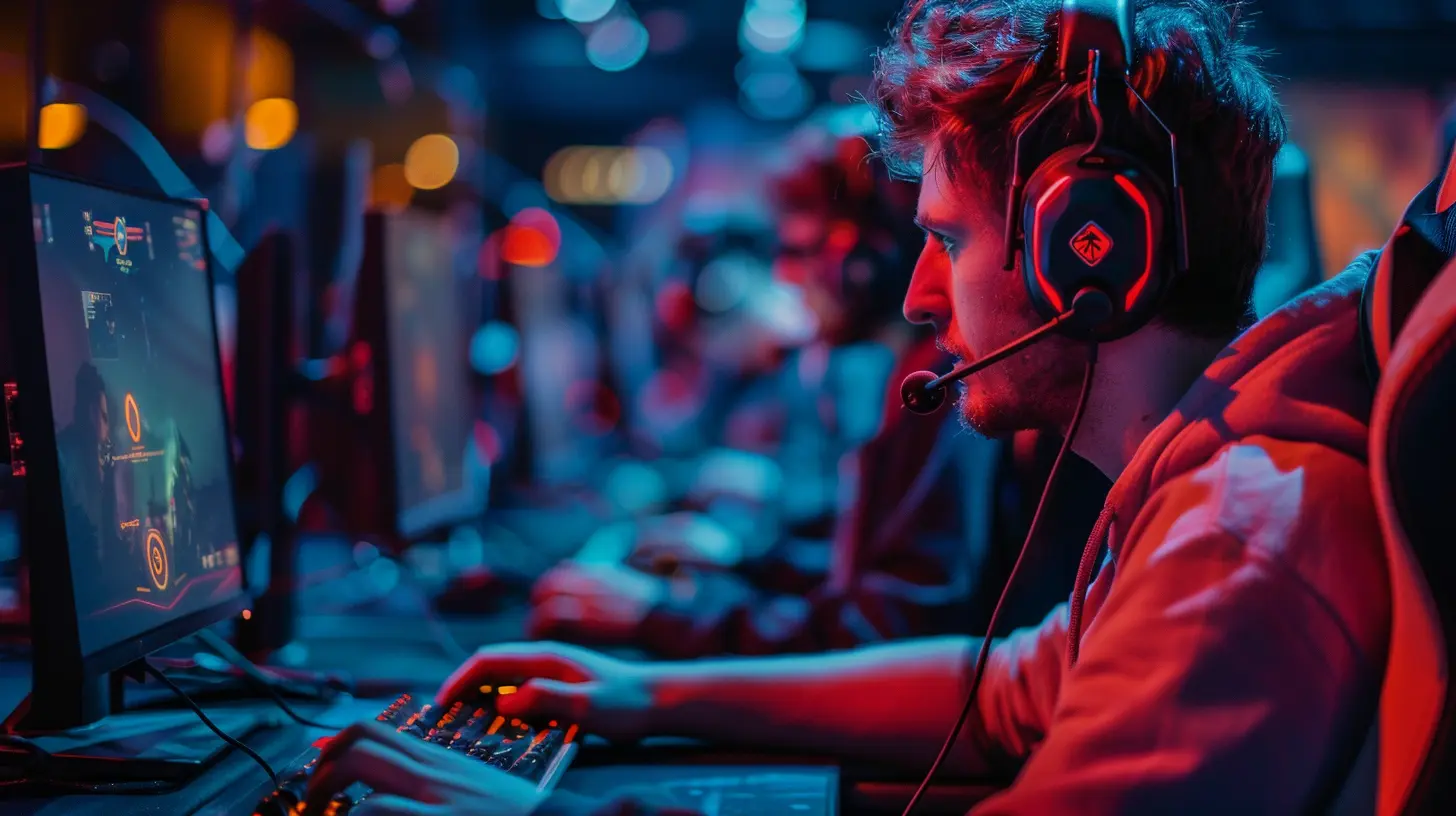
?️ Easy Ways to Improve Team Communication
Good news: You don’t need to be the next Shakespeare of Shotcalling. Even small improvements in communication can turn a losing streak into a highlight reel.1. Keep It Clear and Concise
Long-winded explanations? Save that for your post-match podcast. In-game, you want quick and simple callouts.Instead of:
“Hey guys, I think someone might be flanking our left side in about ten seconds based on my hunch.”
Try:
“Flank left. Watch it.”
Clear. Fast. Effective.
2. Use In-Game Tools
Not everyone loves voice chat — and that’s okay! Take advantage of pings, quick messages, and command wheels. Most modern games have systems built to help even the shyest players communicate.A well-placed ping can say, “Enemy here,” “Group here,” or even “Let’s freaking GO,” all without uttering a single word.
3. Assign Roles and Responsibilities
If your team is pre-made or playing competitively, take a second before the match starts to assign basic roles.“John, do the flanking. Lisa, watch mid. I’ll anchor defense.”
Boom — now we’re cooking with coordination.
This prevents overlap, confusion, and that awkward moment where two people try to defuse the bomb at once.
4. Learn Standard Callouts
Every map has its own lingo. Short A. Long B. Heaven. Banana (yes, really).Knowing and using these standard callouts saves time and makes you sound 10x smarter. Plus, your team won’t have to guess where “over by that weird-looking crate” is.
5. Stay Positive, Even When It's Ugly
Sometimes, games go south faster than your K/D after a vacation. But staying positive helps more than yelling. Trust me — tilting helps no one, and salt is best left in your actual food.Instead of, “What are you DOING!?” try, “Let’s regroup and try another approach.” It’s not just nicer — it’s smarter play.
? Communication Styles That Actually Work
Different situations call for different tones. Think of communication like a toolkit. Sometimes you need a megaphone, sometimes just a whisper. Here's how to find your voice (literally):? The Shotcaller
This is your team leader. They see the whole picture and make the calls.If that’s you — speak with confidence and clarity. Don’t over-talk, and make sure others have space to chime in.
? The Supportive Teammate
You probably throw out more “nice shots” than actual shots. And that’s okay! Encouragement is powerful, especially in close matches. Be the hype person your team didn’t know they needed.? The Quiet Strategist
You think before you speak. You don’t spam, but your comms are golden nuggets of wisdom. Efficient and effective.Just remember: silence at the wrong time is the enemy of teamwork, so don’t stay quiet too long.
? Communication in Different Types of Games
Not all team-based games are created equal. The way you talk in each one should adapt to the style of play.? MOBAs (e.g., League of Legends, Dota 2)
Here, communication is all about map control, objective timing, and teamfight coordination. Fast callouts like “Drake 30,” “Mid missing,” or “TP top!” make all the difference.? FPS Games (e.g., Valorant, Counter-Strike)
Split-second decisions rule the day. Ping enemy locations, call out utilities used, and keep those comms flowing during rounds.⚽ Sports Sims (e.g., FIFA Clubs, NBA 2K Pro-Am)
Off-ball communication is key. Let teammates know when you're open, calling for passes or switches. It’s like real sports — just with digital bodies.?️ MMOs / Raids
Okay, if you're raiding in an MMO and not communicating, you better be ready to wipe… a lot. These are coordination-heavy, so having a designated leader and back-and-forth dialogue is essential.? Psychology Hack: Communication Builds Trust
Here’s an underrated nugget — consistent communication builds trust. When your teammates hear you consistently calling out plays, tracking cooldowns, or updating positions, they begin to trust your judgment. That trust leads to better teamwork.And once that trust circle is formed? You’re not just playing — you're connected. That’s next-level gameplay, right there.
? Pro Tips for Better Communication
- Use Headphones — No one wants to hear your dog barking mid-team fight.- Mute When Needed — Toxic teammate? Mute them. Don’t let one bad apple ruin the comms.
- Take Breaks — Fatigue kills communication. Don’t power through a tilt session; it ain’t worth it.
? Final Thoughts: Communicate Like a Champ
If you’ve made it this far, congrats — you now know that communication isn’t just helpful in team-based leagues. It’s essential. It’s your secret weapon. Like peanut butter and jelly, good teams and good communication just belong together.Remember, you don’t need to talk 24/7 or micromanage everything. But clear, timely, and positive communication turns a group of gamers into a genuine team. And when that happens? Magic.
So next time you squad up, don’t just ask "What’s our comp?" — ask "How are we gonna communicate?" That alone might be your ticket to victory.
Now go out there, grab that headset, and don’t just play — talk your way to triumph.
all images in this post were generated using AI tools
Category:
Gaming LeaguesAuthor:

Pascal Jennings
Discussion
rate this article
2 comments
Mercy Cole
Communication in team leagues is key... unless you enjoy losing while your teammates shout about pizza toppings instead.
June 21, 2026 at 3:28 PM
Pascal Jennings
Absolutely! Focused communication is crucial to success. Pizza toppings can wait until after the game.
Pandora McGonagle
This article highlights a crucial aspect of team dynamics. Effective communication can transform a team's performance and build stronger connections. It's inspiring to see more focus on this vital skill in competitive gaming.
May 21, 2026 at 3:51 AM
Pascal Jennings
Thanks for your insights! I completely agree that communication is key to enhancing teamwork and overall performance in gaming. It's exciting to see this topic gaining traction.