The Impact of Ray Tracing on Game Visuals
31 May 2026
If you've played a cutting-edge game recently, you’ve probably heard the buzz around “ray tracing.” Maybe you’ve even toggled the setting in your graphics options and noticed shinier puddles or more dynamic shadows. So what’s the big deal? Is ray tracing just another flashy feature or has it truly revolutionized how we experience games? Let’s break down how ray tracing is changing the way games look, feel, and even perform.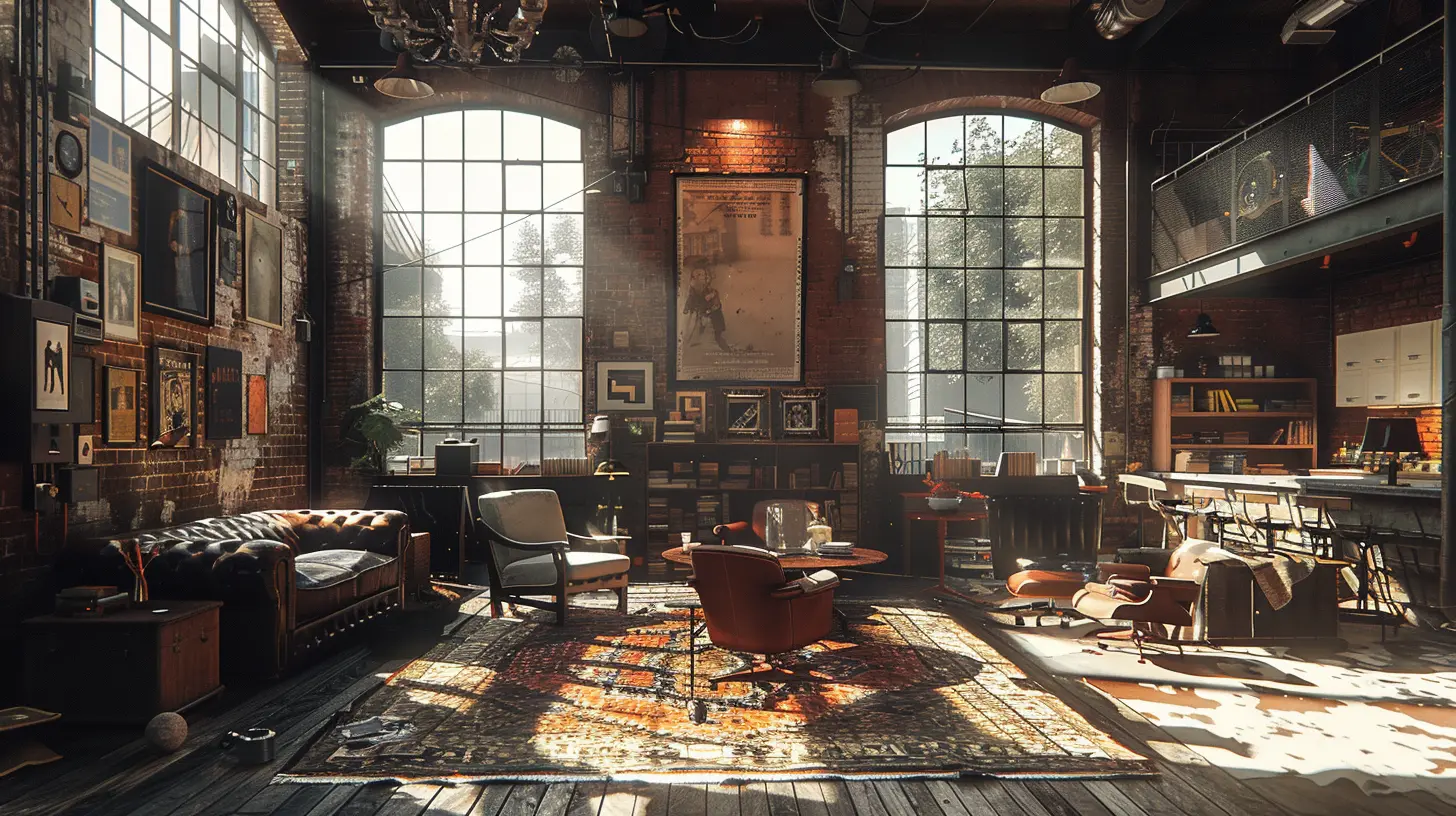
What Exactly Is Ray Tracing?
Let’s not get too technical here. At its core, ray tracing is a rendering technique that mimics the way light behaves in the real world. Imagine a beam of light traveling from a source, bouncing off surfaces, scattering, or getting blocked. Ray tracing attempts to calculate all those interactions in real-time, creating hyper-realistic lighting, shadows, and reflections in digital environments.Instead of "faking" light behavior (like older rasterization techniques), ray tracing simulates it. That’s why reflections look real, shadows are sharp and dynamic, and light flows naturally through transparent surfaces.
Think of It Like This:
If traditional game graphics are like painting a picture with clever brushwork to fake depth and lighting, ray tracing is sculpting reality with real light. It’s a whole new level of immersion.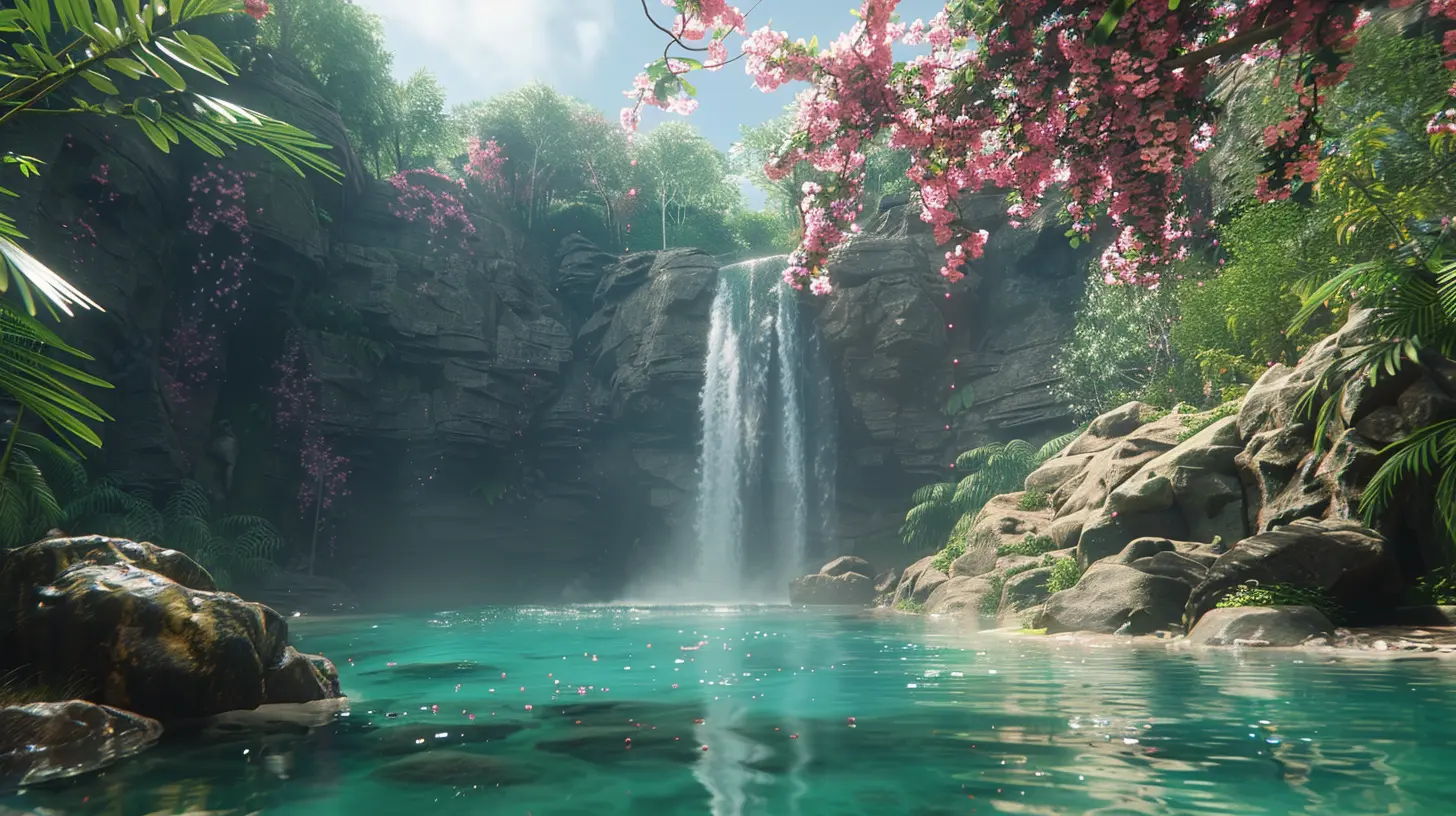
The Evolution of Game Graphics: A Quick Recap
Before diving deeper, it’s good to understand where we came from. For decades, game developers have relied on rasterization — a technique that draws 2D images based on 3D models. It's fast and efficient but comes with limitations.Developers had to create tricks for lighting effects like shadow mapping, screen space reflections, or ambient occlusion. These tricks looked good, but they weren’t always convincing. That’s where ray tracing enters the chat.
When NVIDIA dropped their RTX graphics cards back in 2018, it marked a massive leap. Suddenly, developers had access to real-time ray tracing capabilities on consumer-grade hardware.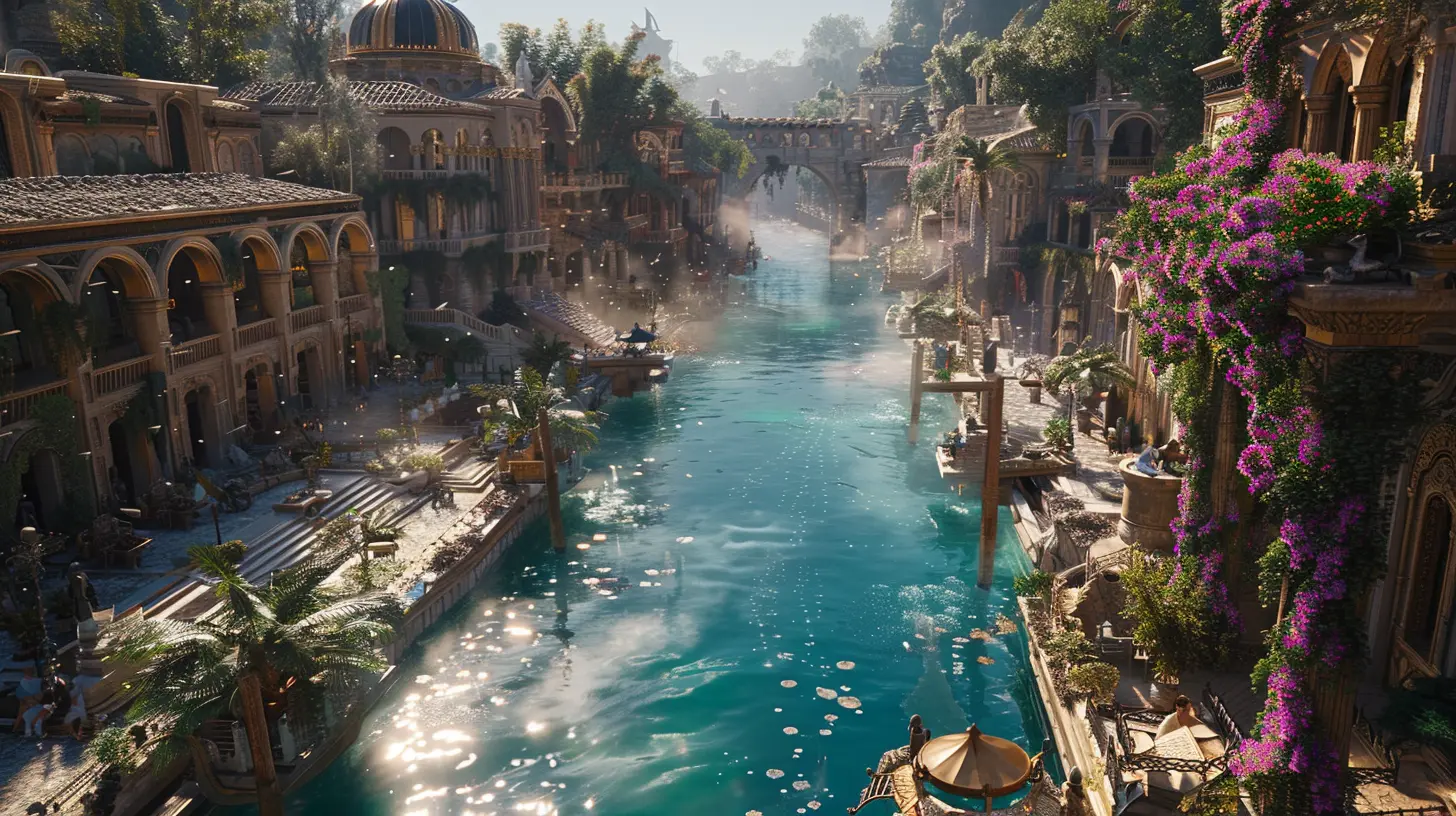
How Ray Tracing Transforms Game Visuals
Alright, now let’s talk meat and potatoes — how exactly does ray tracing make games look better?1. Realistic Lighting
This is the showstopper. Ray tracing allows light to behave naturally — it bounces off walls, diffuses through fog, and even casts colored shadows depending on surface materials. Every light source contributes to the atmosphere.Take “Cyberpunk 2077” for example. With ray tracing enabled, neon signs flood streets with colored hues, light reflects off metallic vehicles, and interiors glow with ambiance. Without it? The world just feels... flatter.
2. Accurate Reflections
You ever stand in front of a mirror in a game and not see yourself? Yeah, that’s old-school graphics at work.Ray tracing introduces reflections that actually reflect reality. Glass, water, polished floors — they all act the way they should. You’ll see enemies sneaking behind you through a reflection in a puddle. That’s not just eye candy — it changes gameplay!
3. Dynamic Shadows
No more blocky or flickering shadows. Ray-traced shadows are crisp and dynamic. They adjust in size and sharpness based on the distance from light sources. In stealth games, this adds depth and realism. You can hide in darkness that actually looks and behaves like darkness.4. Ambient Occlusion
Sounds fancy, right? It’s basically how light behaves in tight spaces. Ray tracing enhances the subtle shadows and dark corners where light doesn’t reach fully. It adds a layer of depth and realism that older techniques couldn't match convincingly.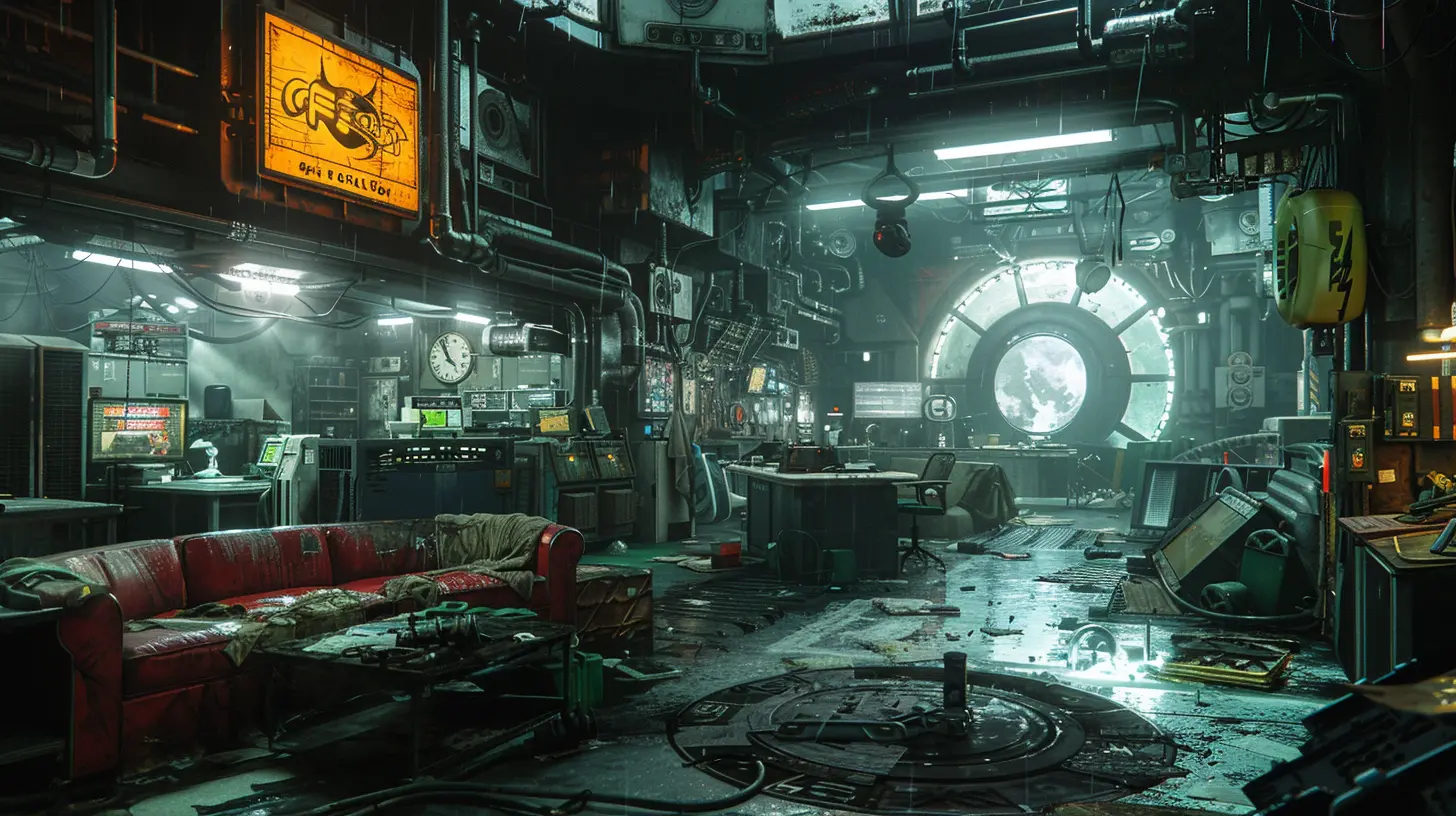
Games That Showcase Ray Tracing Best
Some titles go all-in with ray tracing — and it shows. Let’s look at a few standout examples:? Cyberpunk 2077
A poster child for ray tracing. From realistic reflections in skyscraper windows to dynamic neon lighting, this game is a visual feast — if your rig can handle it.? Control
Remedy’s supernatural thriller uses ray tracing to boost immersion. The game’s brutalist architecture comes alive with light reflecting off surfaces, shadows crawling along walls, and reflections adding an eerie realism.? Metro Exodus
The post-apocalyptic environments become breathtaking with global illumination and realistic day-night cycles. It’s not just about prettiness, either. The realism actually enhances the tension and survival feel of the game.? Minecraft RTX
Who knew blocky pixels could look so beautiful? Ray tracing transforms Minecraft into a stunning visual playground. Light bounces off blocks, water reflects the sun, and caves light up dynamically with torches. It’s a must-see to believe.The Performance Trade-Off
Let’s be honest — ray tracing isn’t cheap on performance. It eats up GPU power like a snack.Even with powerful RTX cards, frame rates can drop significantly, especially in games with heavy ray tracing effects. That’s why developers often include multiple ray tracing options — like turning on only reflections or shadows — to balance visuals and performance.
Enter DLSS and FSR
Thankfully, technologies like DLSS (Deep Learning Super Sampling from NVIDIA) and FSR (FidelityFX Super Resolution from AMD) help offset the hit. They upscale lower-resolution images using AI, allowing you to enjoy ray tracing without tanking your FPS.Is Ray Tracing Worth It?
Alright, here’s the million-dollar question. Should you care about ray tracing?Well, it depends.
If You’re a Graphics Enthusiast…
Yes. Absolutely. Ray tracing is the future. It brings realism to a whole new level. If you're into high-end visuals and immersive worlds, it's a game-changer.If You’re More Gameplay-Focused…
Maybe not yet. Ray tracing can be performance-heavy, and some games haven’t fully optimized their engines for it. You might enjoy higher frame rates and smoother gameplay without it.If You’re a Game Developer…
Understanding ray tracing is becoming essential. As more hardware supports it and engines integrate it (Unreal Engine, Unity, etc.), the demand for ray-traced experiences will only grow.The Future of Ray Tracing in Games
We’re still in the early days of ray tracing in gaming. Right now, it’s mostly used for lighting and environmental effects, but the future promises more.Real-Time Global Illumination
Imagine every single light source in a game behaving realistically — casting shadows, bouncing light, altering color. That’s the big dream, and ray tracing is the path to get there.Full Scene Ray Tracing
Some developers are experimenting with fully path-traced games — where everything is rendered using ray tracing. It’s incredibly demanding, but the visuals are mind-blowing.Mainstream Accessibility
As new GPU generations become more affordable and consoles like the PlayStation 5 and Xbox Series X include ray tracing capabilities, more players will experience it without needing a high-end PC.The Role of Ray Tracing in Game Design
Ray tracing doesn’t just make games prettier — it can shape how a game is designed.When developers know they can rely on realistic lighting and reflections, it opens up new gameplay mechanics. Think stealth games where reflections reveal enemies. Or puzzle games using light to interact with the environment in real-time.
It’s not just a visual upgrade — it’s a tool that expands creative possibilities.
Final Thoughts
Ray tracing isn’t just hype — it’s here to stay. Sure, it’s demanding on hardware, and not all games need it. But when done right, ray tracing makes virtual worlds feel more alive, believable, and immersive.We’re looking at a future where game graphics rival movie-quality visual effects. And ray tracing is leading the charge.
So next time you tweak your graphics settings and see "Ray Tracing: On," give it a shot. Your eyes might just thank you.
all images in this post were generated using AI tools
Category:
Game GraphicsAuthor:

Pascal Jennings
Discussion
rate this article
1 comments
Joel Brown
Ray tracing is like giving your game an expensive makeover. Suddenly, shadows have more drama than a soap opera, and reflections are so sharp they could cut glass. Just remember, if your frame rate drops, it's probably not the game's fault... it's your pizza delivery speed!
May 31, 2026 at 4:49 AM