The Power of Terrain and Cover in First-Person Shooters
29 October 2025
When you're knee-deep in an intense match of your favorite first-person shooter (FPS), every second counts. Your aim needs to be sharp, reflexes lightning fast, and—here’s the kicker—you need to know how to use your surroundings. That’s right. Terrain and cover aren’t just bits of scenery; they’re the secret sauce to staying alive and racking up kills.
Whether you’re fighting through bombed-out cities in Call of Duty, battling aliens in Halo, or planning a tactical push in Rainbow Six Siege, terrain and cover can make or break your gameplay. Let's dig into why mastering terrain and cover is essential for dominating the battlefield.
What Is Terrain and Cover, Really?
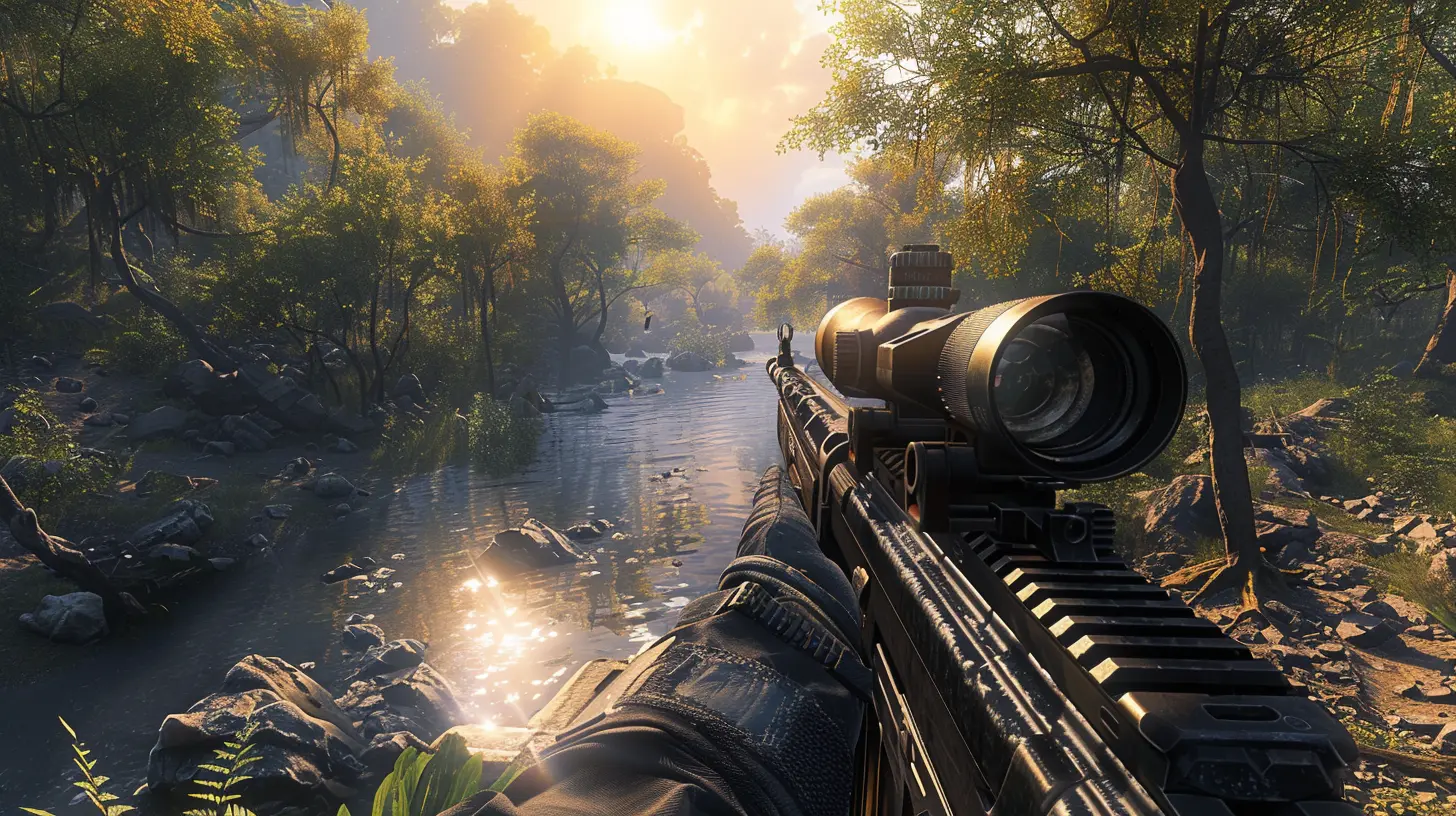
Before we go full-on tactical guru, let's break it down.- Terrain is the physical landscape of the map—hills, buildings, tunnels, alleyways, rooftops, staircases, you name it.
- Cover is anything you can use to block bullets—walls, crates, cars, doorways, even dead teammates (gruesome, but true).
While terrain sets the stage for movement and positioning, cover gives you a fighting chance when bullets are flying your way.
Why Cover Isn’t Just “Hide and Peek”
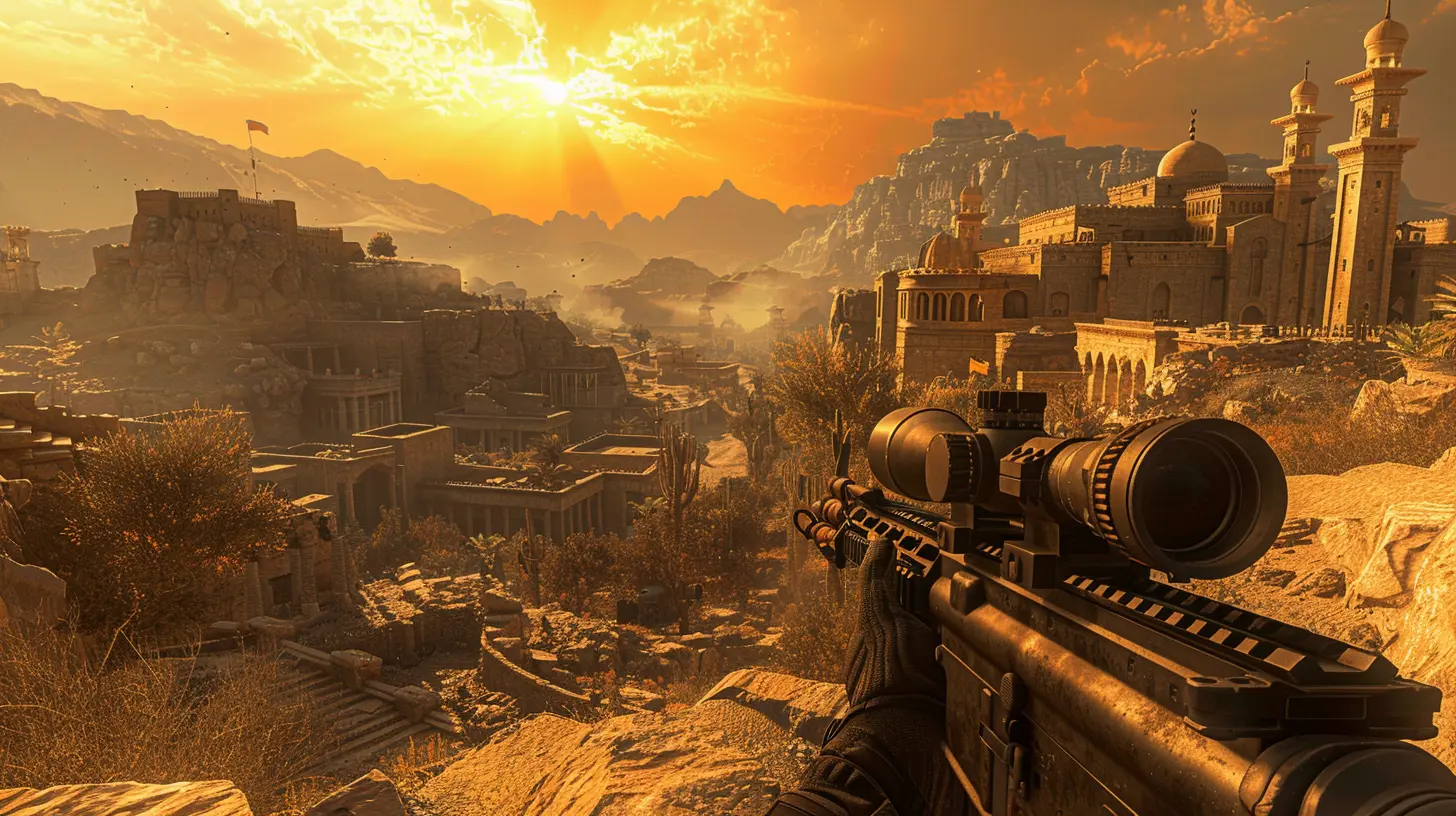
Let’s clear this up: cover doesn’t mean camping. That’s a rookie move. Smart players use cover to control engagements. Think of it less like a shield and more like a strategic tool.Ever heard the phrase “peek-and-pop”? It’s the act of quickly exposing yourself from behind cover to shoot, and then slipping back out of sight. The key is timing and unpredictability.
But here’s the twist—cover isn’t just something to hide behind. It shapes the rhythm of combat. Use it to bait out shots, reload safely, or set up a nasty surprise for the next enemy who rounds the corner.
Types of Cover – And When to Use Them
Different covers serve different purposes. Let’s break it down:1. Hard Cover
This is the real deal—brick walls, concrete barriers, steel crates. Basically, if it won’t break under fire, it’s hard cover.Use when:
- You’re under heavy fire
- You need to heal or reload
- You’re defending a position
2. Soft Cover
Barrels, wooden fences, tables—these will stop one or two bullets before turning into Swiss cheese.Use when:
- You need quick concealment during a push
- You want to confuse the enemy with your position
3. Dynamic Cover
These are movable objects or even vehicles. In some games, cover can shift or be destroyed (looking at you, Battlefield).Use when:
- You want to create new lines of sight
- You're thinking tactically and playing the long game
The High Ground Advantage
You know that feeling when you’re posted on a rooftop watching the chaos unfold below? That’s the power of terrain in FPS games.Having the high ground isn’t just a Star Wars meme—it’s a legit tactical edge.
Why it matters:
- Better Visibility: You see more of the map and spot enemies sooner.- Harder to Hit: Your head might poke out, but your body is usually safe.
- Angle Domination: Shooting down is easier and more controlled than aiming upward.
Next time you're choosing a position, ask yourself: “Can I get above my opponents?” If the answer is yes, do it.
Choke Points and Map Control
Understanding terrain means knowing where the action happens.Choke points—narrow corridors, doorways, tunnels—are where teams clash hardest. If you control these areas, you control the tempo of the game.
Set up behind cover just outside a choke point and you’ll be picking off enemies left and right like it’s a turkey shoot.
Bonus tip: throw down a smoke grenade or flashbang to make your push even deadlier. These tools paired with smart terrain use make you a nightmare to deal with.
Movement: The Secret Ingredient
Good cover and terrain mean jack if you're standing still waiting for a bullet to find your skull. Movement is what separates the good from the great. And terrain helps you move better.Use Terrain to Break Line of Sight
Got someone chasing you? Duck behind a car, vault over a low wall, zigzag through buildings. Don't give them a clean shot. Use elevation, doorways, and obstacles to confuse and outmaneuver.Slide, Jump, Crouch – Be Unexpected
Different games offer different movement options. Apex Legends has wall-running and ziplines. Call of Duty has slide cancels. Use these tools in sync with the terrain to move unpredictably and control the fight.Flanking: Outsmart, Outplay
Flanking is one of the oldest tricks in the book. And it's only possible with smart use of terrain and good map awareness.If you know where cover is, and how to approach from unexpected angles, you can crash their party from the side or rear and wipe the floor with them.
The Golden Rule of Flanking:
Always keep cover nearby. Never run out in the open, unless you're asking for a spawn screen.
Learning the Map = Power
Wanna get good? Learn the map.Maps aren't just battlegrounds—they're playgrounds for the tactical mind. Scout them out. Learn:
- Where cover is located
- Which spots provide good sight lines
- The quickest way to flank or escape
Once you’ve got the layout wired into your brain, you stop reacting and start dictating the action.
Situational Awareness is King
You're behind cover. You're holding high ground. Your aim is rock solid.But then someone sneaks up behind you.
Oof.
Even the best cover and terrain setups won't save you if you're tunnel-visioned.
Stay Sharp:
- Listen for footsteps- Check your radar (if the game has one)
- Communicate with teammates
- Use your camera to scout angles before you peek
Good players read the terrain like a book. Great players never let their guard down.
Using Cover to Win Gunfights
Let’s break down a quick 1v1 scenario.You're in a hallway. There's a crate in front of you—hard cover. You hear footsteps. The enemy comes around the corner.
Do you:
- A) Jump out and spray
- B) Stay behind cover and wait
- C) Peek briefly, return, and pre-aim their position
The right answer? Usually C. Use cover to bait out their fire, then punish them when they overextend.
Smart cover usage forces your enemy to make mistakes. And trust me—that’s where the kills come easy.
Cover Isn’t Always Physical
Here's something trippy: sometimes, visual clutter acts like cover. In games like Warzone or PUBG, bushes, shadows, and fog can be just as useful as a wall.Concealment vs. Cover:
- Cover blocks bullets- Concealment hides you from being seen
Big difference. Use both to your advantage. Blend in, pick your shots, and vanish like a ninja.
When to Abandon Cover
Yes, cover is great.But clinging to it like a lifeline will get you killed if the battlefield shifts. Sometimes, staying mobile is the smarter play.
Know when to push:
- When the enemy is reloading- If you’ve cracked their armor/shields
- If your team is pressuring from another angle
A quick sprint from one cover to another, with some zigzag motion and a well-thrown flashbang, can turn the table instantly.
Terrain Mastery in Competitive Play
In high-level FPS matches—whether ranked or pro esports—terrain control is everything.You’ll notice how teams prioritize:
- Holding rooftops or balconies
- Locking down mid-map territory
- Coordinating smokes and stuns to cross open areas
If pros treat terrain like gold, maybe we should too.
Final Thoughts
Alright, let’s wrap this up.Terrain and cover are more than just background elements. They’re the tools that define your playstyle, create opportunities, and keep you breathing when the heat is on.
Want to improve instantly? Take five minutes in each game to study the map. Think about your routes, your hiding spots, your line of sight. Use cover like a chess piece, not a panic button. And always—always—stay mobile and unpredictable.
Master terrain and cover, and you'll go from cannon fodder to combat god in no time.
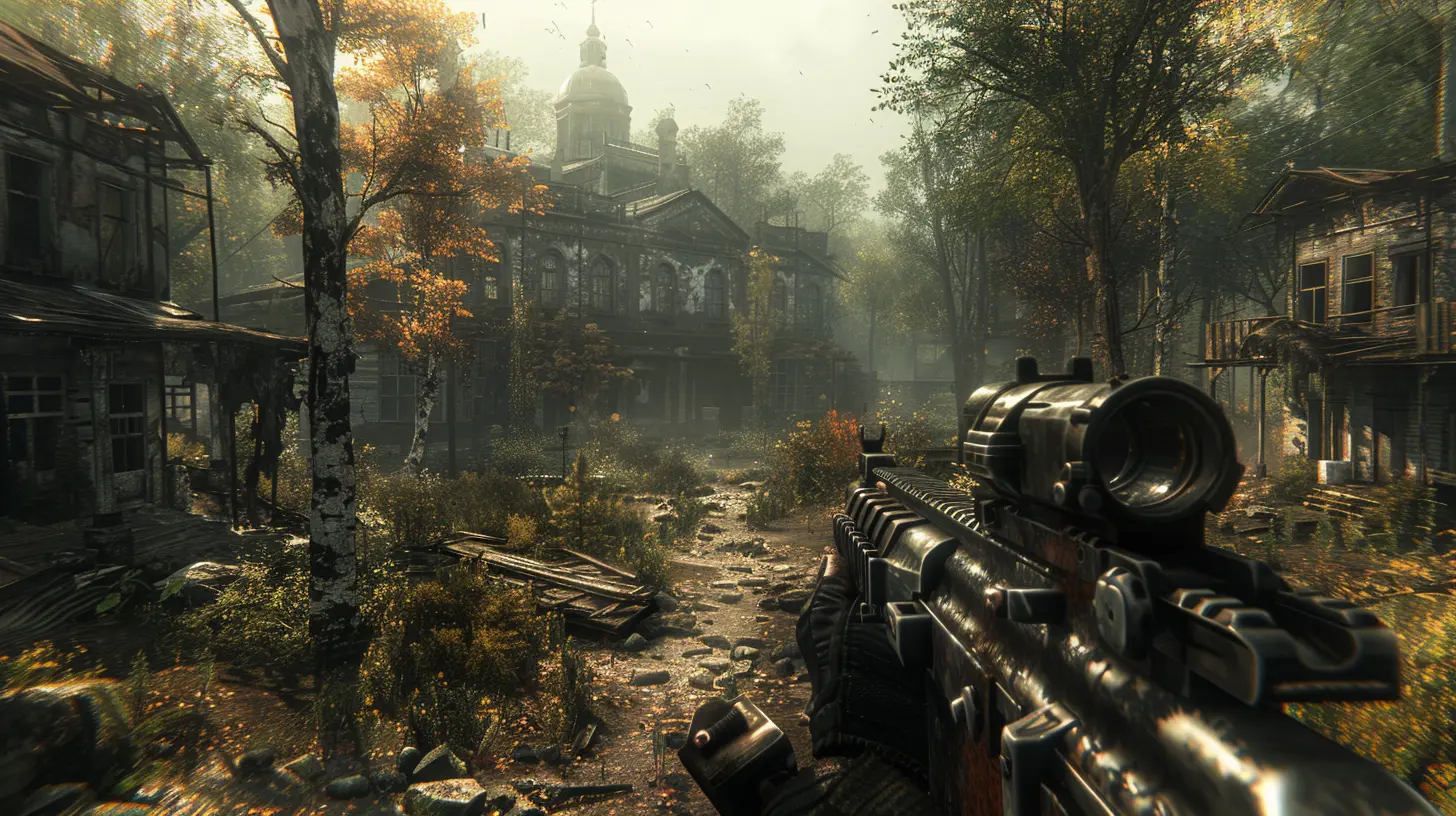
all images in this post were generated using AI tools
Category:
First Person ShooterAuthor:

Pascal Jennings
Discussion
rate this article
1 comments
Elora Hill
Great read! Terrain and cover really transform gameplay dynamics in FPS. It’s incredible how a little strategy can change the tide of battle. Can’t wait to dive deeper!
October 29, 2025 at 5:04 AM
Pascal Jennings
Thank you! I'm glad you enjoyed it. Terrain and cover truly do make a significant impact on gameplay strategy. Excited for you to explore more!