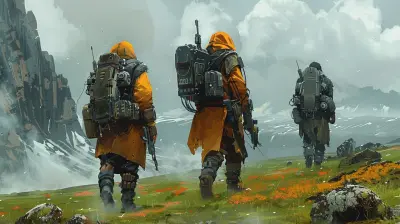
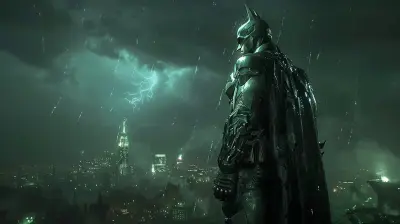
How the Ending of Death Stranding Connects to Its Themes
20 April 2026
If you’ve made it to the ending of Death Stranding, first off—congrats. That’s no small feat. Hideo Kojima’s mind-bending journey across a fractured America can be equal parts fascinating and frustrating. It’s a game that challenges not just your reflexes but your thinking. But once the credits roll—and they roll for a while—you’re left with a mix of emotions, questions, and maybe even a few tears.
So, what exactly does that ending mean? More importantly, how does it tie together the themes constantly bubbling under the surface during your oversized backpack-hauling adventure? Let’s slow down, take a deep breath (like Sam does a lot), and unpack how the ending of Death Stranding connects to its powerful themes of connection, isolation, sacrifice, and hope.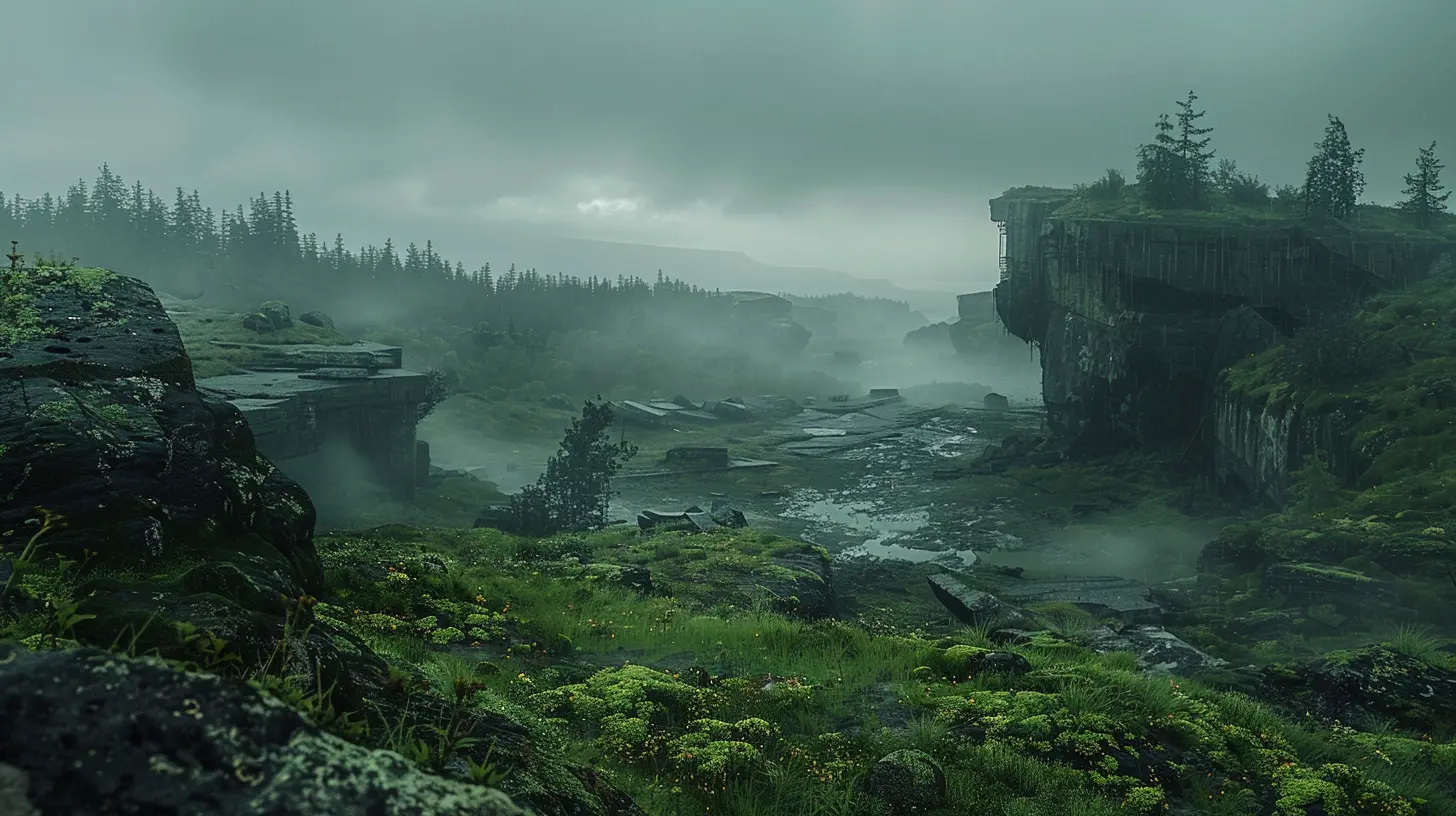
The Big Picture: What Even Happened?
Before we can dive into the themes, let's do a quick recap of the ending (don’t worry, spoiler alert—obviously). After countless deliveries, saving cities, and bonding with BB (Bridge Baby), Sam Porter Bridges discovers a few key truths:- Cliff (Mads Mikkelsen) is actually BB's biological father.
- Amelie, the mysterious woman orchestrating the re-connection of America, is both the leader of the UCA and an extinction entity (EE).
- The Death Stranding itself was set in motion by Amelie/Louise as an inevitable extinction event—which she ultimately chooses not to carry out after being stopped by Sam.
And then, in one of the most emotionally heavy gaming moments ever, Sam defies orders and chooses to keep BB (now named Lou) alive rather than returning “it” for disposal.
So yeah. It’s a lot. But in true Kojima fashion, every twist and turn feeds into the overarching themes he’s been nurturing from the very first steps Sam took as a deliveryman.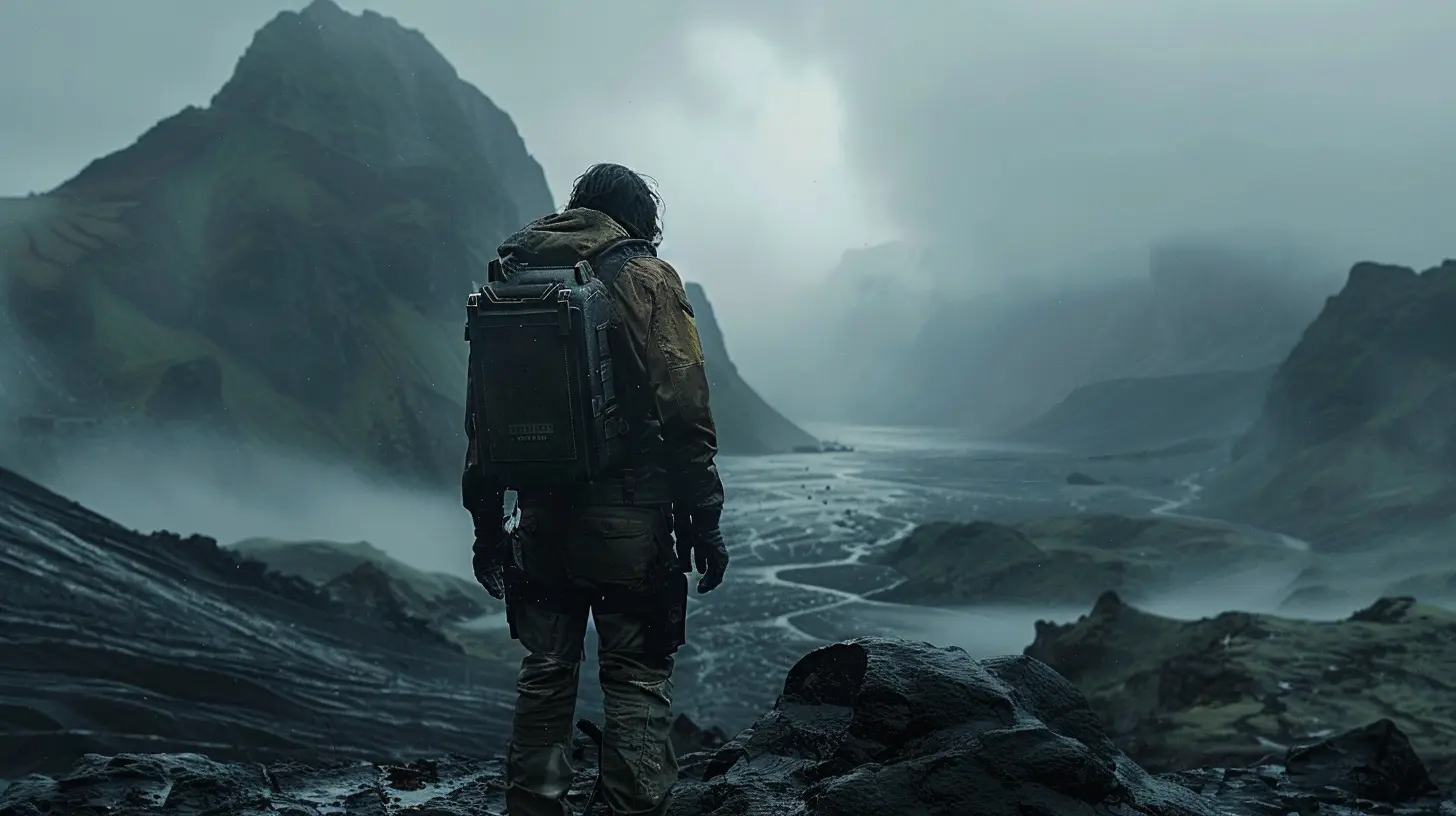
Theme 1: Connection in a Disconnected World
This is the heartbeat of Death Stranding—connection. The game screws with the very concept of “social interaction” by making you feel isolated 90% of the time. Yet, you are never truly alone. Other players leave behind ropes, ladders, roads, and safehouses. It’s a quiet form of multiplayer that reinforces the idea that we’re all in this together—even if we never meet directly.How the Ending Reinforces It
When Amelie decides not to initiate the final extinction event, it’s not because of logic or power—it’s because of connection. Sam, through his choices and his very human bonds (with BB, Fragile, Cliff, Die-Hardman), reminds her that humanity is worth saving.The ending doesn’t show a fully healed world, but it shows a world trying. A world reconnecting after being broken. That’s real. That’s messy. And that’s the point.
Theme 2: Isolation and the Cost of Survival
Let’s face it—Sam is a loner by design. Literally. The game's mechanics make you trudge alone for hours. His affliction—aphenphosmphobia (fear of touch)—acts as a metaphor for how trauma isolates us.His job? Deliver things to people who live in bunkers and never leave them. Sound familiar? Yeah, it hits different post-2020, doesn’t it?
How the Ending Reinforces It
By choosing to keep Lou alive, Sam breaks free from his emotional bubble. He sheds his role as a cold deliveryman and embraces fatherhood. That’s a massive shift. It shows the cost of connection but also its rewards.Amelie, on the other hand, spent eons isolated on her Beach. She believed isolation was the only answer. It took Sam’s persistence to show her that connection—even if painful—is what gives life meaning.
Theme 3: Sacrifice as a Path to Hope
Every main character in Death Stranding makes sacrifices. Cliff gave up everything for his child. Fragile risked her life and body to stop terrorists. Die-Hardman carried guilt and followed orders no matter how shady. And Sam? He sacrifices comfort, peace, and safety to knit the country back together.How the Ending Reinforces It
Sacrifice becomes a turning point. Sam’s refusal to follow protocol—his decision to keep Lou—represents a rebirth. It’s hope in tangible form. He’s no longer a cog in the corporate machine; he's choosing what matters to him.And let’s not forget: even Amelie sacrifices herself. She chooses to remain alone on the Beach rather than allow humanity’s destruction. That’s a deep, existentially heavy moment.
Theme 4: The Fragility of Life and Death
Kojima plays with death like a poet with a dark sense of humor. In Death Stranding, dying isn’t the end. Sam can “die” and come back. The world is flooded with BTs (Beached Things)—souls stuck between life and death. The game constantly makes you think about mortality, grief, and what remains after we’re gone.How the Ending Reinforces It
Cliff’s entire arc revolves around death. He’s technically dead, but his love for his child keeps his soul from moving on. BB is the bridge (literally and metaphorically) between life and death. And in the end, rather than let Lou vanish into the unknown, Sam cradles life.His actions are a declaration: life is fragile, yes, but also precious. You don’t discard it when it’s inconvenient.
A Personal, Introspective Ending
Let’s be real—some of the ending cutscenes feel like they last longer than some indie games. But they’re needed. Kojima doesn’t just want to conclude a story. He wants to leave you with a state of mind.The final moments, where Sam removes Lou from the pod and holds them to his chest? That’s the most human moment in the game. No epic music. No explosions. Just a man and a child.
In that simplicity, Death Stranding finds its core message: we survive through connection, we grow through sacrifice, and we hope—even when it hurts.
Symbolism Overload? Not Really.
You might think, “Okay, but isn’t this just overanalyzing?” Nope. Kojima isn’t subtle about his symbolism. The names alone—Bridges, Strand, Deadman—tell you everything. The timefall (rain that ages you), the doomsday preppers in bunkers, the Chiral Network… it's all layered metaphor.The ending ties it together like the final thread in a tapestry. Yes, it’s weird. Yes, it’s abstract. But it absolutely cements the story’s themes in a deeply emotional way.
What It Means for Us—The Players
If you strip away the BTs and the supernatural baby tech, Death Stranding is about humanity. It’s about trying to matter in a world that feels broken. In that sense, the ending speaks directly to us.Feeling disconnected? So is everyone in the game. Struggling to move forward? So is Sam, every time he slips and spills a delivery. But he gets up. And when he finally cradles Lou, there's a sense that he’s stepping into a new chapter—one filled with love, risk, and purpose.
Final Thoughts: Kojima Gave Us a Mirror
Death Stranding isn’t for everyone. It’s slow. It’s strange. It’s filled with celebrity cameos and monologues about extinction events. But it’s also deeply sincere.The ending isn’t meant to wrap everything up in a neat bow. It’s meant to echo the game’s biggest truth: we are more when we’re together. It’s a whisper rather than a scream—a quiet moment of human connection in the chaos of a fragmented world.
And honestly? That’s what makes it beautiful.
all images in this post were generated using AI tools
Category:
Game Endings ExplainedAuthor:

Pascal Jennings
Discussion
rate this article
2 comments
Nancy McPhail
Great insights! I love how you highlighted the connection between the ending and the game's themes. Death Stranding truly offers a profound narrative experience!
April 22, 2026 at 3:32 PM
Pascal Jennings
Thank you! I'm glad you appreciated the connection—Death Stranding's narrative depth is truly unique!
Karen Martin
Ah, the ending of Death Stranding! It’s like a paternity test for the universe—full of unexpected connections and emotional baggage. Just when you thought you were delivering packages, you end up delivering profound life lessons. Who knew post-apocalyptic courier work came with an existential philosophy degree? Sign me up!
April 20, 2026 at 4:22 PM
Pascal Jennings
I love that take! The ending really does turn the whole journey on its head, revealing deep connections in a seemingly chaotic world. It's a powerful reminder that every delivery has its weight.