Mass Effect 3’s Ending Controversy Explained
23 February 2026
Let’s get one thing straight right at the start—Mass Effect 3 was a thunderous, emotional rollercoaster of a game. It brought players to the edge of their seats, tugged at heartstrings, and made tough decisions feel brutally real. But, for all the battles, friendships, and galaxy-spanning adventures, the one thing players just couldn’t stop talking about (or complaining about) was... the ending.
Yeah, that one.
If you’ve ever searched up Mass Effect 3 online, you know exactly what this is about. The ending didn’t just upset a few fans—it sparked a firestorm across gaming forums, Twitter threads, and video essays. But why? What was so wrong with it? Why did BioWare, a developer known for its storytelling, drop the ball so hard in the final moments of an otherwise legendary trilogy?
Let’s unpack it piece by piece and get to the bottom of what truly went down with Mass Effect 3’s ending controversy.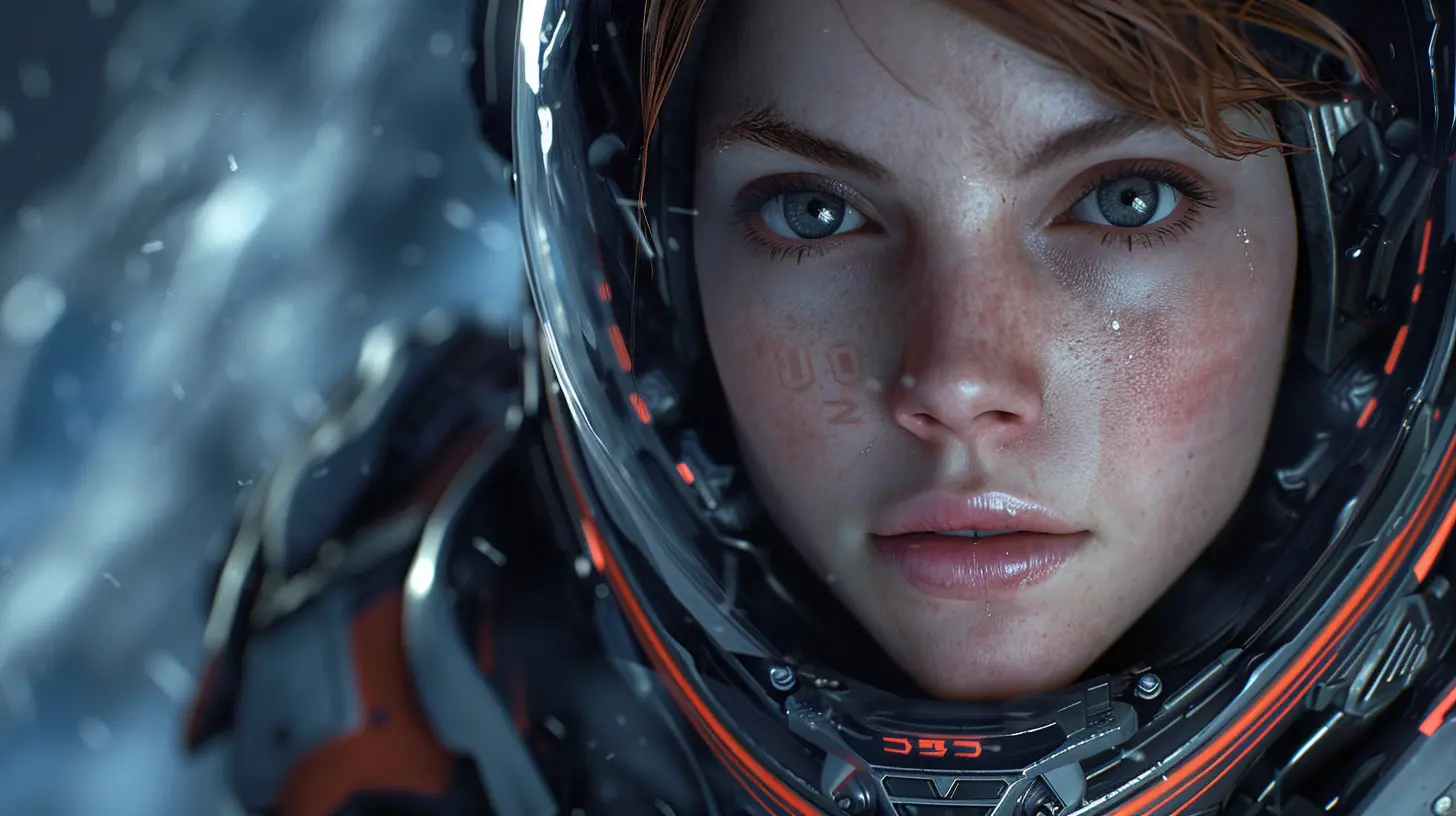
The Hype Before the End
To understand the drama, we’ve got to rewind a bit.Mass Effect wasn’t just any sci-fi RPG. It was a saga. A three-game arc where your decisions actually mattered—your choices had consequences that carried across all three titles. From saving or dooming entire alien species to deciding who lived or died among your closest squadmates.
The whole idea? You were building your story. Commander Shepard's journey was supposed to be unique—tailored by the hundreds of decisions you made along the way.
So, naturally, everyone expected a powerful, personalized ending to this beloved space opera.
And then the credits rolled...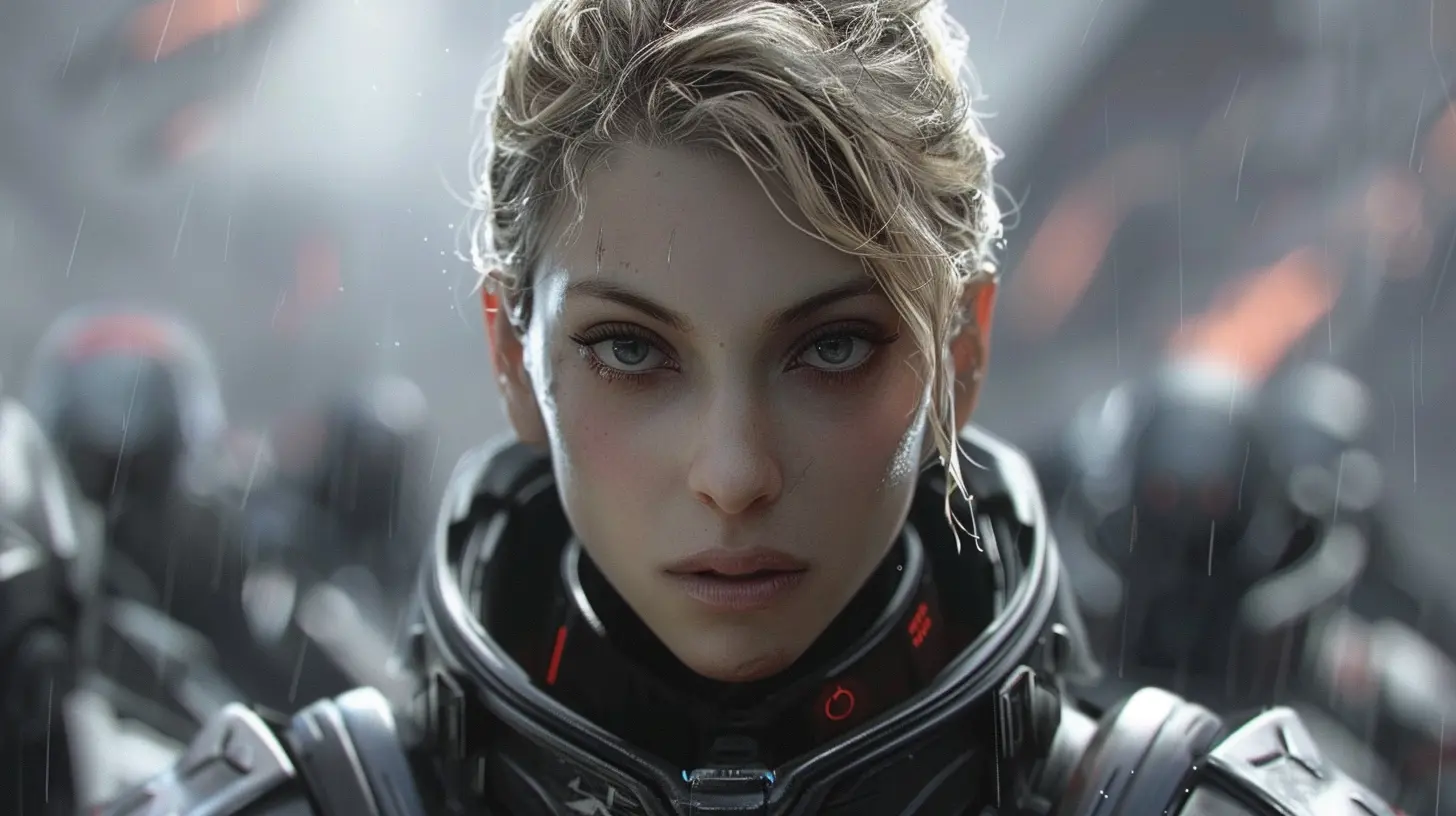
So... What Actually Happened?
Spoilers ahead, obviously. You’ve been warned!At the end of Mass Effect 3, you come face to face with the Reapers—those massive, ancient, synthetic beings threatening all life in the galaxy. After fighting your way through hell and back, you reach the final confrontation... only to have a ghostly child (yes, really) present you with three choices:
1. Control the Reapers – Shepard sacrifices themselves to take control of the Reapers and guide them.
2. Destroy the Reapers – Shepard sacrifices themselves (again) to wipe out all synthetic life, including the beloved Geth and, possibly, EDI.
3. Synthesis – Merge synthetic and organic life into a new hybrid form, “evolving” all life in the galaxy into something new.
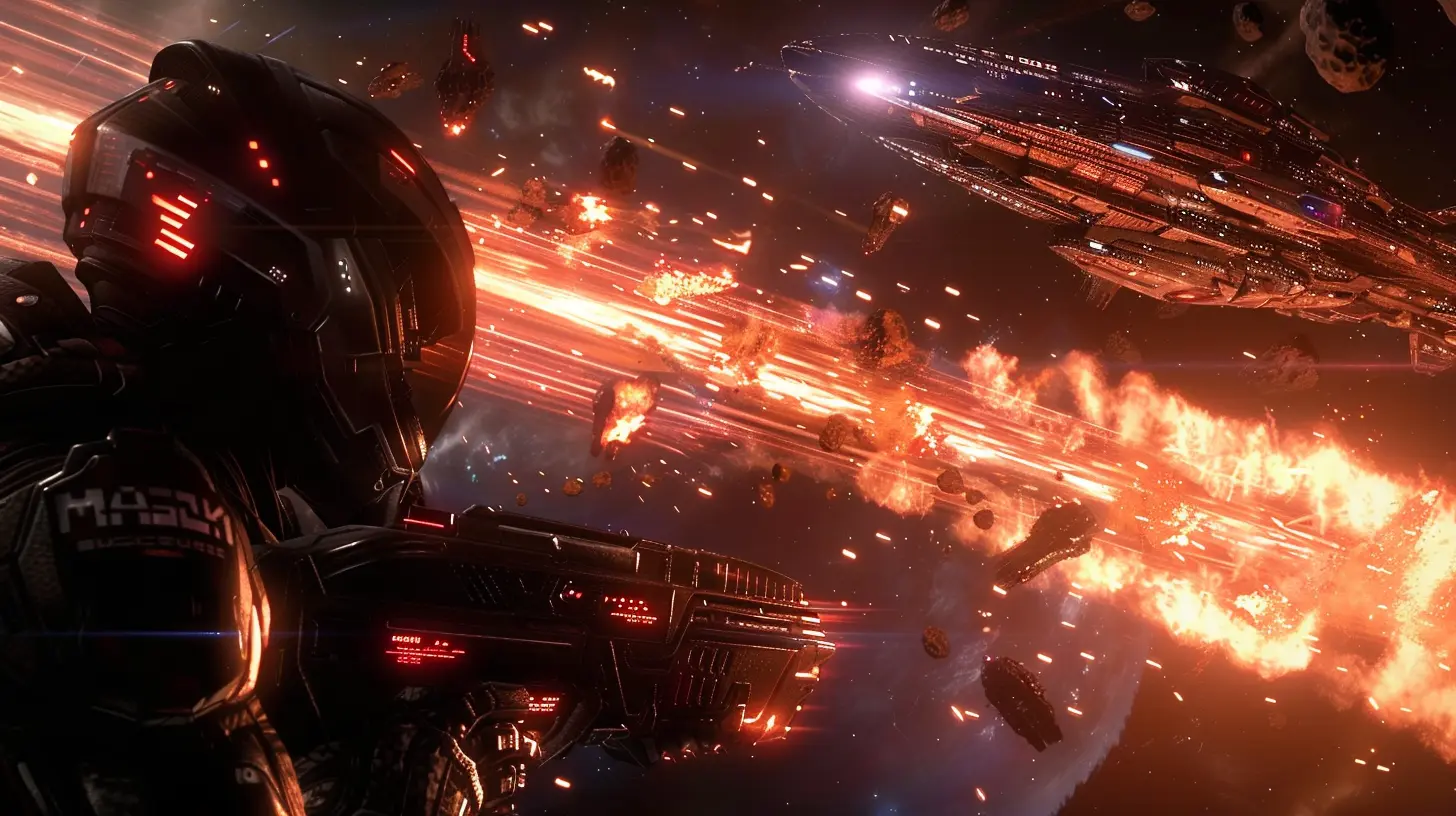
Each choice ends with a slightly different colored explosion (blue, red, or green), a voiceover, and a vague glimpse of how things may or may not have turned out.
That’s it. After hundreds of hours of shaping the galaxy, building relationships, and fighting tooth and nail for survival... the ending boiled down to a color-coded decision that felt almost disconnected from everything you'd done.
—
Why Fans Flipped Out
So, here’s where the volcano erupted.1. No Real Choice Impact
Remember all those game-altering choices you made across THREE entire games? Turns out, they didn’t really matter in the end. Whether you cured the genophage, brokered peace between the quarians and the geth, or romanced your squadmate—none of it influenced the final outcome in a meaningful way.The three endings were essentially the same, with just minor visual tweaks. That level of narrative “railroading” felt like a betrayal to fans who poured hours into crafting their Shepard’s story.
2. Plot Holes and Confusion
The ending also introduced some serious head-scratchers. Like:- How did your squadmates (many of whom were with you moments earlier) end up alive and well on a distant planet?
- Why did the Mass Relays (used for galaxy-wide transport) all explode, which should have wiped out entire star systems, yet everyone seems cool with it?
- Who even was that ghost child?
The storytelling felt rushed, vague, and left fans with more questions than answers.
3. Shepard's Fate Felt Pointless
For many players, this one stung the most. After becoming attached to Shepard over three games, watching them die in every possible ending (with the exception of a secret "breath scene" if you met extra requirements), left a bitter taste.And the worst part? It didn’t have to be this way.
"Artistic Integrity" Meets Fan Outrage
The backlash was immediate—and loud. Fans took to social media, Reddit, and BioWare forums, demanding change. The term “Retake Mass Effect” became a rallying cry, with players even raising money for charity to show they were serious about wanting a new ending.At first, BioWare held their ground. Casey Hudson (Project Director) and the team defended the ending as an “artistic choice” meant to be open to interpretation.
But the pressure didn’t stop building.
The Extended Cut: Damage Control or Real Fix?
Eventually, BioWare caved—sort of.They released the Extended Cut DLC in June 2012, just a few months after the game’s launch. It didn’t change the ending options, but it added more cinematic sequences, epilogues, and details to explain what happened after Shepard’s final choice.
So, did it fix things?
Well... it helped, sure. The added content gave players more closure, especially around the Normandy crew and the fate of different species. But for many, the core issues (like the illusion of choice and the abrupt narrative shift) still lingered.
It was like putting a band-aid on a cracked windshield.
Was the Ending Always Doomed?
Let’s get real for a second. Tying up a story as massive and choice-driven as Mass Effect was never going to be easy. Think about it—how do you write an ending that accounts for every decision made by millions of players over three games?It’s borderline impossible.
But fans didn’t necessarily want all their choices to completely change the ending. What they wanted was recognition. A nod to the journey. A sense that their unique path meant something more than pressing a different colored button.
That’s where BioWare dropped the ball.
The Legacy of the Controversy
Despite the drama, Mass Effect 3 remains an incredible game. And the controversy didn’t kill the franchise—if anything, it proved how deeply players cared. Few games get this kind of passionate response.Years later, when Mass Effect: Legendary Edition was released, fans returned to the trilogy with renewed love and appreciation. BioWare has also confirmed a new Mass Effect sequel is in development, with cryptic teasers showing the return of familiar faces.
So maybe, just maybe, they’ll get another shot at delivering an ending that sticks the landing.
Lessons for Game Developers
Mass Effect 3’s ending controversy isn’t just about a bad ending. It sparked a broader conversation about:- Player agency – If you promise choices that matter, deliver on that promise.
- Narrative payoff – Emotional investment needs emotional reward.
- Respecting the journey – Don’t ignore the journey in favor of a message-heavy finale.
It was a wake-up call not just for BioWare, but for the entire industry.
Final Thoughts: The Ending That Changed Gaming
Love it or hate it, Mass Effect 3’s ending controversy left a mark. It set a new standard for what gamers expect from narrative-driven games. And it reminded developers that storytelling in games doesn’t happen in a vacuum—when players spend years with your characters, they want an ending that feels earned.In the end, we all just wanted to say goodbye to Shepard on our own terms.
And maybe see them ride off into the sunset with Garrus or Liara, ya know?
all images in this post were generated using AI tools
Category:
Game Endings ExplainedAuthor:

Pascal Jennings
Discussion
rate this article
2 comments
Monica McKittrick
Choices matter, but what if reality deceives?
March 4, 2026 at 5:46 AM
Pascal Jennings
Reality can be tricky, but choices still shape our perception. In Mass Effect 3, the endings reflect the consequences of those choices, even when the outcomes feel misleading.
Alice Blevins
Mass Effect 3's ending sparked outrage for a reason: it betrayed player choices, undermining the series' core narrative. Let’s be clear—fans deserved a fitting conclusion to their epic journey, not a half-baked, cookie-cutter finale.
March 3, 2026 at 5:41 AM
Pascal Jennings
You're spot on. The ending felt disconnected from the choices players made throughout the series, and that left many feeling frustrated and disappointed. Fans definitely expected more from such a beloved franchise.