Why Some Games Age Better Visually Than Others
22 March 2026
Let’s get real for a second—some games from decades ago still look breathtaking, while others from just a few years back feel like a pixelated mess. Why is that? What magical formula lets some games remain visually stunning, long after their release, while others seem to crumble under the weight of modern graphics expectations?
Well, that’s what we’re diving into today. Grab your favorite controller (or mouse), because we’re about to break down why some games age like fine wine, and others… more like milk.
The Difference Between Graphics and Art Style
Let’s kick things off with a key point—there’s a big difference between graphics and art style.Graphics are all about raw power—resolution, textures, polygons, lighting effects. Think of it like the horsepower in a car. Impressive, but sometimes overkill.
Art style? That’s design, creativity, and emotion packaged into visual storytelling. It’s how a game presents itself, regardless of its technical limits. That’s what decides whether it still looks good 10, 15, even 20 years later.
Realism Ages Quickly
Games that aim for ultra-realistic visuals often feel outdated fast. Why? Because realism is constantly being redefined. What was “next-gen” in 2010 now looks rough around the edges.Take a look at early PS3 or Xbox 360-era games that tried to mimic real life. By today’s standards, they can look flat or downright awkward. Shadows don’t behave realistically, facial animations are stiff, and textures lack the detail we now expect.
It's like watching a movie from the '90s with “futuristic” CGI. Cool at the time, but yeah… not so much now.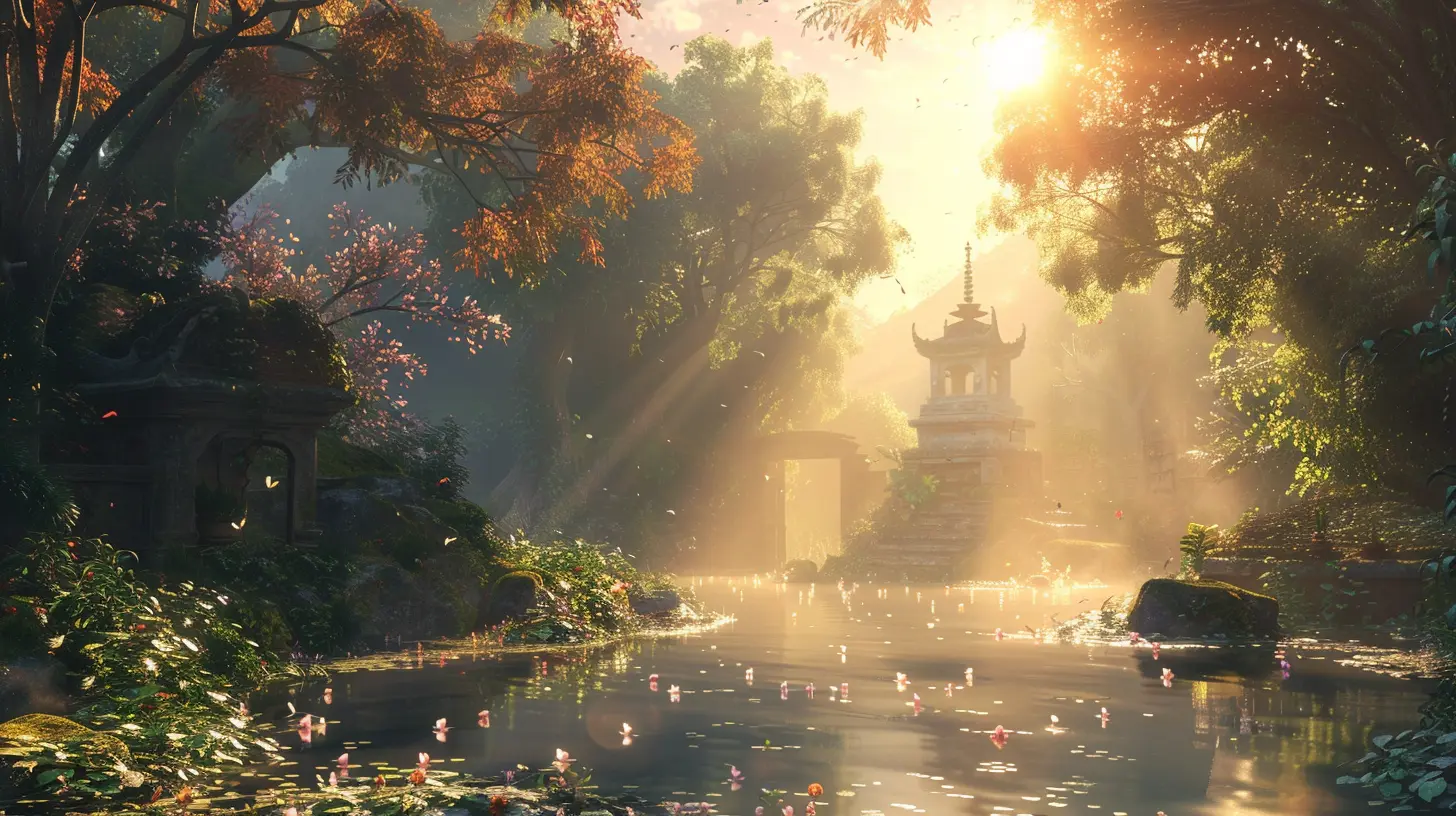
Timeless Art Direction Wins Every Time
On the flip side, games that lean into stylized visuals tend to age like legends.Think about games like:
- The Legend of Zelda: Wind Waker
- Journey
- Okami
- Cuphead
- Hollow Knight
These games don’t chase realism. They craft their own visual language. Wind Waker's cel-shading still looks charming decades later. Cuphead’s 1930s cartoon style? It’ll always feel fresh because it’s unique.
Stylized visuals don’t compete with realism—they stand apart. And because they’re not tied to a specific era’s tech, they age gracefully.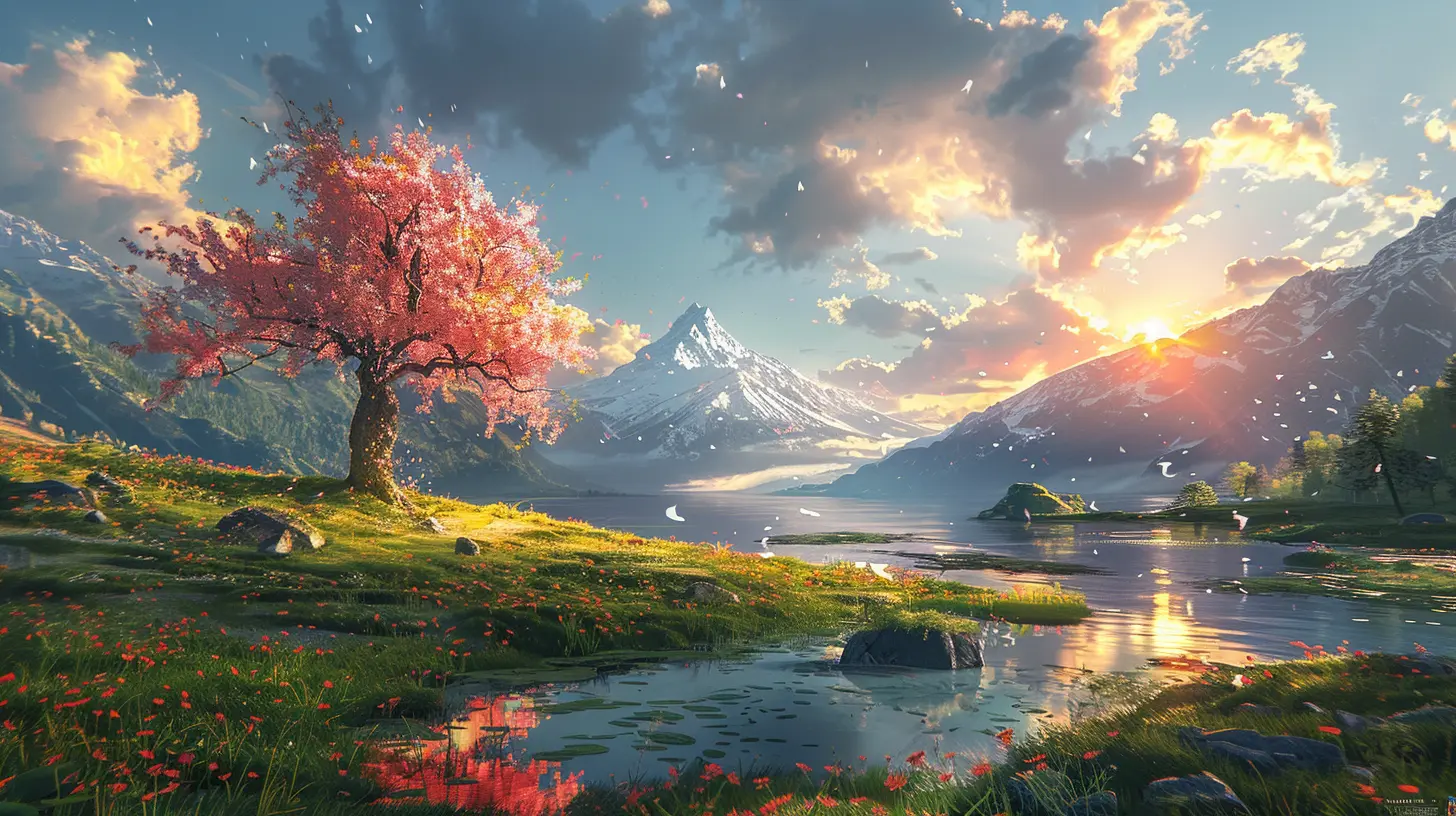
Simplicity Can Be Stunning
Sometimes, less really is more. Games like Limbo, Inside, and Fez prove that you don’t need high-res textures to create something visually memorable. Their clean, minimalist approach feels deliberate and focused.It’s like the black-and-white photos of the gaming world—they’re expressive, emotional, and timeless.
So while some developers push for ultra-detail, others focus on mood. And guess what? Mood has a much longer shelf life.
Animation Quality Makes a Huge Difference
Graphics are just one layer. Animation breathes life into the visuals.Ever notice how some older games feel stiff, no matter how fancy they looked at release? That’s because clunky animations age poorly. On the flip side, fluid and expressive animations hold up incredibly well.
Look at Street Fighter III: Third Strike. Its sprite work and animation are hand-crafted perfection. Even in today’s era of 3D fighters, it remains a visual gem.
Smooth movement, attention to weight and timing—these subtle touches add realism without relying on raw graphical power.
Resolution Isn’t Everything
Let’s crush a common myth: higher resolution doesn’t guarantee better visuals.Some early HD games looked sharper, sure, but their texture quality and art direction couldn’t keep up. Meanwhile, PS2-era cell-shaded titles still shine because their core visual design doesn’t rely on resolution.
Upscaling older games for modern displays can polish things a bit, but if the underlying art wasn’t strong to begin with, no amount of resolution will save it.
Nostalgia Plays a Role—But It’s Not The Whole Story
Okay, we’ve all been there. Booting up an old favorite and thinking, “Wow, this still looks amazing!” But is it really? Or are we wearing nostalgia goggles?While nostalgia definitely colors our perception, it doesn’t explain everything. Some games objectively hold up because their visuals were built with strong fundamentals—clarity, creativity, consistency.
They don’t just look good because you remember them fondly. They look good because the visuals were crafted with care, not just tech.
Technical Constraints Can Be a Blessing
Back in the day, developers had to get creative with limited tools. And that’s where a lot of magic happened.Because they couldn’t rely on fancy hardware, older games focused on building distinct visual identities. Think of Super Mario World, Chrono Trigger, or Earthbound—you instantly recognize them. Their pixel art was clear, charming, and full of personality.
Now, pixel art is making a comeback for a reason. It's not just retro. It's visually efficient and emotionally resonant.
Color Palettes Matter More Than You Think
Here’s something that often gets overlooked—color palettes.Games with a strong, thoughtful color scheme feel cohesive and are easier on the eyes. Take Firewatch, a game that blends warm tones and silhouettes to create a sense of serenity and tension all at once.
Compare that with gritty, washed-out games from the early 2010s that drained every bit of color. Those look way more dated now because they lack visual identity.
Color is emotion. Color is storytelling. And good color? That never goes out of style.
UI and HUD Design Impact Visual Longevity
Let’s not forget about what’s on the screen aside from gameplay visuals. Clunky user interfaces (UI) and distracting heads-up displays (HUDs) can make a game feel outdated fast.Minimal, unobtrusive UIs with clean fonts and smart placement tend to age much better. When the screen isn’t cluttered with numbers and bars, your eyes focus more on the gameplay visuals.
Games like Shadow of the Colossus or Inside have minimal HUDs, allowing the world to breathe. That choice makes them feel more modern—even years down the line.
The Role of Modding and Community Overhauls
Some older games remain visually appealing because of the fans. Mods can breathe new life into a game that might otherwise show its age.Look at Skyrim, Fallout: New Vegas, or even Half-Life 2. Their base visuals might be rough by today's standards, but thanks to graphical overhauls, texture packs, and reshades developed by communities, they still look great.
While this doesn’t change how they originally launched, it shows how visuals can evolve post-release—a sort of second life for aging games.
Longevity Through Atmosphere, Not Detail
Sometimes it’s not about what’s shown but how it’s shown.Take Silent Hill 2 or the original Resident Evil 4. Their graphics aren’t jaw-dropping, but their use of lighting, fog, shadows, and sound design creates atmosphere that’s tough to beat even in modern titles.
These techniques focus on immersion. And immersion doesn’t rely on graphical fidelity—it relies on strong implementation.
Remasters and Remakes—Second Chances with a Catch
Game developers know the value of visual longevity. That’s why we see so many remakes and remasters. But not all are created equal.Some, like Resident Evil 2 Remake, reimagine the visual style while keeping the atmosphere intact. Others, like the Warcraft III Reforged fiasco, try to modernize while losing the charm.
The lesson? A good visual remake needs to respect what made the original iconic—not just throw in high-res textures and call it a day.
Final Thoughts
So, why do some games age better visually than others?Because great visuals aren’t just about more pixels or fancy effects. They're about art. They’re about intention. They’re about style over specs.
Whenever a game chooses creativity over tech-flexing, it sets itself up for timelessness. That’s why we’ll always remember the dreamy pastels of Wind Waker, the painterly strokes of Okami, and the moody silhouettes of Limbo.
So the next time you boot up an old classic and say, “Man, this still looks amazing,” know that there’s more at play than nostalgia. That game was built to last.
all images in this post were generated using AI tools
Category:
Game GraphicsAuthor:

Pascal Jennings
Discussion
rate this article
2 comments
Lulu McCord
Timeless design transcends technology; great art keeps games vibrant, regardless of their era. Embrace the journey!
March 28, 2026 at 5:40 AM
Pascal Jennings
Thank you! I completely agree—great art and design truly elevate games beyond their technology, allowing them to shine through the ages.
Cynthia McCabe
Ah, yes, because we all know that pixelated graphics just scream timeless elegance. Who needs realism when you have nostalgia?
March 24, 2026 at 4:53 AM
Pascal Jennings
Absolutely, nostalgia plays a significant role in how we perceive pixelated graphics, often overshadowing realism and enhancing their charm over time.