Exploring the Best Microphones for Streamers and Podcasters
29 March 2026
Whether you're a seasoned podcaster, a rising Twitch star, or just getting your feet wet in the world of streaming, one thing’s for sure — sound matters. Imagine pouring your heart into a discussion or gameplay session, only to have your listeners drop off because your mic makes you sound like you're broadcasting from the bottom of a cereal box. Not exactly the vibe, right?
That’s why choosing the right microphone is crucial. It’s not just about being heard — it’s about sounding clear, professional, and engaging. So grab a cup of coffee (or that second energy drink) and let’s dive deep into the world of high-quality audio. 🎙️
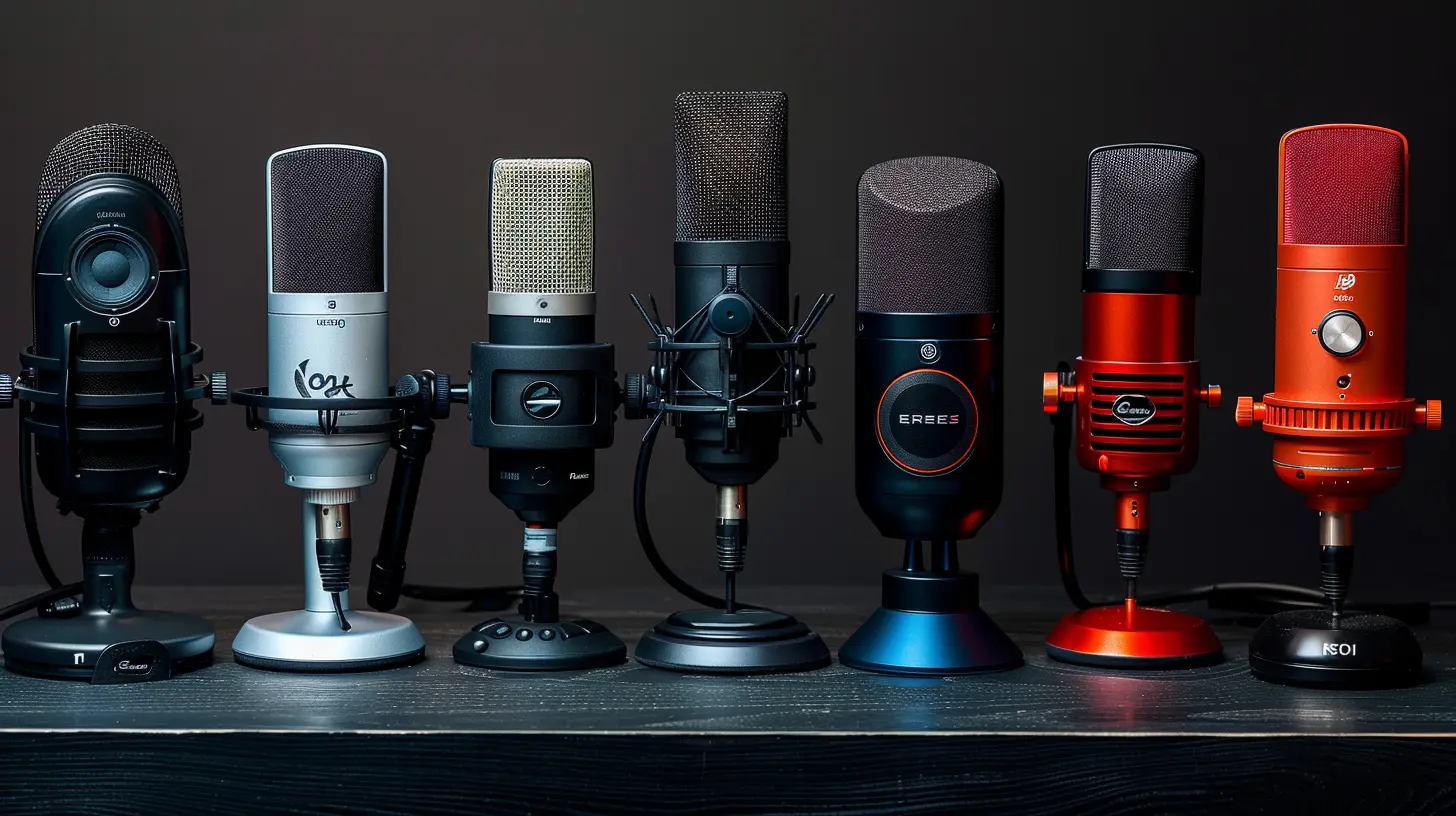
Why Your Microphone Matters
Before we jump into our top picks, let’s break down why your microphone is such a big deal. Think of it like this: Your mic is your voice's first impression. It's what bridges the gap between you and your audience.Have you ever tuned into a stream with crackling, muffled, or robotic audio and clicked away within seconds? We’ve all been there. Poor sound quality can kill viewer engagement faster than a rage-quit in a ranked match.
Great audio builds trust, boosts your credibility, and keeps your audience coming back. Whether you're storytelling in a podcast or mid-boss fight in a stream, people stick around when they can actually hear and understand you.
How to Choose the Right Microphone
Not all mics are created equal. What works for a solo podcaster in a quiet room might not cut it for a high-energy streamer dealing with game sound, background noise, and shouting at teammates.Here’s what you need to think about before hitting that “Buy Now” button:
1. USB vs. XLR
- USB Mics are plug-and-play. Super convenient, especially for beginners or anyone on a budget. No extra gear needed.- XLR Mics offer professional-grade audio and more flexibility. But they require an audio interface or mixer, which means a bit more investment and setup.
2. Directionality (Polar Pattern)
- Cardioid – Great for solo use. Picks up sound right from the front and blocks out background noise.- Bidirectional – Perfect for interviews. Picks up from the front and back.
- Omnidirectional – Grabs sound from all directions. Not ideal for noisy environments.
- Stereo – Uses left and right channels. Good for capturing music or natural ambiance.
3. Build Quality and Accessories
Don’t overlook build quality. A flimsy mic can’t take the daily grind of streaming. Also, consider whether the mic comes with extras like a pop filter, shock mount, or boom arm.4. Budget
You don’t need to spend a fortune, but don’t cheap out either. A reliable mic is an investment in your content quality.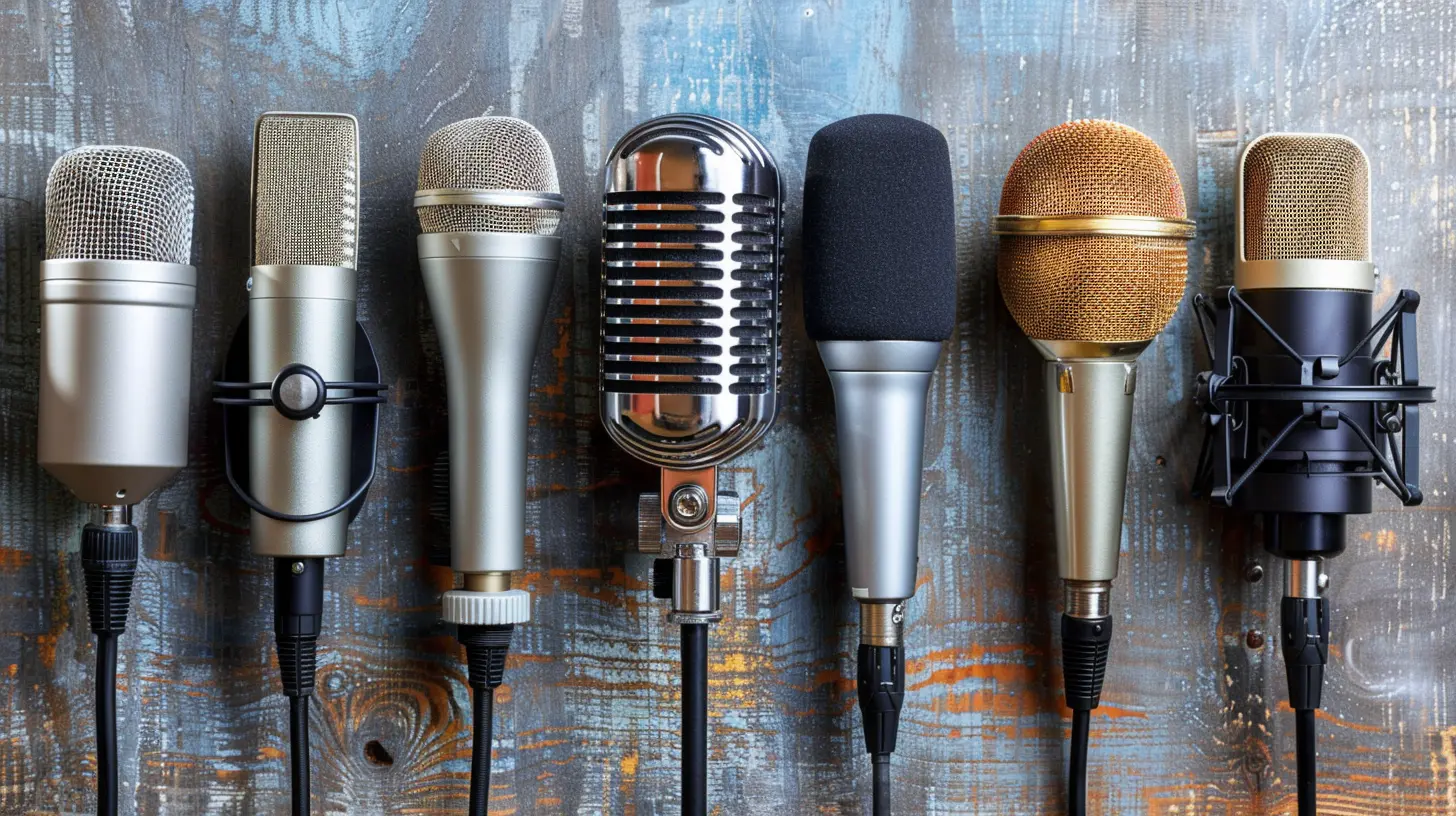
The Top Microphones for Streamers and Podcasters
Alright, enough theory — let’s get into the good stuff. Here are some of the best microphones on the market right now, depending on your needs, experience, and budget.1. Blue Yeti – The Iconic Entry-Level Champ
If you’ve watched a streamer or podcaster in the last decade, chances are you’ve seen (and heard) the Blue Yeti. There’s a reason it's the go-to mic for beginners.- Type: USB
- Polar Patterns: Cardioid, Bidirectional, Omnidirectional, Stereo
- Best For: Beginners, casual streamers and podcasters
Pros:
- Plug-and-play simplicity
- Solid audio for the price
- Multiple pickup patterns
- Onboard mute button and gain control
Cons:
- Bulky design
- Picks up background noise easily in the wrong setting
It’s versatile, affordable, and easy to use. What’s not to like?
2. Shure SM7B – The Gold Standard
This mic is basically the holy grail for serious podcasters and streamers. The SM7B is known for its warm, rich sound and incredible noise rejection.- Type: XLR
- Polar Pattern: Cardioid
- Best For: Professional creators, studios, noisy environments
Pros:
- Broadcast-quality sound
- Great at blocking background noise
- Robust and durable
Cons:
- Requires an audio interface and possibly a Cloudlifter
- Expensive
If you're ready to take your audio game to a professional level, the SM7B is worth every penny.
3. Elgato Wave:3 – Built for Streamers
Elgato knows streamers, and the Wave:3 is designed with them in mind. With built-in digital mixing software and a sleek design, it's a USB mic that punches above its weight.- Type: USB
- Polar Pattern: Cardioid
- Best For: Streamers who want control and convenience
Pros:
- Excellent sound quality for a USB mic
- Wave Link software gives you control over audio sources
- Clipguard tech prevents distortion
Cons:
- No multi-pattern recording
- Only cardioid pickup
This mic is a streamer’s dream. Easy setup, great control, and quality sound.
4. Audio-Technica AT2020 – Budget-Friendly Pro Sound
Audio-Technica is a trusted name in audio, and the AT2020 is a solid choice for creators who want serious sound without emptying their wallets.- Type: XLR (USB version also available)
- Polar Pattern: Cardioid
- Best For: Beginners to intermediate creators looking for pro-quality audio
Pros:
- Clear, crisp sound
- Durable construction
- Affordable
Cons:
- No onboard controls
- USB version lacks advanced features
This mic strikes a sweet balance between price and performance. If you’re upgrading from a webcam mic or headset, it’s a game-changer.
5. Rode NT1-A – Crystal-Clear Clarity
The Rode NT1-A is often praised for its incredibly low self-noise — meaning you won't hear that annoying hum or hiss in your recordings.- Type: XLR
- Polar Pattern: Cardioid
- Best For: Podcasters, voice actors, YouTubers
Pros:
- Ultra-low self-noise
- Comes with shock mount and pop filter
- Smooth and detailed sound
Cons:
- Needs an audio interface
- Sensitive to loud environments
If your setup is quiet and you care about vocal clarity, this mic is a beast.
6. Samson Q2U – Best of Both Worlds
Can’t decide between USB and XLR? The Samson Q2U gives you both, so you can start small and upgrade your gear later without switching mics.- Type: USB/XLR hybrid
- Polar Pattern: Cardioid
- Best For: New podcasters, portable setups
Pros:
- Dual connectivity
- Solid build
- Comes with accessories (stand, cables, windscreen)
Cons:
- Audio not as refined as pricier mics
- Plastic construction feels cheap
It’s a solid starter mic that grows with you. What’s not to love?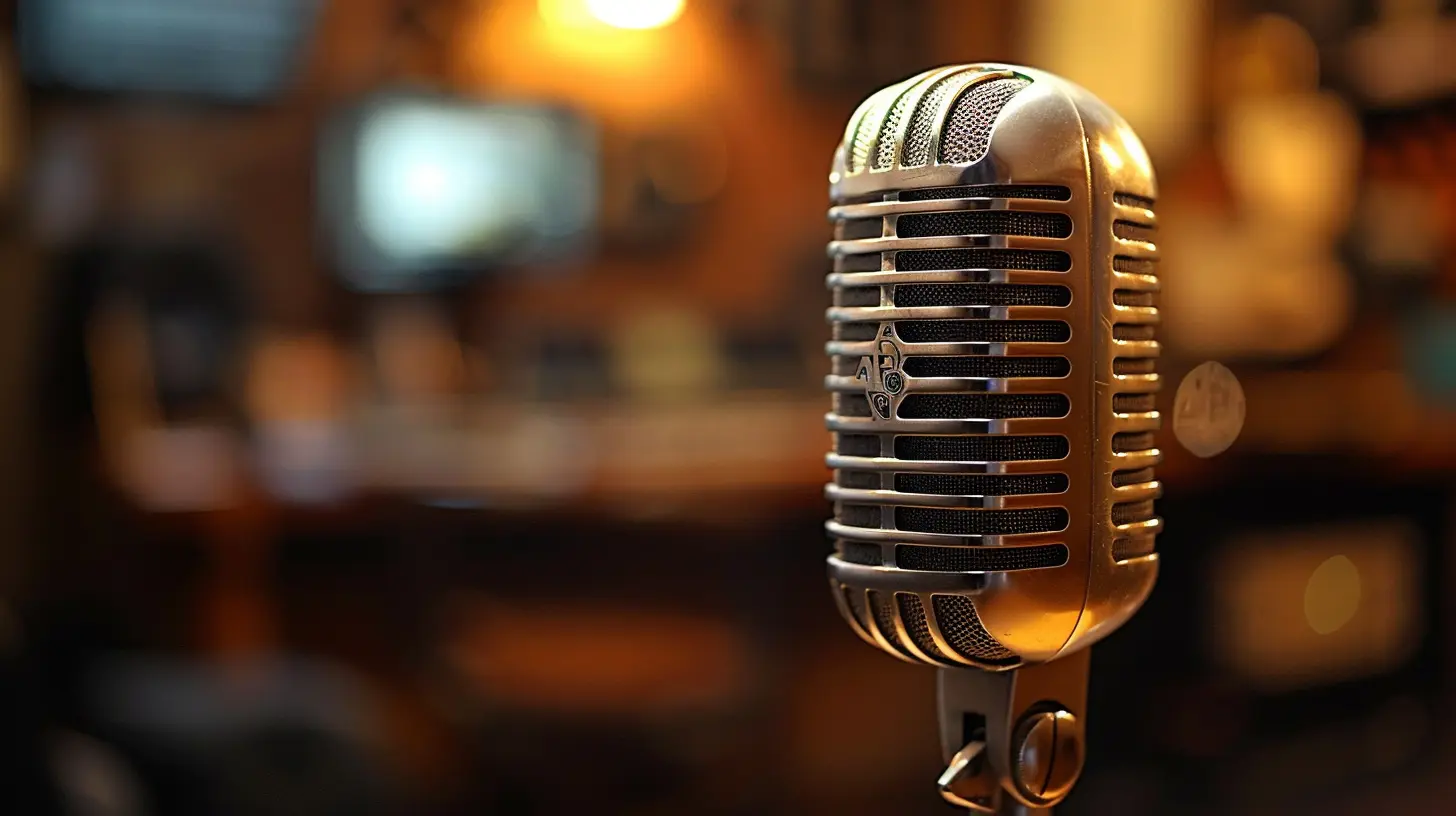
A Few Must-Have Accessories
Your mic's only part of the puzzle. Want to sound even better? Consider these add-ons:- Pop Filter – Cuts down harsh "P" and "S" sounds.
- Shock Mount – Reduces vibrations from desk bumps.
- Boom Arm – Keeps your mic off the desk and close to your mouth.
- Audio Interface – Essential for XLR mics. Converts analog to digital.
- Acoustic Treatment – Foam panels or a quiet room help cut echo and background noise.
These extras might seem small, but they make a noticeable difference.
Tips for Better Audio (Even With a Cheap Mic)
Can’t afford a top-tier mic yet? No worries. Here are some quick hacks to level-up your sound:- Record in a small, quiet room
- Speak directly into your mic (but not too close — 6–10 inches max)
- Use free noise reduction software like Audacity or NVIDIA Broadcast
- Avoid typing, tapping, or clicking during recordings
- Keep your gain levels balanced — too high and you'll peak, too low and you'll vanish
Final Thoughts
So there you have it — a full run-down of the best microphones for streamers and podcasters. The truth is, there’s no one-size-fits-all. The perfect mic depends on your setup, your budget, and how serious you are about audio.Just remember: Great audio doesn’t require a Hollywood budget. Even entry-level mics today can sound amazing with the right settings and environment. Start with what you can afford, learn the ropes, and upgrade as you grow.
Your voice is your brand. Treat it like it matters — because it does.
all images in this post were generated using AI tools
Category:
Hardware ReviewsAuthor:

Pascal Jennings
Discussion
rate this article
2 comments
Ivy Dillon
Unlock the power of your voice; the right microphone can change everything. What secrets await?
April 1, 2026 at 3:30 AM
Pascal Jennings
Absolutely! The right microphone can elevate your sound quality and enhance your message. Let's dive into the top choices for streamers and podcasters.
Isabella King
Finding the right microphone is crucial for streamers and podcasters. This article offers valuable insights into top options, emphasizing sound quality and usability, ensuring creators can engage their audience effectively and professionally.
March 30, 2026 at 2:45 PM
Pascal Jennings
Thanks for your thoughts! I aimed to highlight the importance of sound quality and usability for creators. Glad you found it valuable!