The Evolution of Competitive Gaming Leagues
30 June 2026
Gaming has come a long way. What started as casual couch battles between friends has evolved into massive, sold-out arenas filled with roaring fans, multi-million-dollar prize pools, and global live-streaming broadcasts. If you've ever watched pro gamers compete and thought, “How did we get here?” — you’re not alone.
Let’s take a deeper dive into how competitive gaming leagues, or what most people now call "esports," have evolved from basement LAN parties to billion-dollar industries. Buckle up—this journey is as epic as any boss fight.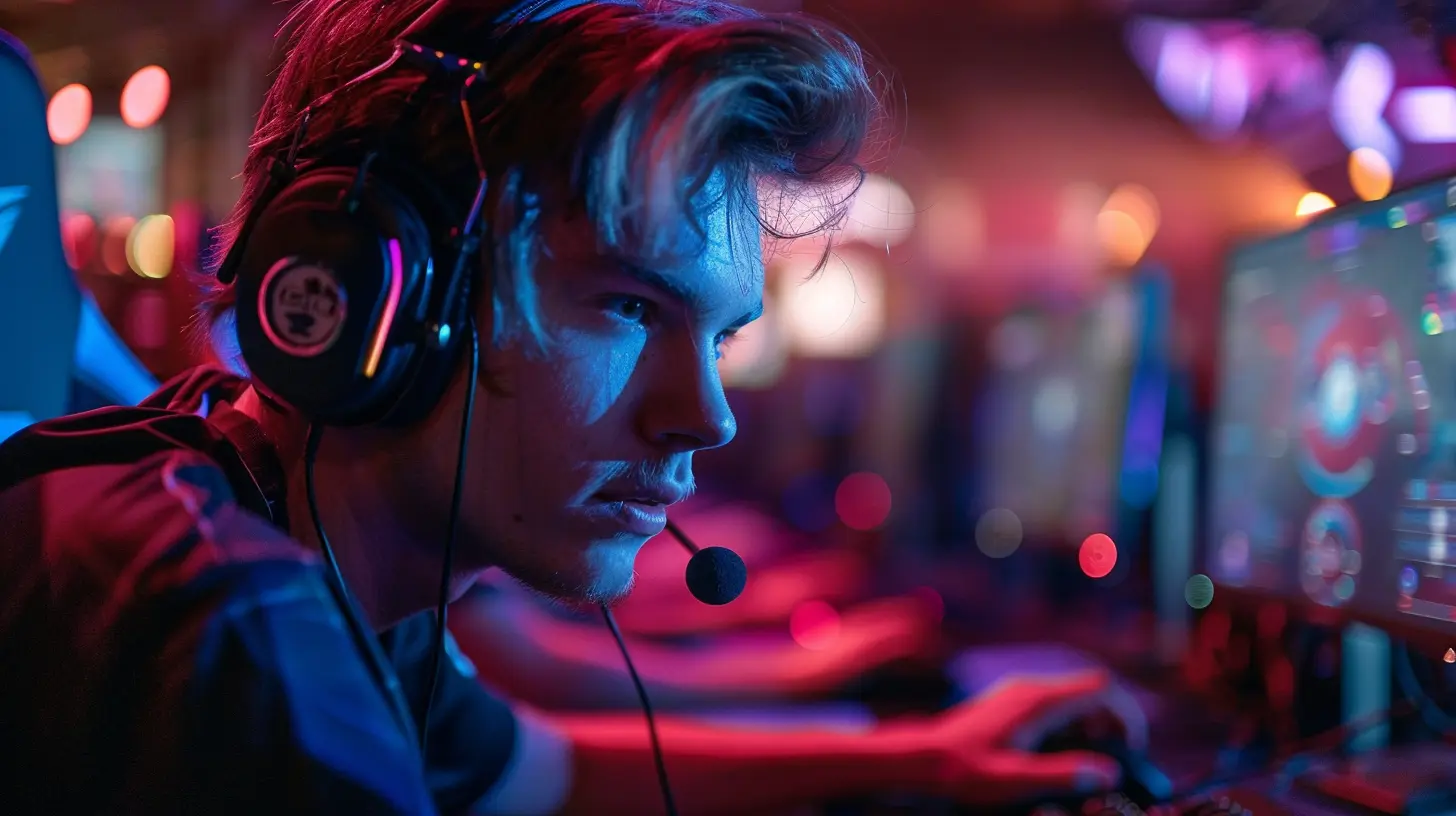
The Humble Beginnings of Competitive Gaming
It all started with pixels and passion.Before there were esports leagues, there were arcade high scores. Remember Space Invaders? Back in 1980, Atari held the first large-scale video game competition for Space Invaders, attracting over 10,000 participants. That was a big deal back then—in fact, it’s considered the spark that ignited organized gaming.
Fast forward to the 90s, when PCs and home consoles became more widespread. People didn’t need a pocketful of quarters anymore; they could just boot up their machines and play for hours. LAN parties became the breeding ground for competitive gaming. Games like Quake, StarCraft, and Counter-Strike brought people together—and not just for bragging rights, but for real competition.
Were these leagues back then? Not quite. But they laid the groundwork.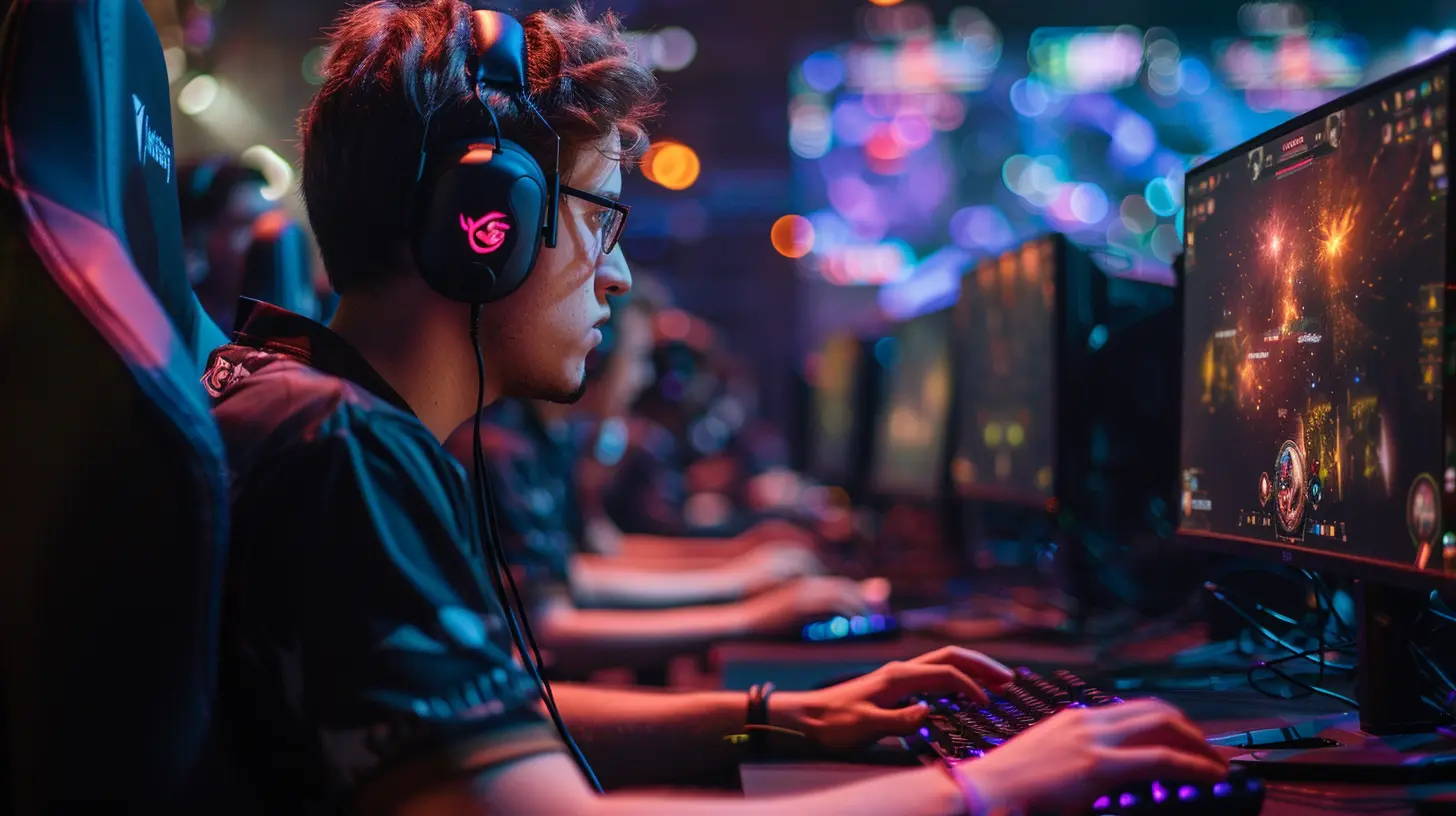
Enter the Early Leagues: The Foundational Years
By the late 90s and early 2000s, the concept of competitive leagues started taking shape.Organizations like the Cyberathlete Professional League (CPL), World Cyber Games (WCG), and Major League Gaming (MLG) gave structure to what had previously been scattered tournaments. Imagine them as the early blueprints for today’s polished esports ecosystems.
Let’s highlight a few of these trailblazers:
- CPL (1997): Often credited as the first real pro gaming league. CPL gave players contracts, organized global tournaments, and started treating gaming like a real sport.
- WCG (2000): Dubbed the “Olympics of gaming,” it attracted international players and teams. Fun fact: they gave out national uniforms!
- MLG (2002): The first league to bring console-based games like Halo into the competitive spotlight. MLG truly helped legitimize console esports.
These leagues didn't just create matches—they created stars. This period was where esports personalities began to shine, and competitive gaming started inching into mainstream awareness.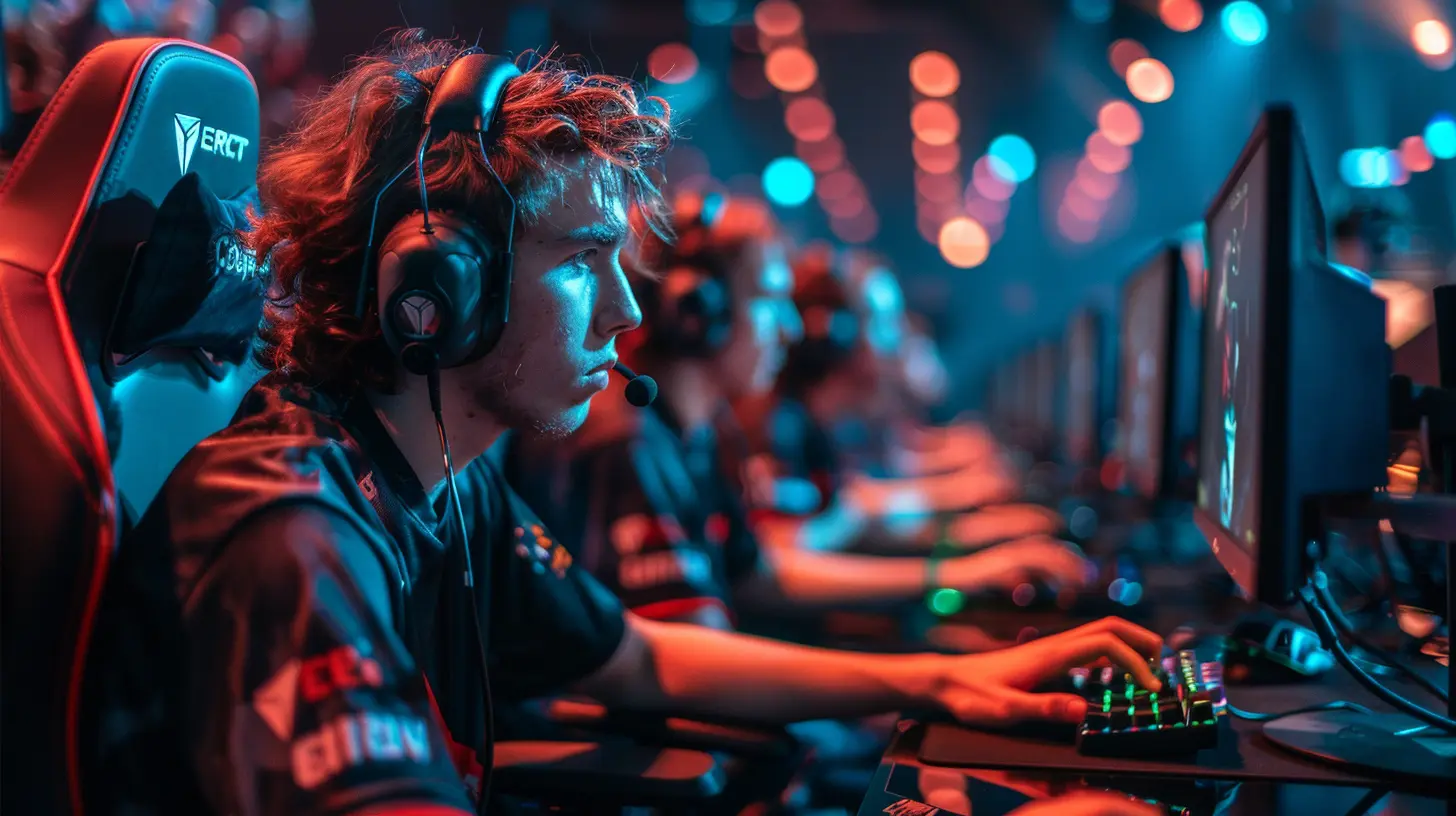
Live Streaming Changed Everything
Remember when you'd crowd around a chunky monitor to watch your buddy play?Now, millions can tune in from across the globe—thanks to live streaming.
When platforms like YouTube and, more importantly, Twitch launched, they democratized viewership. Suddenly, it wasn’t just about watching a final match on DVD or reading about it in a forum. You could now follow your favorite players live, chat with other fans in real time, and even get coaching tips by watching the best of the best.
This one innovation didn’t just grow leagues—it exploded them. Gamers became influencers. Viewers became fans. And advertisers took note.
The Rise of Developer-Backed Leagues
Now we’re getting into the big leagues—literally.Game developers saw what independent organizers were doing and thought, “Why not run the show ourselves?” That’s when developer-backed leagues really shifted the esports landscape.
League of Legends Championship Series (LCS)
Riot Games made a bold move by setting up its own league. Teams got regular seasons, salaries, and a structured format. It wasn’t just about one-off tournaments anymore—it was about long-term investment and storytelling.Suddenly, fans could root for their team across seasons, like traditional sports. Think of it as the NFL of video games.
Dota 2’s The International
Valve took a different approach—one that made jaws drop. With its revolutionary crowdfunding system via the Battle Pass, Dota 2’s The International broke prize pool records every year. In 2021, that pool hit over $40 million. That’s more than some traditional sports tournaments pay.Overwatch League & Call of Duty League
Blizzard followed suit by introducing franchised leagues with city-based teams. Yep, now esports had hometown pride. You could root for the Dallas Fuel just like you’d cheer on the Dallas Cowboys. This made esports even more accessible to mainstream audiences.These developer-run leagues brought professionalism, stability, and massive exposure to the scene.
Esports Becomes a Career
Once upon a time, telling your parents you wanted to be a pro gamer would earn you a disapproving glare (or at least a nervous chuckle).Today? It’s a legit career choice. Top players earn six or even seven figures. Streamers have brand deals, merch lines, and sponsorships that rival celebrities.
And it’s not just the players. Behind the scenes, there are coaches, analysts, event organizers, journalists, marketers, and even nutritionists who help keep esports organizations running smoothly.
Competitive gaming leagues have become an industry.
The Role of Sponsorship and Big Business
Let’s face it—money talks.And when esports leagues began drawing in millions of viewers, advertisers saw dollar signs. Brands like Red Bull, Intel, Nike, and even Louis Vuitton jumped in. Sponsorship revenue started fueling the ecosystem.
Leagues used this money to offer better production value, pay players more, and create deeper fan engagement. Imagine Super Bowl-level graphics and intros for esports—it’s happening now.
Plus, traditional sports teams started buying into esports. The Golden State Warriors and Paris Saint-Germain? Yep, they own esports squads too.
Globalization of Competitive Gaming
Esports is truly global.While North America and South Korea were early leaders, Europe, China, Brazil, and Southeast Asia have all emerged as powerhouses. Different regions have their own fan bases, metas (strategic trends), and playstyles.
This international flavor keeps leagues fresh and exciting. A Korean team might be incredibly disciplined and technical. Meanwhile, a European team could be bold and unpredictable. When they clash? Fireworks.
And the international tournaments? They’re like the World Cup of esports.
What Makes a Successful Competitive Gaming League?
So, what separates a successful gaming league from a flash-in-the-pan tournament series? It really boils down to a few key ingredients:1. Consistent Scheduling: Regular seasons and match times—just like the NFL or NBA.
2. Engaging Formats: From double-elimination brackets to best-of-five series. It’s gotta keep us on the edge of our seats.
3. Strong Storylines: Underdog victories, rivalries, redemption arcs—these narratives hook us.
4. Community Involvement: Open qualifiers, fan voting, watch parties—the more interactive, the better.
5. Player Support: Salaries, mental health resources, and professional coaching. Passion shouldn’t come at the expense of well-being.
When leagues get these right, they thrive.
The Future of Competitive Gaming Leagues
Alright, let’s put on our prediction hats.Esports isn’t slowing down. If anything, it’s just getting started. Here’s what we might see:
- Mobile Esports Expansion: Games like PUBG Mobile and Mobile Legends are huge in Asia and gaining traction globally. Don’t sleep on mobile.
- Virtual Reality Tournaments: VR could bring a whole new level of immersion. Imagine physically ducking behind cover or swinging a virtual sword.
- NFTs and Digital Collectibles: Love 'em or hate 'em, NFTs are starting to pop up in gaming. Think team-branded skins or digital tokens linked to real-world perks.
- Esports in the Olympics?: There’s ongoing debate about including esports in the actual Olympic Games. It hasn't happened yet, but the buzz is real.
- Mainstream Education & Scholarships: More universities are offering esports scholarships. It’s not just for athletics anymore.
Simply put, the future of competitive gaming leagues is bright, bold, and digital-first.
Final Thoughts
From pixelated beginnings in arcade cabinets to packed stadiums and million-dollar prizes, the evolution of competitive gaming leagues is nothing short of legendary. What used to be a niche hobby is now a spectacle that rivals the biggest sporting events in the world.And the best part? We’re living through it. Whether you’re a casual fan, a die-hard player, or someone who's just esports-curious, there’s never been a better time to get involved.
So, next time someone says gaming isn’t a real sport, just smile—and show them the trophy cabinet.
all images in this post were generated using AI tools
Category:
Gaming LeaguesAuthor:

Pascal Jennings
Discussion
rate this article
1 comments
Declan Barker
It's fascinating to see how competitive gaming leagues have transformed over the years. From small tournaments to massive global events, the growth reflects not just the games themselves but also the dedication of the community. Exciting times ahead!
June 30, 2026 at 3:17 AM
Pascal Jennings
Absolutely! The growth of competitive gaming leagues showcases the passion and commitment of the community. It's thrilling to witness this evolution firsthand.