Analyzing the Use of Shadows and Reflections in Game Art
25 October 2025
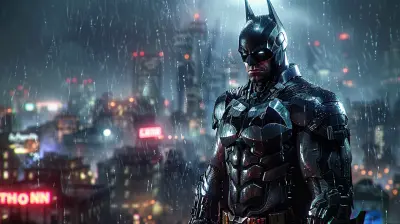
Ever stopped mid-game to just stare at a puddle? Or maybe you noticed how a flickering lamplight casts a long, eerie shadow that made your spine tingle. Whether it’s a cozy village at sunset or a cyberpunk alley shimmering with neon lights, shadows and reflections in games do more than just look pretty—they breathe life into virtual worlds.
Let’s dive deep (like pixel-deep) into the fascinating world of shadows and reflections in game art. Don’t worry, we’ll keep it fun, friendly, and packed with insight!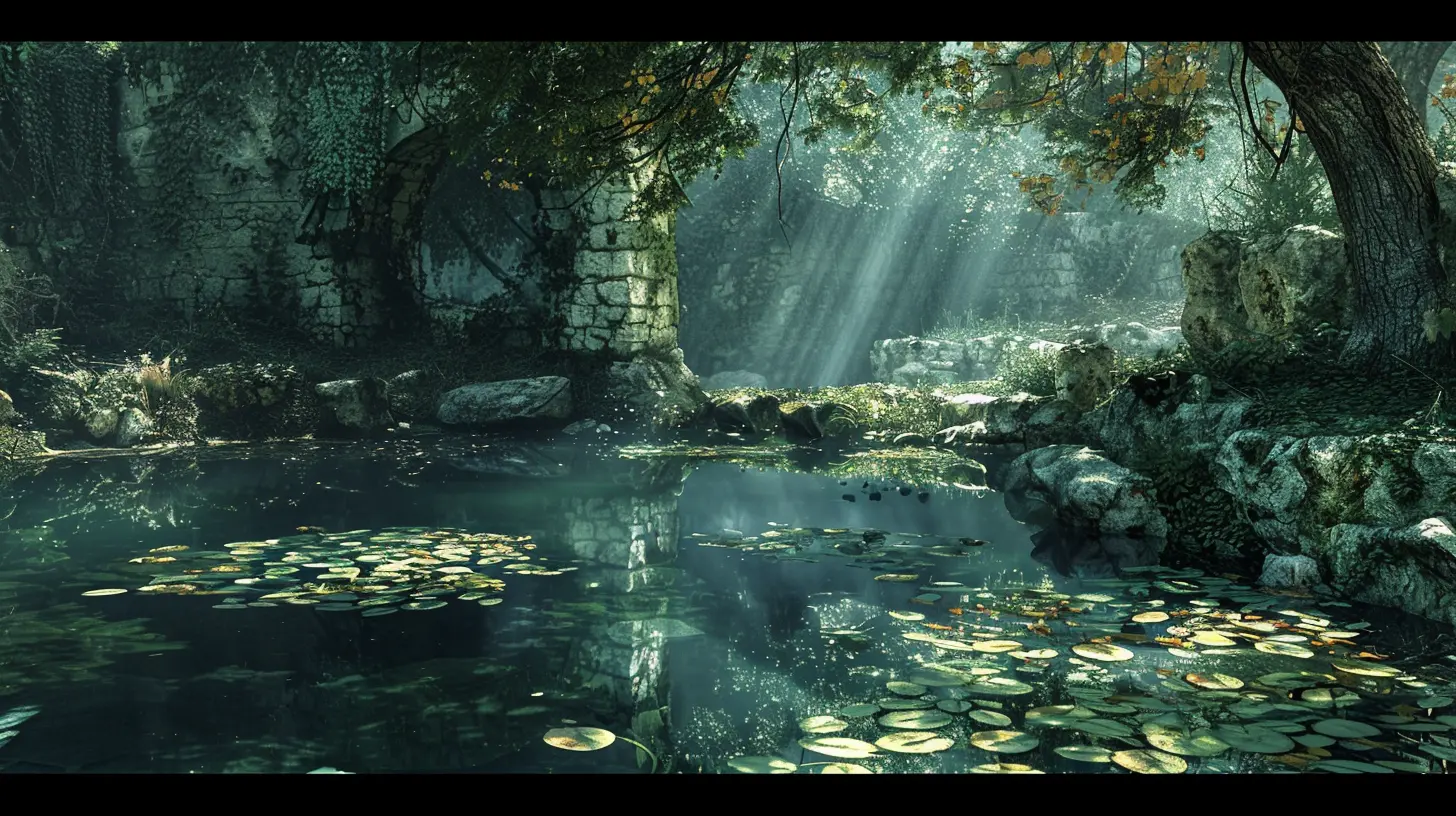
What’s the Big Deal with Shadows and Reflections, Anyway?
We’re glad you asked! Shadows and reflections are like the unsung heroes of game visuals. They sneakily make environments feel real, add mood, convey depth, and guide player focus—without shouting for attention.Think of shadows and reflections as silent storytellers. They whisper things like, “Hey, it’s late afternoon,” or “There’s something just around that dimly-lit corner…” They anchor characters to the world and add that juicy layer of immersion that makes us go, “Whoa, this feels real.”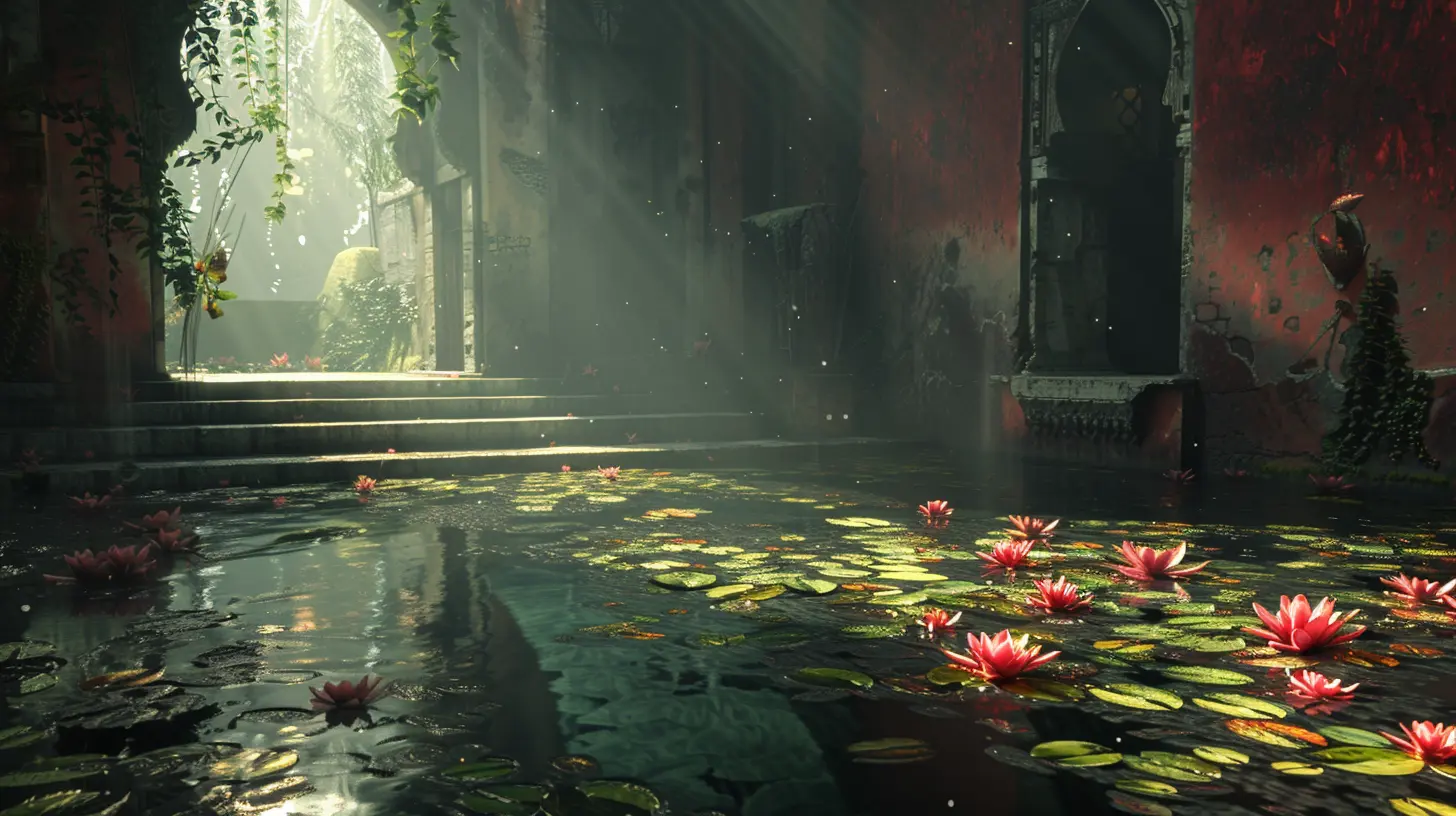
Shadows: More Than Just Dark Spots
Alright, let’s start with shadows. They’re not just blobs of darkness trailing behind your hero. Nope, they’re intricate tools artists and developers use to add drama, tension, and realism.☀️ Dynamic vs. Static Shadows
There are two main types of shadows in games: static and dynamic.- Static shadows are pre-baked into the environment. They don’t change, no matter what’s going on in the game.
- Dynamic shadows, on the other hand, change based on lighting, movement, and time of day. These are the fancy ones that bend and stretch as your character moves.
Dynamic shadows, though more resource-heavy, make a game world feel alive and reactive. Imagine sneaking through a jungle and seeing the swaying palm trees cast real-time shadows on the ground—goosebumps!
🧠 The Psychology of Shadows
Shadows affect how we feel. Yep, they can make a game feel calm and serene or make us feel like something’s lurking in the dark.In horror games like Resident Evil or Silent Hill, deep, creeping shadows crank up the suspense like a violin screech before a jump scare.
In more colorful games like The Legend of Zelda: Breath of the Wild, soft shadows at sunset give everything a warm, dreamy vibe.
So yeah, shadows? Super emotional little things.
🧰 Game Engines & Techniques
Modern game engines like Unreal Engine and Unity have tons of tools to craft stunning shadows.Some techniques include:
- Shadow Mapping: This is basically the go-to method for dynamic shadows. It involves rendering the scene from the light’s perspective to determine what areas should be lit or shadowed.
- Ambient Occlusion: A fancy term for how subtle shadows appear in creases, corners, and where surfaces meet. It adds a sense of depth and weight.
- Ray Tracing: The crème de la crème of lighting tech. It simulates how light behaves in the real world. Ray-traced shadows? Gorgeous and super realistic—but also heavy on your GPU.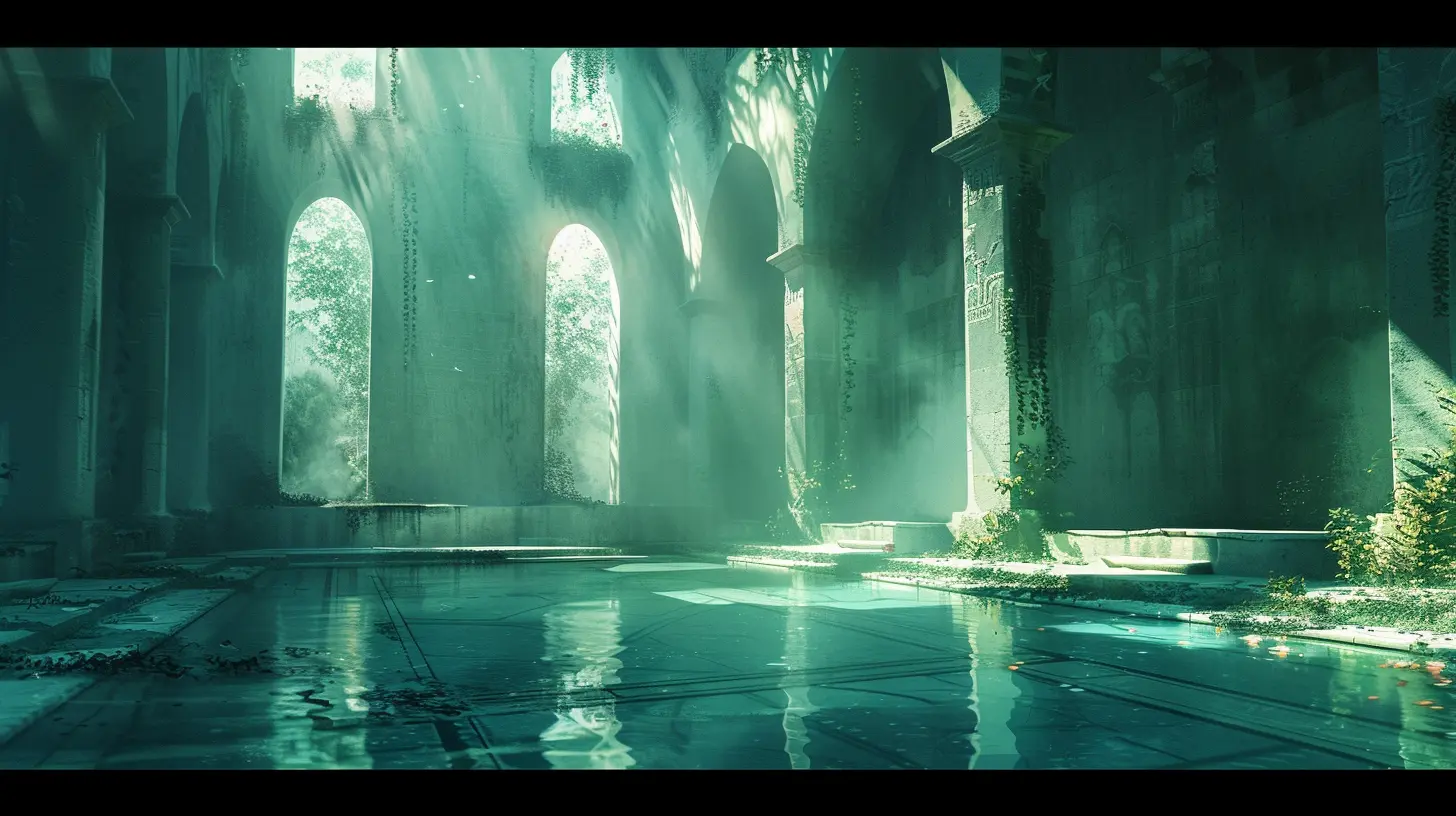
Reflections: Making Worlds Shine (Literally)
Now let’s talk about reflections—those magical surfaces that mirror parts of the world, from shiny floors to calm lakes and car windows.Reflections add realism, sure, but they also double as a design tool. They can reveal off-screen action, guide your path, or be used in puzzles (ever played Portal? Yep, reflections are brain-twisters there!).
🌊 Types of Reflections in Games
Just like shadows, not all reflections are created equal. Here are the main types used in game design:- Screen Space Reflections (SSR): A popular method that uses the pixels on your screen to simulate reflections. It's fast and efficient but comes with quirks—like missing stuff that’s off-screen.
- Cube Maps: A simpler technique that wraps a static image around reflective surfaces. Pretty, but not very accurate—think of it like wallpapering a mirror.
- Planar Reflections: Best for flat surfaces like mirrors or calm water. These render a second camera view to simulate reflections. Great visuals but can be taxing on performance.
- Ray-Traced Reflections: The high-end, Hollywood-level stuff. When done right, ray tracing makes reflections ultra-valid and breathtakingly realistic.
💡 Artistic Use of Reflections
Sure, reflections make things look shiny, but they also serve up storytelling and atmosphere. Ever noticed how reflections in Control or Cyberpunk 2077 contribute to that sci-fi, high-tech vibe?Artists often use reflections for layers of meaning—maybe a cracked mirror represents a fractured reality. Or maybe you see an enemy’s reflection before you see them. Genius, right?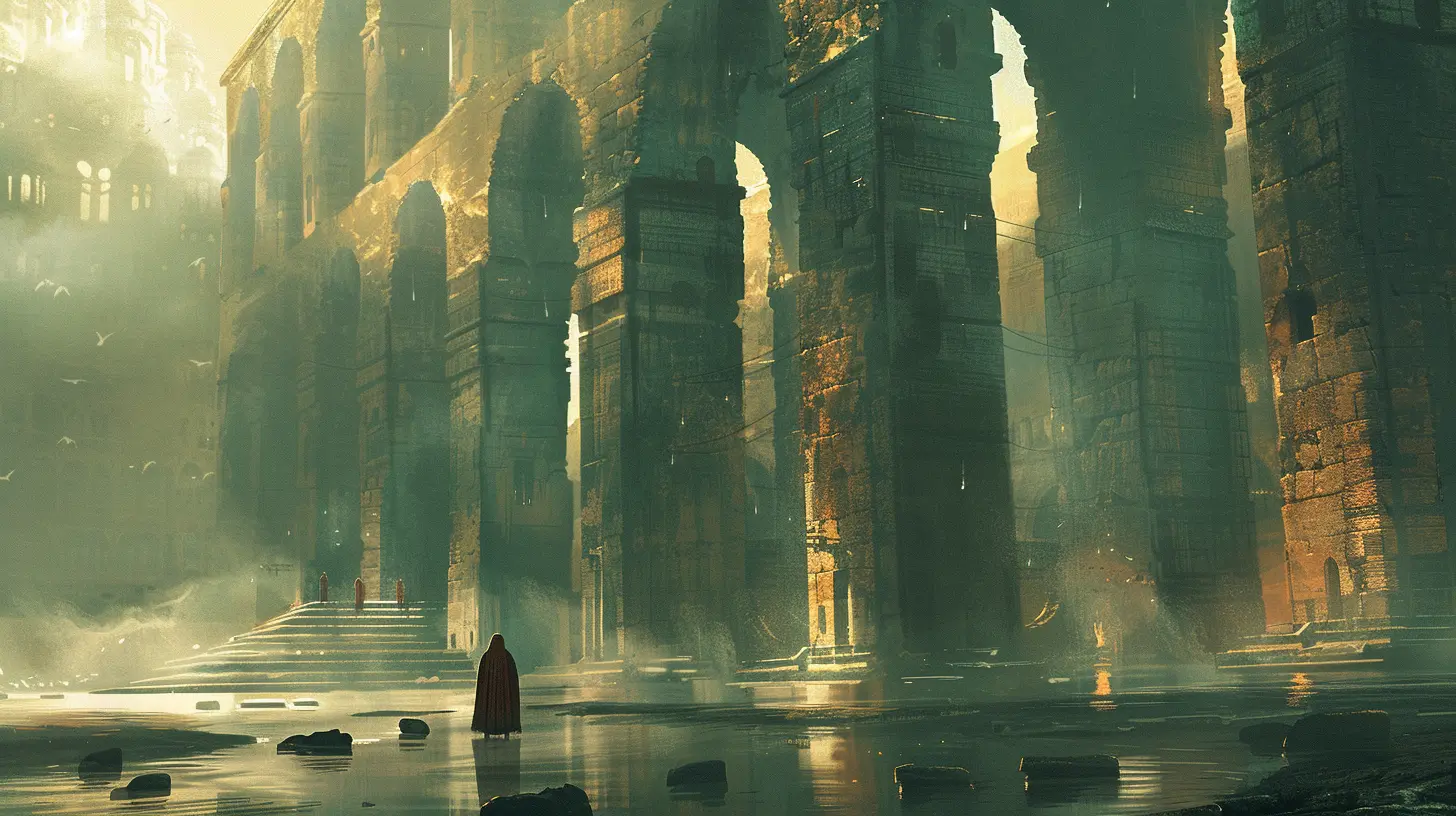
How Shadows & Reflections Boost Immersion
Let’s put it simply: you believe in the game world more when shadows and reflections behave the way you expect them to.🧠 Your Brain Notices the Details
Even if you don’t consciously register it, your brain catches the subtle clues. Shadows falling naturally, soft light bouncing off polished floors—these little visual cues help trick your brain into thinking, “this world makes sense.”For example, in Red Dead Redemption 2, the way shadows shift as clouds float by? That’s next-level immersion, and it’s why that world feels so alive.
🎭 Setting the Mood
Want to create tension? Use deep, long shadows. Want to give the feeling of polished luxury? Add shiny marble floors and smooth, clean reflections.Every visual element pulls emotional strings. Smart use of light, shadow, and reflection helps developers play your emotions like a piano.
Style Over Realism: When Shadows & Reflections Go Artistic
Not every game wants to look ultra-realistic. And that’s okay! Sometimes it’s about being stylized, playful, or abstract.🎨 Cartoony and Stylized Games
Take Hades or The Legend of Zelda: Wind Waker. These games use shadows more like bold graphic strokes than realistic lighting effects. It’s all about flair and mood, not physics.Stylized reflections can also be exaggerated or simplified. In some games, you might see reflections that don’t actually follow mirror logic, but still look cool as heck. And sometimes? That’s more important.
🧩 Puzzle and Mechanic Integration
Reflections aren’t just eye candy—they’re part of the gameplay! Think about games like The Talos Principle or Antichamber, where reflections are core mechanics that challenge how you perceive the space.It’s a beautiful example of form meeting function.
The Challenges and Trade-offs
With great visuals comes great responsibility… for your graphics card. Creating lifelike shadows and reflections can be super demanding on performance.💻 Performance vs. Pretty
Developers always have to balance beauty with function. Real-time dynamic shadows and ray-traced reflections look amazing but require serious hardware muscle.That’s why many games offer settings so players can choose between high-fidelity visuals or smoother performance. Some even let you toggle shadow quality or reflective detail.
🛠 Optimization Tricks
Game artists and engineers pull some clever tricks to keep performance smooth:- Baking shadows into textures
- Using lower-res reflections for distant surfaces
- Activating high-quality effects only when the player is close
It’s all part of the magic behind the scenes.
The Future Looks Bright (and Reflective)
As tech advances, shadows and reflections are only going to get better—and more important to visual storytelling.⚙️ Ray Tracing and the Next Generation
With hardware like NVIDIA’s RTX and AMD’s Radeon RX pushing ray tracing, we’re entering a golden age of lighting in games. Expect jaw-droppingly realistic visuals in future titles.Games like Cyberpunk 2077, Metro Exodus, and Minecraft RTX already give us a glimpse of what’s possible when shadows and reflections get the royal treatment.
🧑🎨 Empowering Artists
As tools become more accessible, even indie developers can start using advanced lighting techniques. That means more unique, stylized, and experimental visuals on the horizon.And let’s be real—when artists and tech come together, magic happens.
Wrapping It Up: Shadows and Reflections Matter More Than You Think
Next time you boot up a game, take a sec to notice how light plays across the world. Watch how shadows fall and how reflections dazzle. They're not just technical fluff—they're essential to the emotional and immersive punch of the game.Whether it’s guiding the player, telling a story, or just making a hallway look ominously cool, shadows and reflections are the unsung MVPs of game art. So here’s to the artists and devs who shape light and dark into unforgettable adventures. Game on, and don’t forget to look around—you might just see a masterpiece in a puddle.
all images in this post were generated using AI tools
Category:
Game GraphicsAuthor:

Pascal Jennings
Discussion
rate this article
1 comments
Bryce Wade
Who knew shadows and reflections could steal the spotlight? It’s like the game art equivalent of a dramatic entrance at a party—everyone's dazzled, but no one knows how they pulled it off. Let's dive into this shadowy world where even reflections have a story to tell!
October 27, 2025 at 5:34 PM
Pascal Jennings
Absolutely! Shadows and reflections add depth and intrigue, transforming game art into a captivating narrative. They truly enhance the immersive experience!