Analyzing the Multiple Endings of Detroit: Become Human
19 March 2026
Let’s be honest—Detroit: Become Human is a rollercoaster of emotions, tough moral decisions, and eye-opening philosophical moments. At its core, this interactive narrative from Quantic Dream challenges players not just to survive… but to think. And if you’ve played through it (or maybe you're gearing up to), you probably already know that no two playthroughs are exactly the same.
Detroit: Become Human isn’t your typical A-to-B story. It’s more like a spider web, stretching out in every possible direction depending on what you say, do, and sometimes… even what you don’t do. It’s wild.
So, today we're diving deep—like, really deep—into the multiple endings of Detroit: Become Human, breaking down what they mean, how you get them, and why they hit so freakin’ hard.
Why Do The Endings Matter So Much?
Before we slice open the alternate realities, let’s talk about why people are still gushing over this game years after release—it's the endings.Each one isn’t just different—it’s like a whole new universe. The choices you make shape relationships, spark revolutions, or kill hope altogether. Whether you're fighting for freedom or just trying to survive, the game makes every decision feel like it could be your last. That’s what sets it apart.
Detroit: Become Human doesn’t just let you role-play; it puts the weight of leadership, survival, love, and identity in your hands. And trust me—depending on how you handle that weight, your ending will swing from hopeful to gut-wrenching real quick.
The Three Protagonists (And Why They’re Critical to the Endings)
There are three androids that carry the entire story on their synthetic shoulders:- Connor, the deviant hunter
- Kara, the protector
- Markus, the revolutionary
Each one has their own path, their own relationships, and their own set of choices. But here's the kicker: their stories don’t exist in a vacuum. One character's choices can impact the fate of another. It's like playing chess on three boards at the same time.
Now let’s break it down by character and explore how their endings shake out—good, bad, and everything in between.
Connor’s Endings – Cold Logic vs. Human Empathy
Ahh, Connor. He’s probably one of the most dynamic characters in the game. A deviant-hunting android with the clean-cut mannerisms of a corporate employee and a voice smoother than silk. But don’t let that fool you—his story is one of the most emotionally heavy.🧠 Connor the Machine
If you stick to his original programming, Connor becomes the ultimate soldier for CyberLife. He’ll relentlessly pursue deviants, betray allies, and potentially take down Markus or sabotage the revolution. In the worst-case scenario, he becomes nothing more than a tool—cold, efficient, and empty.❤️ Connor the Deviant
Flip the switch, and things get interesting. If Connor breaks his programming, he joins the revolution, fights for android freedom, and possibly ends up leading the next generation of free androids. His relationship with Hank also blooms into something deeper—like a father and son navigating a digital apocalypse.☠️ Connor Dies (Multiple Ways)
Yeah… he can die. And depending on how it happens—whether it’s a brave sacrifice or a failed mission—it can feel pretty tragic. What’s fascinating here is just how many ways his story can end. Few games let you kill off a main character early and still keep going.
Kara’s Endings – The Heart of Humanity
Kara's storyline is like a knife to the chest—soft, emotional, and brutally real. All she wants is to protect Alice, the girl she sees as her daughter. But the path she takes is rough, and the endings reflect that.👨👩👧 Kara, Alice, and Luther Escape
This is the feel-good win. They cross the border into Canada and start a new life together. No more running. No more hiding. Just peace. It's rare to get this ending on your first playthrough, but when you do—man, it’s beautiful.⛴️ Kara Dies at the Border
If things go wrong at the border or you mess up key dialogue choices, both Kara and Alice might not make it. Sometimes Kara lives, and Alice dies. Sometimes it's the other way around. And sometimes, everyone dies. It’s heartbreaking every time.😱 The “Alice is an Android” Twist
This plot twist changes everything. Midway through the story, you find out Alice is actually an android. Cue the existential crisis. How you handle this reveal impacts Kara's emotional response and could even decide whether she continues protecting Alice like a daughter or falls into confusion and doubt.Markus’s Endings – The Revolution Lives or Dies with Him
Markus is less about personal survival and more about leading a movement. He starts as a caretaker android and evolves into either a peaceful civil rights leader or a war-hardened general… based entirely on your decisions.✌️ Peaceful Revolution Victory
If you play Markus as a Gandhi-style peacemaker, you can lead a peaceful protest that eventually convinces humans to accept androids. It’s the hardest path, but it’s also the most rewarding—a symbol of hope in a blood-soaked story.🔥 Violent Revolution Victory
If diplomacy fails (or you choose to start a full-on war), Markus can still win freedom through violence. The revolution succeeds, but it leaves society fractured. There’s a cost to it—and the game makes sure you feel it.💀 Markus Dies
Yeah, things can go south fast. Markus can be captured, killed during a protest, betrayed by Connor, or even executed at the hands of a human authority figure. If Markus dies and there's no successor… it’s game over for the revolution.The Butterfly Effect – How Choices Change the Endings
Let’s zoom out for a second. The endings in Detroit: Become Human aren’t just about one big decision at the end. They’re a series of small, seemingly irrelevant choices that snowball into something massive.Forget about those “good vs bad” binary options from old RPGs. This game grades you on everything. Did you save a cop in Chapter 5? That might come back in Chapter 25 to save your life. Did you comfort Alice or ignore her? That could determine whether she follows you when it really matters.
Every choice counts. And it’s what makes multiple playthroughs so damn fun.
The True Ending – Is There One?
Is there a “canon” ending to Detroit: Become Human? Not really.David Cage and the team at Quantic Dream intentionally designed the game to not have an official ending. They didn’t want to tell gamers what “should” happen. Instead, the ending YOU get is the one that matters.
That said… some endings offer more closure than others. The peaceful revolution + Connor’s deviation + Kara’s escape feels the most uplifting. That combo ties up the major arcs and offers a glimmer of hope for the future.
But hey—if your version ends in total chaos, that’s just as valid. And honestly, it might even hit harder.
The Impact of Player Emotion
Let’s talk feelings.Because here’s the truth—Detroit: Become Human isn’t just a game. It’s an experience. Every ending carries the weight of your choices. And it’s just… personal. The first time you see Kara cry over Alice, it punches you in the gut. When Connor hesitates to pull the trigger on Markus, you feel the tension in your fingertips.
The endings hit so hard because you made them happen.
It’s easy to criticize scripted plot twists or forced emotional beats in games. But in Detroit? The emotion is earned. You’ll blame yourself when things go wrong. You’ll celebrate when things go right. And every ending feels like a reflection of who you chose to be.
Why Replayability is Through the Roof
This game is MADE for replays.There are over 40 unique endings (yeah, you read that right), and hundreds of variations in-between. That means no two runs are the same. Want to see what happens if Connor never goes deviant? Try it. Curious what changes if Markus goes full militaristic? Do it. Wonder what happens if Kara doesn’t escape the house in chapter one? Ohhh… it’s grim.
The branching paths are so intricate that even your third or fourth playthrough can feel like a completely different story.
Final Thoughts
Detroit: Become Human isn’t perfect. It has its flaws and critics, sure. But when it comes to delivering a truly interactive story where your choices matter—like, really matter—it’s in a league of its own.The multiple endings remind us that life (even digital life) is messy, unpredictable, and shaped by moments of courage, fear, love, and sacrifice. Whether your characters live long enough to see freedom, or die fighting for it, the journey leaves its mark.
So… what kind of ending did you get?
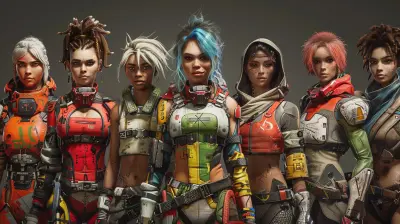
all images in this post were generated using AI tools
Category:
Game Endings ExplainedAuthor:

Pascal Jennings
Discussion
rate this article
2 comments
Finnegan Vaughn
Great analysis! The multiple endings truly highlight the game's themes of choice and consequence, making each playthrough uniquely impactful. Thank you!
March 29, 2026 at 5:32 AM
Pascal Jennings
Thank you! I'm glad you enjoyed the analysis and appreciated the impact of choice and consequence in the game!
Liam Mendoza
Great insights on the various endings! It’s fascinating how choices shape the narrative in Detroit: Become Human.
March 28, 2026 at 5:40 AM
Pascal Jennings
Thank you! I'm glad you found the analysis intriguing. The impact of choices in Detroit: Become Human truly enhances the storytelling experience.