The Future of Wireless Gaming Mice: Are They Ready for Competitive Play?
2 February 2026
Wireless gaming mice have come a long way, haven’t they? Remember when wireless meant laggy, heavy, and unreliable? They were like the slow kid running last in a relay race – always a step behind their wired counterparts. But fast-forward to today, and the game has changed. Wireless gaming mice are no longer the underdogs. In fact, they’re starting to make serious waves in the competitive gaming scene. But are they truly ready for prime time? Let’s dive into it.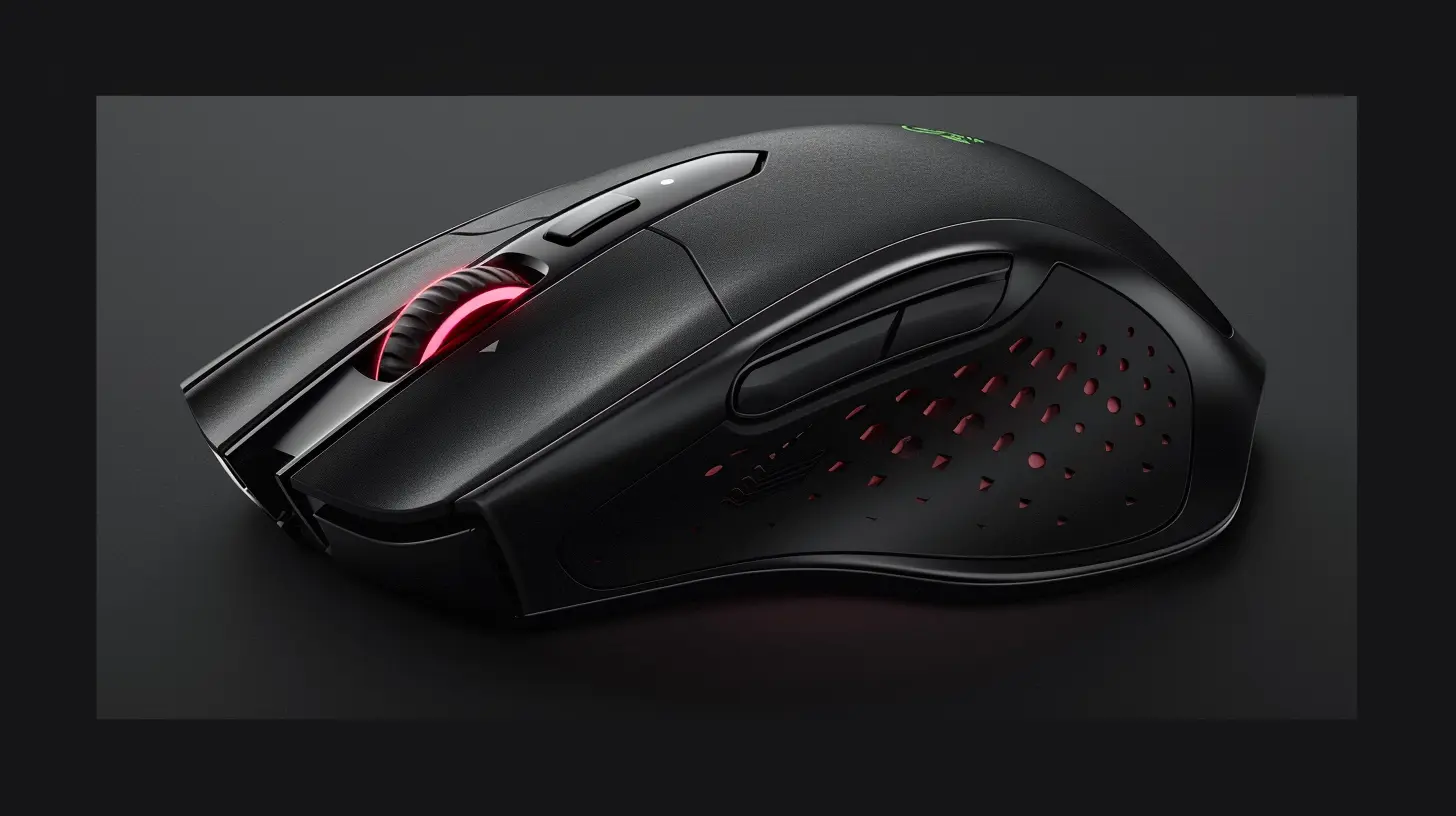
Wireless Tech: From Laughable to Legit
First, let’s address the elephant in the room – lag. Once upon a time, it was the bane of wireless mice. Gamers wouldn’t touch them with a ten-foot pole because of input delays and connection drops. It’s like trying to play a fast-paced FPS with dial-up internet – frustrating, to say the least.But thanks to advancements in technology, those days are behind us. Modern wireless mice now use 2.4GHz connections, Bluetooth, and even proprietary wireless technologies to ensure a rock-solid connection. Companies like Logitech, Razer, and SteelSeries have invested heavily in optimizing these signals. It’s like upgrading from an old flip phone to the latest smartphone – a whole different ball game.
For instance, Logitech’s LIGHTSPEED technology boasts a 1ms report rate, putting it on par with wired mice. Similarly, Razer’s HyperSpeed Wireless tech reduces interference and ensures a lightning-fast response time. These advancements mean latency is virtually non-existent, even during intense competitive play. So, yeah, the whole "wireless is laggy" argument? That’s a relic of the past.
Batteries: The Double-Edged Sword
Let’s talk about the other big sticking point – batteries. Wireless gaming mice have to be powered somehow, and that usually means either replaceable batteries or built-in rechargeables. But is this really a deal-breaker?Modern wireless gaming mice have tackled this issue head-on. Battery life has improved significantly, with top-tier models offering 70+ hours on a single charge. That’s like binge-watching an entire series on Netflix without needing a recharge.
And for those of us who always forget to charge our devices? There’s the brilliant innovation of wireless charging docks and mouse pads. Imagine this: you’re gaming, your mouse rests on a charging mouse pad, and it never dies on you. It’s like having a car that refuels itself while you drive – pure convenience.
Of course, replaceable batteries still exist, but they’re becoming less common. Rechargeable options are more sustainable and user-friendly. So, while battery life was once a thorn in the side of wireless mice, it’s now more of a minor inconvenience, or, in some cases, a total non-issue.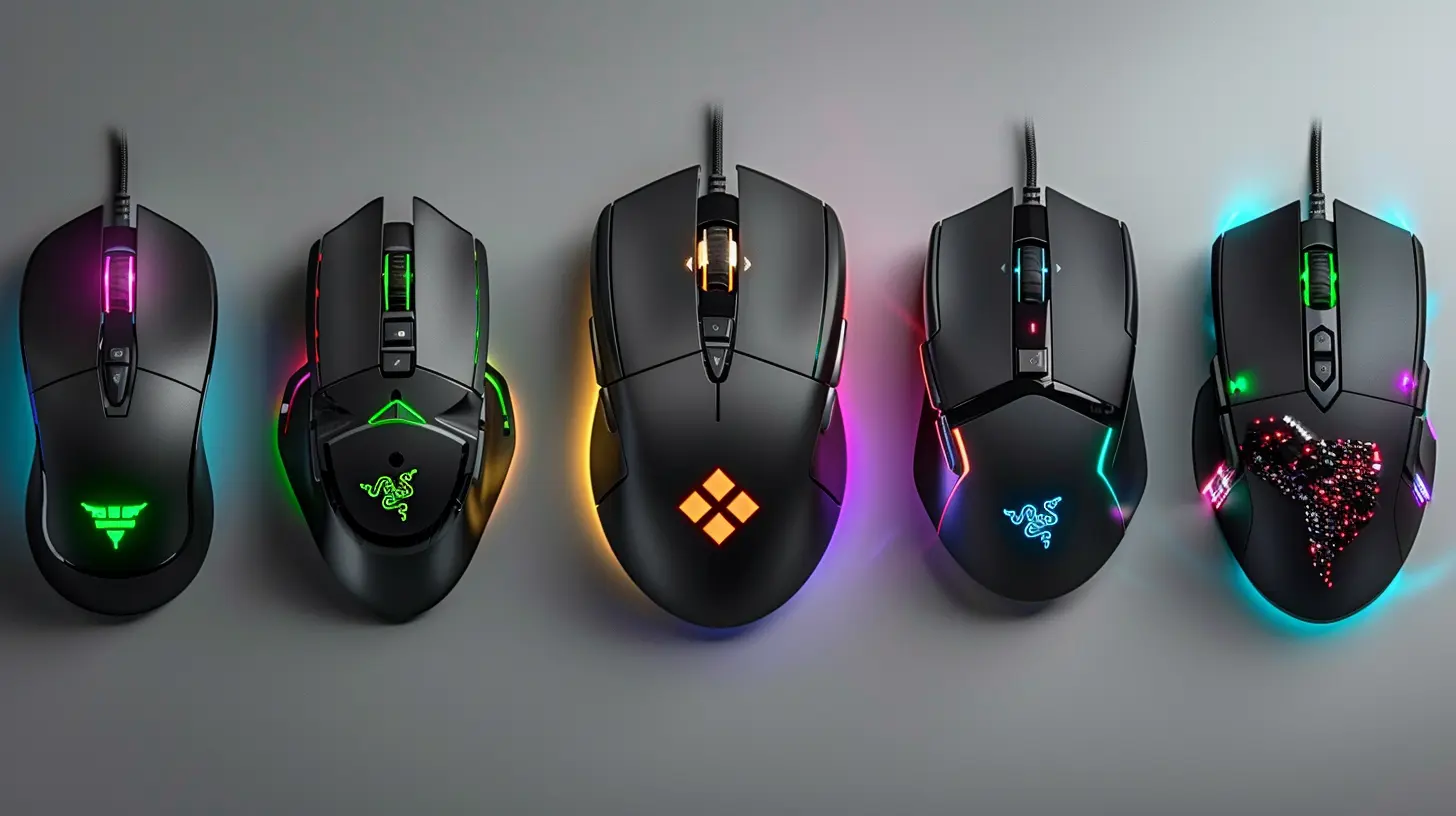
Weight and Comfort: Light as a Feather
Competitive gamers are obsessed with weight. We want our mice to feel like an extension of our hand, not a brick we’re dragging across the mouse pad. For a long time, wireless mice were heavier due to the added battery and wireless components. It’s like running a marathon with ankle weights – no thanks.But check this out: the market now offers wireless gaming mice that are just as lightweight as their wired counterparts. Mice like the Logitech G Pro X Superlight or Razer Viper Ultimate weigh in at under 65 grams. That’s lighter than a deck of cards! Manufacturers are using advanced materials and clever designs to shave off every unnecessary gram.
Plus, ergonomic designs ensure comfort for those marathon gaming sessions. Whether you’re a palm gripper, claw gripper, or fingertip wizard, there’s a wireless mouse tailored for you. The days of compromising comfort for wireless freedom? Gone.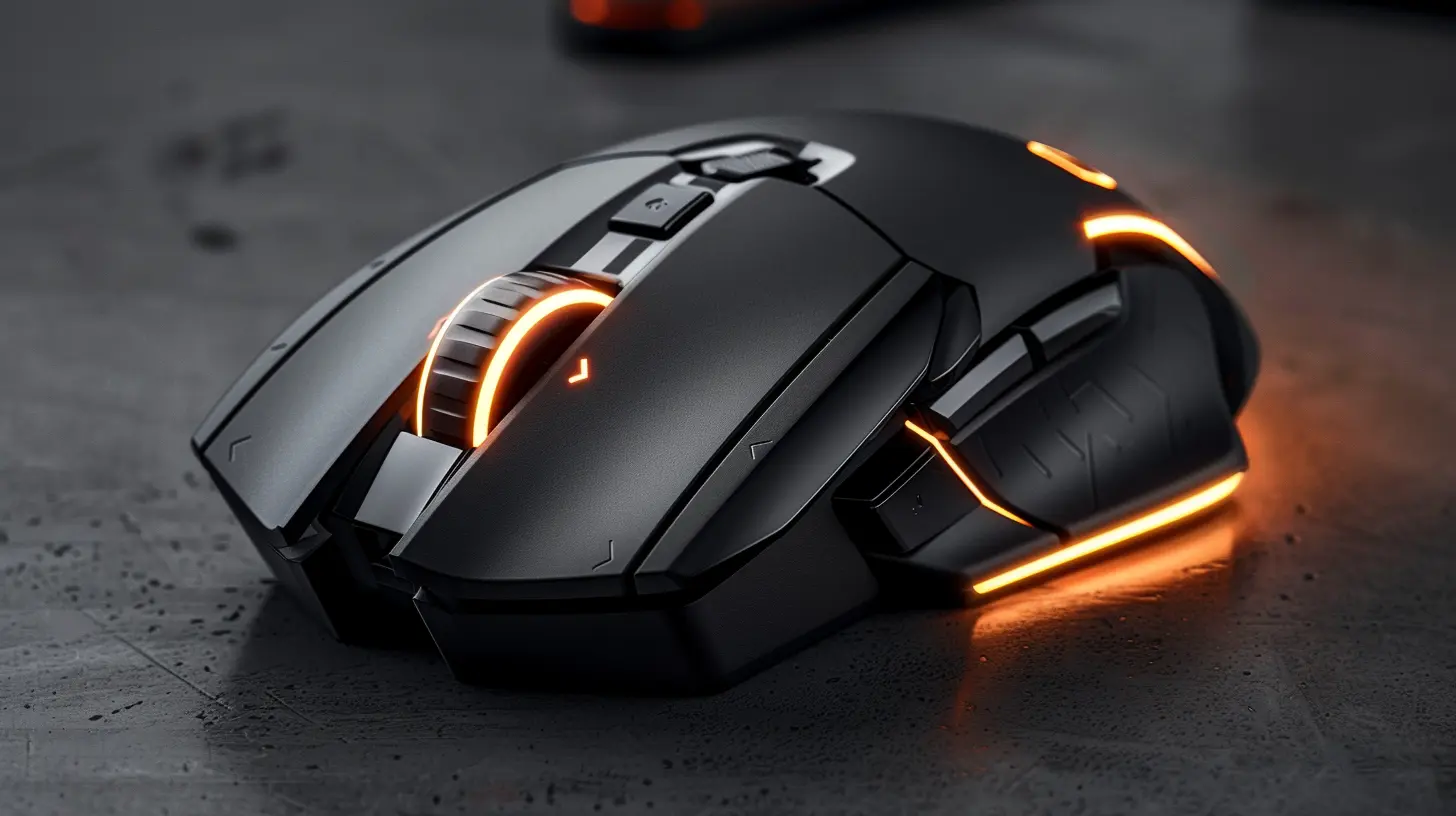
Precision and Sensors: Hitting the Bullseye
When it comes to competitive gaming, precision is king. A tiny flick of the wrist can mean the difference between landing a perfect headshot and staring at the respawn screen. So how do wireless mice stack up in the sensor department?Spoiler alert: they’re killing it.
Top-tier wireless gaming mice now come with state-of-the-art sensors that offer insane levels of DPI (dots per inch), low lift-off distance, and flawless tracking. Take the Hero sensor from Logitech or Razer’s Focus+ sensor – both deliver pixel-perfect accuracy, even at high speeds. It’s like swapping out a blurry lens on your camera for a crystal-clear one. You see everything, and nothing slips past you.
Even pro players, who need precision down to the tiniest degree, are starting to adopt wireless gaming mice. That speaks volumes about how far sensor tech has come.
The Price Tag: A Worthy Investment?
Alright, let’s talk money. Wireless gaming mice, especially the high-end ones, don’t come cheap. You might look at the price tag and think, “Do I really need this?” It’s a fair question. Spending $100+ on a mouse isn’t pocket change.But here’s the thing: you’re not just paying for the wireless factor. You’re paying for top-tier sensors, ergonomic designs, durable materials, and cutting-edge technology. It’s kind of like buying a luxury car – sure, you can get from point A to point B in a used sedan, but the comfort, performance, and extra features make the splurge worthwhile.
Plus, prices are starting to come down as wireless tech becomes more mainstream. Budget-friendly options with solid performance, like the Logitech G305, give gamers on a tight budget a reason to join the wireless revolution.
Are Wireless Mice Ready for Competitive Play?
So, here’s the million-dollar question: are wireless gaming mice ready for competitive play? In a word: yes.The technology has caught up, and the performance gap between wired and wireless is practically nonexistent. Connectivity, precision, battery life, and comfort – all the major pain points of old-school wireless mice – have been addressed. Professional esports players, who demand the absolute best, are even incorporating wireless mice into their setups. If they can trust wireless in a million-dollar tournament, can’t we?
Still, it’s not a one-size-fits-all answer. It boils down to personal preference. Some players simply prefer the mental reassurance of a wired connection. Others love the freedom and clean desk aesthetic of wireless gaming mice. And that’s okay! Gaming is all about finding what works best for you.
The Verdict: Wireless Gaming Mice Are Here to Stay
The future of wireless gaming mice looks incredibly bright. With ongoing advancements in technology, we’re bound to see even lighter, faster, and more efficient mice hitting the shelves. It’s not just about catching up to wired mice anymore – it’s about redefining what’s possible for competitive gaming.So, whether you’re an esports hopeful or just a casual gamer who hates cable clutter, there’s never been a better time to go wireless. Are wireless gaming mice ready for competitive play? Without a doubt. The only question is: are you ready to make the switch?
all images in this post were generated using AI tools
Category:
Hardware ReviewsAuthor:

Pascal Jennings
Discussion
rate this article
2 comments
Hope Sullivan
While advancements in wireless technology have improved latency and battery life, the debate continues—are they truly on par with wired mice for competitive gaming?
February 4, 2026 at 5:40 AM
Pascal Jennings
While wireless gaming mice have made significant strides in latency and battery life, many competitive gamers still prefer wired options for their reliability and consistent performance. The debate continues as technology evolves.
Heath McGeehan
Great insights on the evolution of wireless gaming mice! It’s exciting to see how technology is shaping competitive play. I'm eager to see how these advancements will enhance player experiences. Can't wait for future innovations! Keep up the fantastic work on the blog!
February 3, 2026 at 5:12 AM
Pascal Jennings
Thank you for your feedback! I'm glad you enjoyed the insights, and I share your excitement for the future of wireless gaming mice in competitive play! Stay tuned for more updates!