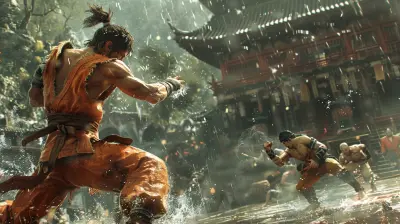
How VR Could Revolutionize Competitive Gaming Leagues
30 December 2025
Alright, let’s take a moment and imagine this: you’re wearing a sleek headset, heart racing, and you're ducking behind a virtual wall as chaos erupts all around you. You reload your futuristic blaster and peek over the edge – it’s the final round of a VR esports tournament, and you're not just playing the game… you're literally in it.
Sounds epic, right?
Well, this might not be just a sci-fi fantasy for too much longer. Virtual Reality (VR) is no longer the clunky, pixelated novelty it used to be. It's growing up fast — and guess what? Competitive gaming leagues are eyeing VR like it’s the next gaming gold rush.
In this post, we’re diving deep into how VR could shake things up (in a really exciting way) for competitive gaming. From transforming how we play to changing how we watch, we’ll explore the many ways VR could totally revolutionize the esports scene. Grab your headset (or at least your imagination), and let’s jump in!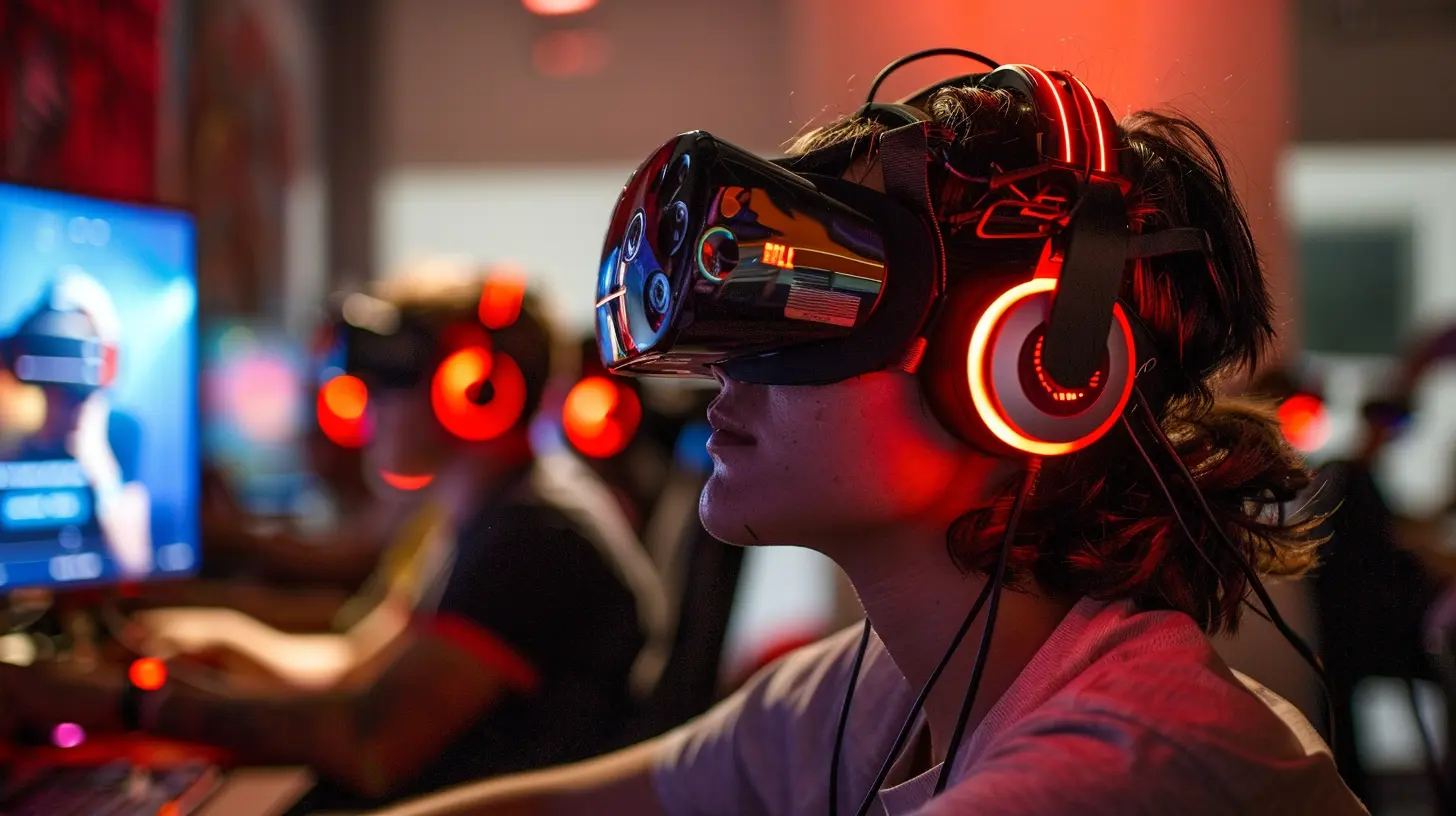
🎮 What Exactly Is VR Gaming?
Let’s clear the air first. VR gaming uses headsets and motion-tracking tech to drop players directly into digital worlds. Instead of mashing buttons on a controller, you’re moving your body, using hand gestures, even ducking and dodging like you're in the real world.Games like Beat Saber or Half-Life: Alyx are just the tip of the iceberg. Now imagine VR versions of popular esports titles like Valorant or Overwatch. Yeah, that’s a whole new level of immersion.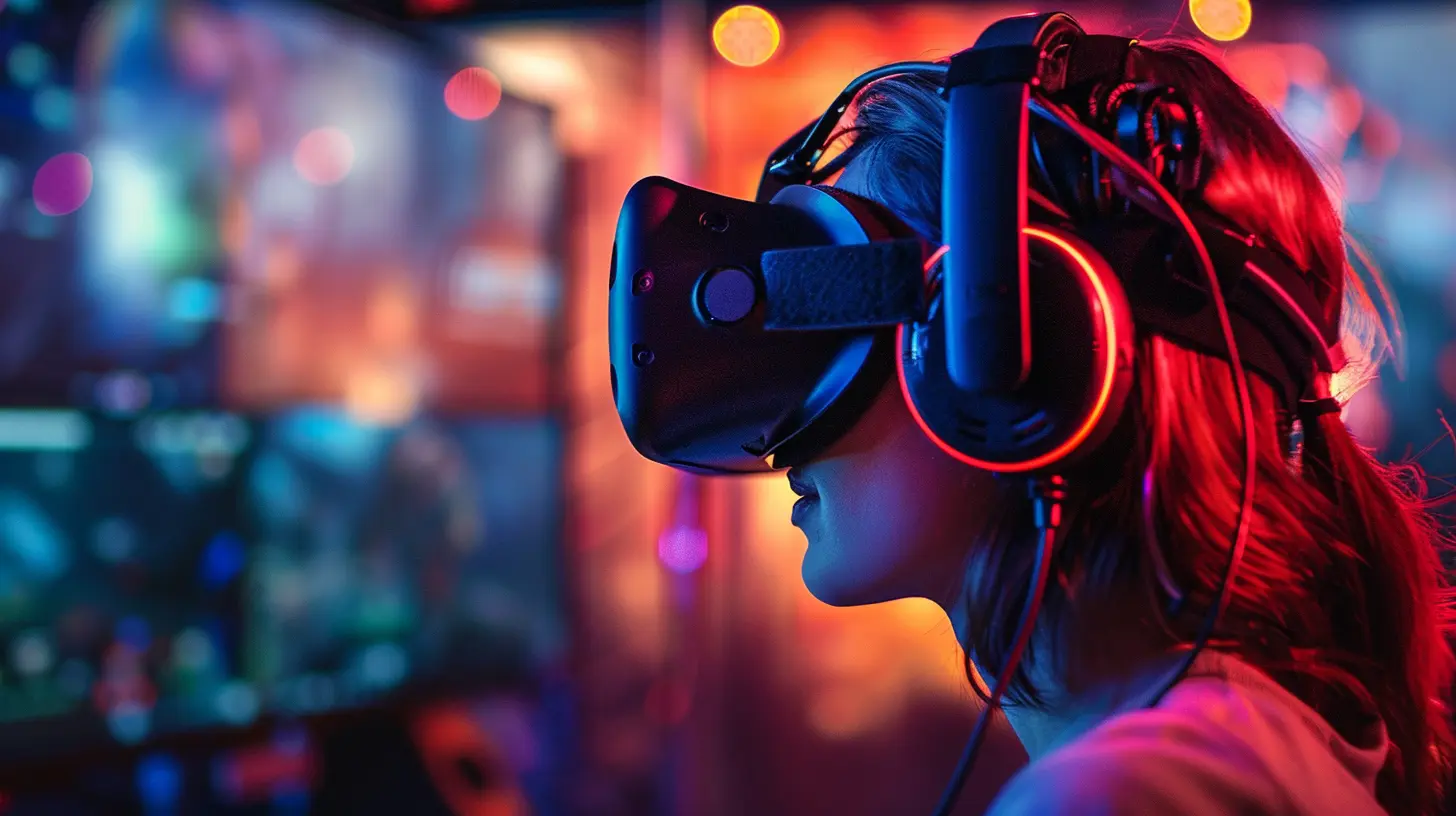
💥 VR = Immersion Like Never Before
Traditional competitive gaming is awesome, no doubt. But VR? It puts you right in the thick of the action.Players aren’t “controlling” avatars — they become them. You’re not just telling a character to jump; you jump. And that changes everything. The intensity, the reaction speed, the gameplay dynamics — it’s physical. It blurs the line between gaming and reality in a way that could make esports feel like the ultimate gladiator arena (minus the actual danger, of course).
Think About It:
- Playing a competitive shooter where you're physically peeking around corners.- Participating in a VR racing league where you feel your virtual car's vibrations through haptic gear.
- Strategizing in real-time, using hand signals or eye-tracking to communicate with teammates.
It’s next-level immersion, and it’s a gameplay experience that traditional formats simply can’t replicate.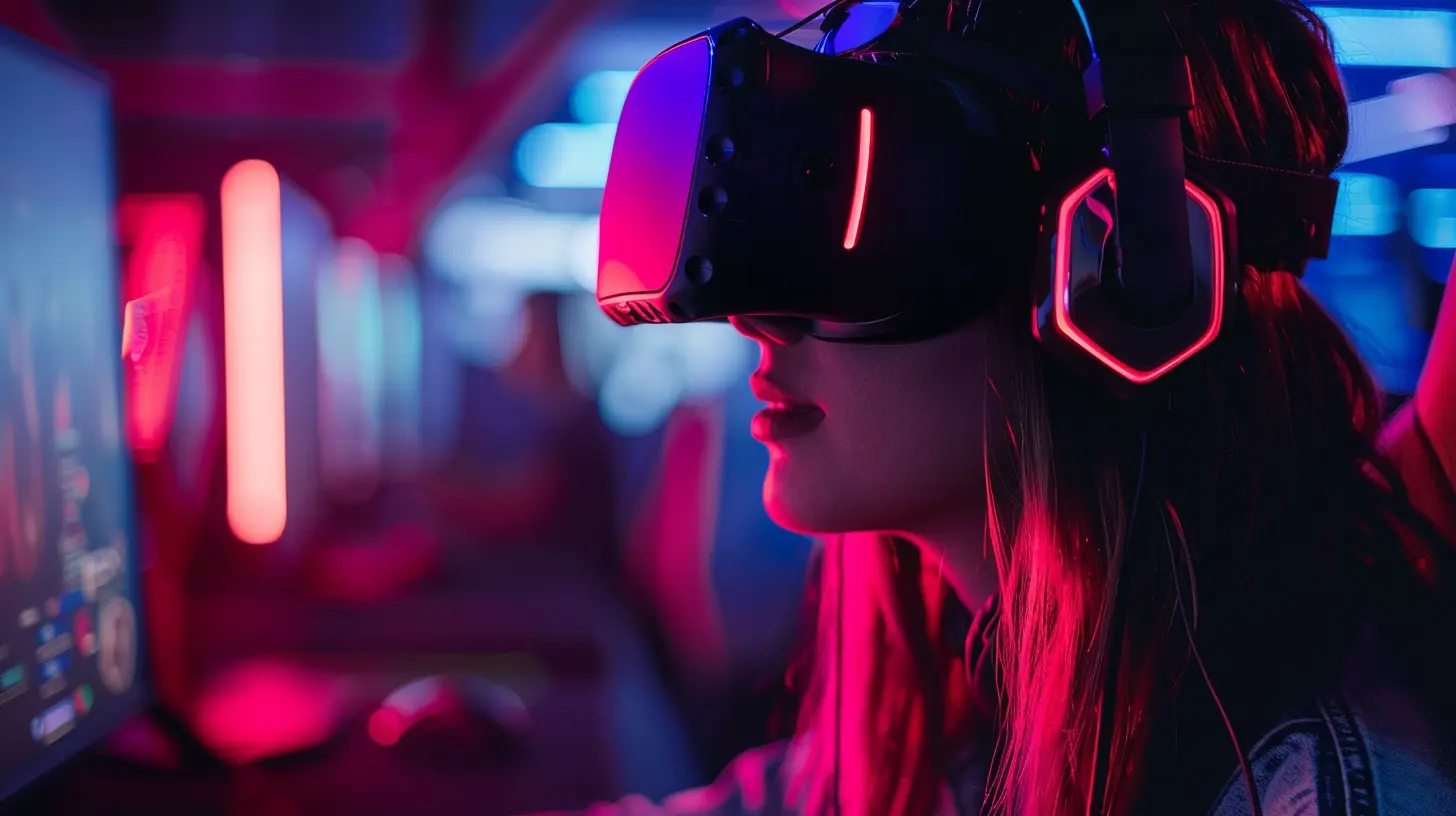
🏆 Competitive Integrity Meets Physical Skill
Right now, esports is mostly about mental agility, lightning-fast reflexes, and strategic planning.But VR adds a twist — physical skill.
Sure, you still need sharp reflexes and epic game sense, but now you’ve gotta be physically quick too. Jumping, crouching, turning — it's a mini workout! This adds a fascinating layer to competitive gaming. The fastest player might not just be the one with the best mouse flicks, but the one who's the most agile IRL.
Bonus:
Esports might even get a fresh new audience from traditional sports fans who respect the balance of brains and brawn. Let’s face it — watching someone throw digital punches or navigate an obstacle course in VR just feels more adrenaline-pumping than watching mouse clicks.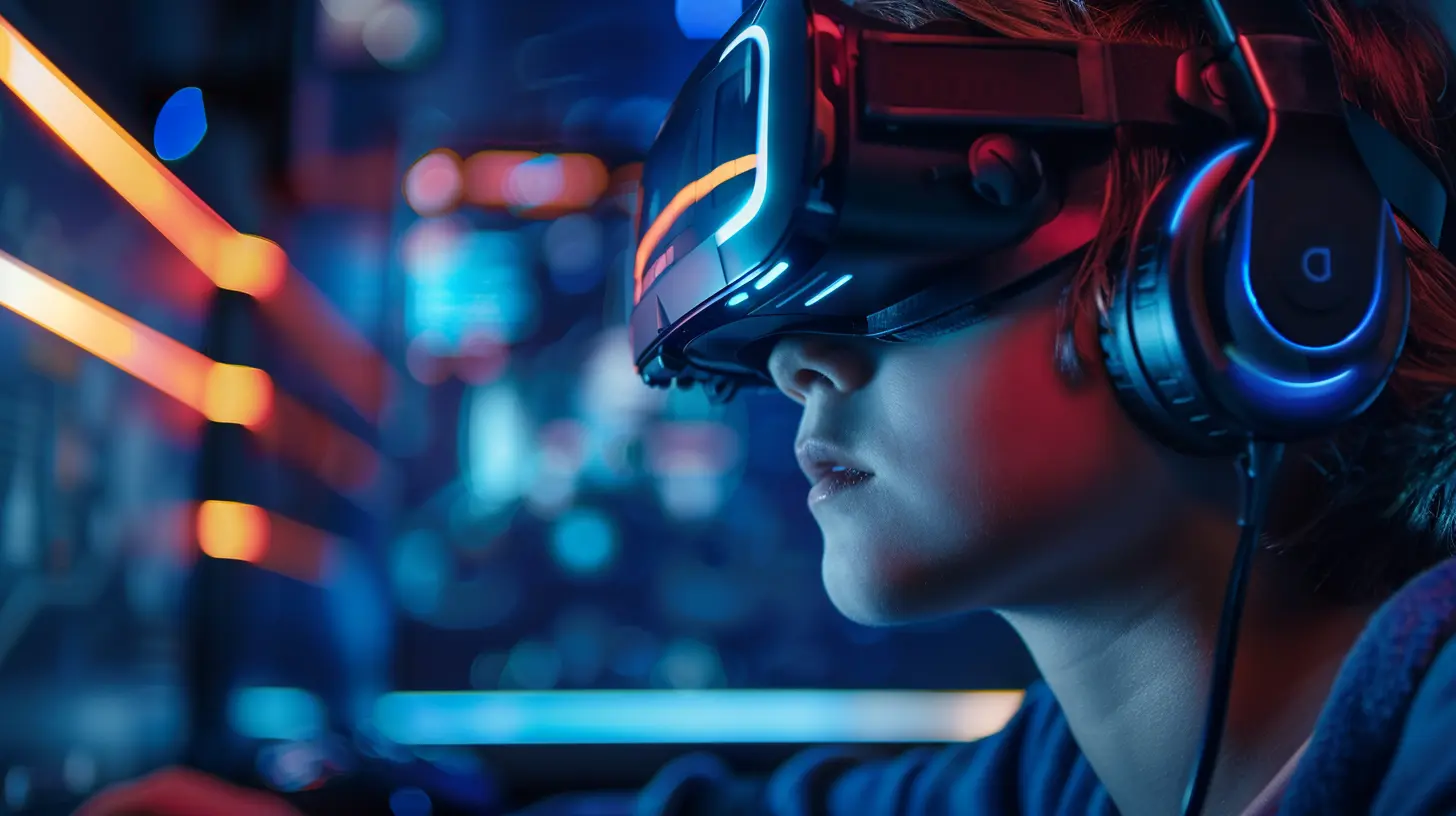
🔴 Spectator Experience? Totally Leveled Up
Let’s be real — esports broadcasts are already pretty awesome. But watching human avatars move around on a screen still creates a bit of a disconnect.Enter VR.
Imagine a first-person spectator mode where you can literally walk through the battlefield from a player’s point of view. Or VR stadiums where fans can cheer alongside digital crowds. Maybe you'll even get to float above the map, god-mode style, watching every player at once while sipping your virtual latte.
It would transform esports viewing into a fully interactive experience.
Seriously, Picture This:
- Virtual front-row seats at the VR League Grand Finals.- Real-time sound zones: hear what the players hear as they move.
- Interactive cheers, waves, dances from VR spectators all over the world.
Now that’s a gaming community.
🎯 Game Design Gets a Whole New Playground
Developers, buckle up. VR throws the rulebook out the window.Game mechanics aren’t limited to thumb and finger inputs anymore. Designers can create gameplay elements that rely on full-body movement, eye contact, even voice commands.
A new breed of competitive games is possible — ones that can only exist in VR. Think co-op puzzle games that require physical problem-solving, battle royales that happen in 360 degrees, or tactical shooters that rely on body language and stealth.
A Wild Example:
A future VR esport could involve team-based heists where players physically sneak, crawl, and communicate in whispers to outsmart defenders. Kinda like Rainbow Six Siege, but you're actually busting moves in real space.🌍 A Global Playground — Anywhere, Anytime
Virtual reality has the power to connect players from all over the world in a way that feels, well, real.Forget travel costs, jet lag, or renting out event stadiums. VR gaming leagues could be held… anywhere. All you need is a headset, a strong internet connection, and room to move.
Pro players could train and compete from home while still being “in the arena.” Teams from different continents could feel like they're in the same room, high-fiving (virtually, of course) after a clutch win.
Talk about breaking down geographical barriers.
👓 The Tech Still Needs Some Leveling Up
Let’s pump the brakes for a second — because as exciting as all this is, there are still a few XP points we need to grind before VR takes over esports.Here’s what needs work:
- Hardware Limitations: Not everyone has access to high-end VR headsets or enough room to play.- Motion Sickness: Yup, some VR games can still make players queasy. Not ideal during a championship match.
- Standardization: To create legitimate competitive leagues, we’ll need standardized equipment and rules.
- Cost & Accessibility: VR setups can be pricey. To go mainstream, they’ll need to become way more affordable.
But hey, remember when online games first came out? There were server issues, clunky dial-up connections, and all kinds of growing pains. VR is on a similar journey.
Progress might be slower than we’d like, but it’s happening. And once we get past these bumps, watch out — a new era of esports will be ready to roll.
💡 Big Players Are Already Making Moves
Let’s talk receipts. Major companies aren’t just thinking about VR esports — they’re investing in it.From Meta’s push into immersive experiences to Sony and Valve building competitive-grade VR systems, the vibe is clear: this is more than a trend.
Even developers are getting in on the game. Games like Echo VR and Onward are already hosting tournaments, proving that a competitive VR scene is totally possible — and people are loving it.
And let’s not forget the indie devs out there experimenting with mind-blowing game mechanics that would make any esports league drool.
🌟 The Future? It’s Looking Ridiculously Cool
So, what does the future hold for VR in competitive gaming?We’re talking:
- International VR esports leagues.
- Full-body tracking and motion capture for ultra-realistic gameplay.
- AI coach bots that help players train better.
- Fantasy VR stadiums that rival the Super Bowl in hype.
And maybe — just maybe — the birth of entirely new sports that exist only in the digital realm. Think Quidditch, but VR-style.
It’s not just an upgrade to esports — it’s a reinvention.
🕹️ But Will VR Replace Traditional Esports?
Probably not entirely.Traditional esports have their own magic. Not everyone wants to play sweaty and sore after a match. And for some games, the classic setup just works better.
But will VR carve out a massive chunk of the competitive scene? Absolutely. It’ll attract new types of players, engage fans in fresh ways, and open up opportunities we haven’t even dreamed of yet.
TL;DR: There’s room for both.
🚀 Ready or Not, the Revolution Is Coming
If you’re an aspiring pro gamer, a tech geek, or just someone who loves esports — now's the time to pay attention to VR. It’s not just a fun gimmick anymore. It’s a serious contender in the future of competitive gaming.Sure, things are still evolving. But the building blocks are in place, and the pieces are coming together.
So go ahead, start practicing your 360 vaults and ninja rolls — because when the VR gaming leagues arrive full force, it’s going to be wild, immersive, and absolutely unforgettable.
Final Thoughts
We’re standing at the edge of a digital revolution, and VR is the rocket ship about to launch us into a whole new galaxy of gaming. Will you be a part of it?Whether you're a player, a fan, a developer, or just someone who thought VR was only for sci-fi nerds — the future of competitive gaming might just be a virtual headset away. Strap in, because things are about to get real… virtually real.
all images in this post were generated using AI tools
Category:
Gaming LeaguesAuthor:

Pascal Jennings
Discussion
rate this article
2 comments
Ivy McCarron
Exciting insights! VR has the potential to transform competitive gaming leagues by enhancing immersion and interaction. Can't wait to see how this technology evolves the gaming landscape!
January 11, 2026 at 5:54 AM
Pascal Jennings
Thank you! I'm glad you found the insights exciting. VR indeed holds great promise for transforming competitive gaming—exciting times ahead!
Ivan Pope
Great insights on the potential of VR in competitive gaming! The immersive experience could truly elevate player engagement and strategy. I'm excited to see how leagues adapt and innovate in this evolving landscape. Thank you for sharing!
December 31, 2025 at 3:46 AM
Pascal Jennings
Thank you for your feedback! I'm glad you found the insights valuable. Exciting times ahead for VR in gaming!