How Realism in Game Graphics is Changing Player Expectations
21 April 2026
Gaming has come a seriously long way since the pixelated days of Pong and Tetris. Remember when a blocky character jumping over a barrel was cutting-edge stuff? Fast forward to today, and we’re talking about graphics so realistic they make you do a double-take—is that a game, or real life? This leap in realism is doing more than just wow-ing us visually. It’s shifting how we define a good game, what we expect from developers, and even how we emotionally connect with gaming experiences.
Let’s unpack how the rise of hyper-realistic graphics has changed the game. Literally.
The Evolution of Game Graphics: From Pixels to Photo-Realism
Let’s go back a bit—maybe you grew up with arcade cabinets or those chunky cartridges you'd blow into (even though that never really worked). The early days of video games were more about imagination than visual fidelity. But now? It's like stepping into alternate realities.Thanks to advances in GPU power, ray tracing, motion capture, and high-resolution textures, modern games often blur the line between fiction and reality. Take a look at titles like Red Dead Redemption 2, The Last of Us Part II, or Cyberpunk 2077. These games look stunning—sometimes eerily so. You can almost feel the grit under the character’s boots or see emotions flicker in their eyes.
Realism has become a selling point. And with that, expectations are on a whole new level.
So, What Even is "Realism" in Game Graphics?
Okay, let’s be clear: realism doesn’t just mean lifelike faces or perfect lighting. It’s about convincing worlds. Realism includes accurate physics (think of how water flows or how grass bends), detailed textures, human-like animations, and natural lighting. It’s the little things that add up.Ever noticed how a character's shirt wrinkles when they sit? Or how shadows stretch gradually as the sun sets in-game? That’s realism doing its magic, quietly pulling you deeper into the experience.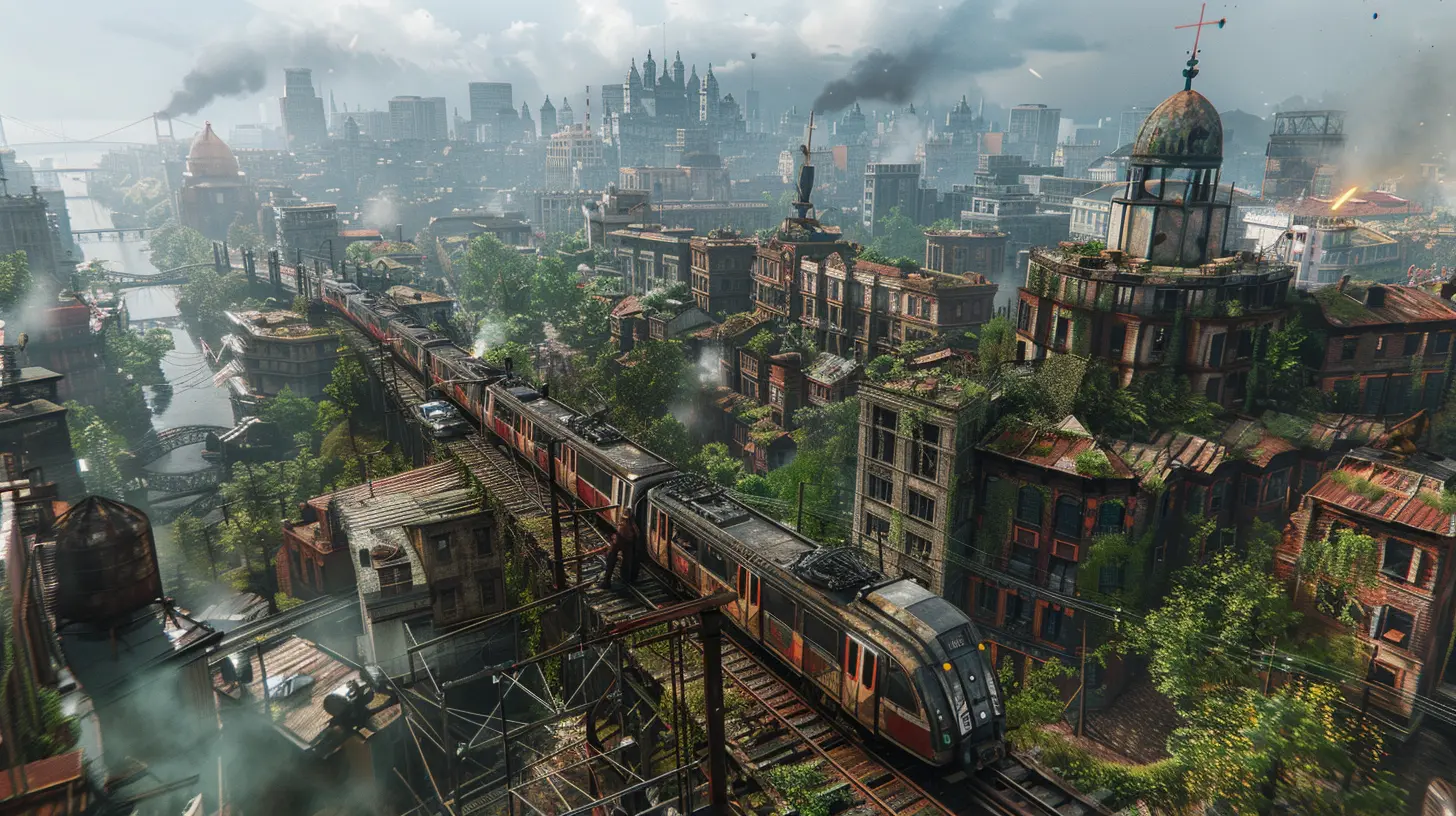
Realism = Immersion on Steroids
Immersion is a buzzword in gaming—everyone wants it. But here’s the thing: realism is one of the biggest boosters for immersion. When a game looks real, our brains stop filtering it as “that’s fake.” Suddenly, we’re not just playing—we’re living it.Remember playing horror games like Resident Evil Village or Outlast 2 in the dark? The realistic environments crank up the fear factor because your senses fall for it. Your heart races. Your palms sweat. Why? Because the realism tricks your brain into thinking “this is actually happening.”
When graphics look real, the emotions feel real too.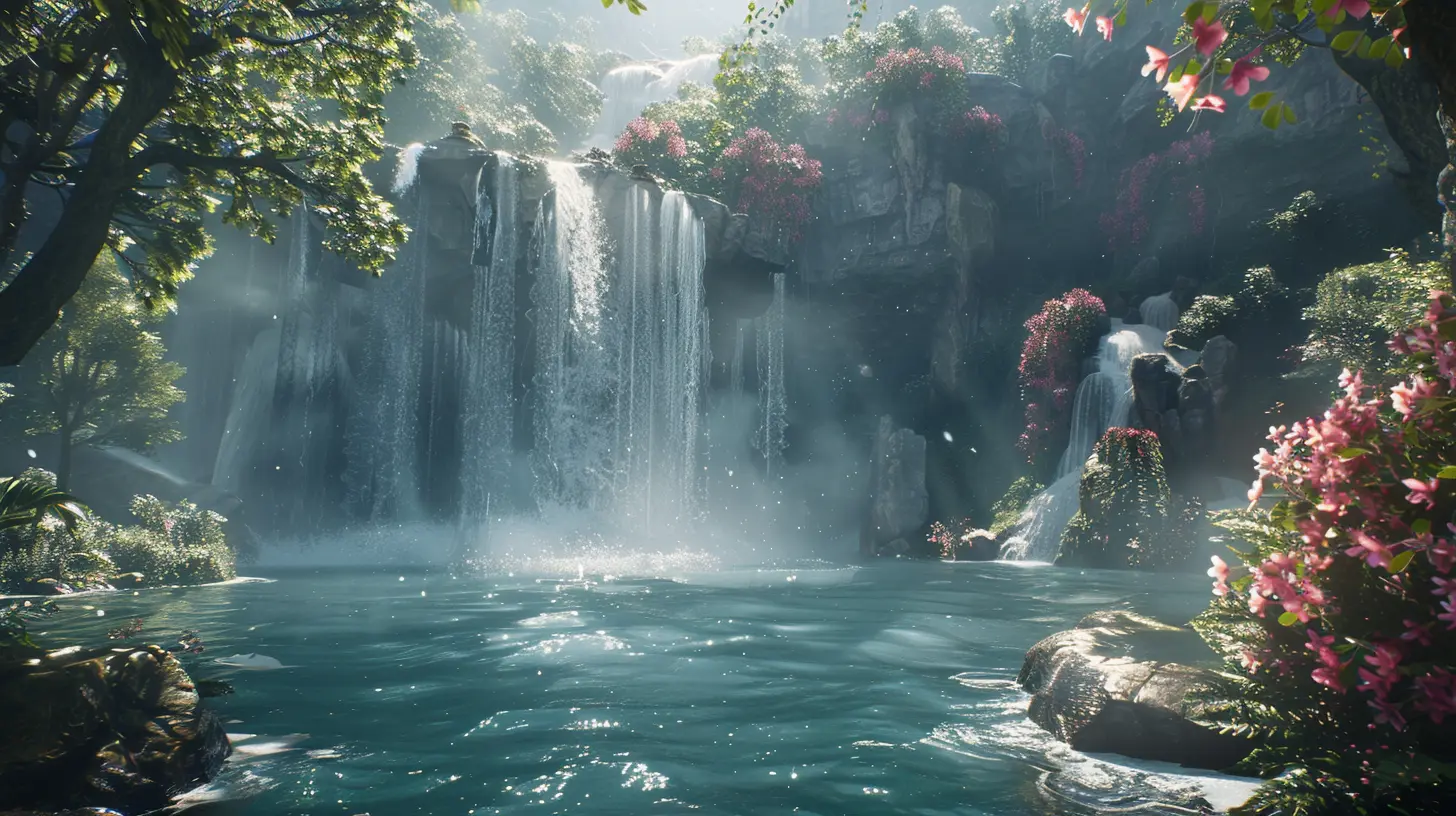
How Realism is Raising the Bar for Developers
Here’s where things get tricky. With players now used to lifelike visuals, anything less can feel… underwhelming. Indie developers, for instance, often focus on stylized art because photorealism is resource-heavy—and expensive.But let’s face it—we’ve become a bit spoiled. When we see a new game trailer, we expect jaw-dropping visuals. If it doesn’t blow us away graphically, it’s already starting on the back foot, no matter how good the story or gameplay might be.
This creates pressure. Studios are spending more on graphics than ever. We’re talking massive teams just for lighting, environment design, and facial animation. It’s a new standard, and not everyone can—or should—keep up with it.
Changing Expectations Around Storytelling
With ultra-realistic graphics, storytelling has also leveled up.You might not have cried during an 8-bit adventure, but modern titles like Detroit: Become Human or Life is Strange? Yeah, those hit different. When faces convey subtle emotions and body language responds naturally, the narrative carries more weight.
It’s like watching a movie where you control the outcome. You’re not just watching characters—you feel connected to them. That level of emotional engagement simply wasn't possible before this visual evolution.
The One-Two Punch: Realism and Gameplay
Now here’s something worth digging into—how realism affects not just what you see, but how you play.In some cases, realism drives innovation in mechanics. Take Microsoft Flight Simulator. Without realistic graphics, the entire experience would lose its core appeal. The same goes for racing sims like Gran Turismo 7 or survival games like The Forest. Realistic visuals amplify the tension, demand accuracy, and raise the stakes.
Of course, it’s a double-edged sword. Sometimes realism can slow things down or overwhelm the player. If every object behaves like it would in real life, you might end up managing inventory weight or crafting items with way too much detail. That can be fun—or frustrating.
Players Are Getting Picky (And That’s Not a Bad Thing)
As realism becomes the norm, players now expect more than just eye candy. We want smooth animations, logical physics, believable environments, and unforgettable characters. And when one game nails those aspects, it raises the bar for everything else.But this push for better graphics is also pushing the industry forward. Gamers have always driven innovation—we don't just sit back and take what’s given. We question, we critique, and we help shape the future of gaming.
So sure, expectations are higher than ever. But it’s these expectations that fuel progress.
When Realism Meets Fantasy
Here’s a fun twist: realistic graphics don’t always mean realistic settings. Fantasy titles like Horizon Forbidden West or Final Fantasy XVI show us that hyper-realism can enhance fantastical worlds too.Think about it—seeing a robo-dinosaur brushing against tall grass or a magical city bathed in golden light? It’s breathtaking because it feels grounded. The realism doesn’t make it boring; it makes it believable.
In a way, realism is the anchor that lets us fly farther.
The Role of Next-Gen Consoles and Graphics Cards
You can’t talk about modern game graphics without shouting out next-gen hardware.The PS5, Xbox Series X, and the latest RTX graphics cards have opened doors for unprecedented realism. Features like real-time ray tracing, 4K resolution, and 120 FPS gameplay aren’t just tech buzzwords—they’re game-changers (pun intended).
These tools let developers chase realism without compromising performance. The gap between cinematic trailers and actual gameplay? It’s shrinking fast.
Is There Such a Thing as "Too Real"?
Now let’s pump the brakes for a sec.Can games look… too real? Some people think so.
There’s something called the “uncanny valley”—when characters look almost human but not quite, it can feel creepy. Think of those almost-lifelike eyes that don’t blink quite right. It’s why some people find hyper-realistic NPCs unsettling instead of impressive.
Plus, there’s a question of escapism. Games have always been a way to escape real life. So if everything looks exactly like the real world, does that take away the fun? It’s an interesting balance—one that devs wrestle with constantly.
The Future of Realism: What’s Next?
If we’re already this far… what’s next?Experts are looking at volumetric lighting, real-time weather systems, and AI-driven animations. And with VR and AR growing fast, realism is only going to get more immersive.
Imagine feeling raindrops on your skin during a storm in VR—or walking down a cyberpunk city street while hearing dynamic echoes bounce off walls. Yeah, the future's wild.
But here’s the deal: realism won’t replace good gameplay or strong storytelling. It’s a tool, not the goal.
Wrapping It Up: The Real Impact of Realism
So, how is realism really changing the game?It’s reshaping what we want, what we expect, and what we demand. It’s blurring the lines between reality and fantasy, pulling us deeper into immersive worlds, and resetting the bar every year. But while graphics may be leading the charge, they can’t do it alone.
The heart of gaming—fun, connection, and story—still matters most. Realism just helps us feel it more vividly.
Next time you boot up a photorealistic game, take a second to appreciate how far we’ve come. The wrinkles on a character’s face? The glow of a sunset? Those aren’t just eye candy—they're proof that gaming is evolving, and we’re right here along for the ride.
all images in this post were generated using AI tools
Category:
Game GraphicsAuthor:

Pascal Jennings
Discussion
rate this article
2 comments
Tiffany Nguyen
Great read. The push for photorealism has indeed shifted focus—now, a technically impressive forest can feel hollow if it lacks compelling gameplay or narrative. Perhaps the industry’s next challenge is balancing visual fidelity with the artistic soul that made older, less realistic games so memorable.
April 30, 2026 at 4:18 AM
Pascal Jennings
Thanks for your thoughts! You nailed it-it's all about finding that balance. Visuals are important, but gameplay and story are what truly resonate with players.
Journey McGinnis
Realism isn't just a trend—it's the new standard every gamer demands.
April 25, 2026 at 2:33 AM
Pascal Jennings
Absolutely, realism has become a cornerstone for player experience. Gamers now expect immersive visuals that enhance storytelling and gameplay.