Why Overpowered Characters Still Exist
2 March 2026
Let’s take a moment to really think about this: if you’ve played enough games, watched enough anime, or read enough comics, chances are you’ve bumped into that one character who just crushes everyone else—no challenge, no contest, no hope for the other guys. Overpowered characters. Love ‘em or hate ‘em, they’re everywhere.
But here’s the real kicker: with all the noise about balance, fairness, and competitive integrity, why do developers and creators still go out of their way to build these monstrous powerhouses?
Buckle in, because we’re diving deep into the chaotic, fascinating world of OP (overpowered) characters and why they just won’t go away.
What Does "Overpowered" Actually Mean?
Before we go any further, let’s get on the same page.An overpowered character—often abbreviated as OP—is one that has abilities, stats, or traits that far exceed those of others in the same universe. Sometimes it’s subtle, but often, it’s so obvious it’s almost hilarious. Think Superman in a room full of regular humans or Sephiroth slicing skyscrapers while your party is out of potions.
Whether it's a tanky boss who can't be killed or a hero who solos entire armies, OP characters break the mold of balance.
And yet... they're everywhere.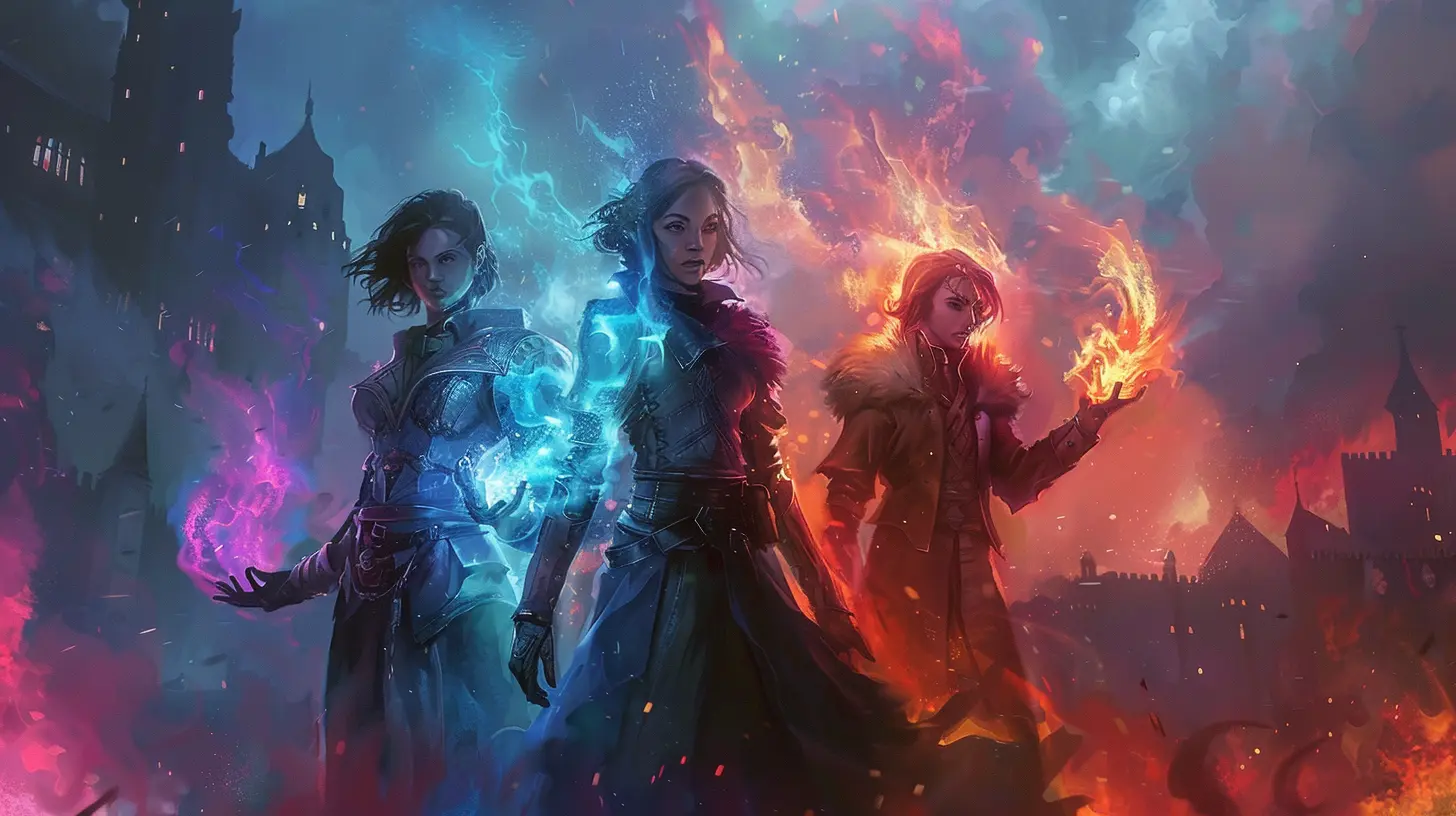
They're Overpowered… On Purpose
First off, let’s address the elephant in the room: many of these characters are designed this way on purpose. It’s not always a mistake or lazy game design.1. They’re Power Fantasies
The truth is, overpowered characters are wish fulfillment machines. They're made to let you feel unstoppable—to let you stomp through hordes of enemies like a god of destruction.Ever played “God of War” and felt like an actual deity? That's no accident.
Game devs know how satisfying it feels to go full beast mode after hours of struggling. Giving players a chance to experience that kind of dominance is a core part of many games. It's the reward at the end of the grind.
Power fantasies sell. They’re addicting. And in a world where everyone wants to feel like the main character, OP figures hit the sweet spot.
2. They Help Drive the Story
Sometimes, creating an overpowered character is a storytelling tactic.Take Saitama from “One Punch Man.” He's ludicrously strong—but that's the point. The whole anime is a parody of typical hero tropes, and his insane strength creates funny, ironic situations where he’s completely bored because nothing challenges him.
Same goes for characters like Darth Vader. His sheer power is what makes him terrifying. Without being OP, he wouldn’t carry the same mythical weight or emotional impact in the story.
So instead of asking “Why are they OP?”, we should be asking, “What purpose does their power serve?”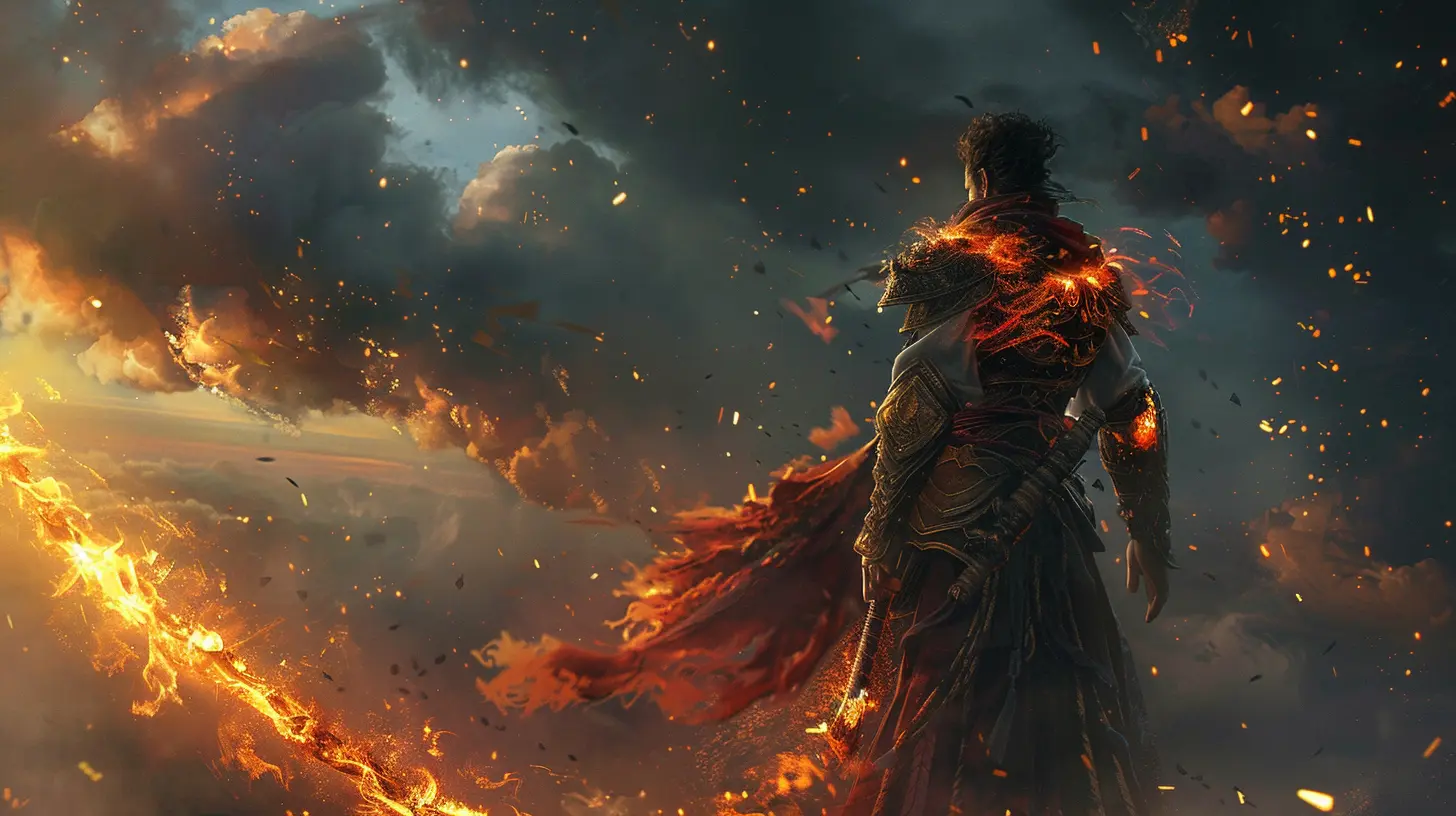
But Doesn’t This Break Game Balance?
You’d think so, right? And in some competitive games, having OP characters is a quick way to turn a fanbase against you. Nobody wants to face the same broken character in every match.But here's the twist: not all games are meant to be strictly balanced. And even when they are, something else is at play.
1. Intentional Meta Shifts
In competitive multiplayer games like MOBAs or fighters, developers sometimes introduce new "meta-breaking" characters to shake things up. These characters can feel OP at launch, but over time, the game adapts.Think of it like throwing a rock into a calm lake. The ripples force everyone to re-think strategies, push boundaries, and come up with new tactics. It keeps things fresh—even if it causes some chaos.
2. Players Love a Challenge
Here’s the irony: sometimes, the best way to make players feel invested is to give them something that feels unfair.Ever fought a boss in Dark Souls that felt completely ridiculous? Like, “How the heck do I beat that?!” But then, after hours of dying, grinding, learning patterns—you finally win?
That feeling is unforgettable.
OP bosses and characters serve as milestones. Beating them proves you’ve mastered the game. They’re gatekeepers, sure—but they also become legends in the community.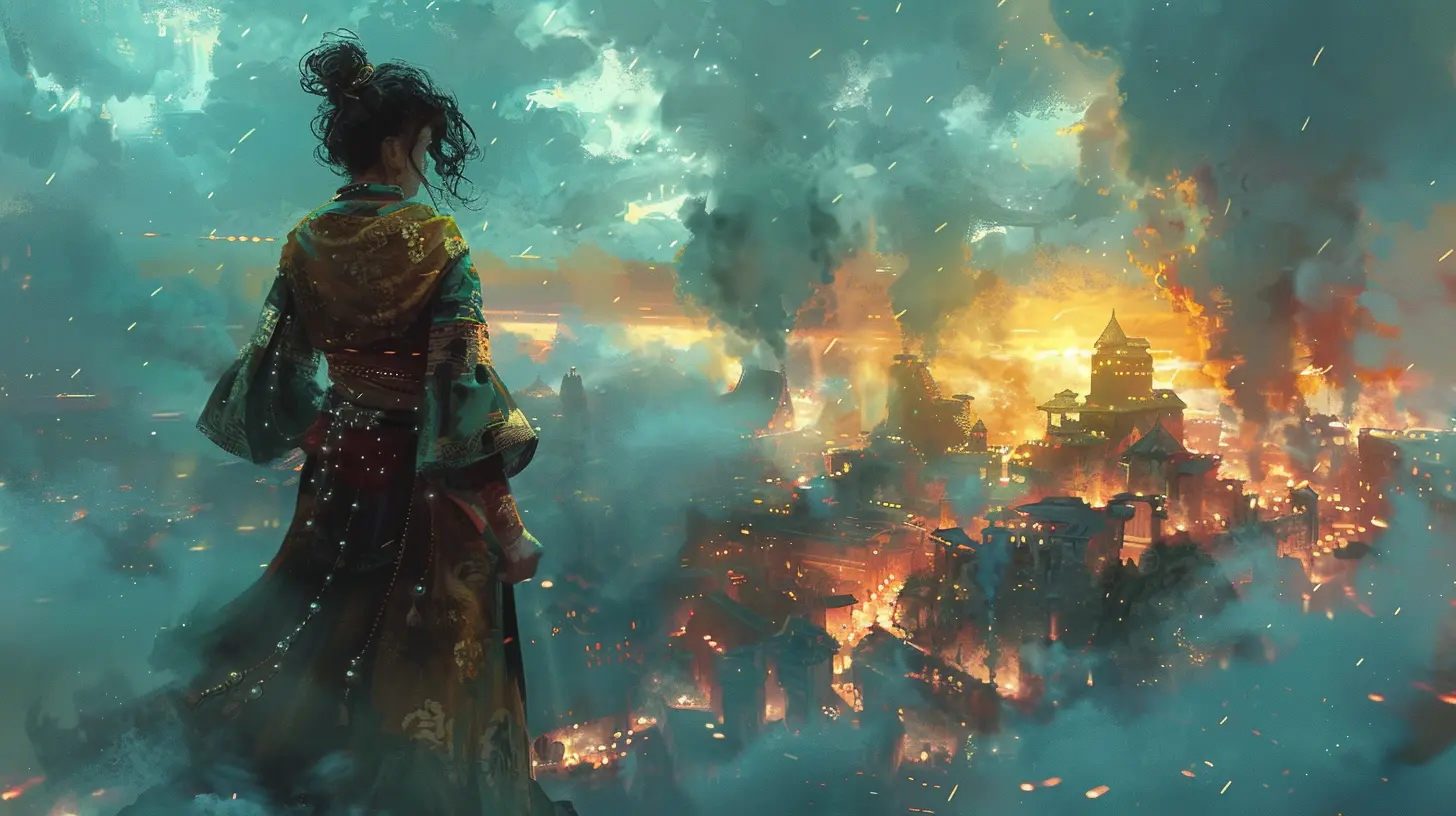
Psychological Hooks Behind OP Characters
Let’s talk brain stuff for a second. There’s a reason why we’re drawn to overpowered characters, both to play as and to beat.1. The Underdog Effect
We all love rooting for the little guy, right? And that’s where overpowered villains shine.When the stakes feel unbeatable, we become more engaged. Our brains go, “No way you're getting through this,” and suddenly, we’re all-in.
The bigger the mountain, the more satisfying the climb.
2. The God Complex
On the flip side, we also love feeling powerful. It's like feeding your ego on steroids.Playing as an OP character taps into something primal. It offers control, dominance, mastery—and in a world full of chaos, that’s pretty comforting.
Game devs understand this and use it to keep players hooked.
Overpowered Characters = Memorable Characters
Let’s be honest—when you think back to your favorite game or series, which characters stand out the most?Often, it’s the OP ones. Sephiroth. Kratos. Doomguy. Alucard. They’re not just strong—they embody something bigger than gameplay mechanics. They become icons.
Their absurd strength gives them presence—gravity. You remember them not only because they were tough, but because they bent the universe around them.
The Risk: When OP Goes Too Far
Now, not every OP character lands well. Sometimes, they ruin the experience entirely.1. Ruined Pacing
If a character is too strong too soon, the rest of the game can feel like a chore. Why bother exploring mechanics when you can just spam that one broken move?Some games solve this by giving you a taste of power early, then stripping it away (looking at you, Metroid). This lets you experience growth without becoming bored.
2. Multiplayer Imbalance
In online games, one OP character can destroy the entire meta. Suddenly, every match feels the same. It’s frustrating, boring, and straight-up unfair.That’s why balance patches exist. Good dev teams monitor player feedback and stats constantly to ensure no one character dominates too long.
The Business Angle: OP Characters Make Money
Let’s not skirt around it—money talks.In free-to-play games, especially mobile gacha games, releasing an OP character is a surefire way to drive up sales. Players chase that one unit that can sweep entire levels, and developers rake it in.
It’s like pulling a slot machine. Get that one broken unit early? Boom—you’ve struck digital gold. Don’t have it? Well, time to open your wallet (or grind your soul away).
Is it manipulative? Maybe. But it works.
Are OP Characters Here to Stay?
Absolutely. As long as we crave power, challenge, and drama, overpowered characters will have a place in our games and stories.Whether they're the final boss, the hero we control, or the rival we chase—OP characters are more than just stat sheets. They're symbols. They shake things up, push the limits, and keep us coming back for more.
They remind us that games aren’t always about balance—they’re about moments. And OP characters? They create unforgettable ones.
Final Thoughts
So yeah, OP characters can be broken, frustrating, and even game-wrecking. But they can also be awesome, awe-inspiring, and downright legendary.It’s a love-hate thing—and honestly, that’s kind of the point.
Imagine a world where everyone is average. No heroes towering above the rest. No villains who make you scream into your controller. No legends.
Boring, right?
Overpowered characters exist because we need them. For the story. For the challenge. For the fun. Because, let’s face it—we all want to be unstoppable every once in a while.
all images in this post were generated using AI tools
Category:
Game BalancingAuthor:

Pascal Jennings
Discussion
rate this article
2 comments
Gisela McNaughton
Great insights! It's fascinating how overpowered characters can enhance gameplay dynamics and keep players engaged in unexpected ways.
March 6, 2026 at 3:40 AM
Pascal Jennings
Thank you! I'm glad you appreciated the insights. Overpowered characters can indeed add depth and excitement to gameplay, creating unique challenges and interactions that keep players invested.
Christopher McGill
Overpowered characters enhance engagement but disrupt gameplay balance.
March 2, 2026 at 5:03 PM
Pascal Jennings
While overpowered characters can draw players in, they often create imbalances that challenge the overall gameplay experience.