Why Balanced Games Still Feel Unfair
26 December 2025
Ever been in a game that’s touted as “balanced” but somehow still manages to feel completely one-sided? You’ve got a 50-50 shot at winning, all the numbers say things are fair, and yet... you're either steamrolling your opponents or getting completely owned. You start asking yourself, “Is it just me? Am I bad at this?” Nah, don’t beat yourself up just yet.
It turns out, even the most finely tuned, carefully balanced games can still feel unfair—and there are some really good reasons why. Let’s talk about what’s going on behind the curtain.
What Does "Balanced" Really Mean in Game Design?
Before we dive deeper, let’s get on the same page about what “balanced” really means. In game design, balance typically refers to fairness in the mechanics. That means no character, weapon, strategy, or player has a consistent advantage over others if the gameplay is executed skillfully.Take chess, for example. Both sides get the same pieces (aside from white going first), and the rules never change. On paper, that’s pretty balanced. Same with games like Rocket League, where everyone starts with the same car performance, or even in well-patched competitive shooters where weapons are constantly fine-tuned.
But feeling balanced isn’t the same as being balanced.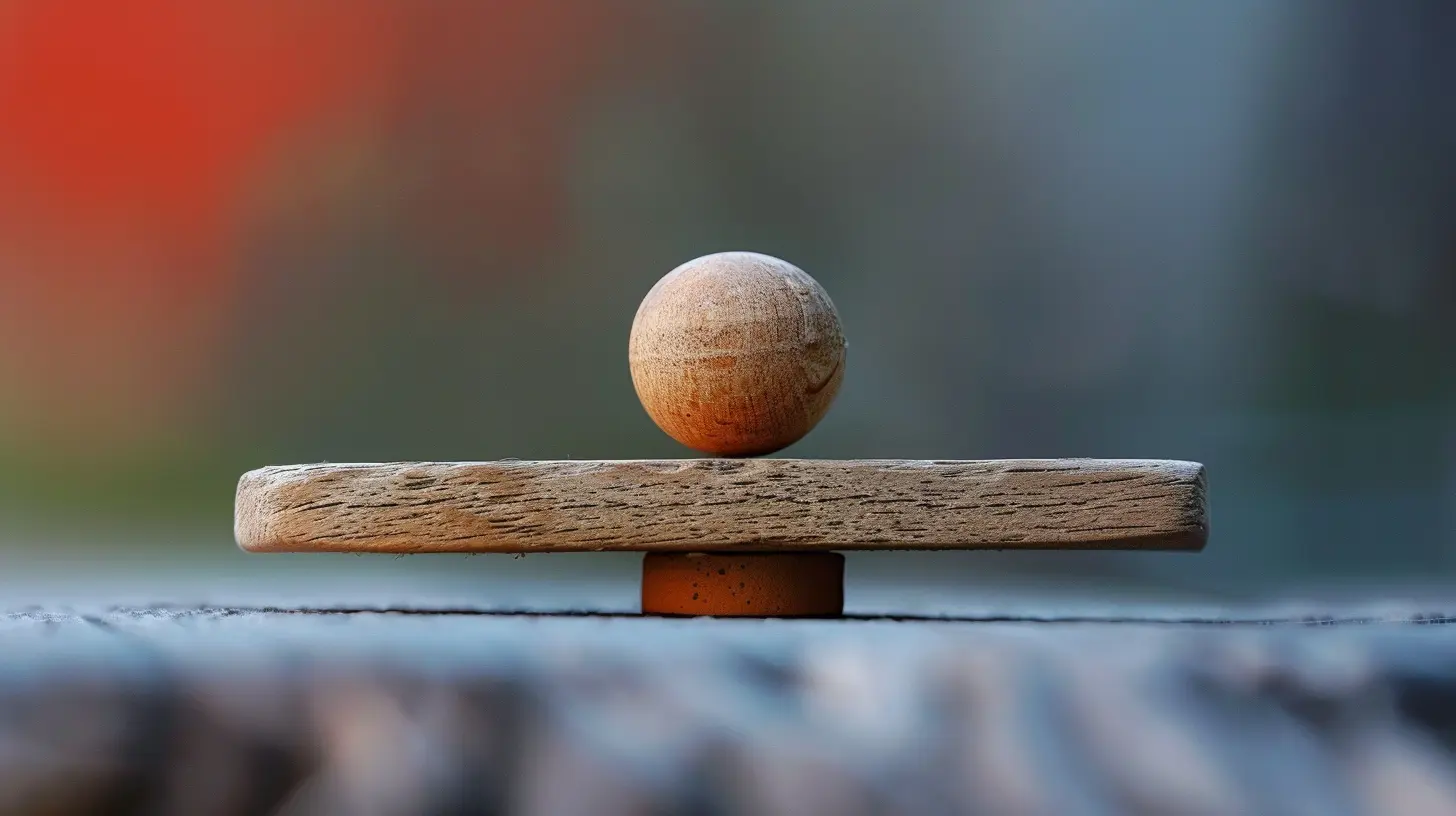
The Psychology of Fairness in Games
Here’s the kicker—our brains don’t measure fairness like math does. They rely on perception, emotion, and experience. You could be losing a close match, but if it feels like you had zero control, your brain tags that as “unfair.”This is where psychological factors, like loss aversion, confirmation bias, and illusion of control, come into play:
- Loss Aversion: We hate losing more than we love winning. So if a loss feels unjustified, it stings twice as much.
- Confirmation Bias: We remember the games where that one overpowered ability ruined the match, not the ten times it didn’t.
- Illusion of Control: We like to believe we’re in control. When a game takes that away (looking at you, random crits), it feels like cheating—even if it’s built into the game.
Even if the devs have perfectly refined the stats, these psychological effects make fairness feel personal. That’s why balanced games still feel unfair.
Skill Gaps and Matchmaking’s Dirty Little Secret
Let’s talk matchmaking. Most competitive games use matchmaking systems (usually skill-based matchmaking or SBMM) to ensure fair fights. In theory, it’s a great idea: put players of equal skill together and let their decisions decide the outcome.But here’s the thing—matchmaking is almost always chasing an ideal. It’s not perfect. Especially in games with small player pools or wide skill ranges, it can’t always pair you with your perfect clone.
This leads to:
- One player carrying the whole team
- Lopsided matches that are mathematically fair but emotionally frustrating
- The dreaded “smurf” problem—high-skill players stomping inexperienced ones
So yeah, maybe the game thinks it balanced you out with statistically even opponents, but the skill gap you feel says otherwise. It’s like throwing a new swimmer into rough waters just because they’re the same weight as a lifeguard—it doesn’t mean they’re equally matched.
The Role of Game Design: Complexity, Randomness, and Luck
Balanced mechanics don’t remove randomness or chaos. In fact, some game designers intentionally bake in luck to keep things exciting. Think of it as spicy seasoning—it adds flavor, but if you use too much, it ruins the meal.Some common culprits that tilt the fairness scale:
1. Random Elements
Games like Hearthstone or Pokémon, which have random critical hits or card draws, are balanced over many games, not individual ones. You might lose one match to a bad hand, but over 100 matches, your win rate stabilizes. The problem? We don’t feel the long-term—especially when that one loss ruins your rank.2. Comeback Mechanics
Ever played a racing game where you're about to lap someone and suddenly, they get a speed boost? That’s rubberbanding. It’s a mechanic meant to keep things close, but it can feel like punished success. It's balanced, sure—but it feels super unfair when you're playing well and still get passed by someone benefiting from the game trying to help them.3. Over-Complication
Some games are just really hard to read. MOBA games like League of Legends have dozens of champions, items, skills, and game phases. Even when the numbers are equal, your understanding of the game can heavily skew your perception. If you don’t know all the interactions, it feels like your opponent has an unfair advantage—even if they’re just more informed.The Tilt Factor: Emotions Cloud Judgment
Let’s be real—when we’re losing, we’re not exactly the most objective people in the room. A single bad game can put us on tilt, that spiraling emotional state where nothing seems fair and everything feels personal.Here’s how tilt feeds the illusion of unfairness:
- You make more mistakes under stress
- You focus on what went wrong, not what you could control
- You blame the game instead of analyzing your decisions
Even in balanced games, tilt makes fairness feel like a lie. It’s not just about what’s happening in-game; it’s about how we react to it. Managing emotions is part of the skill curve that a lot of competitive games don’t teach you—but they absolutely expect it.
Team Dynamics: Why Playing with Others Feels Unbalanced
You know what's harder than balancing weapons or maps? Balancing people. Multiplayer games introduce team dynamics, and that opens the floodgates for perceived unfairness.Here’s why:
- One teammate not pulling their weight can ruin a match
- Lack of coordination often feels like sabotage
- Toxicity from teammates tends to overshadow actual balance
Even in games like Overwatch 2 or Valorant, where roles are defined and matchups are tightly controlled, the human element throws things off. You might be playing your heart out, but one disconnected player? Boom—there goes your chance at winning.
When wins and losses depend not just on your skill but on four strangers who may or may not care, balance starts to feel like a joke.
Meta Shifts and Unseen Advantages
Even if weapons, characters, or maps are balanced in a raw numbers sense, the meta (short for “metagame”) decides what actually performs well. The meta constantly shifts—either due to patches, new content, or collective player strategy.A weapon might be statistically balanced but completely dominate the current meta because it counters what everyone else is using. That gives it an “unfair” feel—even though nothing actually changed about its stats.
Then there’s experience advantage. A veteran player just knows how to exploit the map, angle corners, and use advanced strategies built from 100s of hours. That creates invisible but very real power imbalances that have nothing to do with the game being fair on paper.
Developer Intent vs. Player Experience
Game designers often aim for balance over large data sets—win rates, pick rates, damage over time, etc. But players experience games one match at a time. That disconnect between developer intent and player experience is a huge part of why balanced games still feel unfair.Let’s say Developer A sees Character X has a 50% win rate overall. Balanced, right? But if that character is super frustrating to play against or has a one-shot combo that feels cheesy, players still hate it. And in the moment, hating equals “unfair.”
So… What Can Gamers Do About It?
Now that we know why balanced games can feel so lopsided, what can you actually do to keep your head in the game?1. Manage Expectations
The first step might be the hardest: accept that fairness is a fluid concept. Even when things are balanced, you’re not always going to feel like they are—and that’s okay.2. Focus on What You Can Control
You can’t control matchmaking or your teammates, but you can control your mindset, reactions, and gameplay. Even in a loss, ask yourself: “What did I do well? What can I learn for next time?”3. Take Breaks When Tilt Hits
Don’t underestimate tilt. One or two bad games? Shake it off. Five in a row? Step away. Play something chill. Your brain is literally fogged up when emotions run high.4. Find the Fun Again
Remember when you used to play just for the fun of it? Go back to that. Try a silly strategy, switch roles, play with friends. If you’re not having fun, the fairness of the game becomes irrelevant.Final Thoughts
Balanced games are a technical masterpiece, but feelings aren’t based on math. They’re emotional, messy, and incredibly personal. Game developers might do everything right, and still… you’ll feel like the universe conspired against you.That’s the beauty and the curse of competitive gaming.
So next time you're grinding ranked or shouting at your monitor, take a deep breath and remind yourself: even balanced games feel unfair—because we bring ourselves into every match.
And that’s what makes gaming so human.
all images in this post were generated using AI tools
Category:
Game BalancingAuthor:

Pascal Jennings
Discussion
rate this article
2 comments
Holden Phelps
Remember, the beauty of games lies in their challenges. Embrace the journey, learn from each experience, and let resilience guide your play!
December 30, 2025 at 3:29 PM
Pascal Jennings
Absolutely! Challenges enhance the experience, pushing players to grow and adapt, even in balanced games. Embracing this journey is key to finding joy in the gameplay.
Daphne Burton
Great insights! It’s fascinating how perception shapes our experience with balanced games. Thanks for sharing!
December 29, 2025 at 5:29 PM
Pascal Jennings
Thank you! I appreciate your thoughts on the role of perception in gameplay experiences. Glad you found it interesting!