The True Meaning Behind Journey’s Final Scene
14 February 2026
Let’s be honest. If you’ve made it to the end of Journey, you’ve probably sat there on your couch, controller in hand, staring at the screen with that weird mix of awe, emotion, and confusion. You’re not alone. Journey isn’t just a game—it’s an experience. The final scene, especially, punches you right in the feels without even using a single word.
But that ending? It's like poetry in motion. Mysterious, emotional, and open to interpretation. So let’s roll up our sleeves and dig into the true meaning behind Journey’s final scene. There’s a lot more going on there than just a glowing mountain and a fly-through-the-stars moment.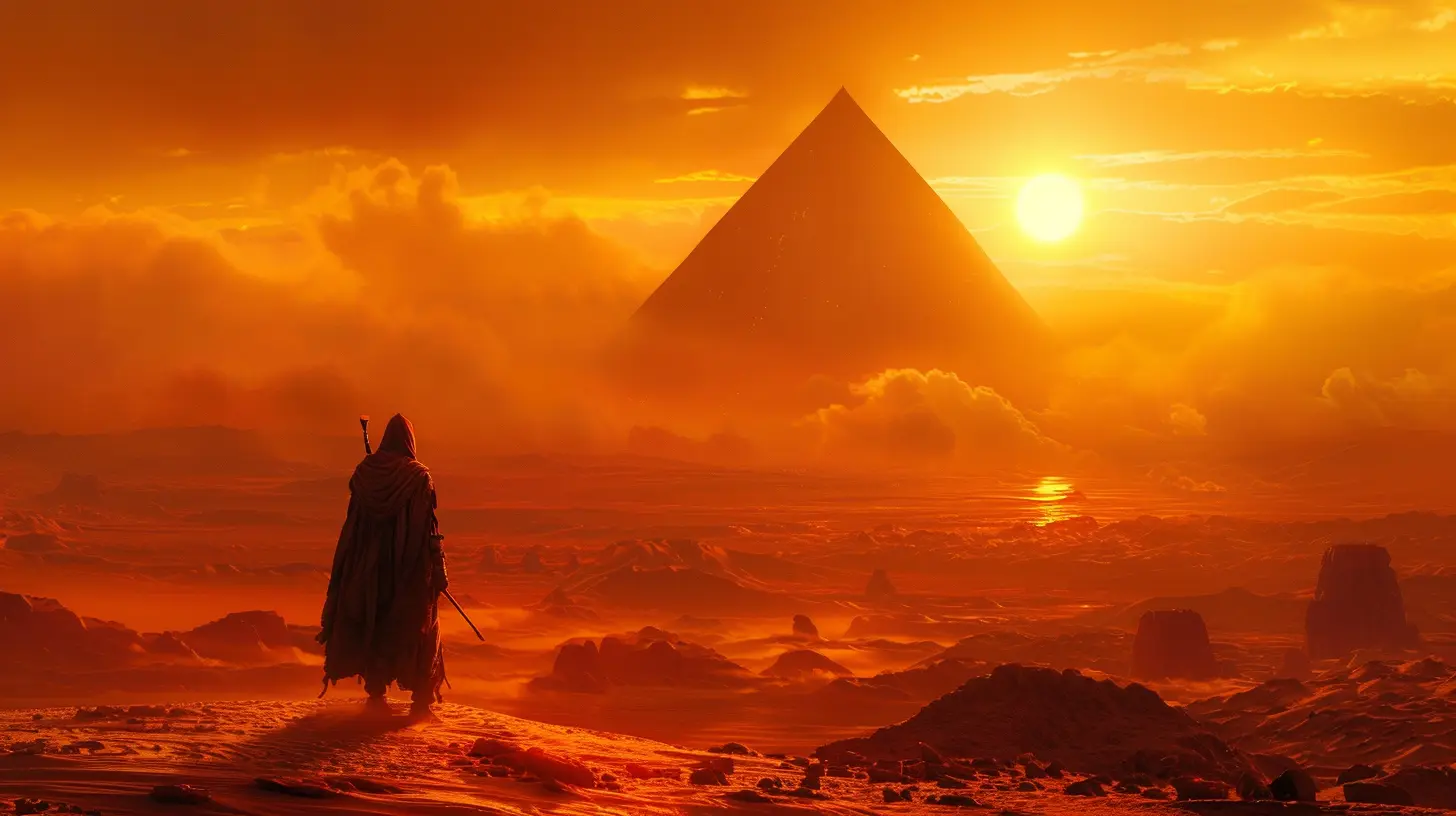
Let’s Set the Scene (Literally)
Before we dive deep, let’s do a quick recap.Journey is a wordless adventure game developed by Thatgamecompany. You play as a robed figure traveling across a vast desert, aiming to reach a distant mountaintop. Along the way, you encounter ruins, ancient machines, and—if you're lucky—another cloaked traveler (an actual real-life player).
The game ends after a grueling climb in icy winds toward the summit. Just before reaching the top, your character collapses in the snow. Then… boom. A surge of light, and suddenly you're flying—soaring through the skies, glowing with energy. You reach the summit, walk into the light, and disappear.
Roll credits.
So... What Just Happened?
We’ve all asked that. And that’s the beauty of Journey—it doesn’t hand you the answers. Instead, it stirs something inside of you and lets your imagination fill in the blanks.But let’s break it down.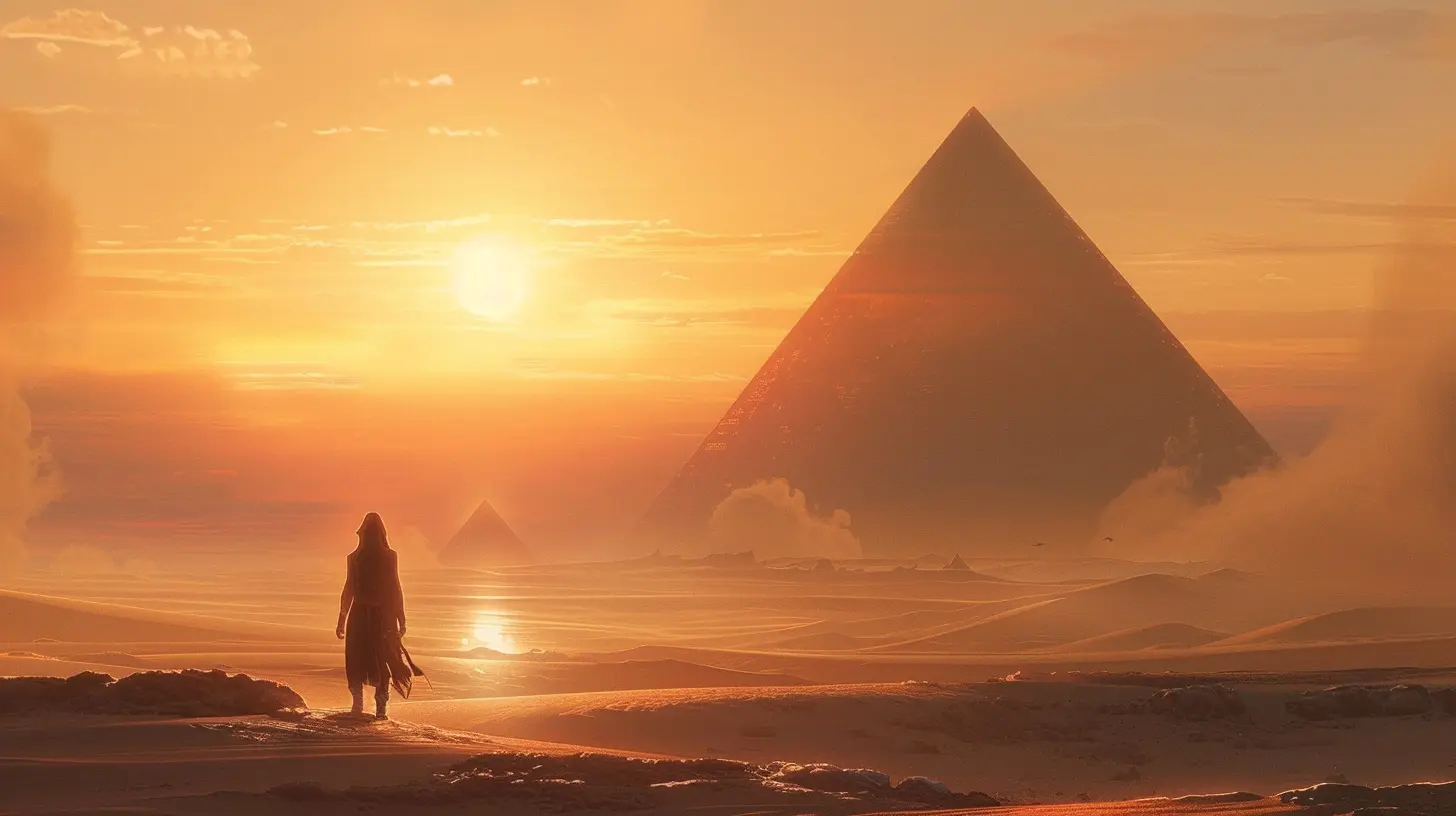
The Collapse – Death or Surrender?
That final stretch before the mountain peak is tough. The music is haunting, the screen turns white, and every step feels like a struggle. Then your character collapses in the snow. It’s not subtle—the game wants you to feel that this is the end.So is it?
Many players interpret this moment as the character's death. The visuals, the fading light, and the stillness all point to a metaphor for dying. It’s not a game over, though. It’s more like a peaceful farewell. The journey was long, and your character gave it everything. It’s a slow, solemn surrender.
But here’s the twist—death in Journey isn’t the end.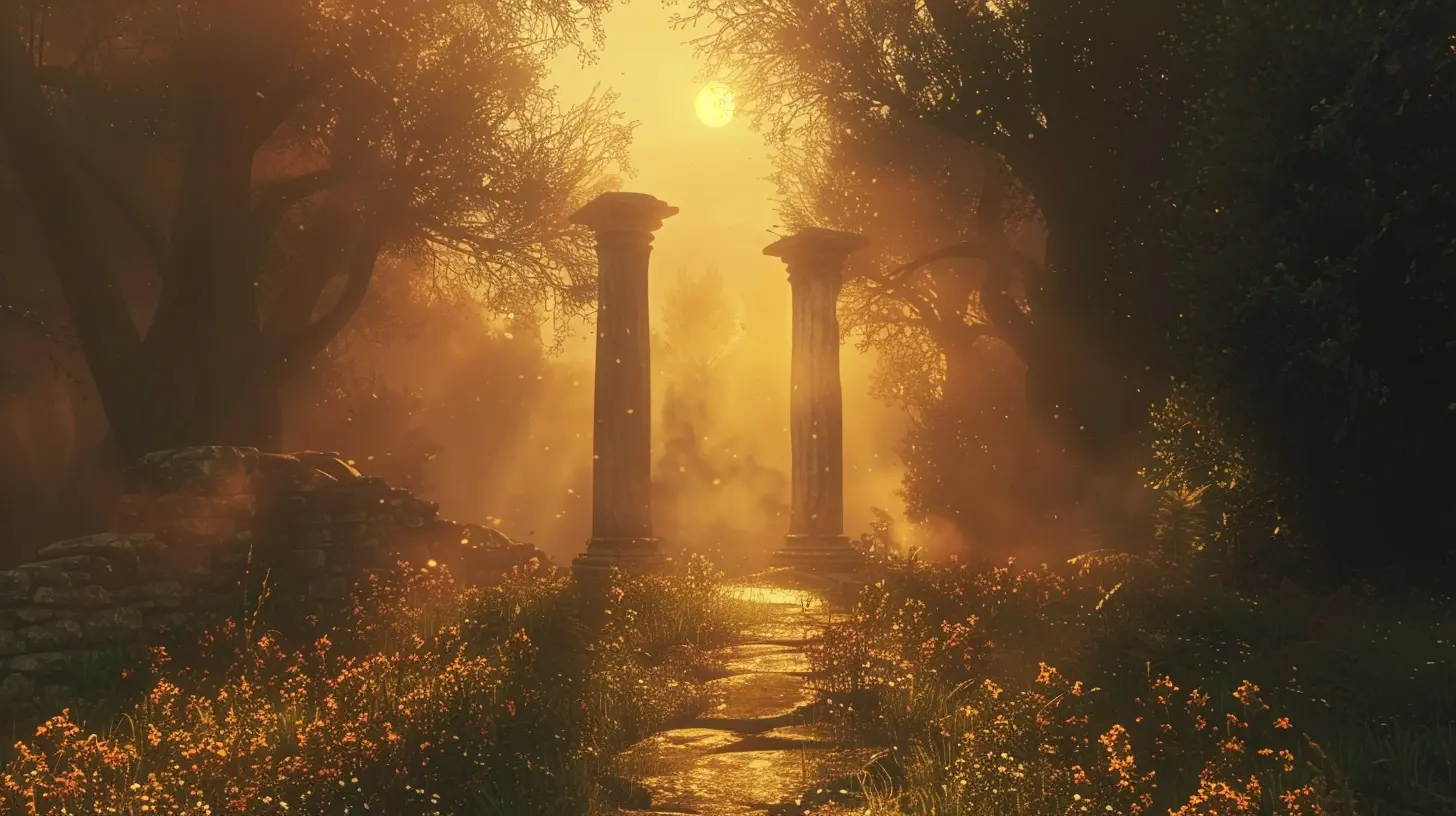
The Rebirth – Flying Into the Afterlife?
Right after that collapse, the screen fades to white. Then, in a stunning visual shift, your character is revived, glowing with otherworldly energy. You're suddenly soaring through snowy peaks, sliding down sunlit slopes, and dancing in the air.This isn’t gameplay anymore—it’s transcendence.
A lot of players see this as symbolic resurrection. Maybe not just a religious resurrection, but more of a spiritual awakening. It’s like your journey wasn’t just physical—it was emotional, even soul-deep. And now, you’ve let go of the worldly struggle and moved on to something greater.
Some like to call this part the “afterlife.” Others see it as enlightenment. Regardless of what you label it, there’s a sense of peace, fulfillment, even joy. It’s a reward—not for winning, but for enduring, for connecting, and for finally understanding what the journey was all about.
The Mountain – More Than Just a Destination
That glowing mountain you’ve been crawling toward for the whole game? It’s not just the finish line. It’s a powerful symbol.For some, it represents purpose—something you spend your entire life chasing. For others, it’s the inevitable ending: death. But it could also be read as a metaphor for personal growth, inner peace, or truth.
What’s wild about Journey is that the mountain never tells you what it means. But you feel something deep when you reach it. It’s like climbing your own mountain of grief, love, struggle, or transformation. And when you finally make it, it doesn’t matter what the mountain meant to anyone else. It’s yours.
The Companions – Were You Ever Really Alone?
Here’s where it gets personal.Remember those cloaked figures that joined you on the way? Those weren’t AI partners—they were real players. Strangers. No usernames. No voice chat. Just mutual understanding through movement and music.
This design choice flips the idea of multiplayer on its head. You’re not trying to defeat them or outdo them—you’re sharing a journey. It’s like having a silent friend walk beside you through life’s hardest moments.
In the final scene, if you had a companion, they're either with you or appear in the credits. It reminds you that even in your darkest journeys, you were never truly alone. That’s heavy, right?
The Light – Ending or Beginning?
As your character walks into the light at the mountaintop, there’s a serenity to it. You don’t resist. You just let go.But here’s the mind-bender: the game then shows a shooting star traveling back across the path you came from. It circles back to the start of the game.
Wait, what?
Yep. It’s a loop. The journey begins again. Which leads to the ultimate question:
Is this truly the end—or just the beginning of another journey?
The Cycle of Life, Death, and Rebirth
Journey's final moments nail the theme of cycles.Birth. Struggle. Death. Rebirth.
It mimics real life. We're born, we go through challenges, we connect with others, we reach goals, we lose, we win, and eventually, we pass. But maybe, just maybe, something continues.
Even if you don’t believe in an afterlife, this cycle can be symbolic. Every major life event is its own “journey.” Endings often make way for beginnings. A breakup teaches you how to love better. Grief shows you the depth of your heart. Failure leads to growth.
Journey taps into that universal rhythm in its final scene.
Why It Hits So Hard (Even Without Words)
Here’s the kicker: Journey tells this emotional story without uttering a single line of dialogue. No exposition. No cutscenes holding your hand.And yet the final scene is one of the most profound in gaming history. Why?
Because it speaks to something deeper than plot—it speaks to feeling.
The art, the music, the atmosphere... they all work together to stir something in you. It’s like the game is holding up a mirror, asking, “What did this all mean to you?”
And your answer? That’s the true ending.
Journey as a Metaphor for Life
Let’s not overcomplicate it: Journey is life.The desert is your youth—vast, open, full of wonder. The ruins? Your past, your memories, maybe your heartbreaks. The dark underground? Those tough moments that nearly crush your spirit. The mountain? Your purpose, your ending, your peace.
And the people you meet along the way? They might be temporary, but they change you.
The final scene of Journey forces us to reflect on that. It doesn’t tell you what to feel—but it makes sure you feel something.
And that’s rare.
The Real Victory: Emotion Over Explanation
Let’s be real. Most games want you to win. Achieve a high score. Beat the boss. Level up.Journey? It wants you to feel. To connect. To wonder.
The final scene isn’t about racking up points—it’s an invitation to reflect. To ask yourself:
- What did this journey mean to me?
- Who did I become along the way?
- What do I carry with me now that I didn’t at the start?
And maybe… what’s the next journey waiting ahead?
Final Thoughts: There’s Beauty in Not Knowing
In a world where every story is explained, spelled out, and stretched thin with sequels, Journey’s final scene dares to stay silent.It doesn’t hold your hand. It trusts you to feel your way to meaning.
That’s why people still talk about it years after first playing. Not because they “figured it out,” but because it made them feel something true—profound even.
So whether you see the ending as death, transcendence, or just the closing of one chapter before the next begins, there’s no wrong answer. You're meant to bring your own stories to the journey. And maybe that’s the point.
You might finish Journey, but Journey doesn’t finish with you.
all images in this post were generated using AI tools
Category:
Game Endings ExplainedAuthor:

Pascal Jennings
Discussion
rate this article
2 comments
Xeno Evans
That final scene hits differently—so much emotion in simplicity!
February 22, 2026 at 5:33 AM
Pascal Jennings
Thank you! I'm glad you felt the emotional depth in that simplicity—it's a testament to the power of storytelling.
Cooper Riggs
Journey's final scene transcends gameplay, weaving a poignant tapestry of connection and solitude. It’s a masterstroke that encapsulates the human experience—intertwining struggle, beauty, and the bittersweet joy of companionship, even in silence. A breathtaking farewell to our digital odyssey.
February 21, 2026 at 5:49 PM
Pascal Jennings
I appreciate your insights. The final scene truly captures the essence of connection and solitude, leaving a lasting impact that resonates deeply with our own experiences. It's a powerful conclusion to an unforgettable journey.