What the Ending of Batman: Arkham Knight Means for the Dark Knight
16 July 2026
The Batman: Arkham series has always known how to leave its fans speechless—whether it’s through intense boss battles, emotional gut punches, or cliffhanger endings that keep you up at night. But nothing hits harder than the ending of Batman: Arkham Knight. After countless hours of gliding across Gotham, taking down thugs, and unraveling dark secrets, the final moments of Arkham Knight leave us scratching our heads and asking one big question:
What just happened to Batman?
If you’re still piecing it all together, don’t worry—you’re not alone. Let’s break down the ending of Batman: Arkham Knight and what it truly means for the Dark Knight himself.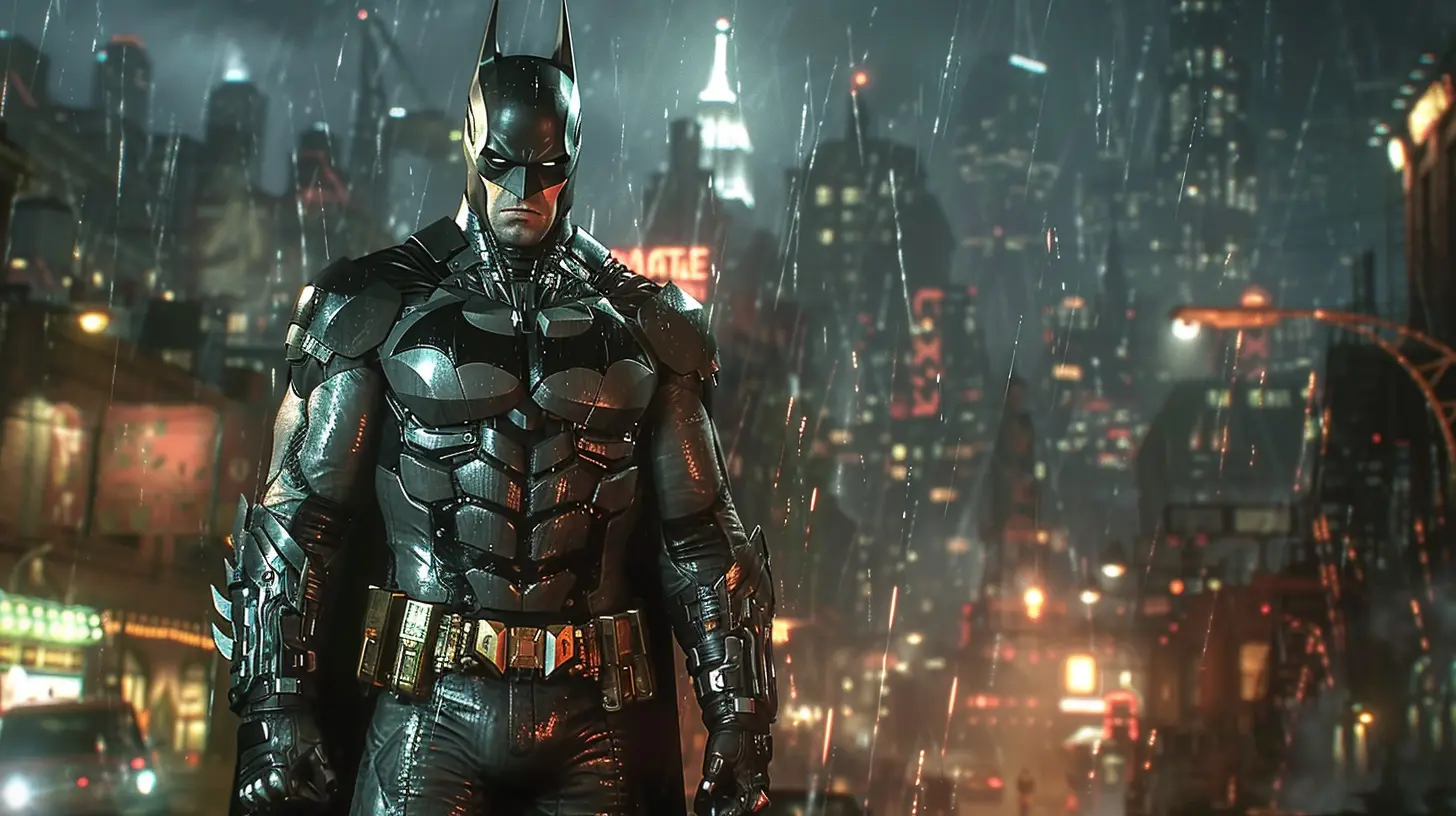
The Ending in a Nutshell (Spoiler Alert!)
Alright, before we dive deep, here’s a quick recap in plain English.After defeating Scarecrow and revealing his identity to the world, Bruce Wayne decides it's time to retire. But instead of sipping tea in Wayne Manor or flying off to paradise, he seemingly blows up his home—with himself and Alfred inside.
Wait… what?
Then, in the final scene, we see a family being mugged in an alley (sound familiar?). Just as the criminals are about to strike, a mysterious, fiery bat-like figure appears, terrifying them. This isn’t your typical Batman entrance—it’s supernatural, almost demonic.
So, what exactly is going on here?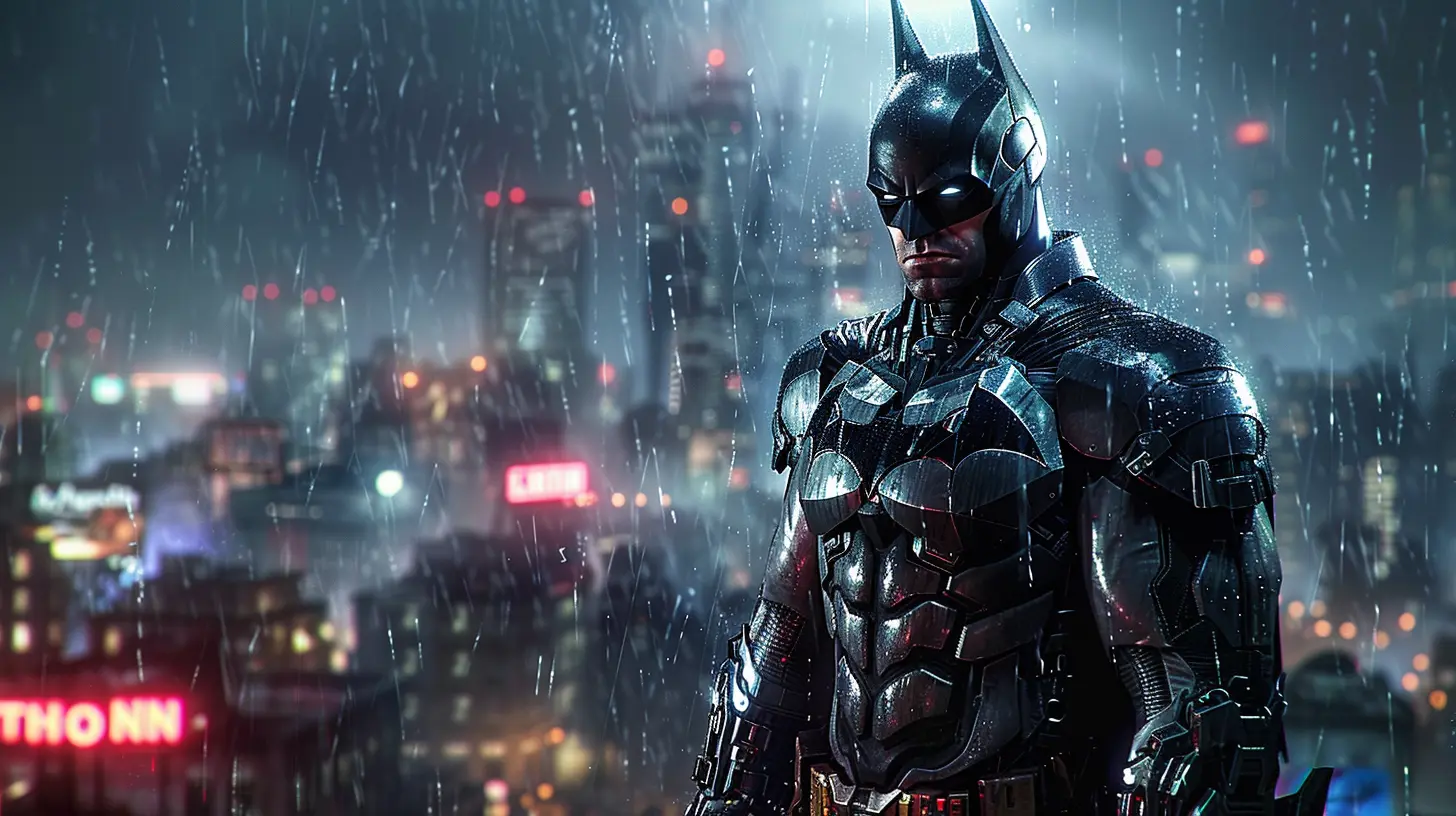
The Legacy of Fear: Becoming More Than the Batman
One of the biggest themes in Arkham Knight is the idea of fear—Scarecrow’s entire shtick revolves around it. But Batman has always used fear as a tool as well. From the very beginning, he’s said it: “I am vengeance. I am the night. I am Batman.”Throughout the game, Bruce faces the challenge of using fear in a world that’s constantly evolving. Villains are getting bolder, smarter, and more terrifying. So how do you fight fear? With even greater fear.
The final moments of the game suggest that Bruce is taking that idea to the extreme. By faking his death and possibly using technology, myth, or even the power of the fear toxin itself, he becomes a new Batman—one that is even more terrifying, more symbolic, and less human.
Think Batman meets ghost story.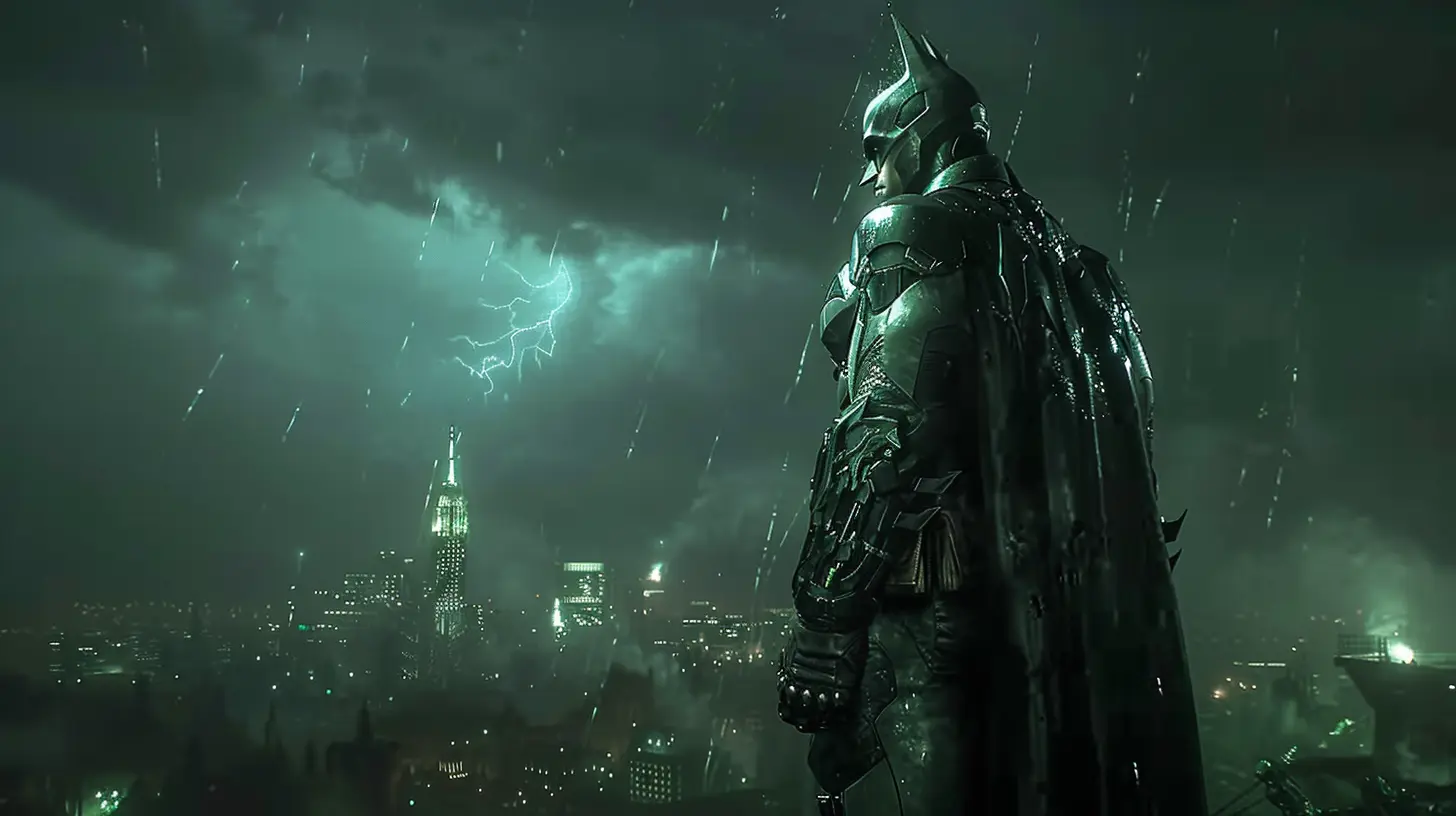
The Knightfall Protocol: A Hero’s Last Act
So, what's this “Knightfall Protocol” we keep hearing about?It’s Batman’s personal contingency plan for when the world knows who he really is. The second Bruce Wayne’s identity goes public, the Knightfall Protocol kicks in. It’s his way of disappearing so completely, no villain would ever feel safe again. It’s not just about retiring—it’s about becoming a legend.
The explosion at Wayne Manor was part of this plan. It’s not meant to kill him (though it leaves us guessing). Instead, it wipes the slate clean. Bruce Wayne is gone. Batman is gone.
But something new takes its place.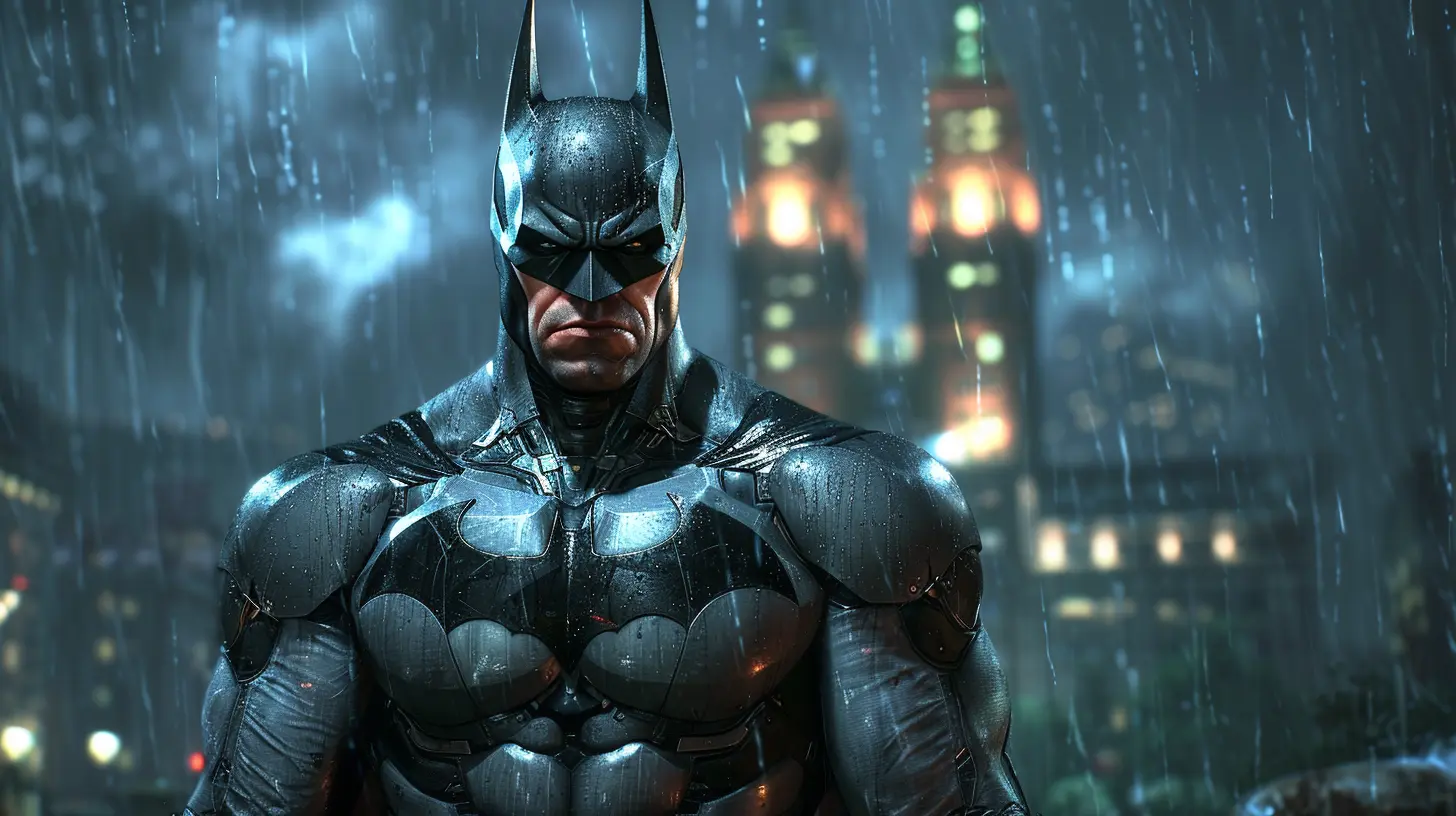
Is Bruce Wayne Actually Dead?
This one’s the million-dollar question, right?Honestly? Probably not.
There’s just too much evidence pointing to Bruce still being alive. Think about it—Batman doesn’t go down that easily, and we’ve seen him fake things before. Plus, Rocksteady is known for leaving things open-ended for a reason.
The figure seen at the end—ghostly, flaming, and terrifying—could very well be Bruce using fear tactics amplified by tech or even fear toxin (remember how he overcame Joker’s infection and took control of the fear toxin?).
In short, Bruce may have “died,” but Batman has evolved into a symbol more powerful than ever.
Joker’s Influence: Still Haunting the Bat
Let’s not forget one of the most chilling parts of Arkham Knight—Joker’s lingering presence in Batman’s mind.Though Joker’s physically gone, his psychological grip on Bruce is intense. For a while, we even question whether Batman is still in control. The game does a phenomenal job of showing how trauma doesn’t just vanish, and how darkness can sometimes feel like a comforting shadow.
That final transformation—if that’s what it was—could imply that Bruce has found a way to embrace the darker side without losing himself. It’s like he’s adopted some of Joker’s chaos but maintained his own mission.
Creepy? Yeah.
But oddly poetic.
Symbolism Galore: Fire, Shadows, and Rebirth
Let’s talk about that final image again—this new, burning Bat-creature descending from the sky like a demon.It’s no coincidence that it looks otherworldly. Fire often symbolizes rebirth. Think phoenix rising from ashes. And with Wayne Manor exploding in flames, it’s like everything old—Bruce's past, his fear, his limitations—was burned away to make room for whatever comes next.
This cycle of destruction and rebirth is classic Batman. He breaks. He evolves. He returns.
This time, he’s come back as something more terrifying than ever.
Alfred’s Role: Loyalty Till the End
Alfred’s presence during that final scene hits hard. If you’ve paid attention throughout the series, you know how deep their bond runs. Alfred isn’t just a butler—he’s Bruce’s moral anchor, his father figure, and his last connection to a life of normalcy.Hearing Alfred’s voice as Wayne Manor crumbles is symbolic of Bruce letting go of that humanity to fully embrace his destiny. It’s heartbreaking, but it might have been necessary.
To protect Gotham, he had to become something Gotham couldn’t understand.
The Future of the Batman Legacy
With Bruce seemingly gone, what happens to Gotham? Will someone else take up the mantle?There are hints peppered throughout the game suggesting possible successors—Nightwing, Robin, even Batgirl. But none of them appear in that final scene, which tells us something important:
Batman isn’t just a person anymore. He’s an idea, a myth. And this new version? It looks like Bruce has ensured that it’ll live on in terrifying fashion.
Kind of like how urban legends live longer than the people who inspired them.
Possible Sequel Connections?
Now, let’s put on our tinfoil hats for a second.A lot of fans have speculated about how this ending connects to future Rocksteady titles. With Suicide Squad: Kill the Justice League and other DC games in development, it’s possible that this “ghost Batman” has bigger plans.
Could he be watching from the shadows? Waiting to make a surprise return?
Or maybe, just maybe, Bruce Wayne is training a new generation of heroes (and scaring the pants off of villains while doing it).
Only time will tell.
The Emotional Weight of Letting Go
Stepping away from the action, let’s talk emotional impact.We’ve walked this journey with Bruce through thick and thin—from the gritty hallways of Arkham Asylum to the neon-soaked chaos of Gotham City. Watching him “die” isn't just a plot twist; it’s saying goodbye to a hero we’ve all connected with.
It feels like the end of an era. But at the same time, it’s a new beginning.
Because if there’s one thing the Bat has taught us, it’s that legends never really die. They just change form.
Final Thoughts: What It All Means for The Dark Knight
The ending of Batman: Arkham Knight isn’t meant to give you all the answers. It’s meant to challenge you. To make you think about what Batman represents—not just to Gotham, but to us as players, fans, and storytellers.Bruce Wayne may have hung up the cowl. But Batman? He’s still out there. Maybe not as a man. Maybe not even as someone you can touch or talk to.
But as a force.
As that chilling image in the night that makes criminals run the other way.
And hey, isn’t that exactly how it should be?
all images in this post were generated using AI tools
Category:
Game Endings ExplainedAuthor:

Pascal Jennings