What Game Designers Consider When Tweaking Mechanics
9 June 2026
Ever played a game and thought, “This just feels right”? That seamless flow of action, balance of challenge, and sense of satisfaction doesn't happen by accident. Behind the scenes, game designers are constantly analyzing, tweaking, and fine-tuning the mechanics to make sure you’re having the best possible experience.
But what exactly goes into tweaking game mechanics? Let’s peel back the curtain and dive into the wild world of game design. Warning: it’s part science, part art, and a whole lot of nerdy love.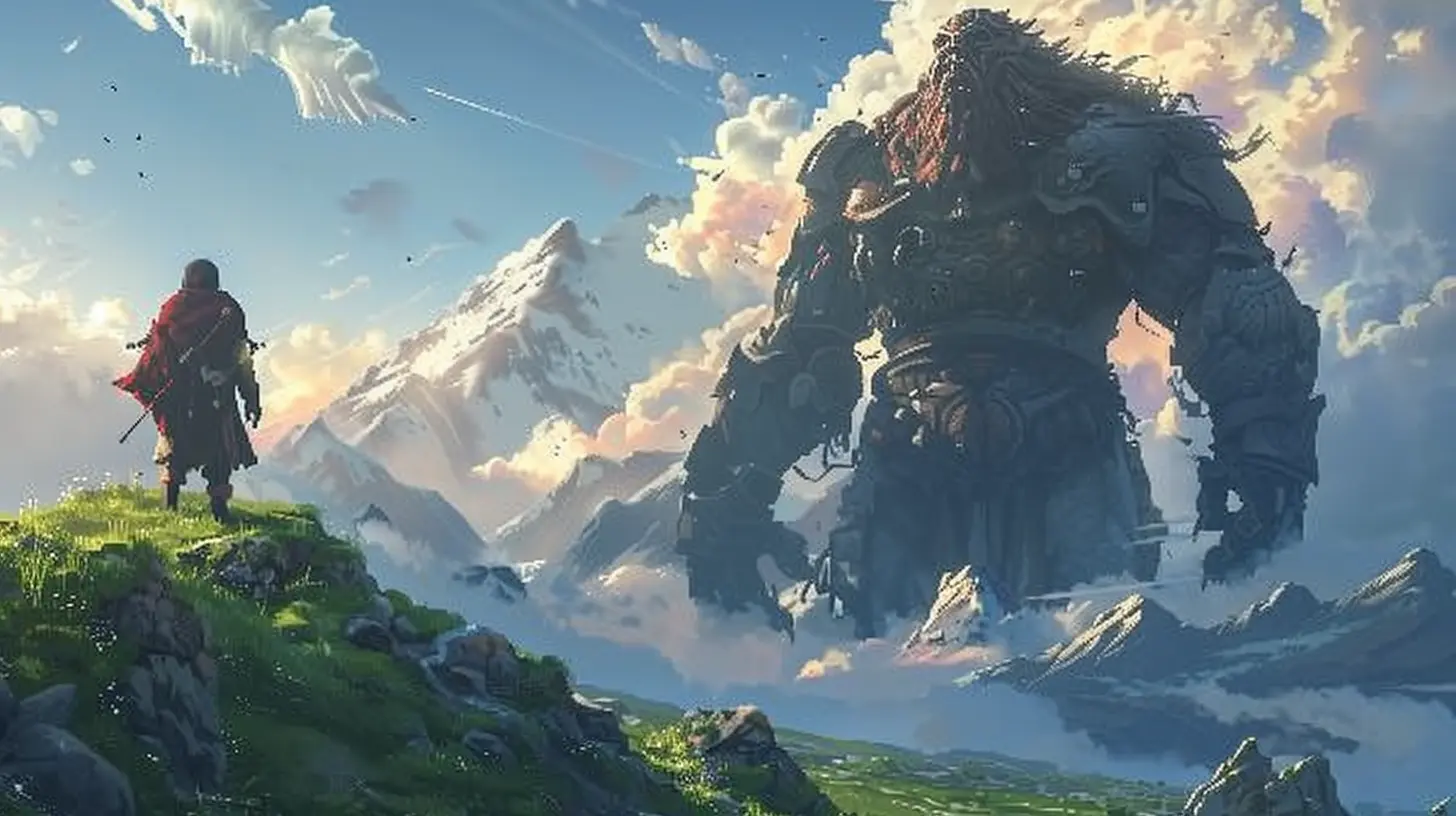
First Off, What Are Game Mechanics?
Before we look at what designers tweak, let’s break down what we mean by "mechanics." In simple terms, game mechanics are the rules and systems that govern how a game works. Think of them as the engine under the hood. They dictate how players move, interact, win, lose, and everything in between.Whether it's jumping in a platformer, aiming in an FPS, or crafting in a survival game—those are all mechanics. And tweaking them? It's like fine-tuning a sports car. One wrong turn of the wrench, and the whole ride feels off.
Why Tweak Game Mechanics at All?
You might wonder, “If a game’s working, why mess with it?” Great question. The answer is balance and player experience.Even the best ideas on paper don’t always pan out perfectly in practice. Once real players get their hands on a game, things start to shift. Maybe that sword does too much damage. Maybe one level feels impossible. Or maybe everyone’s spamming the same cheap move over and over (we’re looking at you, crouch-kickers).
Designers tweak mechanics to:
- Improve balance
- Enhance fun
- Respond to player feedback
- Fix bugs and broken systems
- Adjust difficulty
- Keep things fresh over time
The Core Factors Designers Consider When Tweaking Mechanics
Now we’re getting to the juicy stuff. Let’s break down the main things designers think about when they’re adjusting mechanics.1. Player Feedback: The Goldmine of Insight
Players are often the first line of quality control. No one stress-tests a game more thoroughly than an obsessed player base.Game designers pay close attention to:
- Forum posts
- Tweets and Reddit threads
- Gameplay videos
- In-game stats
- Feedback surveys
If players consistently complain about something or sing its praises, that’s a big flashing neon sign for developers to dig in and see what’s working—or what’s not.
But it’s not just about listening. It’s about reading between the lines. Sometimes players say a feature is broken when really the underlying mechanic causes frustration. Designers have to play detective.
? Example: In a PvP game, players might say a certain weapon is “OP” (overpowered). A designer will ask: Is it really too powerful? Or are you just not using the right strategy to counter it?
2. Balance: Keeping the Scales Even
Game balance is everything. If one strategy, character, weapon, or path becomes dominant, the rest of the game starts to feel irrelevant.Designers need to make sure:
- No playstyle is too strong or too weak
- Risk and reward are in harmony
- Game progression feels fair
- PvP meta doesn’t become stale
And here's the kicker—balance isn’t objective. What feels balanced to one player might feel unfair to another. That’s where data comes in.
? Designers often use heatmaps, win/loss ratios, and usage stats to keep tabs on how mechanics perform out in the wild.
3. Difficulty Curve: Finding That Sweet Spot
Ever played a game that was way too easy—or impossibly hard off the bat? That’s a sign of a wonky difficulty curve.Tweaking mechanics often revolves around:
- Smoothing out difficulty spikes
- Ensuring the game gradually gets tougher
- Giving players time to learn new systems before punishing them
Too hard, and players quit. Too easy, and they get bored. It’s a fine line.
? A good game should feel like a rollercoaster—thrilling highs, challenging drops, but always under control.
4. Flow and Pacing: The Heartbeat of Gameplay
Mechanics play a huge role in how a game feels. Designers constantly ask themselves:- Does the game flow naturally from one moment to the next?
- Are the controls responsive?
- Is there too much downtime or overwhelming action?
Imagine playing a shooter where reloading takes ages. Even if it’s realistic, it might kill the momentum. Tweaking the reload speed by even half a second can totally change the game’s rhythm.
5. Game Economy: Balancing Resources and Rewards
For games with loot, crafting, money, or skill points, the in-game economy is a balancing act.Designers ask:
- Are rewards too easy or too hard to get?
- Are players hoarding items because they're too valuable?
- Is there a reason to explore, trade, or grind?
If players feel rich too soon, they lose interest. If they stay broke forever, it’s frustrating. A well-tuned economy gives just the right amount of satisfaction and incentive.
?Think of it like giving candy to a kid—you want to keep them happy, not hyper.
6. Emergent Gameplay: Watching the Sandbox Evolve
Sometimes, players use game mechanics in unexpected ways—and that's not always bad.Designers love when mechanics combine in surprising ways that enhance gameplay. But if these combinations lead to exploits or unintended dominance, it might be time for a tweak.
⚒️ For example, if two abilities combine to make a character unkillable, you’ve got a problem. On the flip side, if players use sticky bombs to make flying cars (you know the type), and it’s fun, maybe lean into it!
7. Meta Evolution: Staying Ahead of the Game
In competitive or online games, the "meta" (most effective tactics available) is always shifting. Game designers monitor this closely and tweak mechanics to:- Keep the meta fresh
- Encourage diverse strategies
- Discourage repetitive, boring gameplay
This is especially important in games with seasons, updates, or expansions. Players crave novelty, and a stale meta can kill community hype fast.
?️ Think of the game as a living world—it needs regular updates to stay vibrant.
8. Player Progression and Retention
Mechanics tied to player growth—like leveling, unlocking gear, or learning new skills—often need extra attention.The goal? Make players feel a constant sense of improvement without making things too grindy.
Designers tune:
- XP rates
- Unlock timings
- Skill trees
- Perks or progression bonuses
When done right, these tweaks make players say, “Just one more match.” When done wrong, they uninstall. Ouch.
9. Intended vs. Actual Experience
Here's a fun one: Sometimes the way a mechanic plays out isn't how it was intended to be used.Designers have to step back and ask: Is the player experience matching our vision?
If not, they might adjust the mechanic to push players toward the desired behavior.
? Example: If stealth is a key part of your game but everyone’s just going in guns blazing—that says something! Do you need to buff stealth tools? Or nerf combat? That's the kind of call designers have to make.
The Tools Designers Use to Tweak Mechanics
Tuning mechanics isn't guesswork. Designers use a lot of tools, including:- Playtesting: Watching real players interact with the game
- Telemetrics: Collecting data on how players play (completion rates, deaths, clicks)
- A/B Testing: Trying out two versions of a mechanic to see which works better
- Patch Notes Analysis: Observing how the community reacts to updates
- Internal Simulations: Running math models or AI to test balance and outcomes
It's a blend of hard numbers and human insight. You can’t rely on just one.
When Tweaking Goes Too Far
It’s not always sunshine and bug fixes. Sometimes, tweaking a mechanic causes more harm than good.Examples of tweaking gone wrong:
- Over-nerfing a popular weapon and making it unusable
- Changing the core feel of a game that fans love
- Breaking another mechanic in the process (hello, butterfly effect!)
There's a reason patch notes sometimes read like "We fixed a bug that caused the sun to disappear." Everything’s connected.
Final Thoughts: A Game Designer’s Balancing Act
Tweaking game mechanics is like tuning a musical instrument. Too tight, and the string snaps. Too loose, and it sounds awful. Designers walk that tuning line day in, day out.There’s no universal formula. It’s about intuition, feedback, testing, and a deep love for making games better one tweak at a time.
So next time that patch note shows up adjusting jump height by 0.2 seconds or increasing damage output by 5%, remember—every pixel and percentage probably came from hours of deep thought and heated debates.
all images in this post were generated using AI tools
Category:
Game BalancingAuthor:

Pascal Jennings
Discussion
rate this article
2 comments
Drew Ruiz
Game designers must balance player experience with game mechanics to improve engagement.
July 20, 2026 at 2:14 PM
Elara Cook
It's fascinating to see how thoughtful design can impact a player's experience. Balancing mechanics takes a lot of trial and error. Kudos to the designers for their dedication to creating engaging and enjoyable gameplay for everyone.
June 23, 2026 at 3:03 AM