Explaining the Ending of The Stanley Parable and Its Commentary on Games
25 May 2026
So, you’ve just finished playing The Stanley Parable, and now you're sitting there, staring at the screen, wondering… what on Earth just happened?
Don’t worry — you're definitely not alone in that camp.
The Stanley Parable isn’t your typical video game. It doesn’t have big boss fights, magical swords, or a concrete “you win” moment. Instead, it tosses you into a looping narrative playground where the ending changes based on your choices — or, sometimes, your refusal to choose. And that’s kind of the whole point.
In this article, we’ll break down the many endings of The Stanley Parable, what they really mean, and how the game gives a clever, sometimes hilarious, sometimes deeply unsettling commentary on video games themselves.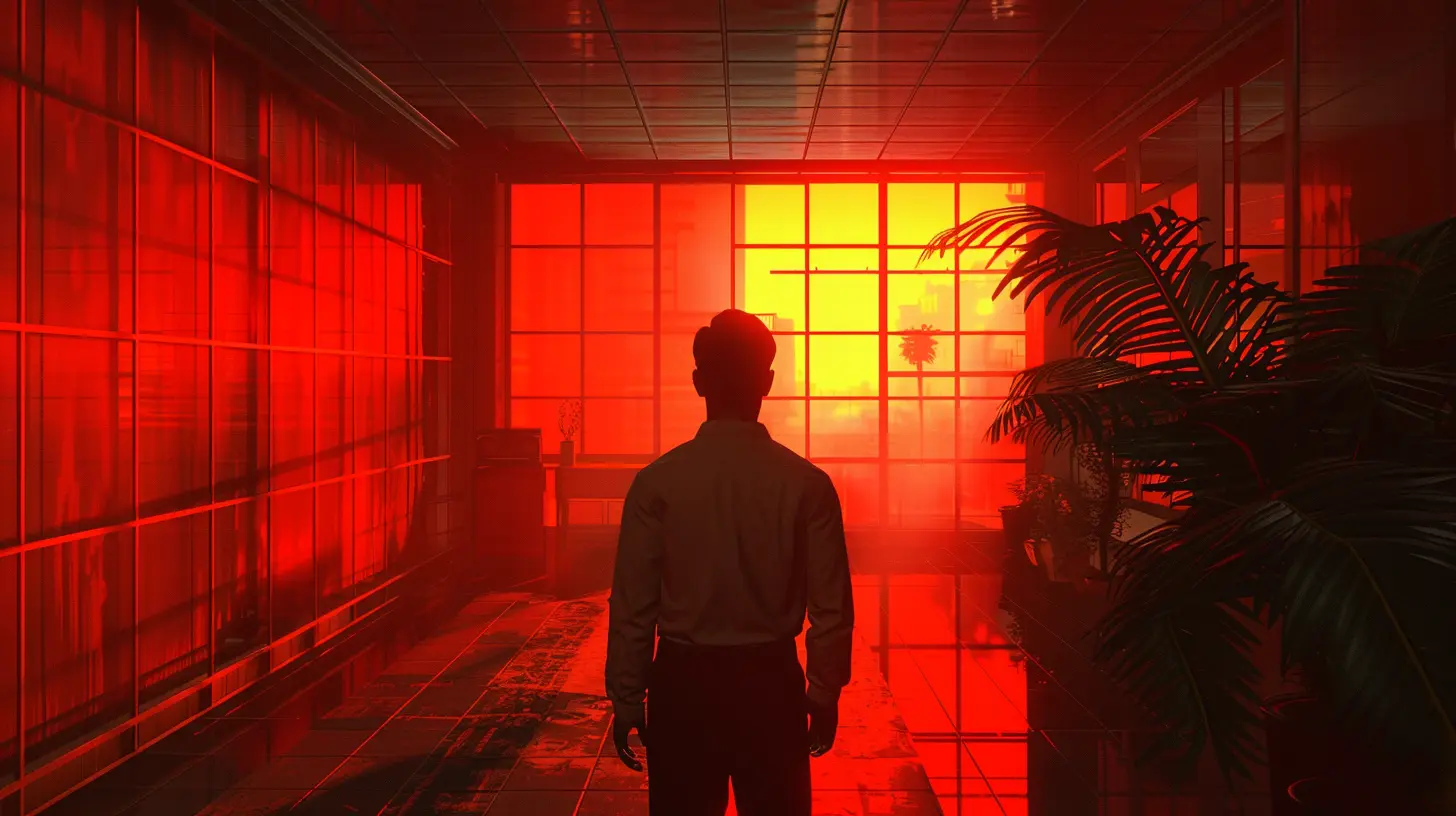
What Is The Stanley Parable, Anyway?
Before we dive into the deep stuff, let’s make sure we’re on the same page.The Stanley Parable is a first-person exploration game developed by Galactic Cafe. Originally a mod for Half-Life 2, it eventually became its own standalone release and was later updated as The Stanley Parable: Ultra Deluxe, adding even more mind-bending content.
You play as Stanley, Employee #427, whose job is to sit in an office and push buttons based on instructions. One day, his coworkers vanish without explanation. A narrator (voiced brilliantly by Kevan Brighting) begins guiding you through what you “should” do.
But here’s the kicker — you don't actually have to obey.
That’s where things get weird. And fascinating.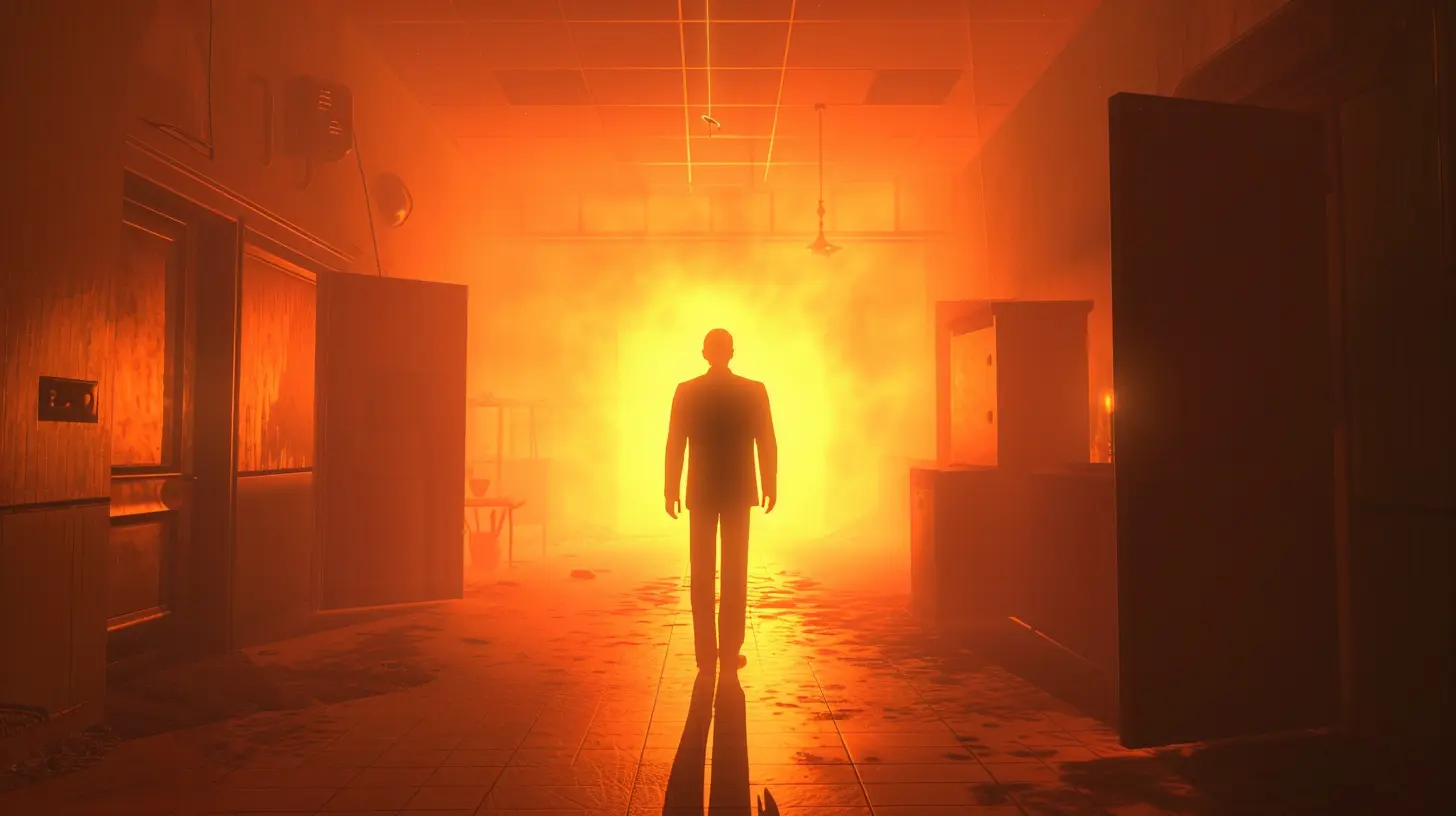
The Game Is All About Choice (Or Is It?)
Let’s start with one of The Stanley Parable's central themes: choice.As soon as you begin playing, you’ll encounter meaningful-looking decisions. The most iconic one? A pair of doors. The narrator says, “Stanley went through the door on the left.” But you, of course, can decide to go right.
And that’s when you realize: this game is watching your every move.
Each choice you make twists the story — sometimes subtly, sometimes drastically. And depending on what you do (or don’t do), you’ll hit one of several endings. Some are funny, others are downright depressing, and a few are total head-scratchers.
But here’s the kicker: are you really making your own choices? Or are you just reacting to a system built to manipulate you into thinking you’re in control?
Mind blown yet?
The Many Endings: What Are They Trying to Say?
Rather than one “true” ending, The Stanley Parable has dozens. Let’s look at a few of the more iconic ones and try to unpack what’s really going on.1. The Obedience Ending (a.k.a. The “Freedom” Ending)
Let’s say you follow the narrator’s instructions to a T. Go through the left door, shut down the mind control machine, escape the office. Yay, you’re free!Or are you?
This ending feels satisfying at first — you did what the narrator said, and you’re rewarded with freedom. But look closer. If you do everything you’re told, aren’t you just following a different kind of script?
This so-called “freedom” is still on rails.
? It’s like being handed a coloring book and told you can draw anything you want — as long as you stay inside the lines.
The game’s poking fun at games that promise player agency but still funnel you down a set path.
2. The Disobedience Ending (a.k.a. The Confusion Ending)
This one is total chaos, and that’s kind of the point.You start going off the beaten path, and the narrator stumbles over himself trying to maintain control of the story. You even access a “Stanley Parable Adventure Line™,” which is hilariously arbitrary and soon breaks down into complete nonsense.
Eventually, the game resets. Again.
This ending is commentary gold. It highlights how, in many games, even when you think you’re being rebellious, you’re still trapped within somebody else’s design.
? It’s theater, and the game is pulling back the curtain.
3. The Coward’s Ending
This one's quick — you simply close the door to Stanley’s office as soon as the game starts. That’s it.The game just… ends.
Is it a joke? Sure. But it’s also a nod to how some players opt out of systems they don’t understand. It’s the gaming equivalent of taking your ball and going home.
Sometimes, refusing to play is the only real act of rebellion.
4. The Escape Pod / Zending
This one's a bit more abstract. You try to escape the narrative completely. You end up in a white void, and the narrator gets increasingly frustrated or confused.This is the kind of ending that screams meta. The game is self-aware, and it wants you to be aware that it’s self-aware. It's like looking in a mirror reflecting another mirror — it just keeps going.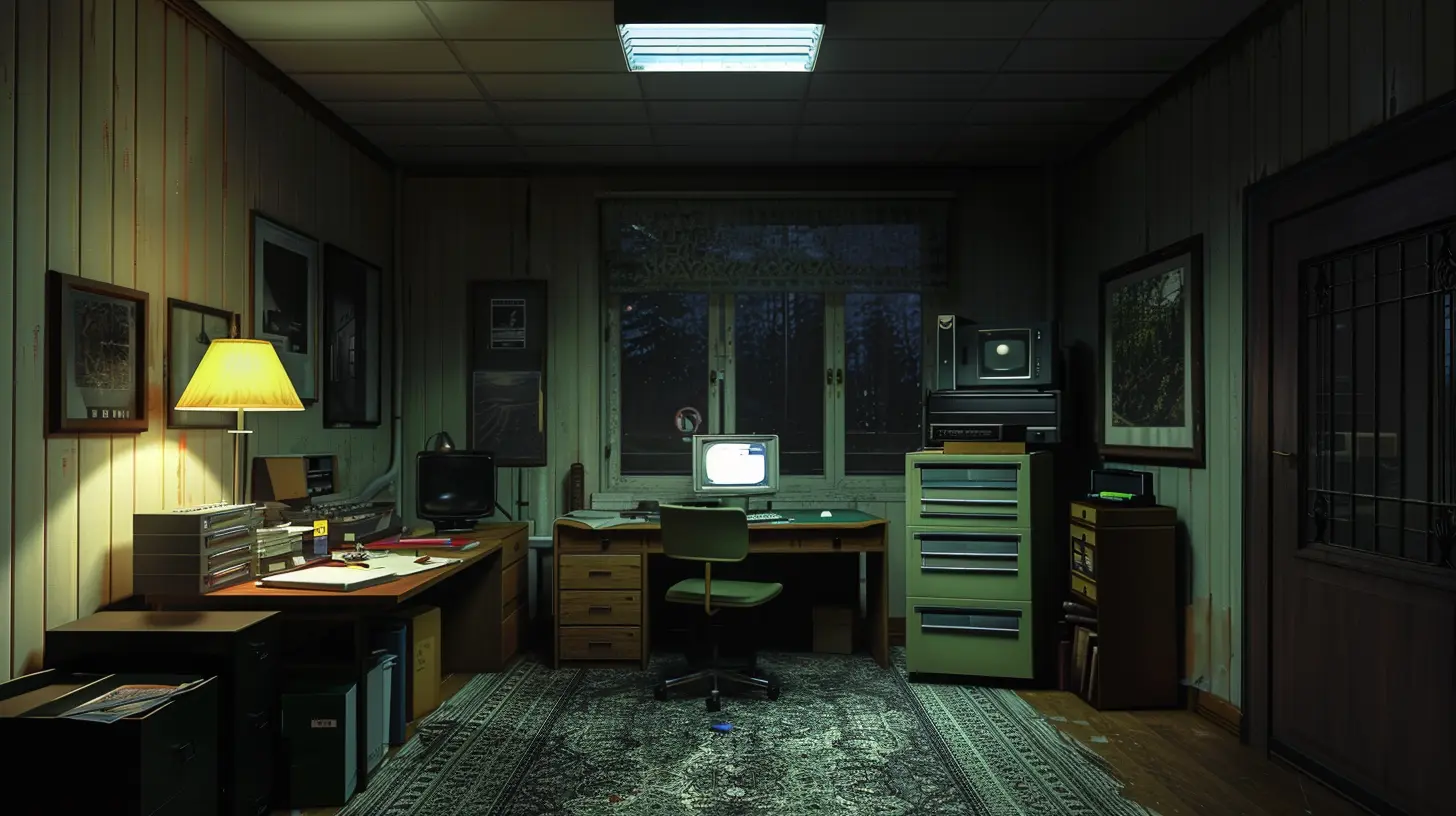
So… What Does The Ending Really Mean?
The short answer? It means whatever you want it to mean.But let’s dig a little deeper.
At its core, The Stanley Parable is a satirical look at video games, storytelling, and player agency. It’s a mirror held up to the medium — and to us, the players.
The game constantly asks one central question: who’s really in control here?
And that’s kind of brilliant.
Games often pride themselves on giving players freedom. But that freedom is always controlled. Designers build the world, write the story, create the mechanics. You can choose left or right, but only because someone pre-wrote both paths.
The Stanley Parable doesn’t just acknowledge that — it rubs your nose in it.
The Narrator: Your Best Frenemy
Let’s talk about the voice in your head — the narrator.He’s not just a narrator. He’s a character. Maybe even the antagonist. Or ally. Kind of both? Depends on how you play.
The narrator represents the game designer, the game engine, and even the expectations we bring as players. He wants to tell a story. A proper story. One with structure, meaning, closure.
But if you push back — if you go off script — he gets annoyed, sarcastic, even angry. Or he pretends not to care, which somehow makes it worse.
The back-and-forth between you and the narrator becomes the real game. It’s not about escaping the office — it’s about challenging the narrative boundaries the game sets up.
Breaking the Fourth Wall — And Then Some
This game isn’t just a little self-aware. It’s hyper-self-aware.It doesn’t just break the fourth wall — it takes a sledgehammer to it.
From mocking traditional game design tropes to literally resetting itself when it runs out of ideas, The Stanley Parable constantly plays with your expectations.
One moment it’s guiding you, the next it’s laughing at you, and then it’s asking you deep philosophical questions like:
- What is the nature of free will?
- What does it mean to “win” a video game?
- Are choices meaningful if all outcomes are predetermined?
It’s like a philosophy class disguised as an office simulator.
A Satire on Game Design at Large
Let’s zoom out for a second.The Stanley Parable isn’t just about itself — it’s about games as a whole.
It critiques:
- Linear storytelling: Games that pretend you have a choice, but actually don’t.
- Power fantasies: Games that make you feel like a god but funnel you through scripted events.
- Narrative control: How developers often guide players to feel certain emotions or make “correct” decisions.
In doing so, The Stanley Parable flips the script entirely. It doesn’t just ask you to play — it asks you to think about the act of playing.
? It’s the video game equivalent of a magician showing you the trick — then using that to make the next trick even more mind-blowing.
Why The Stanley Parable Matters (Even Years Later)
You might be wondering — why are people still talking about this weird little indie game years after it came out?Because it’s timeless.
The Stanley Parable speaks directly to a maturing gaming community that wants more than just bigger explosions and prettier graphics. It dares to ask deeper questions. And it doesn’t hold your hand or pretend to give you definitive answers.
It gives you just enough rope to tie your own narrative knot.
Plus, it’s funny. Like, actually funny — in a dry British way that pokes fun at both itself and the genre it exists in.
That’s a rare combo.
Final Thoughts: There Is No "Ending"
It feels weird to “end” an article about a game that, by design, never really ends.No matter how many times you play The Stanley Parable, you’ll always find something new. A path you missed. A line of dialogue that hits differently. A realization that messes with your head all over again.
But maybe that’s the point.
Just like Stanley, we’re all trying to make sense of a system that wasn't built for our understanding. And maybe, just maybe, the beauty is in the absurdity.
So go ahead — fire it up again. Choose a different door. Or don’t.
Either way, the narrator will be waiting.
all images in this post were generated using AI tools
Category:
Game Endings ExplainedAuthor:

Pascal Jennings
Discussion
rate this article
2 comments
Edith Rivera
The ending of The Stanley Parable brilliantly critiques player choice and narrative freedom, leaving a lasting impact on gaming.
June 30, 2026 at 2:49 PM
Pascal Jennings
I appreciate your perspective. The ending really does challenge our expectations about choice in games, making us reflect on our decisions long after playing.
Zylith Flores
The ending challenges our choices, revealing how games manipulate player agency. Brilliant!
May 25, 2026 at 4:41 PM
Pascal Jennings
Thanks for your insight! The ending really does highlight the tension between choice and manipulation in games. Glad you found it thought-provoking!