Unraveling the Final Moments of Life is Strange
13 May 2026
If you're like me, the ending of Life is Strange probably hit you like a ton of emotional bricks. After all the time spent navigating time itself, building relationships, and facing the consequences of your every choice, the final moments of the game don’t just ask you to make a decision — they ask you to make a sacrifice. And not just any sacrifice. We’re talking about the kind that lingers in your mind long after you’ve set your controller down.
In this deep dive, we’re going to unpack the final moments of Life is Strange — what they mean, why they matter, and how they cement the game’s place as one of the most emotional storytelling experiences in modern gaming.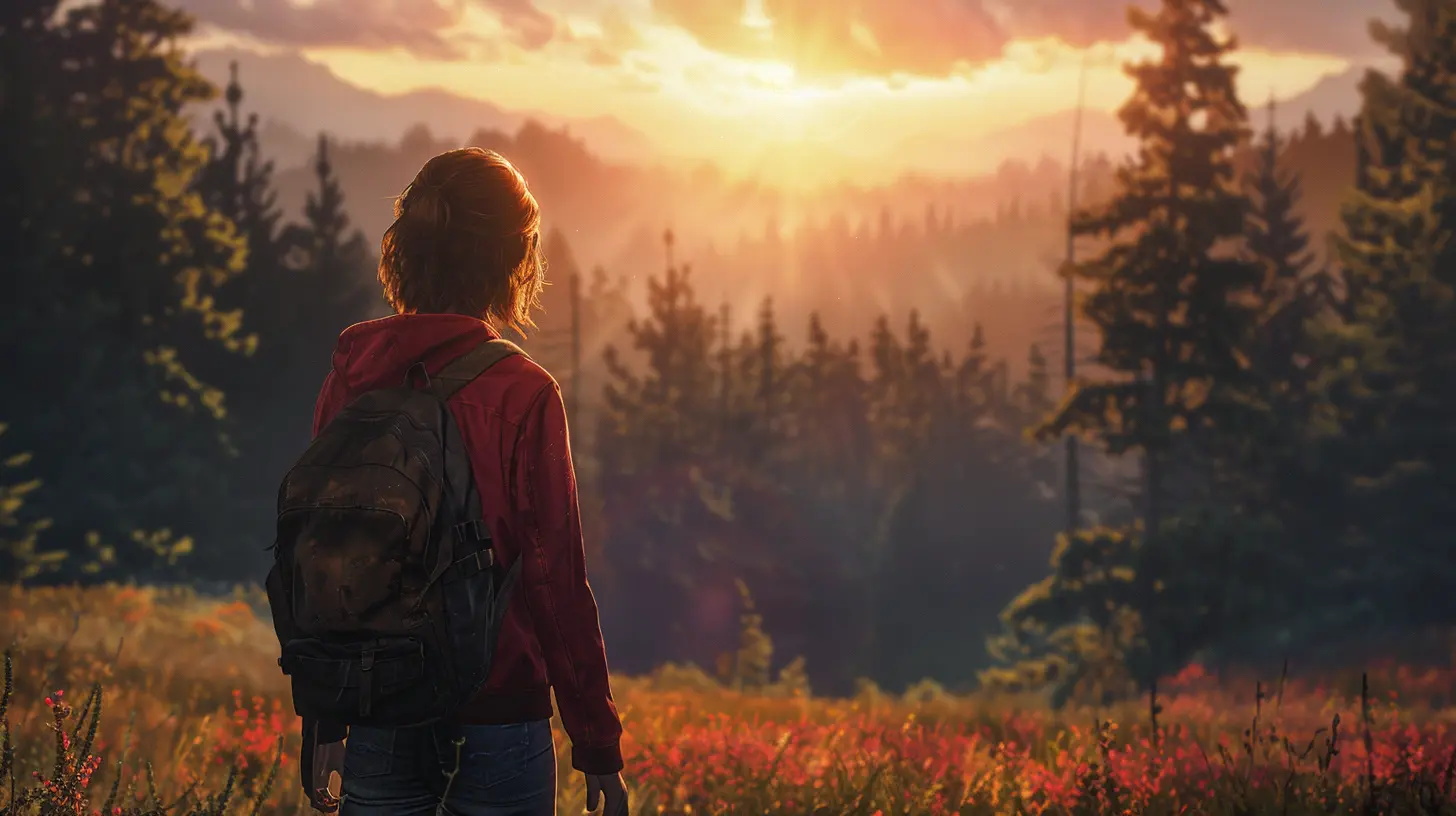
Setting the Stage: A Storm, Two Friends, and a Whole Town at Risk
Before we can really appreciate the ending, let’s quickly recap what’s going on. You're Max Caulfield — an 18-year-old photography student who discovers she has the ability to rewind time. Throughout the game, Max uses this power to try to save her best friend Chloe Price while uncovering a dark mystery in the town of Arcadia Bay.But every tweak in the timeline comes at a cost. The butterfly effect is in full swing here. You save Chloe countless times, and with each save, things spiral further towards chaos, culminating in a monstrous storm bearing down on the town.
And with the storm about to annihilate Arcadia Bay, Max faces a final, impossible choice.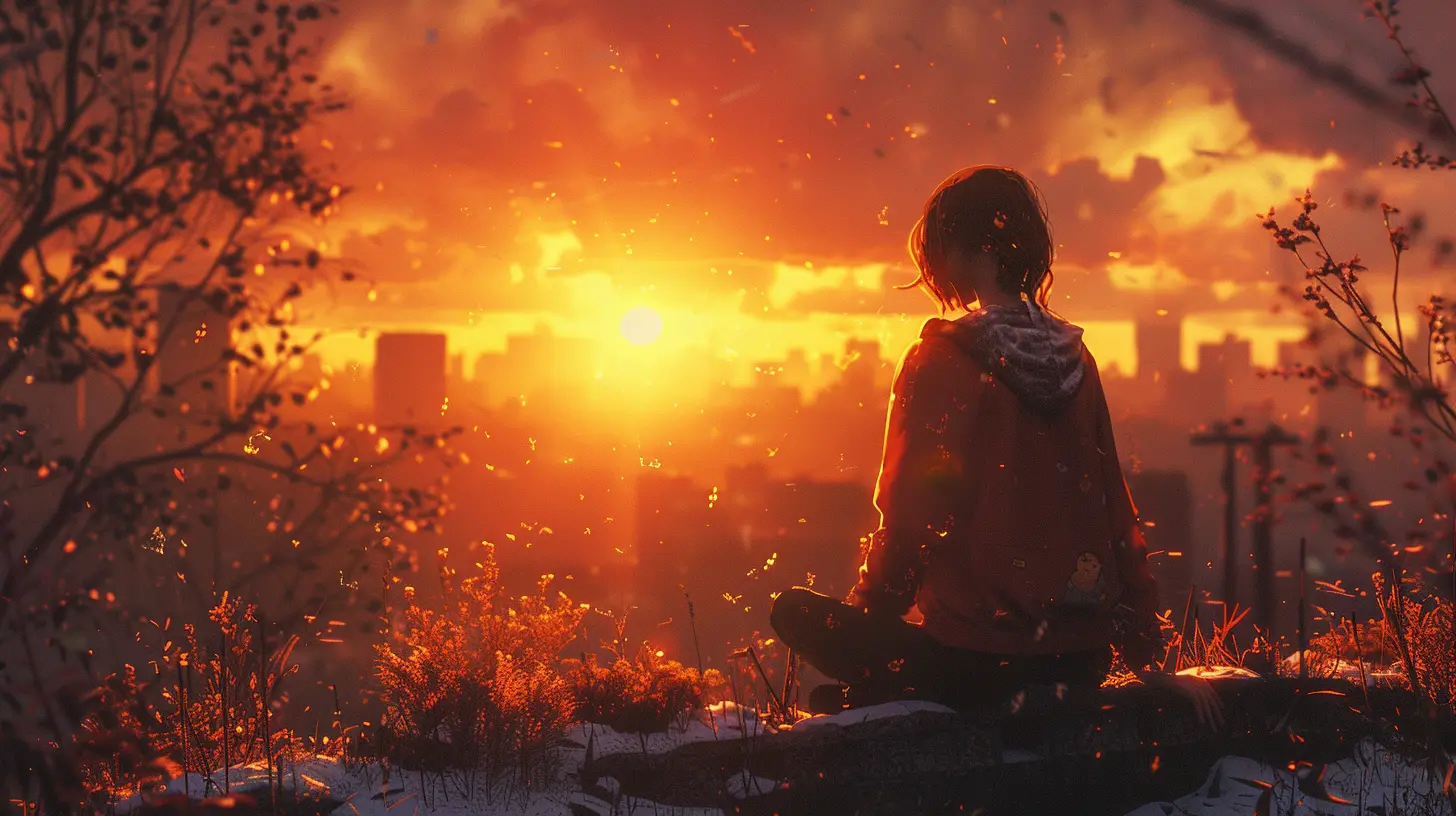
The Final Choice: Chloe or Arcadia Bay?
Let’s talk about that gut-wrenching moment.After everything — all the rewinds, the heartbreak, the clues, the losses — you end up at a literal crossroads. You’re standing with Chloe in the ruins of your world, and she looks at you with eyes that understand everything. Then come the two choices:
1. Sacrifice Chloe
2. Sacrifice Arcadia Bay
No matter what you choose, someone loses. There is no perfect ending. And that’s kinda the point.
But why does it hurt so much?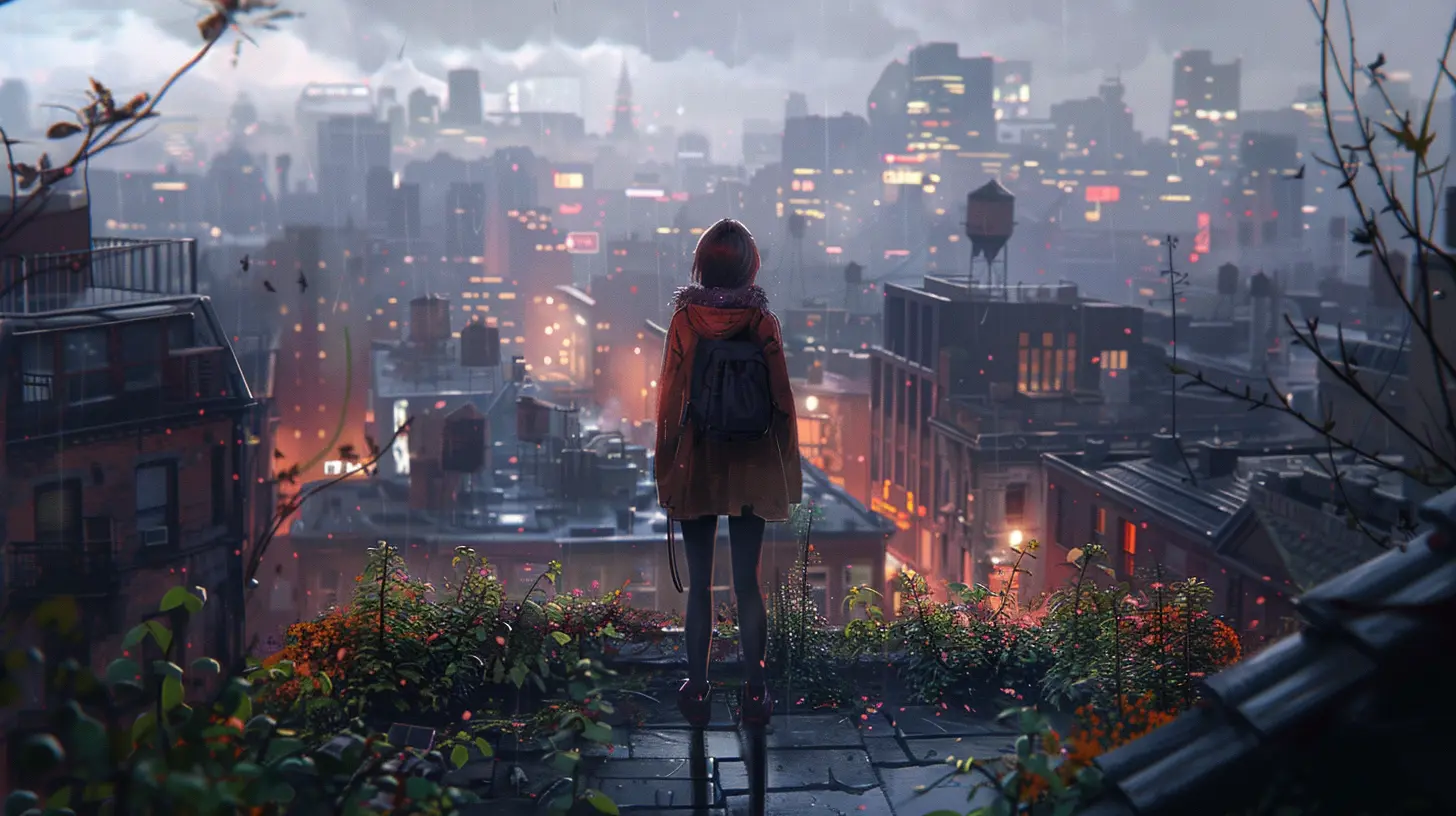
Diving Into the Sacrifice Chloe Ending
Choosing to sacrifice Chloe takes you all the way back to the first bathroom scene — the moment Max originally rewound to save her. You let the scene play out. You don’t go back this time. Chloe dies in that bathroom, just as she was supposed to.And just like that, every memory you've made with Chloe in the past five episodes vanishes. It’s like pressing the delete button on a friendship that changed your life. You attend her funeral, and the storm never happens. Arcadia Bay stands whole and untouched.
This ending is brutal. You lose the person you've fought the entire game to protect. But in doing so, you save hundreds, even thousands, of lives. It forces players to confront the painful truth that sometimes, the right thing isn’t always the thing we want to do.
This ending screams utilitarianism — the needs of the many outweigh the needs of the few. It’s emotionally devastating, but it paints Max as someone who accepts responsibility and makes the ultimate sacrifice to fix what went wrong.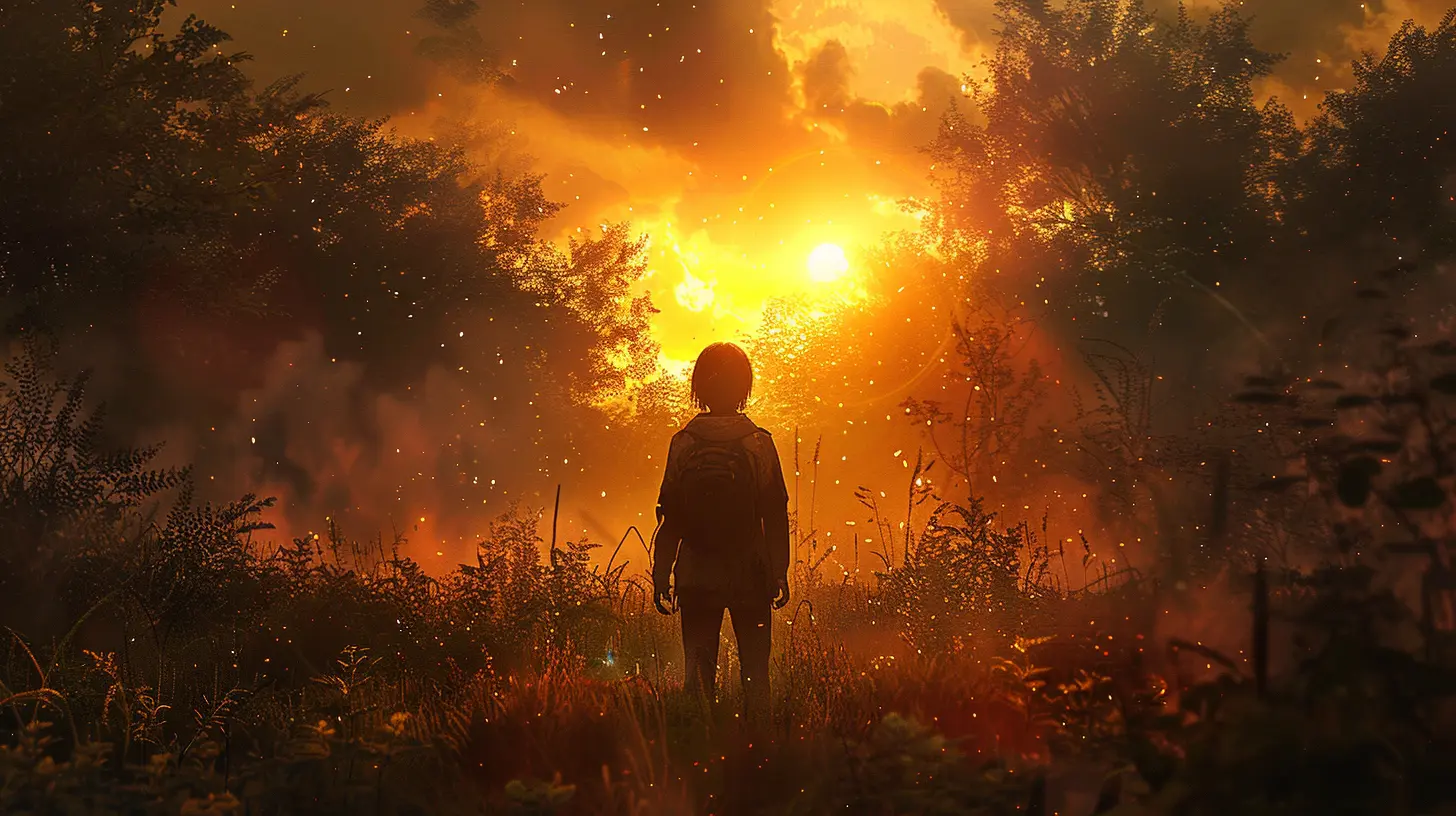
Choosing Chloe: Sacrifice Arcadia Bay
On the flip side, choosing to sacrifice Arcadia Bay leads to a powerfully different ending. Max and Chloe escape the storm together, driving away from the town as it's wiped off the face of the map. There’s no ceremony, no funeral — just raw survival.You see the destruction. You see the body bags. And you realize that your choice to keep your best friend alive cost an entire town.
But here's the crazy part — some players don’t feel guilty. In fact, many feel that saving Chloe is the only real choice because of the connection they’ve built with her. Chloe is more than just a friend — she’s the friend. The one who believes in you, challenges you, inspires you.
There’s a cynical beauty in this ending. It embraces the idea that love and loyalty sometimes blind us to logic. It’s selfish, sure, but honest. And sometimes, honesty is more powerful than morality.
Why Both Endings Work (Even If They Break Your Heart)
A lot of games strive to give you "choices that matter," but let’s be real — most of those choices end up feeling superficial. Not Life is Strange.This game takes all the emotional momentum it built over hours of dialogue, branching paths, and rewind mechanics — and cashes it all in at the end. There’s no right answer. You just have to live with your decision.
It’s the ultimate test of everything the game taught you: consequences, friendship, loss, time, and memory.
And that’s what makes it so damn brilliant.
Do Your Choices Really Matter Leading Up to the End?
Here’s where things get interesting. From a gameplay mechanic perspective, no matter what you do throughout the game — whether you kiss Chloe or don’t, whether you save Kate or not — the ending still boils down to those two choices.That led some players to feel like the journey didn’t matter. But I’d argue the exact opposite.
The choices may not change the ending, but they change you. They change how you feel about the ending. Your relationship with Chloe, your understanding of Max’s values, and your perception of Arcadia Bay — all of that colors your final decision.
It’s like re-reading a book where you already know who dies in the end. You look for the signs, the symbolism, the foreshadowing — and it hits harder, not softer.
So yes, your choices matter. They just matter emotionally rather than mechanically.
Themes That Hit Hard in the Final Moments
When you boil it down, the ending of Life is Strange isn’t just about saving a friend or a town. It’s about:- Fate vs. free will
Max keeps trying to change what’s meant to happen. But does she ever really succeed? Or does fate always catch up?
- Personal attachment vs. greater good
Would you give up the one person you love to save strangers? What if those strangers are your neighbors? Your classmates?
- Growth through loss
Max’s journey is one of emotional maturity. She starts as a quiet girl with a camera and ends as someone who’s seen the price of tampering with life and death.
The game doesn’t answer these questions for you. It just lays them out like falling dominoes and lets you watch the emotional aftermath.
What the Ending Says About You
This might sound dramatic, but the choice you make at the end of Life is Strange kinda reveals a piece of who you are.- Picked Chloe? Maybe you value relationships above all else. You live in the now. You protect the people closest to you, no matter the cost.
- Picked Arcadia Bay? You might be practical. You see the big picture. You believe in doing what’s right for the majority, even if it means breaking your heart.
Neither choice is wrong. They’re just different windows into how we deal with love, loss, and responsibility.
The Legacy of Life is Strange's Ending
Years after release, the final moments of Life is Strange are still being debated, analyzed, and even relived through fan-made content, theories, and mods. That’s not an accident.Developers didn’t just create a game — they crafted an emotional journey.
The ending serves as a mirror. Not just for Max or Chloe, but for you. Your values, your instincts, your version of morality — they all get reflected in that final scene. And that’s why we’re still talking about it.
Did the Ending Need More Closure?
Some players have criticized that the "Sacrifice Arcadia Bay" ending felt rushed — no epilogue, no aftermath, no explanation of where Max and Chloe go from here.And you know what? That’s fair criticism.
But there’s an argument to be made that the lack of closure is the point. Life doesn’t always give us neat bullet-point endings. Sometimes we just drive off into the horizon not knowing what’s next — and isn’t that exactly what Max and Chloe have been doing all along?
What Life is Strange Teaches Us About Choice
If there’s one thing Life is Strange nails, it’s that time travel can’t save you from real life. You can rewind and redo, but some things can’t (and maybe shouldn’t) be changed.The final choice isn’t just a plot twist — it’s the thematic heartbeat of the entire experience. It forces us to examine our own beliefs and ask tough questions:
- When do you let go?
- Can one life outweigh many?
- What would you give up to hold on to what matters?
Final Thoughts: No Right Answers, Just Real Ones
Unraveling the final moments of Life is Strange is like pulling apart the threads of a personal tragedy. The game builds you up to love, then asks you to choose who or what you’re willing to lose — no cheats, no take-backs.That’s what makes it unforgettable.
So whether you saved Chloe or sacrificed her, just know this: the ending didn’t define the journey. You did.
And maybe, just maybe... that’s the whole point.
all images in this post were generated using AI tools
Category:
Game Endings ExplainedAuthor:

Pascal Jennings
Discussion
rate this article
2 comments
Sylvan Barnes
Life is Strange really tugs at the heartstrings. Those final moments make you reflect. Can't wait to hear everyone's thoughts on this emotional ride!
June 9, 2026 at 4:17 PM
Pascal Jennings
I completely agree. Those final moments hit hard and leave you thinking long after. It's a powerful experience that lingers. Excited to see the community's reactions too!
Sylph McBride
Life is Strange touches on such profound themes of love, loss, and choice. The final moments resonate deeply, reminding us of the weight of our decisions and the connections we forge. It's a poignant reflection on life that lingers long after the game ends.
May 17, 2026 at 4:12 PM
Pascal Jennings
Absolutely. The final moments encapsulate the emotional depth of the game, emphasizing how our choices shape our lives and relationships. It's a powerful reminder that every decision counts.