Understanding the Time Loop in Outer Wilds
26 July 2026
Ever wake up only to realize you're stuck in the same 22-minute loop, your sun just exploded (again), and your only job is to figure out what the heck is going on? Yeah, welcome to 'Outer Wilds,' one of the quirkiest, most mind-bending, “Wait—what just happened?” games to grace our screens in recent memory. If you’re here trying to wrap your head around the infamous time loop at the heart of the game, grab your space marshmallows and hop in your ship—because we're diving headfirst into the cosmic chaos.
What Is Outer Wilds, Anyway?
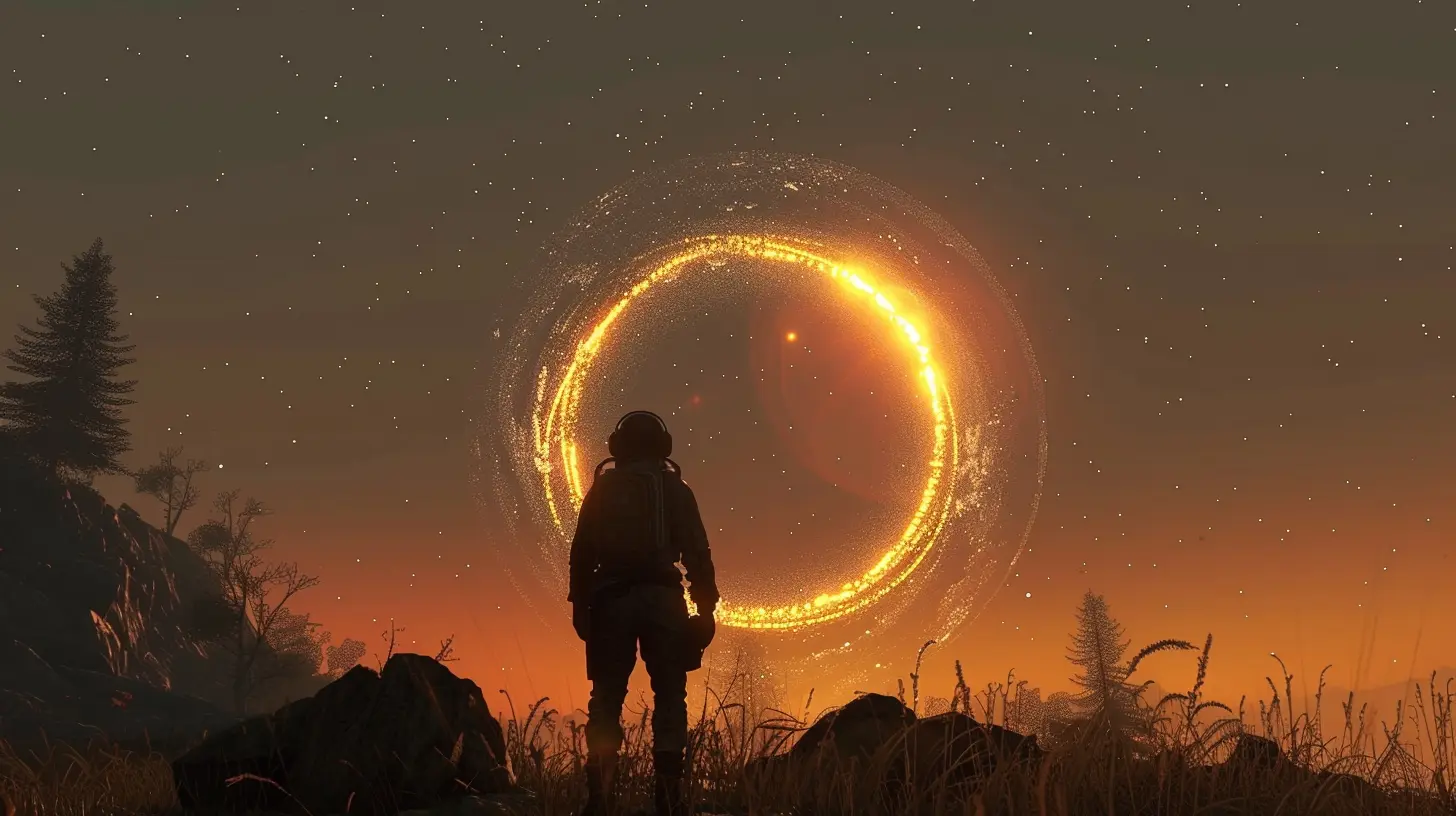
Before we start warping through time, let’s take a quick detour. ‘Outer Wilds’ is a first-person open-world mystery game developed by Mobius Digital. You play as a curious astronaut from a charming alien species that looks like banjo-strumming space otters—sort of.You’re a new recruit of the Outer Wilds Ventures, a space exploration program that launches you into a handcrafted solar system filled with ancient ruins, weird physics, and a dying sun. Oh, and you only have 22 minutes before the sun goes boom and everything resets. Every. Single. Time.
Sounds like a nightmare? Maybe. But it’s also one of the most brilliant gameplay mechanics ever designed.
The Time Loop Explained (Without Melting Your Brain)
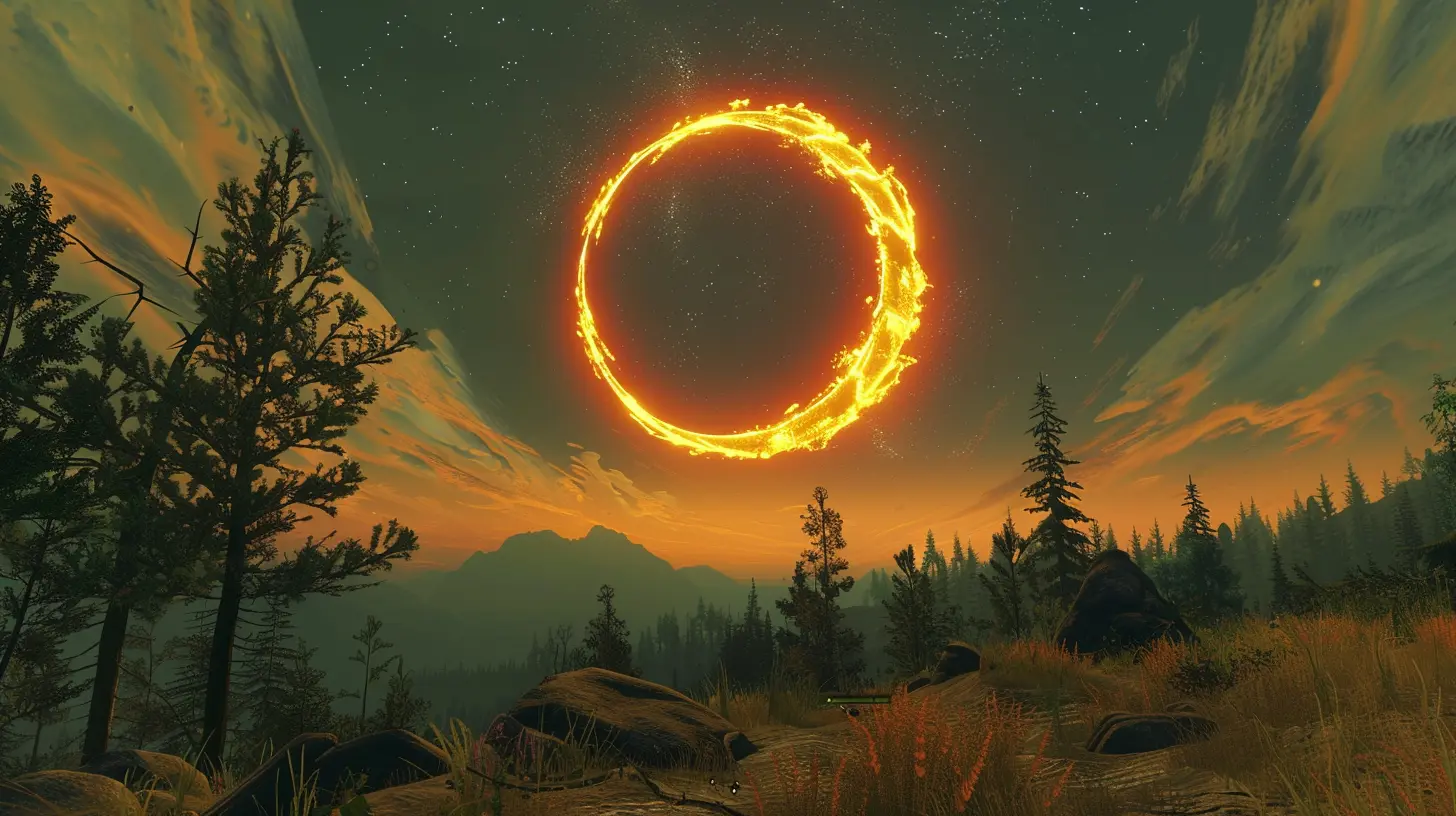
So here’s the deal: the core mechanic of ‘Outer Wilds’ is the 22-minute time loop. When the game starts, you're at Timber Hearth, prepping for your first solo space voyage. You take off, soar through the skies, start exploring, and boom—your star collapses into a supernova. Everything goes white. Then you wake up. Again. And again. And again.Why 22 Minutes?
Is it random? Nope. The 22 minutes are tied to the impending supernova of the sun. Essentially, you’re caught in a cosmic Groundhog Day scenario caused by an ancient alien race called the Nomai. They built a device—the Ash Twin Project—designed to send data 22 minutes back in time. And lucky you, your consciousness gets to hop aboard that time-traveling train every time the sun dies.So it’s not just time travel; it’s memory travel. You don’t physically go back in time—your brain does. Everything you've learned sticks with you, but the universe? It resets like a poorly saved Minecraft server.
It’s Not a Bug, It’s the Whole Game
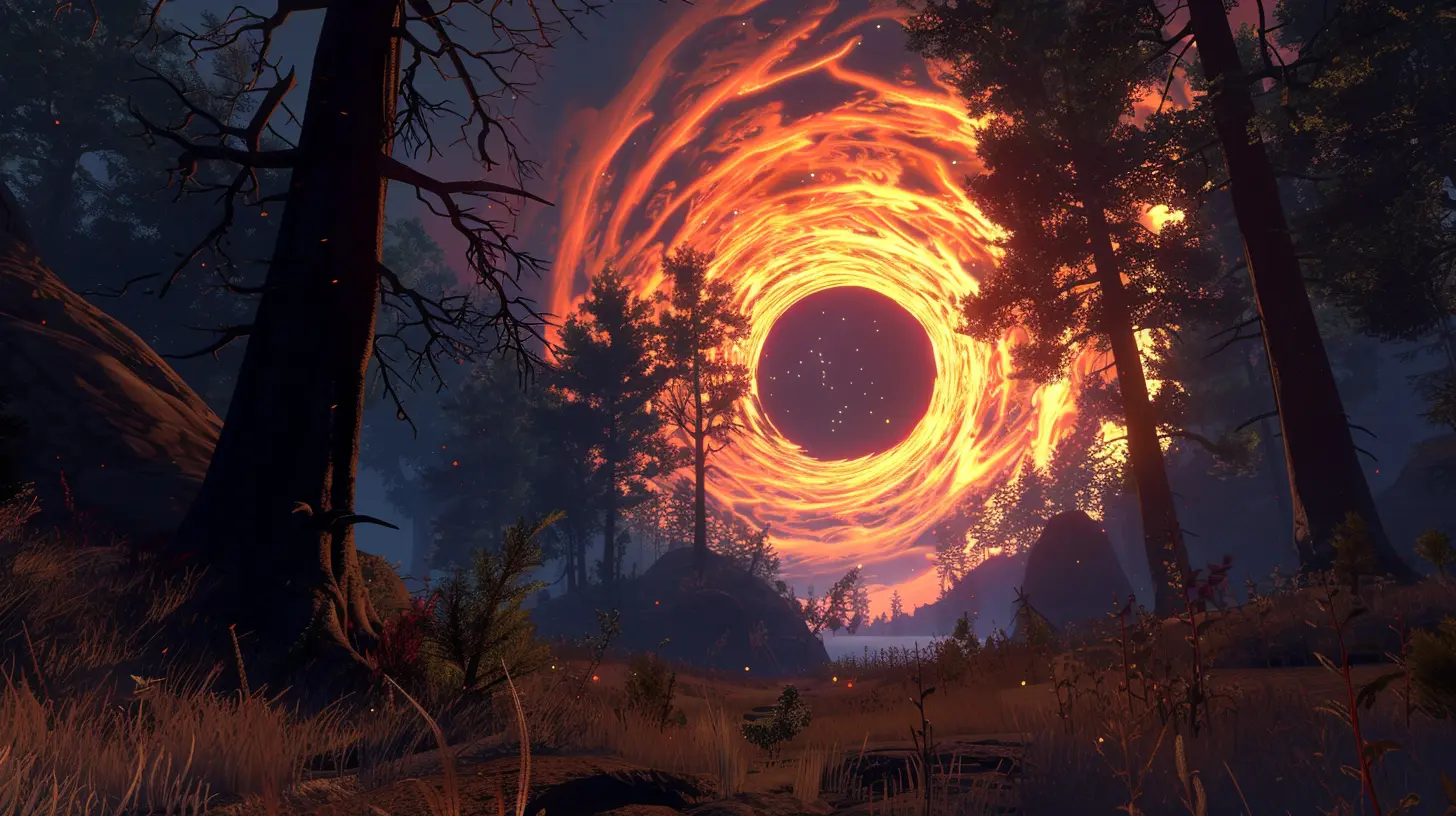
Here’s where things get spicy: the time loop isn’t just a narrative gimmick—it’s the entire core of the game design. Nothing in 'Outer Wilds' is locked behind skill trees or level grinding. The only real skill you need? Knowledge. With each loop, you're encouraged to explore, ask questions, connect the dots, and eventually unravel the mystery of the Nomai and the dying sun.No Inventory? No Problem
You might notice something weird—no traditional inventory. No weapons. No levels. Just you, your ship, an ever-judging autopilot, and the information you carry in your memory (and on your ship’s log).This is a game about understanding, not hoarding items. You learn that on your 10th crash landing on Giant’s Deep.
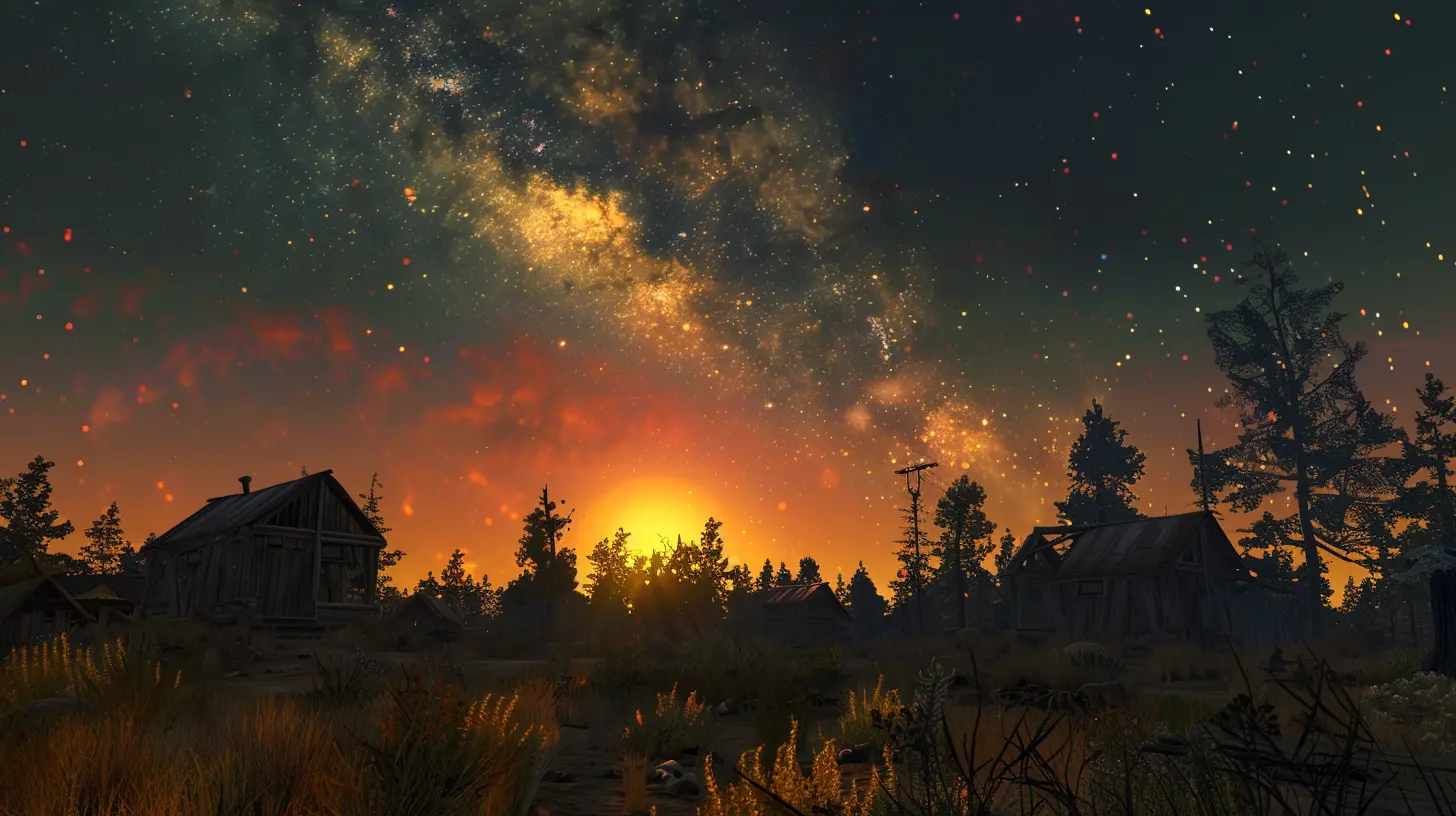
Let’s Talk Nomai: The Ancient Aliens Who Started It All
Now for the real rabbit hole. The Nomai are an extinct race of ancient explorers—think space archaeologists with a PhD in Quantum Weirdness. They discovered that the sun was predictably going supernova and wanted to observe the "Eye of the Universe"—a mysterious signal broadcasting across time and space.To do this, they created the Ash Twin Project (that magical time-looping device), which activates when the sun explodes and sends someone’s memory back in time—yours, in this case.
So, ironically, these ancient explorers indirectly caused you to be stuck in the loop. Thanks, Nomai!
The Role of the Player: You’re the Cosmic Detective
Every loop gives you 22 minutes to play Sherlock Holmes of the Galaxy. You can blast off in your rickety ship, pick a planet, and start putting together the puzzle.Maybe you’ll land on brittle, crumbling Brittle Hollow, dodge lava geysers, and find hidden texts. Or maybe you’ll hit up the Hourglass Twins and get pulled into a gravity whirlwind. Each loop is a chance to try, fail, learn, and try again.
Dying Is Learning
In 'Outer Wilds,' death is not failure—it’s feedback. Fall into a black hole and get flung across the galaxy? Cool. Now you know what’s on the other side of that wormhole. Get roasted by the sun? Now you know how close is too close.You start to realize that this tricky little time loop is your best teacher. It kills you, sure, but it teaches you how to live just a little smarter next time.
Cool Stuff That Only Happens Because of the Time Loop
'Outer Wilds' does some seriously mind-blowing stuff—all thanks to that repeating 22-minute cycle.The World Changes in Real Time
Planets aren’t static. The sand slowly drains from one planet to another. A comet only crashes into the sun at a specific point in the loop. Secrets are only exposed at precise moments—miss it, and you’ll have to catch it next cycle.The world doesn’t wait for you. It moves, breathes, and explodes whether you’re ready or not.
Time-Based Puzzles Galore
Some puzzles can only be solved by understanding how events unfold over time. Maybe you can’t access a ruin until the sand uncovers it. Or perhaps you can’t enter a lab until a cyclone hurls you inside. Figuring out the timing is like learning the rhythm of the solar system.It’s like solving a Rubik’s Cube while skydiving—thrilling, slightly terrifying, and incredibly rewarding when it clicks.
So… Is There an End?
Short answer: Yes.Long answer: You’re not stuck looping forever. There’s a way to break the cycle, but finding it requires piecing together the ultimate cosmic riddle. You’ll need to understand the Eye of the Universe, the Nomai’s failed experiments, and how the Ash Twin Project really ticks.
Spoiling the ending here would be a crime against humanity, so let’s just say it’s one of the most poetic, emotionally gut-wrenching, and existential conclusions you’ll ever play through.
And buddy, when that credits roll hits? Oof. It hits hard.
Tips for New Time Loopers
Let’s be honest, ‘Outer Wilds’ drops you into the deep end without swimmies. Here are a few quirky tips to help you navigate the loops without losing your mind:1. Use Your Ship’s Log
Seriously. Worship it. Everything you find gets neatly organized back on your ship. It’s your cosmic conspiracy board, and it won’t forget things you accidentally do.2. Don’t Try to Do Everything in One Loop
You can’t. And you’re not meant to. Focus on one mystery at a time. Maybe today’s loop is all about understanding that spooky quantum rock. Baby steps.3. Embrace the Weirdness
Quantum objects that move when you’re not looking? Ghost matter that kills you just for breathing? It’s all part of the charm. Roll with it. Let the game surprise you.4. Enjoy the Deaths
That might sound morbid, but every bizarre death is just more data for your brain to process. Fell into the sun? That’s progress. Blasted into atoms by an anglerfish? That’s science, baby.Why the Time Loop Works So Dang Well
At its core, the time loop in 'Outer Wilds' is more than a mechanic—it’s a metaphor. Life is just one long experiment. We try, we fail, we learn, and then we try again. The loop reminds us that knowledge is powerful, that curiosity matters, and that sometimes, the biggest revelations come from the smallest moments.And hey—who hasn’t wished they could redo a day now and then?
A Love Letter to Curiosity
If you’re still wondering what the point of the loop is, here's the truth: it's all about teaching you to be curious. To look up at the stars and go, “Hmm, what’s that?” and then chase it. ‘Outer Wilds’ doesn’t hold your hand. It invites you to touch the cosmic stove and learn firsthand how hot it is.You’re not just playing a game—you’re becoming a better question-asker.
Final Thoughts
Understanding the time loop in ‘Outer Wilds’ isn’t about solving a puzzle—it’s about changing the way you think. It rewards not just cleverness but persistence. It respects your intelligence. And more than anything, it reminds you that sometimes, the journey is the destination.So gear up, take a deep breath, and blast off. And remember: next loop, you’ll do better.
all images in this post were generated using AI tools
Category:
Game Endings ExplainedAuthor:

Pascal Jennings