From Pixels to Polygons: A History of Game Graphic Milestones
7 May 2026
Ah, video games. The only place where plumbers fight turtles, hedgehogs defy physics, and blocky characters are somehow emotionally relatable. But have you ever stopped mid-game to think, “Whoa, how did we go from chunky pixel dudes to hyper-realistic faces that sweat?” Well, buckle up, buttercup—because we’re going on a pixel-to-polygons journey through the wonderfully weird and wild history of game graphics.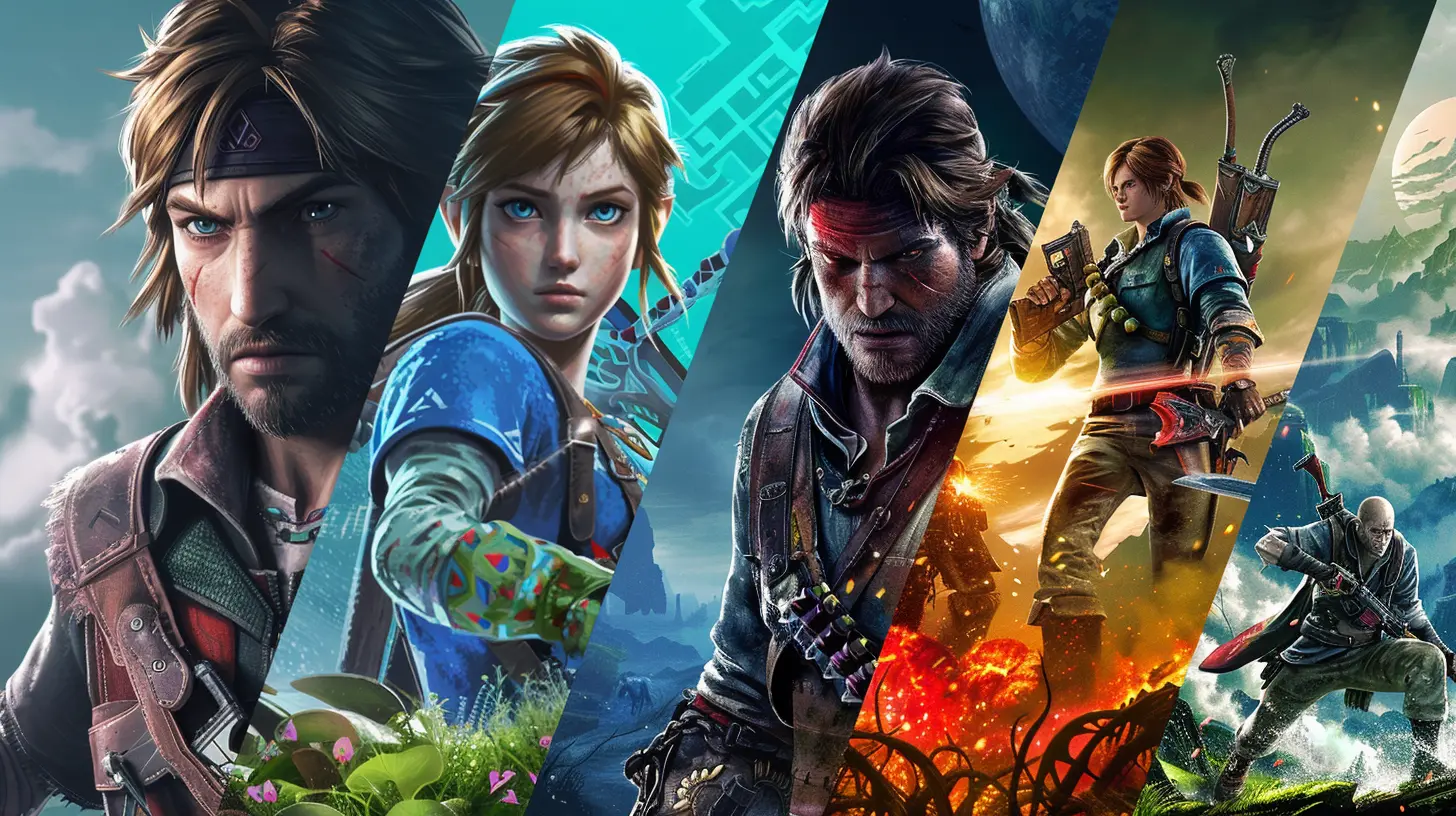
Pong: Where It All Began-ish
Let’s rewind to a simpler time—1972. Disco was rising, bell-bottoms were a thing, and video game graphics were... well, Pong. Two paddles, a square “ball,” and more pixelated tension than a family game night. Pong might look like a glorified graphing calculator screen today, but back then, it was revolutionary. You didn't need hyper-realistic dragons; you just needed a black screen and enough competitive spirit to shout at your cousin.This was the dawn of the pixel. One block at a time, developers realized something profound: pixels could be fun.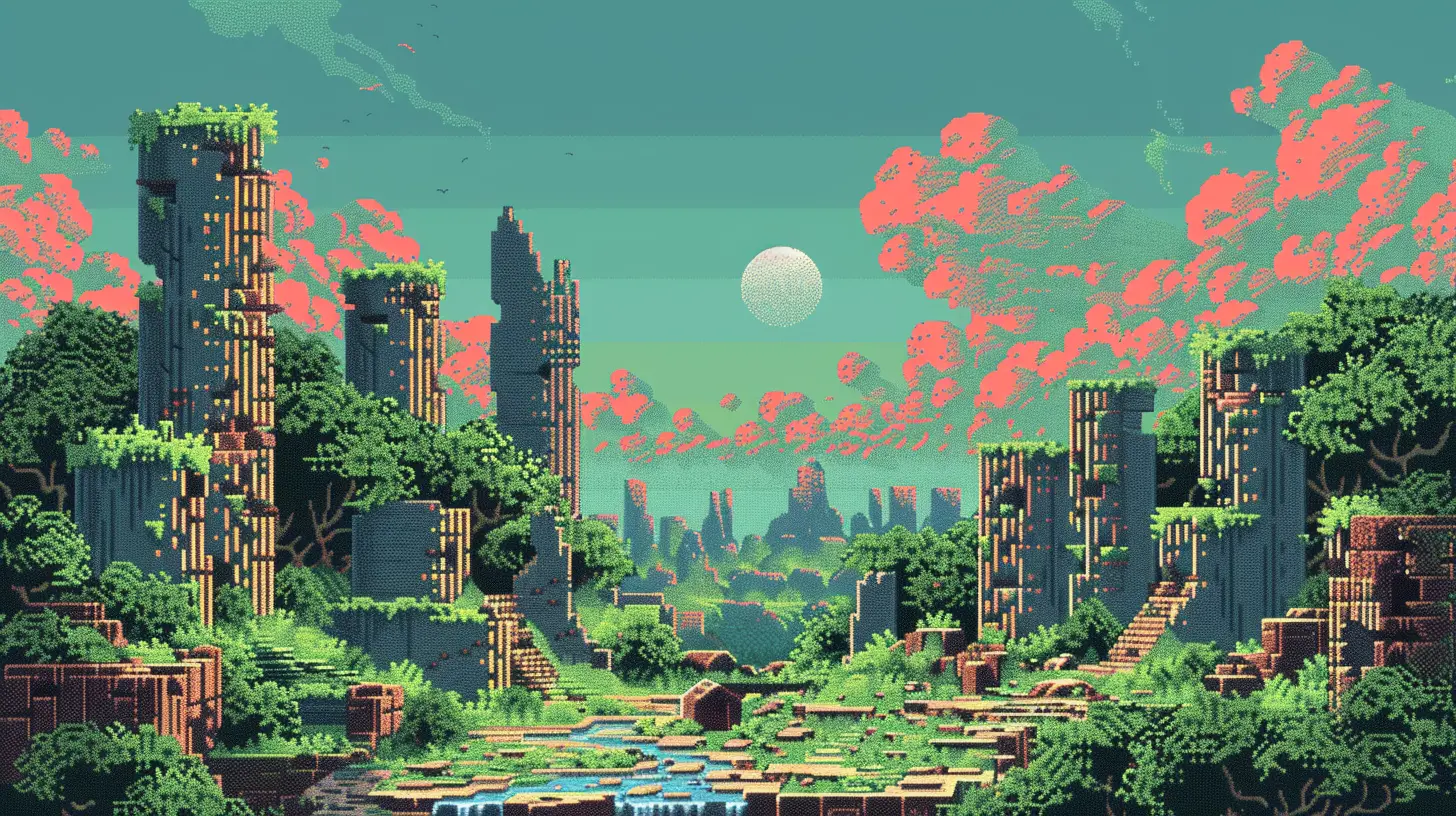
8-Bit Era: When Pixels Got a Face (And Maybe a Mustache)
Cue the 1980s: hair got bigger, and so did pixels. This was the rise of the 8-bit era—Nintendo and Sega became household names, and Mario jumped his way into our hearts (and plumbing systems).Games like Super Mario Bros, Legend of Zelda, and Metroid showed us that graphics didn’t need to be realistic to be memorable. Mario was just a bunch of colored squares—so were the mushrooms, the pipes, and Bowser’s suspiciously turtle-ish face. But they had character. Style. Mustaches!
This era taught us that limitations spark creativity. With only 8 bits to spare, developers got clever as heck, using combos of pixels to tell incredible tales.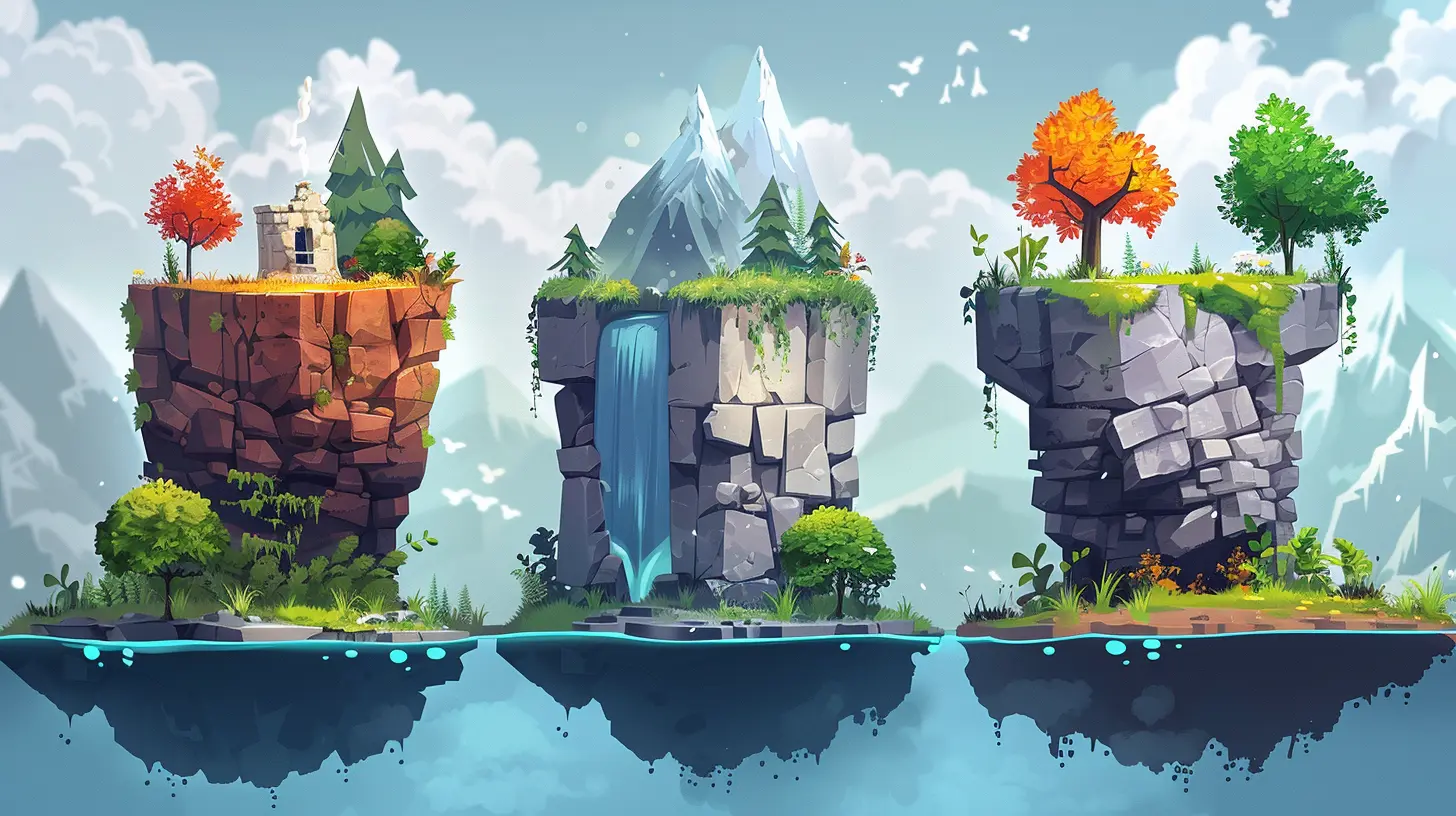
16-Bit Era: The Glow-Up No One Expected
Enter the 1990s, the home of flannel shirts, grunge music, and the 16-bit revolution. Suddenly, sprites had shading. Trees kinda looked like trees. And characters had a lot more personality thanks to improved color palettes and higher resolutions.Games like Sonic the Hedgehog, Street Fighter II, and Chrono Trigger were visual feasts. It was like your favorite cartoon leaped into your living room. The extra bits weren’t just for flexing—they let developers add emotion, atmosphere, and (finally) discernible faces.
Fun fact: Sonic was made blue to match Sega’s logo color and run fast to rival Mario. And thus began the great console wars — not over politics, but pixels.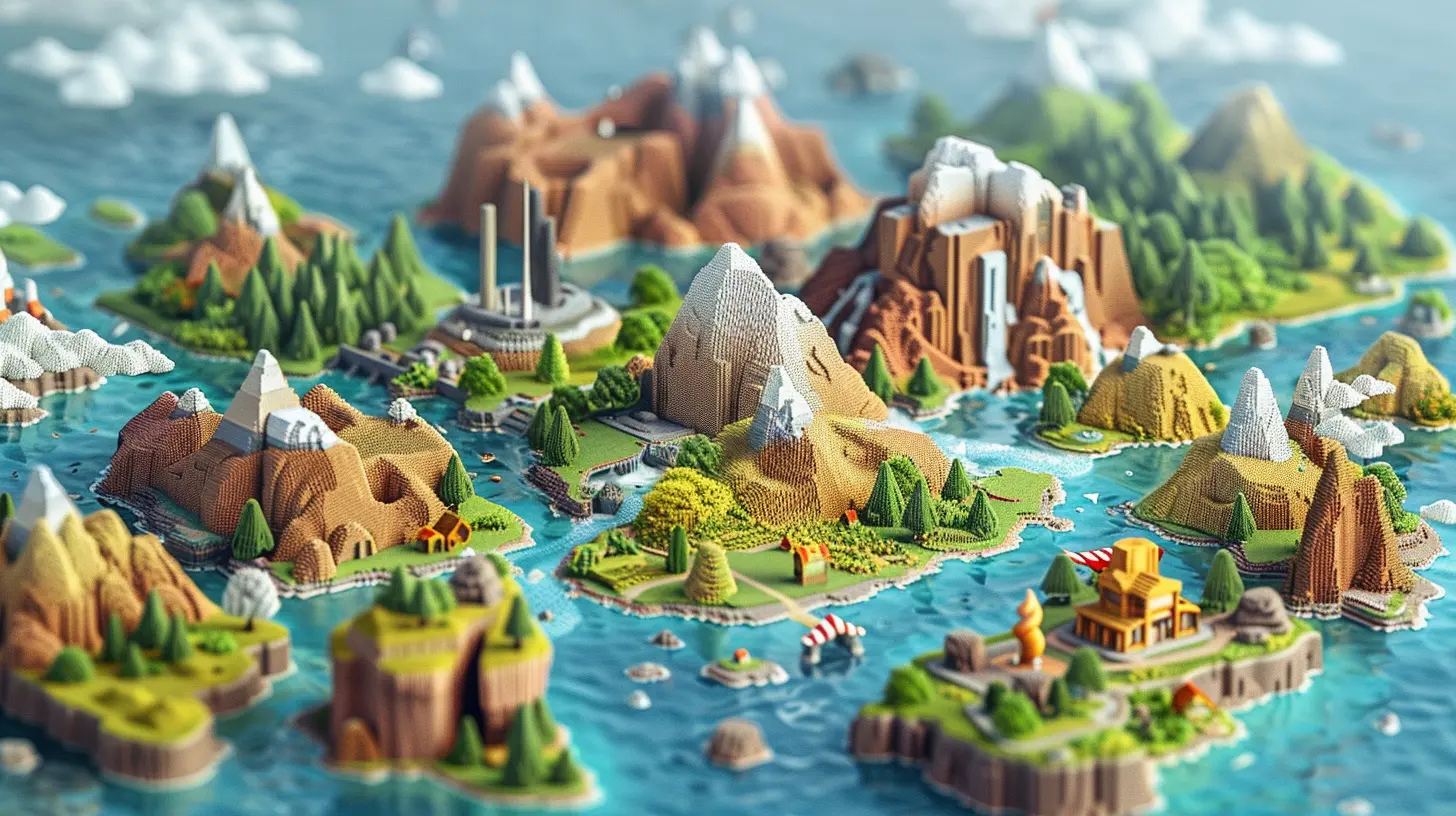
The Great Leap: 3D or Not 3D?
And then, BAM! Mid-90s. Everything changed. We weren’t in 2D Kansas anymore, Toto.With the power-packed PlayStation and Nintendo 64, gaming took a nosedive into the third dimension. Early 3D graphics felt like trying to sculpt a masterpiece with Play-Doh underwater, but hey—it was ambition in motion!
Remember Tomb Raider’s Lara Croft and her impossibly pointy polygons? Yes, the geometry was wonky, but it was groundbreaking. We went from side-scrollers to full-blown 3D exploration. And awkward as it was, it was exciting. Developers were experimenting with camera angles, environments, and character models like kids in a candy store filled with math equations.
The Early 2000s: Shiny! Shaders! Shadows!
By the early 2000s, game graphics began to flirt with realism. Consoles like PS2, Xbox, and GameCube kicked in the doors, and new techniques like bump mapping, lighting, and textures entered the chat.Games like Halo: Combat Evolved, Metal Gear Solid 2, and Final Fantasy X looked... dare we say… gorgeous. Characters had facial expressions! Hair moved! Grass gently swayed (sometimes)! It was like going from finger painting in kindergarten to full-on oil portraits.
Shaders became the cool kids of the graphics world, responsible for making shiny things shinier and shadows look less like dark blobs of existential dread.
HD Era: Pixels On Steroids
When the PlayStation 3 and Xbox 360 hit the scene, everything got crisper, sharper, and dramatically moodier. We were in the High-Definition era, and yes—it was as dramatic as it sounds.Suddenly, you could see individual stitches on Batman’s cape in Arkham Asylum. Raindrops rolled off Ezio’s cloak in Assassin’s Creed. And if someone in Mass Effect cried? You’d feel it in your soul (and your frame rate).
But this era wasn’t just about visuals—it was about immersion. Graphics now told a story. Lighting, motion blur, particle effects—they all worked together to create atmosphere, not just eye candy. It was like games became mini-Hollywood films... minus the 3-hour runtime and overpriced popcorn.
Indie Games: Pixels Make a Comeback
You thought pixels were dead? Think again.In the midst of all the polygonal pizzazz, indie developers said, “Hold my Pabst Blue Ribbon,” and brought retro aesthetics back with a vengeance. Games like Stardew Valley, Undertale, and Shovel Knight proved that pixel art still had a place—nay, a throne—in modern gaming.
Why? Because good graphics aren’t just about realism. They’re about style, mood, and nostalgia. These pixely powerhouses tugged at our heartstrings while flipping the bird to mainstream graphics snobs.
And let’s be honest—when a pixelated goat can headbutt you into a pool of chaos (Goat Simulator, anyone?), you know graphics aren’t the only thing that matters.
Photorealism & Beyond: When Games Look Realer Than Reality
We’ve finally reached the present, where games look so lifelike it's spooky. Like, “Did I just pause TV or is that gameplay?” levels of spooky.With the advent of ray tracing (a fancy way of saying “realistic light and shadows”), motion capture, and high-res textures, games like The Last of Us Part II, Red Dead Redemption 2, and Cyberpunk 2077 look jaw-droppingly good. (When Cyberpunk works, that is... cough.)
Characters twitch subtly. Eyes reflect light naturally. And environments are detailed down to scuff marks and bird poop. Not glamorous, but definitely immersive.
The line between gaming and real life has blurred so much, we’re honestly a little scared one day our NPCs might unionize.
VR & AR: Graphics You Can Literally Stick Your Face Into
Virtual reality (VR) and augmented reality (AR) bring another twist to the game graphics tale. Now, you don’t just watch the game—you live in it.VR headsets like Oculus Quest and PlayStation VR let you step into fantastical worlds, from fighting zombies to petting dragons (or at least pretending to). Meanwhile, AR experiences like Pokémon GO drop digital characters into our real world—and maybe trick us into trespassing sometimes... totally worth it.
The tech still has kinks. Some textures still look like a melted crayon, but the immersion is so next-level, you won’t care when your virtual sword clips through a table.
The Future: Hold Onto Your Polygons
So, what’s next? Well, if graphics keep evolving at this pace, we might just end up with games that are indistinguishable from reality—or at least from a high-budget Netflix show.Expect:
- Real-time global illumination (meaning lights reflect everywhere accurately... even off your character’s dirty boots).
- AI-generated textures and environments.
- Full-body motion capture from the comfort of your couch.
- And maybe—just maybe—graphics so real your game mom might actually nag you.
But through it all—from the simplest pixels to the most mind-melting polygons—one thing’s stayed constant: that magical moment when you press "Start" and fall into a new world.
Final Thoughts: It’s Not Just About the Pretty Pictures
Yes, graphics have come a long way from two paddles and a pixel. But here’s the thing—while shiny visuals might draw us in, it’s the gameplay, the story, and the feels that keep us glued.So whether you’re into retro pixels or chasing ray-traced dragons, remember: it’s not just about how great a game looks. It’s about what it makes you feel, laugh at, and sometimes rage-quit over.
From pixels to polygons, gaming’s journey has been nothing short of epic. And we’re just getting started.
all images in this post were generated using AI tools
Category:
Game GraphicsAuthor:

Pascal Jennings
Discussion
rate this article
2 comments
Calaris Thomas
This article brilliantly captures the evolution of game graphics, highlighting key milestones that transformed visuals from simple pixels to stunning polygons. It's a fascinating journey that shows how artistry and technology continuously intersect.
May 28, 2026 at 3:39 AM
Pascal Jennings
Thank you for the kind words! I'm glad you enjoyed the exploration of this fascinating journey in game graphics.
Esme Malone
This article beautifully captures the evolution of game graphics, showcasing how far we've come in design.
May 15, 2026 at 2:58 AM
Pascal Jennings
I'm glad you enjoyed it! The journey from pixels to polygons has truly been remarkable.