Understanding Silent Hill 2’s Cryptic Final Moments
31 December 2025
There’s a moment, a chilling silence, right before Silent Hill 2 fades into its cryptic end. You're left staring at the screen, heart pounding, mind racing, and one question bouncing around your thoughts: “What just happened?”
Silent Hill 2 isn’t your average horror game. It doesn’t rely on jumpscares or cheap thrills. It plays with your psyche, your guilt, your fears—and just when you think you’ve got a grip on the story, it pulls the rug out from under you in the final scenes. But don’t worry; you’re not the only one still confused by it. Let’s unpack this haunting masterpiece, one twisted layer at a time.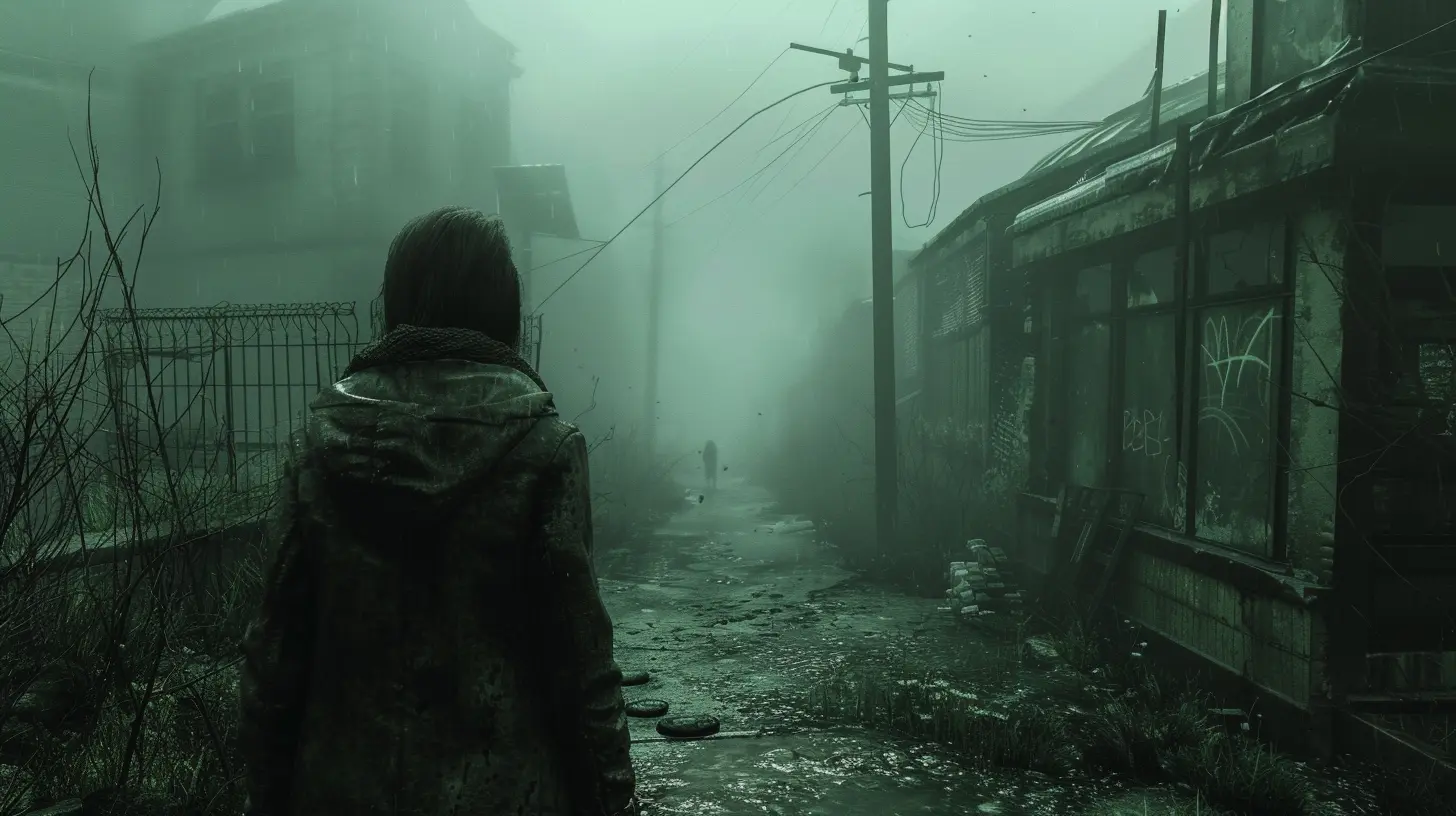
Why Silent Hill 2 Still Haunts Us
Silent Hill 2 isn’t your typical horror story.It’s not about saving the world or fighting a demonic force trying to enslave mankind. It’s about James Sunderland—just a regular guy... or so it seems. When James receives a letter from his dead wife, Mary, telling him to meet her in Silent Hill, he journeys straight into the fog-covered town. What follows is a descent not into hell, but into James’ own tortured psyche.
And that’s why the ending—those cryptic final moments—has gripped gamers for over two decades. It’s not straightforward. There’s no “final boss = win game” arc here. Instead, you’re left with ambiguity, symbolism, and multiple endings that twist your emotions in every direction.
Let’s break down what really happens in Silent Hill 2’s ending and figure out what it all means.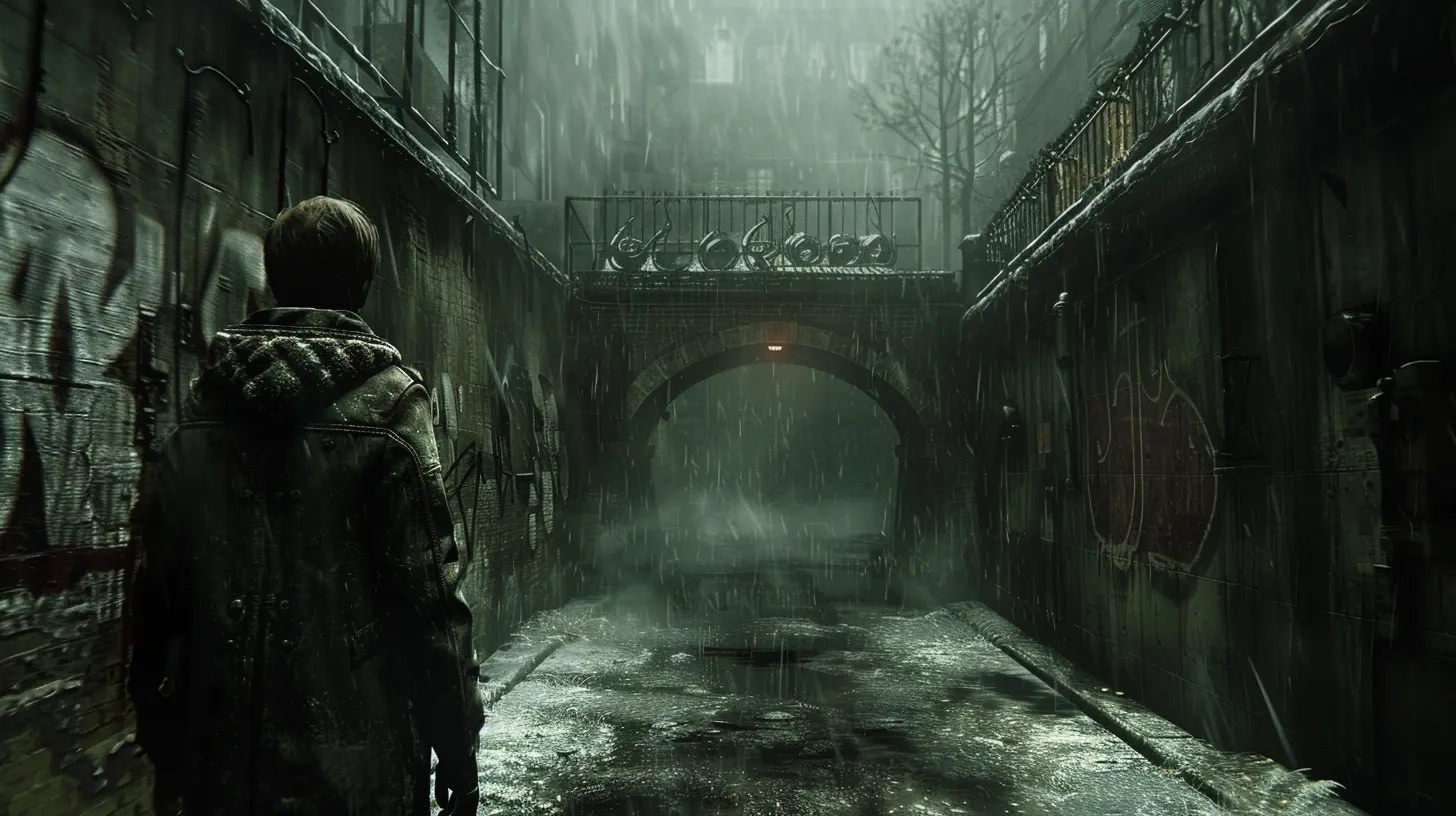
The Many Endings – Which One Is Real?
Let’s get this out of the way first: Silent Hill 2 has six different endings. Yes, six. And each one reflects a different version of James’s journey and the choices made by the player.Here’s a quick rundown:
1. Leave – James comes to terms with Mary’s death and leaves Silent Hill with Laura.
2. Maria – James rejects Mary’s memory and leaves with Maria, a woman eerily similar to his wife.
3. In Water – James drives into the lake, ending his life overwhelmed by guilt.
4. Rebirth – He attempts a dark resurrection ritual to bring Mary back.
5. Dog Ending – A joke ending where a Shiba Inu was controlling everything from a secret room.
6. UFO Ending – Aliens abduct James. Yes, really.
Okay, clearly not all of these are meant to be canon. (Looking at you, Shiba Inu.)
But the primary three—Leave, Maria, and In Water—are the ones most fans and theorists consider when dissecting the true meaning of Silent Hill 2’s finale.
So, which one is the “true” ending?
Well, that’s the beauty (and curse) of it: the game never tells you. It all depends on how you played. Did you constantly check Mary’s letter? Did you avoid damage? Did you spend a lot of time with Maria? These little details influence the outcome, suggesting that the game was watching you, molding your ending based on your psychology.
Creepy, right?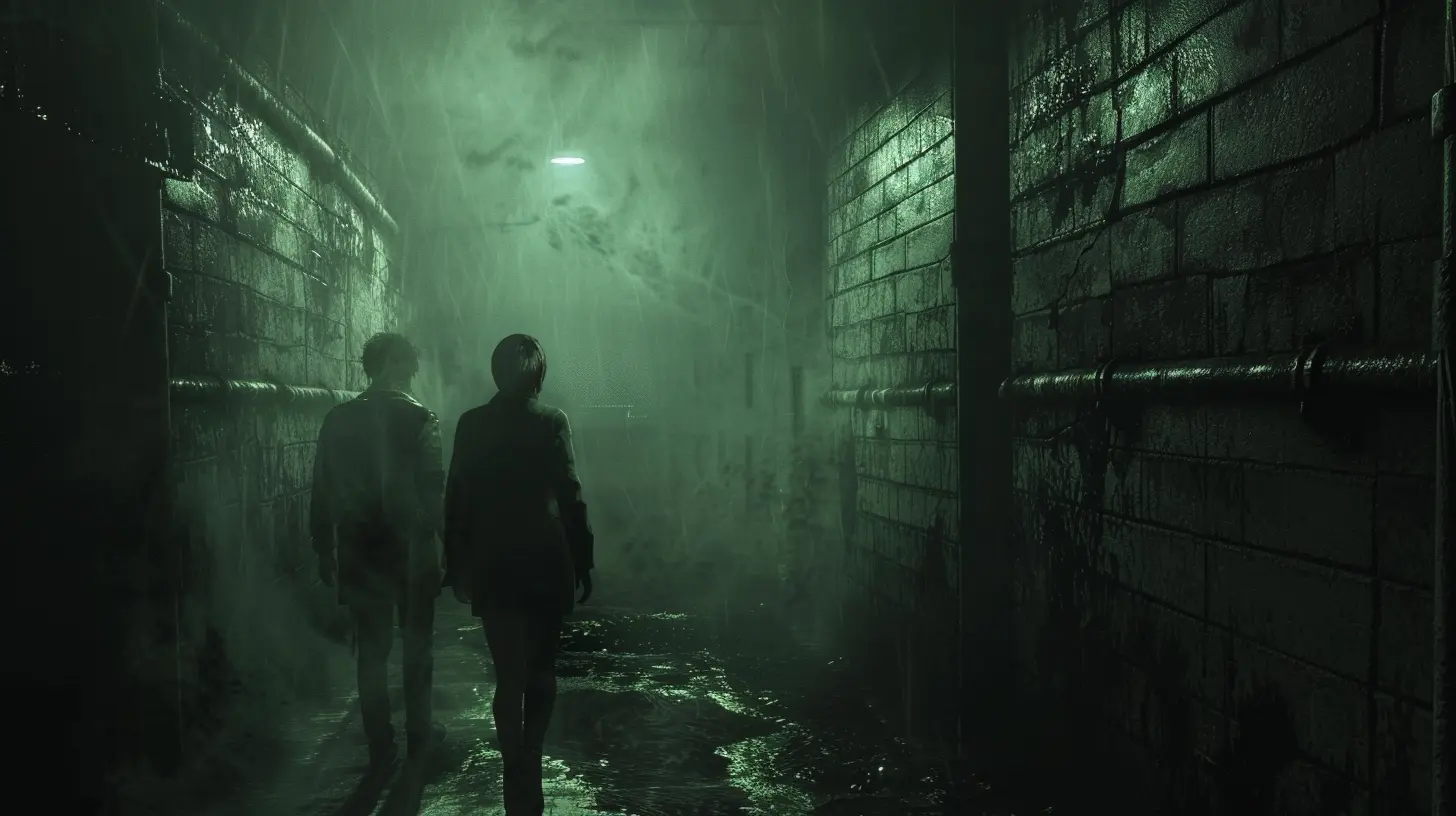
Delving Into the Mind of James Sunderland
To understand the ending, you first need to understand James. And make no mistake: he’s not the selfless husband he first appears to be. As the game progresses, tiny cracks form in the narrative—and the truth begins to leak out.We find out that James did something awful. He smothered Mary, his terminally ill wife. If that shook you to your core, good. It was supposed to. The entire trip to Silent Hill is James’s twisted form of self-punishment, and the town itself? It’s not a place—it’s a reflection of James’s mind.
Silent Hill doesn’t show you monsters. It shows you your monsters.
Those twitching, grotesque beings aren’t just horror tropes. They’re metaphors. Pyramid Head? He’s not just a terrifying executioner; he’s James’s guilt personified—the punisher he feels he deserves.
The deeper James ventures into Silent Hill, the clearer it becomes that he’s not looking to reunite with Mary... he’s looking for atonement—or maybe an escape.
And that right there is what shapes the multiple endings.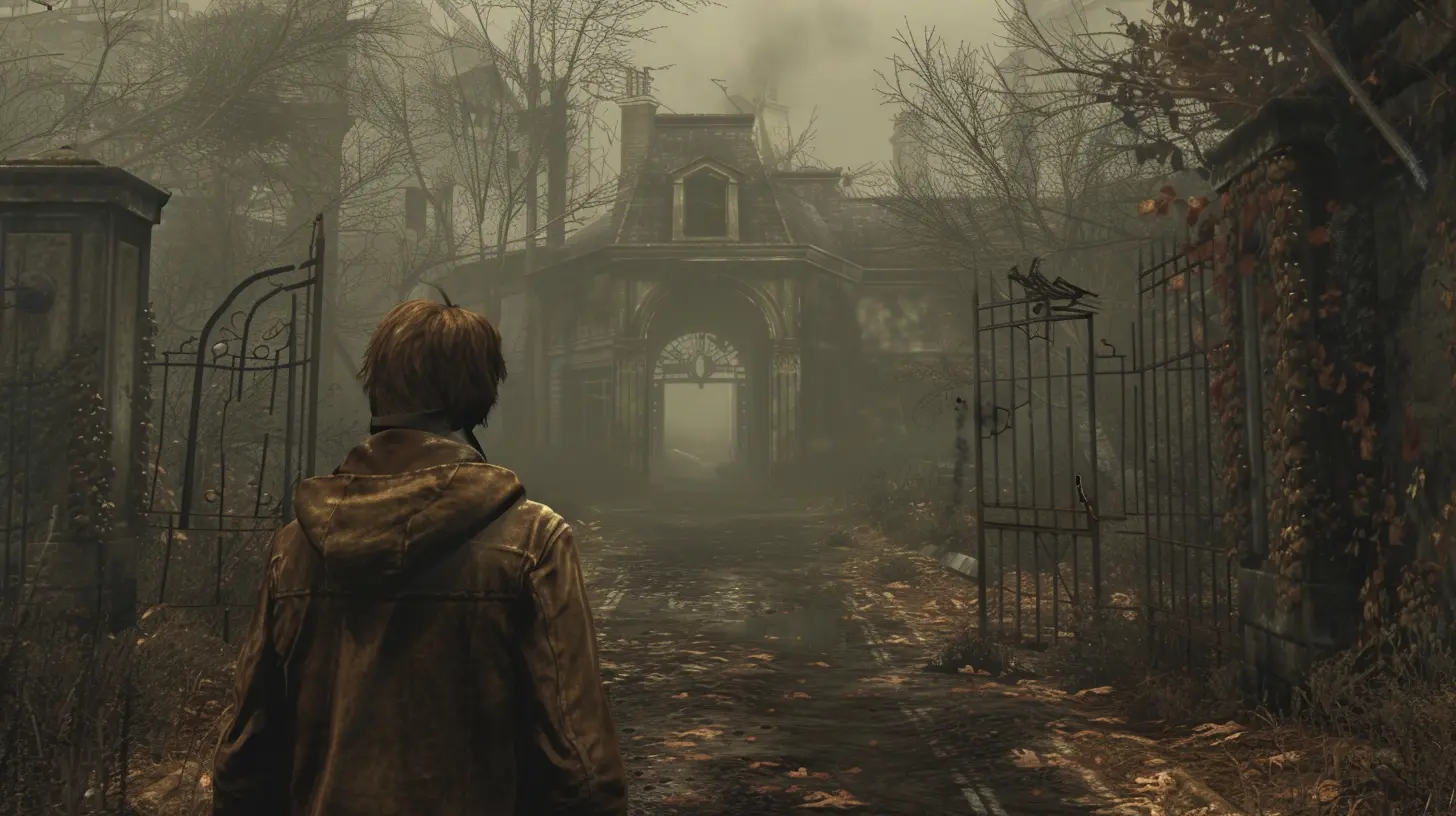
The “In Water” Ending – A Descent Into Despair
Let’s start with arguably the darkest—and most haunting—ending: In Water.In this version, James never forgives himself. He listens to Mary’s last recorded words, reads her letter, and drives straight into the foggy lake, ending his life. It’s a gut-punch of an ending. It doesn’t feel like closure—it feels like surrender.
But it’s also painfully poetic. Silent Hill never promised redemption. It just offered James a mirror. And in this version, he couldn’t live with what he saw.
If your playstyle involved checking Mary’s letter often, taking a lot of in-game damage, and generally playing in a withdrawn, self-destructive manner—the game picked up on that. It mirrored that back to you in the form of this bleak conclusion.
The “Leave” Ending – Redemption Is Possible
Now let’s talk about the ending fans often consider the most hopeful—the “Leave” ending.Here, James accepts his actions. He acknowledges what he did to Mary, grieves her properly, and leaves Silent Hill with Laura, the young girl who was also close to Mary during her illness. It's almost… peaceful.
If you took care of yourself during the game, distanced yourself from Maria, and took time to read Mary’s letter without obsession, the game rewarded you. It said, “Okay, you faced your demons. Now go live again.”
But it’s still not a sunshine-happy ending. James is a changed man. He carries the emotional scars of what happened. But he’s walking out of the fog instead of vanishing into it. That counts for something.
The “Maria” Ending – A Sinister Cycle
Okay, so the “Maria” ending? This one’s complicated—and honestly, pretty disturbing.If you spent most of your time with Maria, showed affection to her, and seemed to reject Mary emotionally, James leaves Silent Hill with Maria by his side. It’s a near-identical replacement for Mary… with a touch less cough and a lot more mystery.
But then she coughs.
And it hits you.
James hasn’t learned a damn thing. He’s starting the whole cycle over again. Maria isn’t salvation—she’s the same pain in disguise. It’s like putting a band-aid on a bullet wound. The town gave James a way out, but he chose the illusion over the truth.
Many fans view this as the most tragic ending, even more than “In Water.” Why? Because it’s not about death. It’s about denial.
Silent Hill as a Living Entity
There’s something important to remember: Silent Hill isn’t just some creepy fog-layered town. It’s a character. A mirror. A judge.It doesn’t kill you—it makes you confront yourself.
The town gives each visitor a unique experience. What James sees and faces is wildly different from what other characters (like Angela or Eddie) go through. Angela sees fire and burning hallways. Eddie sees mockery and threats. James sees desire, punishment, and guilt.
The endings are variations of how well—or how poorly—James handles what the town reveals.
That’s why the final moments are cryptic. They’re not meant to be explained with a neat bow. They’re designed to make you reflect. Silent Hill 2 doesn’t just end—it lingers.
Symbolism is Everything
What makes Silent Hill 2 so brilliant is its use of symbolism. Every enemy, every dreamlike location, every note and photograph—it all means something.- Pyramid Head – Guilt, punishment, judgment.
- Maria – Desire, delusion, denial.
- The Fog – Confusion, obscurity, the blurred line between reality and fantasy.
- Lake Toluca – Peace or oblivion, depending on your choices.
These aren’t just aesthetic design choices; they’re the language of Silent Hill. They’re how the game speaks to you when words fall short.
And in those final moments, when James reads Mary’s letter, or hears her last words, or stares at Maria—that language reaches its peak.
Why the Ending Still Matters Today
Silent Hill 2 came out in 2001. That’s over two decades ago, and yet fans are still analyzing it, theorizing about it, and—yep—arguing about which ending is canon.Why?
Because Silent Hill 2 doesn’t just scare you. It stays with you. It doesn’t hand you answers—it expects you to wrestle with them.
In a world where so many stories are spelled out for us, Silent Hill 2 dares to be vague. It trusts its players to think, to feel, to interpret.
Its final moments aren’t just a conclusion—they’re a conversation that continues long after the controller is put down.
So… What Do You Believe?
Did James find peace? Did he succumb to guilt? Is he stuck in a loop of pain and denial?That, my friend, is up to you.
Silent Hill 2’s cryptic final moments aren’t there to frustrate—they’re there to reflect. Just like the town itself, the ending is a mirror. What you see in it? That depends on what you bring to the game.
And honestly? That’s what makes Silent Hill 2 one of the most hauntingly beautiful games ever made.
Final Thoughts
Silent Hill 2’s endings aren’t just different cinematic cutscenes—they’re emotional verdicts. They represent different psychological paths James (and you, the player) can take. Whether it's acceptance, despair, or delusion, each ending feels earned. It feels painfully personal.So, next time you boot up Silent Hill 2, remember: the game is always watching, silently shaping your path. And when those final cryptic moments arrive, embrace the ambiguity. That’s where the real horror—and beauty—lies.
all images in this post were generated using AI tools
Category:
Game Endings ExplainedAuthor:

Pascal Jennings
Discussion
rate this article
2 comments
Tabitha Vaughn
Secrets linger in shadows; truth hides within.
January 17, 2026 at 4:51 AM
Pascal Jennings
Thank you for your insight! The interplay of secrets and truth is central to Silent Hill 2's haunting narrative.
Maverick Pratt
Silent Hill 2's ambiguous ending masterfully encapsulates its themes of guilt and psychological horror. The cryptic final moments provoke deep reflection on the nature of love and loss, leaving players to grapple with their interpretations. This open-ended conclusion is a testament to the game's enduring impact on storytelling in gaming.
January 7, 2026 at 4:18 AM
Pascal Jennings
Thank you for your insightful comment! Silent Hill 2's ending truly highlights the complexities of human emotions, making it a profound experience that resonates with players long after they finish the game.