Procedurally Generated Worlds: The Future of Sandbox Games
20 December 2025
In recent years, video games have moved beyond just being a form of entertainment. They’ve become virtual playgrounds, where creativity and freedom reign supreme. Enter sandbox games—a genre known for giving players the keys to immersive worlds and saying, “Go have fun.” But what if those worlds weren’t crafted by hand? What if they were built by algorithms, making them practically infinite in scope and variety? That’s where procedurally generated worlds come in, and they’re changing the face of sandbox games as we know it. Let’s dive into this fascinating topic and see how it might shape the future of gaming.
What Are Procedurally Generated Worlds?
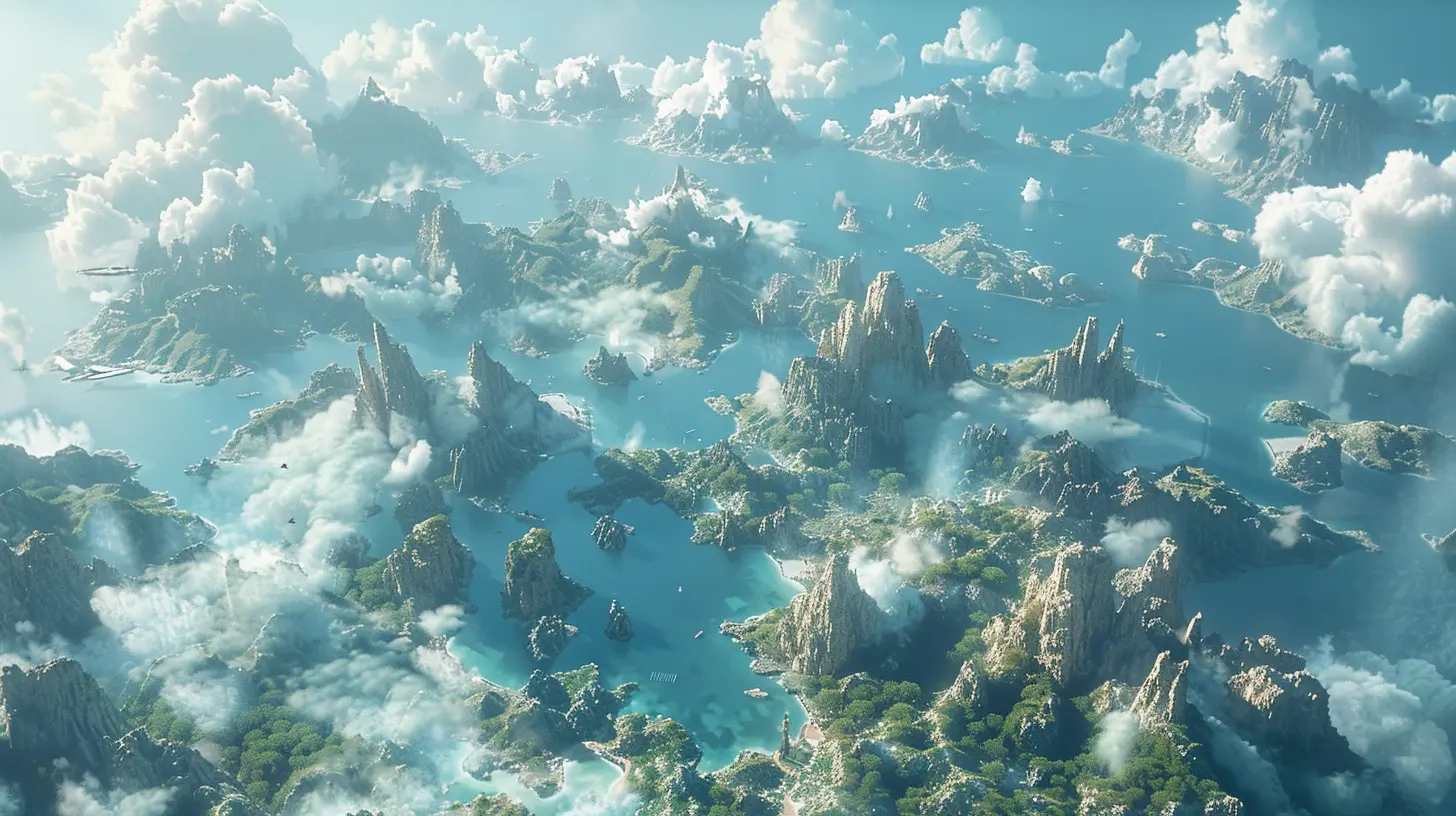
Alright, first things first—what are procedurally generated worlds? At their core, these are game environments created algorithmically rather than being meticulously designed by developers. Think of it like a recipe—you feed certain ingredients (parameters) into a system, and it cooks up something unique each time. It’s why you can start a new game in Minecraft or No Man’s Sky and never see the same world twice.Procedural generation relies on algorithms to create landscapes, characters, quests, and more. These systems use preset rules to ensure the output makes sense but also leave enough room for randomness. It’s a bit like rolling a dice but with some ground rules—you might not know exactly what you’ll get, but you can guarantee it’ll be something new and interesting.

Why Are Sandbox Games a Perfect Match for Procedural Generation?
Sandbox games thrive on exploration and creativity, allowing players to chart their own course and define their own adventures. Procedurally generated worlds amplify this freedom tenfold. Think about it: in a traditional sandbox game, you’ll eventually hit the boundaries of the world. Things start to feel familiar. You might even get bored. Not so with procedural generation. Here’s why:Limitless Exploration
Imagine having a world so vast and varied that it feels like it stretches on forever. That’s the magic of procedural generation. Games like No Man’s Sky have leveraged this technology to create entire galaxies with billions (yes, billions) of planets. The idea of never running out of new places to explore is a thrilling prospect for players who crave adventure.Unique Experiences
Ever feel like a game’s world is too “cookie-cutter”? Procedural generation ensures no two players have the exact same journey. Your friend might stumble upon a lush paradise while you find a barren desert wasteland, even though you’re playing the same game. This uniqueness makes every playthrough fresh and exciting.Developer Efficiency
Let’s face it—manually crafting massive, detailed worlds takes an insane amount of time and resources. By using procedural generation, developers can create sprawling environments without needing a team of hundreds. It’s a win-win: players get expansive worlds, and developers can focus on other aspects of the game, like mechanics and storytelling.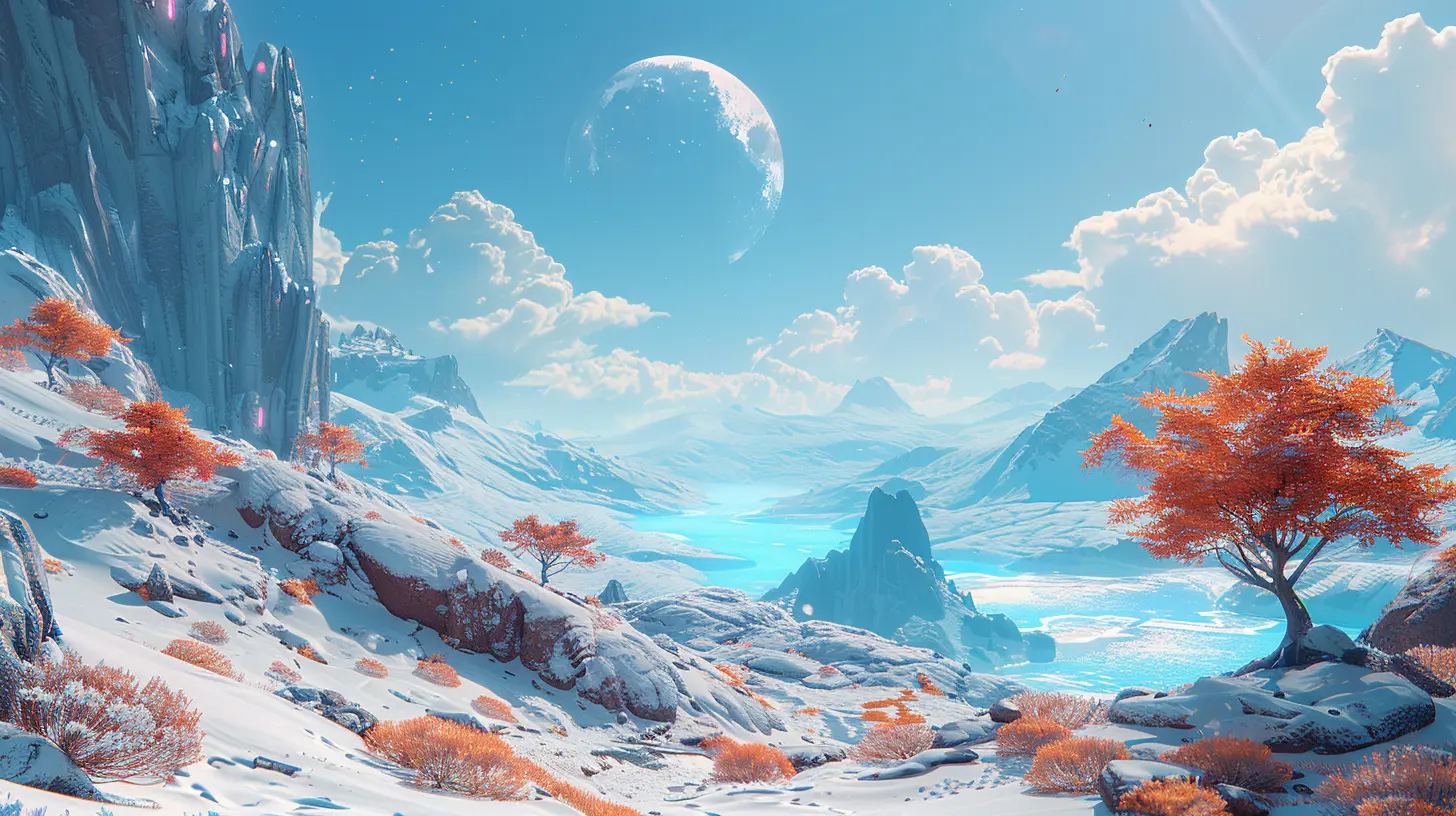
How Procedural Generation Works (Without Getting Too Geeky)
Okay, so we’ve tossed around the term “procedural generation” a lot, but how does it actually work? Without diving too deep into the tech, here’s a simplified breakdown:1. Seed Numbers
Procedural generation often starts with a seed number—a kind of randomly generated “code” that acts as the foundation for everything. Think of it like a DNA strand: change the seed, and you get a completely different world.
2. Rules and Parameters
Developers set rules to guide the algorithms. For instance, they might decide that mountains can only appear next to plains or that deserts should never border oceans. These rules keep the randomness in check and ensure the world makes sense.
3. Layers of Generation
The process is often multi-layered. First comes the terrain (mountains, valleys, rivers). Then, biomes like forests or deserts are added. Finally, the system might sprinkle in details like towns, ruins, or resource nodes. The result? A world that feels alive.
4. Dynamic Content
Some games, like RimWorld or Dwarf Fortress, take it a step further. They don’t just generate the geography; they create histories, economies, and even characters with unique personalities. It’s like the game is building an entire civilization from scratch.
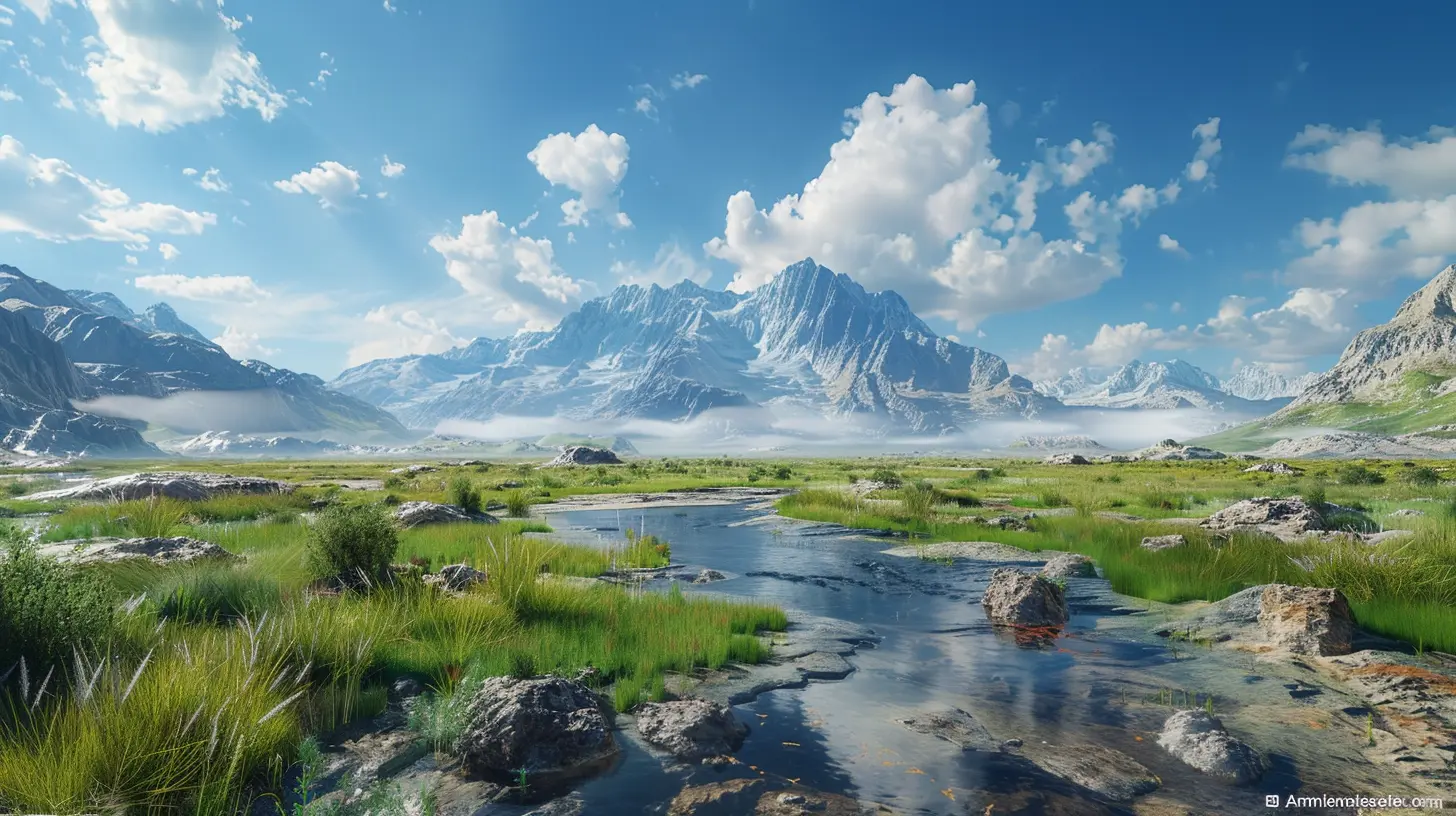
The Pros and Cons of Procedurally Generated Worlds
So, is procedural generation the ultimate solution for sandbox games? Well, not so fast. While it offers some huge benefits, it’s not without its downsides. Let’s break it down:The Pros:
- Infinite ReplayabilityProcedural generation ensures you’ll always have something new to explore or experience, keeping the game fresh and exciting.
- Unpredictability
The randomness of procedural worlds means you’ll often stumble upon unexpected surprises, from hidden caves to bizarre alien life forms.
- Scalability
Smaller indie studios can compete with AAA developers by using procedural generation to create vast, complex worlds without breaking the bank.
The Cons:
- RepetitionIronically, procedural generation can sometimes feel repetitive. If the algorithms aren’t complex enough, you might notice patterns or similarities that break the immersion.
- Lack of Hand-Crafted Detail
Procedurally generated worlds can sometimes feel generic or lifeless compared to hand-crafted environments filled with nuanced, intentional details.
- Steep Learning Curve
For developers, mastering the balance between randomness and structure can be a daunting challenge.
Games Leading the Charge in Procedural Generation
If you’re still not sold on the power of procedural generation, let’s take a look at some games that have embraced it and thrived:Minecraft
It’s impossible to talk about procedurally generated worlds without mentioning Minecraft. This sandbox juggernaut creates infinite blocky landscapes for players to explore, mine, and build on.No Man’s Sky
Initially controversial, No Man’s Sky has redeemed itself with updates that add depth and variety to its procedurally generated universe. From alien fauna to breathtaking vistas, it’s a masterclass in limitless exploration.Terraria
This 2D sandbox game generates sprawling underground caves, dungeons, and biomes for players to uncover. The procedural nature of the world encourages digging and discovery.RimWorld
Part strategy, part storytelling—RimWorld doesn’t just generate terrain. It crafts entire narratives, complete with colonists who have unique backstories and personalities.Spelunky
While it’s a 2D rogue-like rather than a traditional sandbox, Spelunky uses procedural generation for its levels, ensuring no two runs are ever the same.
The Future of Procedurally Generated Worlds in Sandbox Games
Alright, so what’s next? Are procedurally generated worlds going to become the norm in sandbox games? It’s hard to say for sure, but here are a few trends to watch:1. Smarter Algorithms
Advances in AI and machine learning could lead to more sophisticated procedural systems capable of creating truly lifelike worlds with rich ecosystems and stories.
2. Hybrid Worlds
Some developers are blending procedural generation with hand-crafted elements, creating the best of both worlds. Imagine a procedurally generated landscape dotted with meticulously designed cities or landmarks.
3. Collaborative Worlds
The merging of procedural generation with multiplayer mechanics could lead to shared, infinite worlds where players build and explore together.
4. Beyond Gaming
Procedural generation isn’t just for games. It could have applications in virtual reality, education, and even urban planning. The possibilities are endless.
Wrapping It Up
Procedurally generated worlds are more than just a flashy gimmick—they’re a glimpse into the future of sandbox games. By blending randomness with structure, they create infinite possibilities for exploration, creativity, and storytelling. Sure, there are challenges to overcome, but the potential is too exciting to ignore. Whether you’re charting the unknown in No Man’s Sky or digging into the depths of Minecraft, one thing’s for sure: the journey is only just beginning.So, what about you? Do you think procedurally generated worlds are the ultimate evolution of sandbox games? Or do you prefer the handcrafted touch of traditional design? Either way, one thing’s certain—gaming has never been more exciting.
all images in this post were generated using AI tools
Category:
Sandbox GamesAuthor:

Pascal Jennings
Discussion
rate this article
2 comments
Evangeline McGuffey
In the shadows of digital landscapes, procedurally generated worlds whisper secrets of infinite possibilities. Each pixel is a thread in an ever-evolving tapestry, where every adventure is uniquely woven. As boundaries blur, what lies beyond the horizon of creativity? The future beckons—dare you step into the unknown?
December 21, 2025 at 3:59 AM
Pascal Jennings
Thank you for your thoughtful comment! Indeed, the allure of procedurally generated worlds opens up a realm of creativity where every player's journey is a unique masterpiece waiting to be discovered. Exciting times lie ahead!
Amy Luna
Imagine a world where every pebble has a backstory and trees have existential crises! Procedurally generated worlds are like having a magic hat that spawns endless adventures—top that, reality!
December 20, 2025 at 4:52 PM
Pascal Jennings
What a whimsical vision! Procedurally generated worlds truly ignite creativity, making every playthrough a unique adventure filled with endless possibilities.