The Rise of High School and College Gaming Leagues
4 August 2026
Gaming has officially gone from the basement to the boardroom, and now—it’s becoming the heartbeat of high school and college culture. That’s right, the rise of high school and college gaming leagues isn’t just a trend. It’s a full-blown movement. Whether you're a student crushing opponents in League of Legends or a parent wondering why your kid’s yelling at the screen while wearing a headset for hours, welcome. We're diving deep into this game-changing shift.

? Gaming Is No Longer “Just a Hobby”
Let’s be real—as little as a decade ago, gaming was stigmatized. “Get off the Xbox and do your homework!”—sound familiar? Fast forward to today, and gaming isn't just accepted in schools—it's being celebrated.Why?
Because playing video games isn’t just fun—it builds teamwork, strategic thinking, hand-eye coordination, and leadership. Sounds a lot like what traditional sports brag about, doesn’t it?
? The Skills Behind the Screen
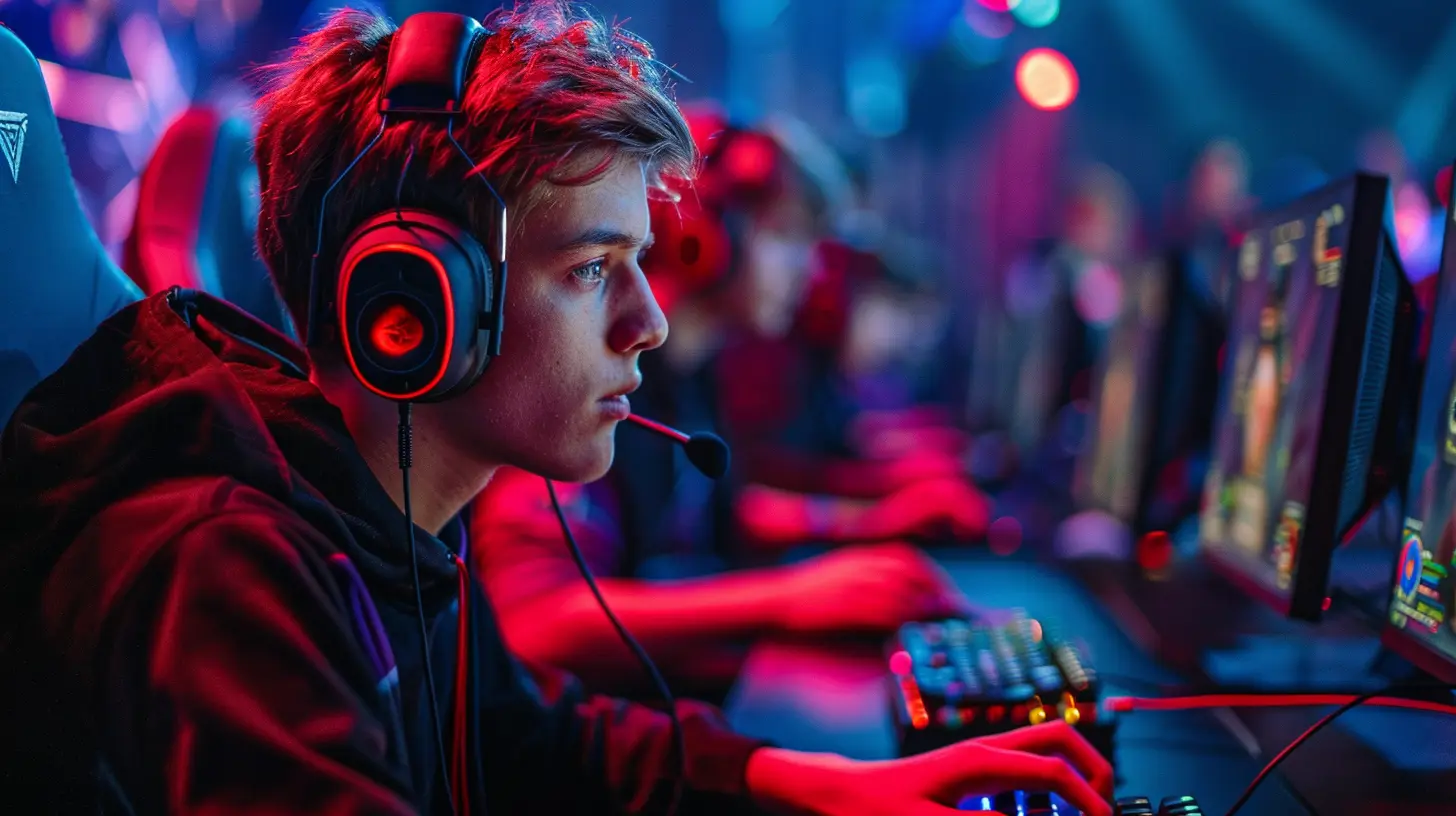
You might think, “Isn’t gaming just a waste of time?” But think about this. Gamers master real-time problem-solving, quick decision-making, and adaptability. These are the same skills Fortune 500 companies pay thousands to train in their employees.Gaming teaches communication under pressure, especially in team-based games like Overwatch or Valorant. And let’s not forget the wave of students learning coding, video editing, graphic design, and community management—just to run their school’s gaming league.
So yeah, it's more than button smashing.
? The High School Gaming Boom
Let’s start at the root—high school esports.➤ Organized, Competitive, and Growing Fast
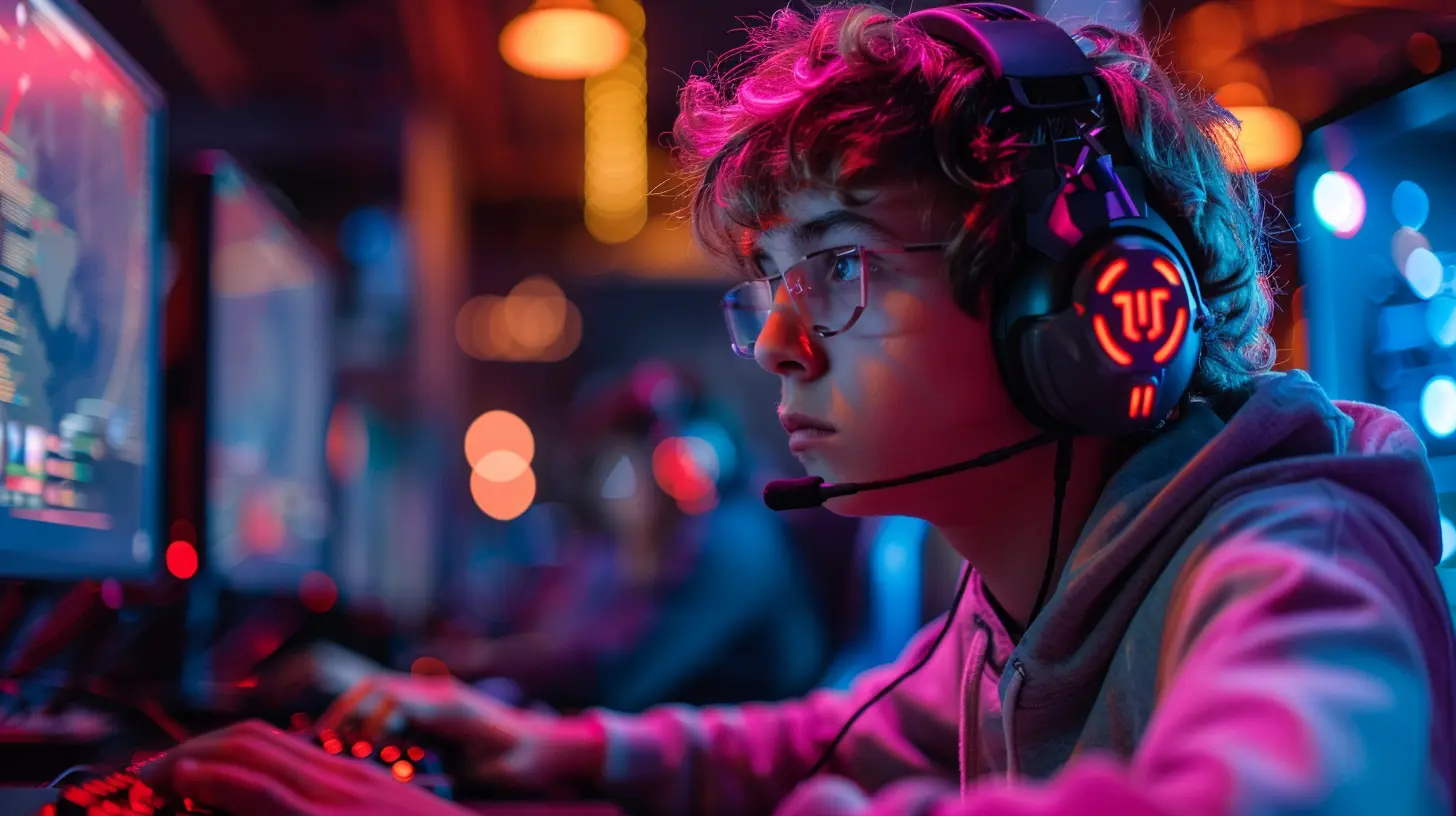
Programs like HSEL (High School Esports League) and PlayVS are giving teens across the country a platform to compete for fame, rewards, and even scholarships. Yep, scholarships—for gaming!Many schools are setting up dedicated esports clubs or full-on varsity teams, complete with a coach, jerseys, and weekly practices. They’re playing titles like Rocket League, Smash Bros., and Fortnite with the same pride and competitiveness as football or basketball teams.
And here's the kicker: these leagues are inclusive. You don't need to be tall, fast, or have a killer throw. Everyone can play. Gaming has leveled the playing field—literally.
➤ Esports Arenas in Schools?
Believe it or not, some high schools are building state-of-the-art esports labs and arenas. We're talking high-end PCs, lightning-fast internet, ergonomic chairs—the works.These schools aren’t just investing in gear. They’re investing in student potential. Because hey, some of these kids are going to end up in six-figure careers in esports, either as pro players, streamers, shoutcasters, or devs.

? From Campus Cafeterias to Esports Championships
Now let’s crank the dial to the next level: college gaming leagues.➤ Scholarships for Gamers
Let’s pause and let that sink in. Colleges are now scouting top-tier high school gamers and offering full or partial scholarships. It’s the same process as recruiting athletes, just with a mouse and keyboard instead of cleats and helmets.Universities like the University of California-Irvine, Boise State, and Harrisburg University have elite-level esports programs. They're competing nationally in games like Valorant, League of Legends, and CS:GO. And they aren’t just winning matches—they’re winning headlines.
➤ Degrees in Esports?
You heard that right. Some universities now offer degrees in esports management, game design, and digital media production. So, while you might be gaming all day, you're also learning how to build that game, manage a team, or run a million-dollar esports event.Talk about turning passion into profession.
➤ Building a Career Through Campus Gaming
College gaming leagues also act as stepping stones into the booming esports industry, worth over $1.5 billion globally. From shoutcasting (esports commentary) to managing gaming organizations, producing online content, or becoming professional e-athletes—students are building real careers through these programs.And the best part? They’re doing it while having a blast.
?️ What Makes School Gaming Leagues So Popular?
It’s not just about winning. It’s about community, connection, and expression.➤ Everyone’s Got a Seat at the Table
Unlike traditional sports, gaming leagues break barriers. Gender, physical ability, social background—it doesn’t matter. If you’ve got passion and skills, you’re in.Gaming has become a safe space for students who might not relate to the mainstream crowd. It gives them a voice, a team, and a purpose.
➤ A New Kind of School Spirit
You’d be surprised how loud students can get cheering for their school’s Overwatch team.Esports events, live streams, and tournaments are pulling in school-wide attention. Some games even get broadcast on Twitch or YouTube—turning schools into digital stadiums.
Imagine pep rallies with highlight reels from last week’s League match? That’s the future we’re heading toward.
? The Business Side: Why Schools Are All-In
This isn’t just some fun side project—schools are realizing that esports is a recruitment and branding powerhouse.Having a strong esports program gives schools a modern, tech-savvy edge. It attracts students interested in digital careers. Plus, it shows they’re keeping up with cultural trends rather than pushing against them.
And let’s not ignore the money. With big-name sponsors, partnerships, and media rights up for grabs, esports can be a revenue-generating powerhouse for educational institutions.
? The Global Connection
School gaming leagues don’t just keep it local. These tournaments often go national and global, connecting students from different states—even different continents.How cool is it that an American high school team could face off against a crew from South Korea? It's like the Olympics… but in a hoodie and headset.
These international face-offs help students learn from different playing styles and cultures, enhancing their competitive edge and global perspective.
? The Future of Gaming Leagues in Education
So, what’s next?➤ National Championships Will Be the Norm
Just like NCAA sports, we’re heading toward nationwide college esports broadcasts, complete with packed auditoriums and fans waving team banners. Think March Madness, but digital.➤ Formal Recognition
We're talking athletic letters for esports players, esports GPA requirements, and maybe even esports cheer squads (why not?).➤ Integrated Curriculum
Imagine a high school class where students study game theory, create their own game, AND compete in tournaments all semester long. It's closer than you think.➤ Mental and Physical Health Support
With growing recognition comes responsibility. Many schools are already implementing mental and physical health programs for their esports athletes, mirroring what’s available in traditional athletics.? The Bottom Line: Respect the Game
Whether you’re an old-school arcade kid or a newcomer to the digital battlefield, one thing’s clear—gaming is rewriting the script. High school and college gaming leagues are helping students make friends, grow skills, and chase dreams.It's not just a game anymore. It's an opportunity.
So if someone tells you gaming can’t take you anywhere… just smile, pick up the controller, and prove them wrong.
all images in this post were generated using AI tools
Category:
Gaming LeaguesAuthor:

Pascal Jennings