Explaining the Surreal Ending of Limbo
21 June 2026
If you've played Limbo, you're probably still scratching your head, wondering what the heck just happened by the time the credits rolled. Trust me, you're not alone. The game grabs you with its dark atmosphere, eerie silence, and little-boy-lost storyline—and then it drops a mind-bending ending that leaves you with more questions than answers.
In this article, we’ll break down the final moments of Limbo, explore popular fan theories, and discuss what the ending might actually mean. Whether you're looking for closure or simply want to geek out over Limbo’s symbolism and visual storytelling, you’re in the right place.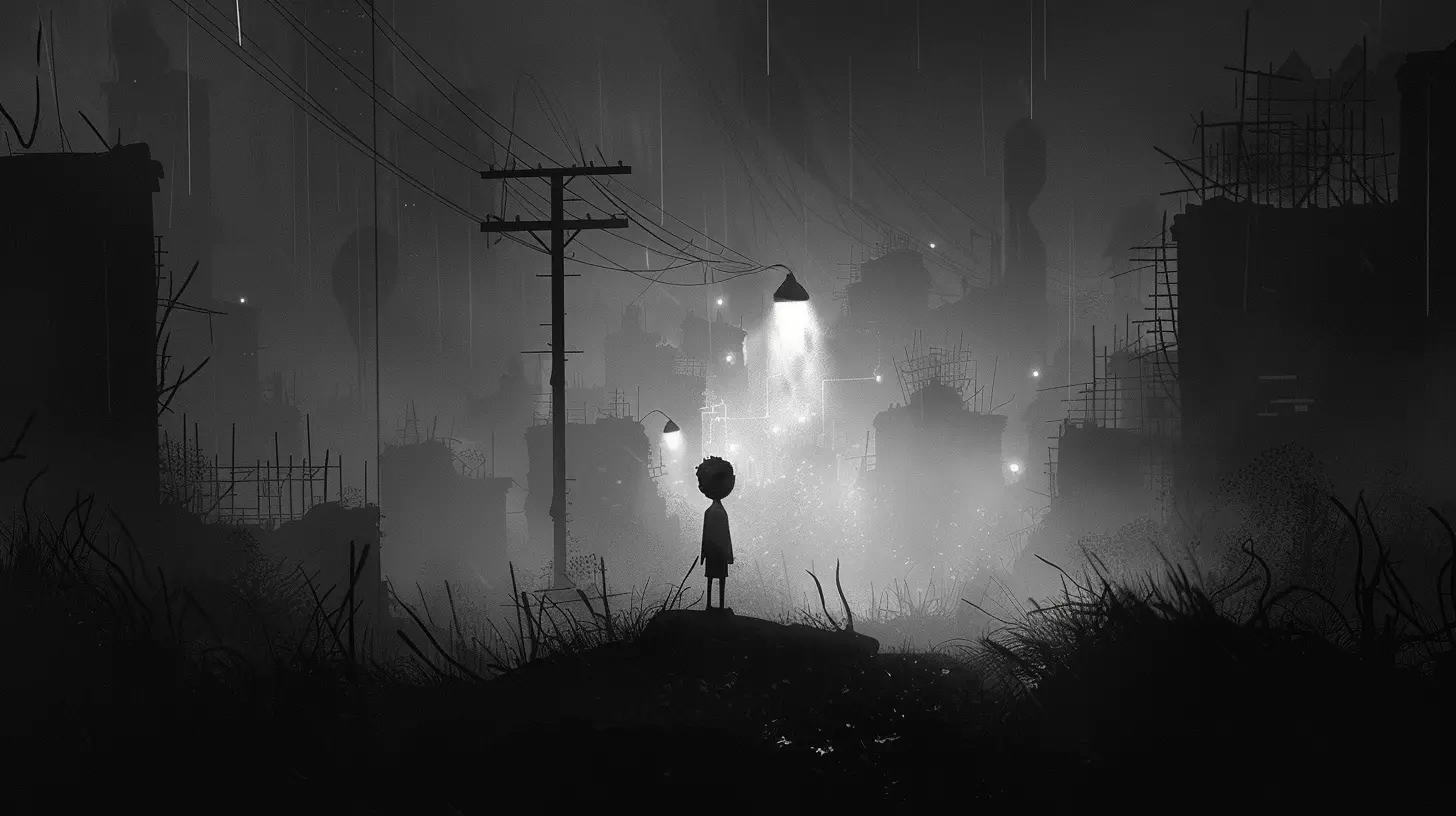
What is Limbo Anyway?
Before we deep-dive into the ending, let’s do a quick recap of what Limbo is all about. It's a minimalist, black-and-white puzzle-platformer developed by Playdead Studios, released in 2010. You play as a nameless boy venturing through a dark, haunting world filled with deadly traps, giant spiders, and unsettling environments. The game has no dialogue, no user interface, and no hand-holding tutorials. It tosses you into the unknown and simply lets you figure it out.And guess what? That design choice plays a massive role in how we interpret the ending.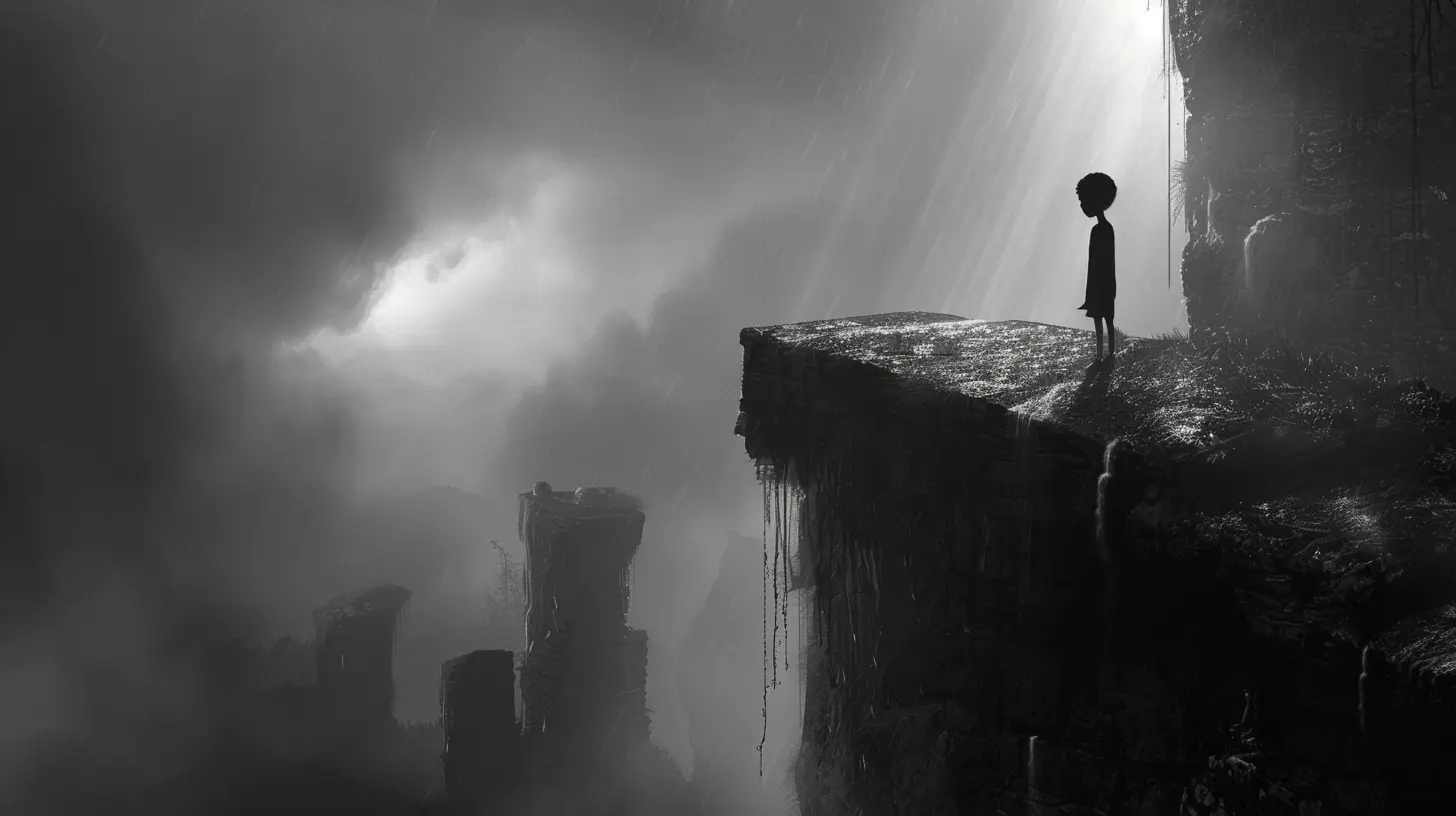
The Final Scene of Limbo: What Actually Happens?
Alright, let's talk about the ending.After countless puzzles and horrific deaths, the boy comes across a weird, slow-motion area riddled with gravity-bending mechanics. He breaks through a pane of glass (in slow motion, no less), crashes to the ground, and then it cuts to a quiet forest scene that looks suspiciously like the game's opening shot.
Only this time, there’s a girl standing near a ladder. When the boy approaches, she notices him—and then the screen cuts to black. Roll credits.
That’s it. No explanations. No closure. Just a forest, a girl, and a fade to black. So, what does it all mean?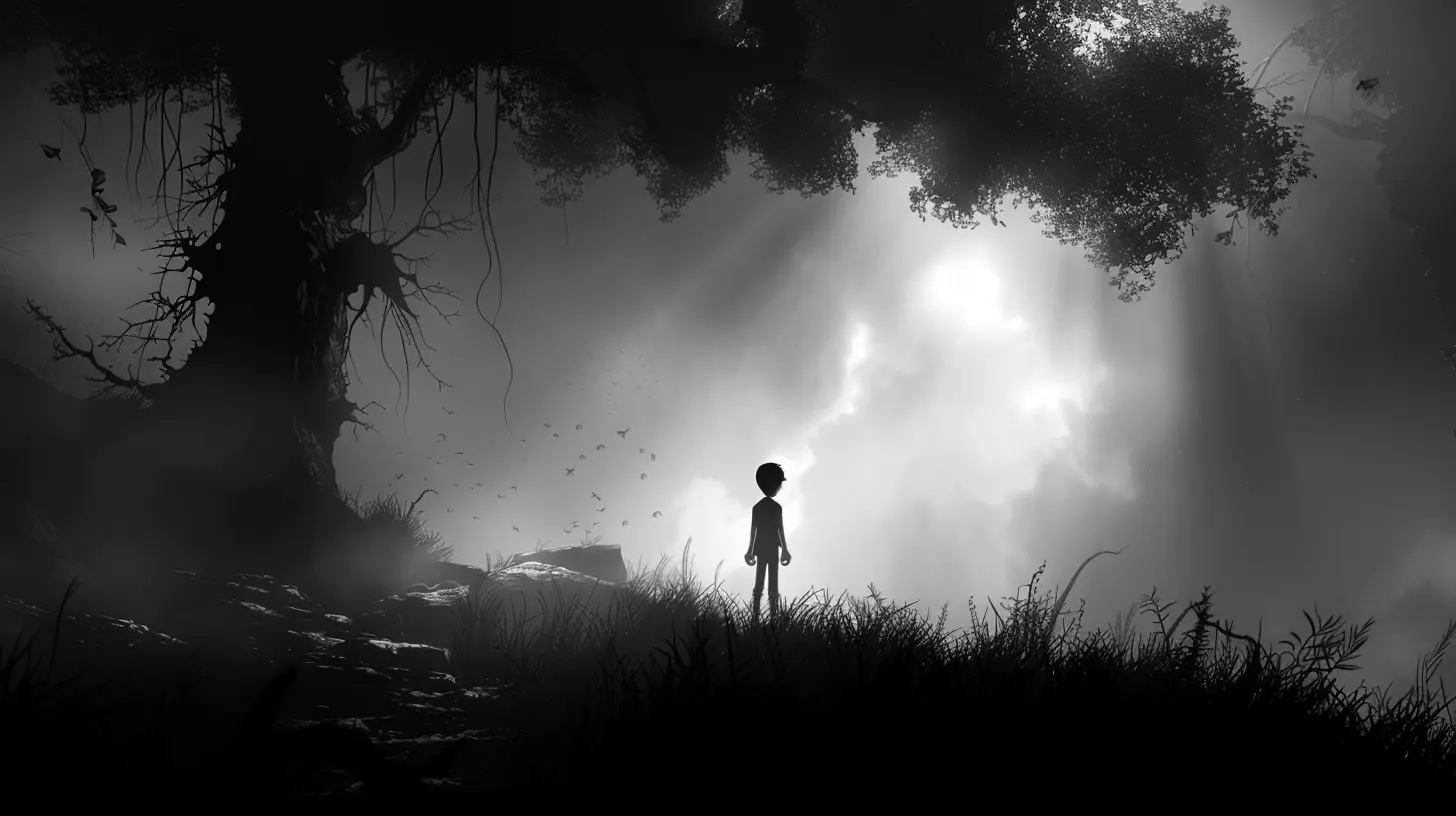
Is the Boy Dead?
One of the most common theories is that the boy is dead—and has been from the beginning.Let’s face it, the game is literally called Limbo, a term rooted in religious context, often referring to a space between life and death. It’s not heaven, it’s not hell—it’s that awkward in-between. Like waiting at a cosmic DMV.
Some fans believe the boy has died and is now in Limbo, searching for his sister (the girl at the end). The endless traps, the eerie silence, and the lack of color support the idea that he’s wandering some sort of purgatory.
When he finds her at the end, that might symbolize him coming to terms with his death—or finally reaching peace. It’s sad, it’s poetic, and it totally fits the tone of the game.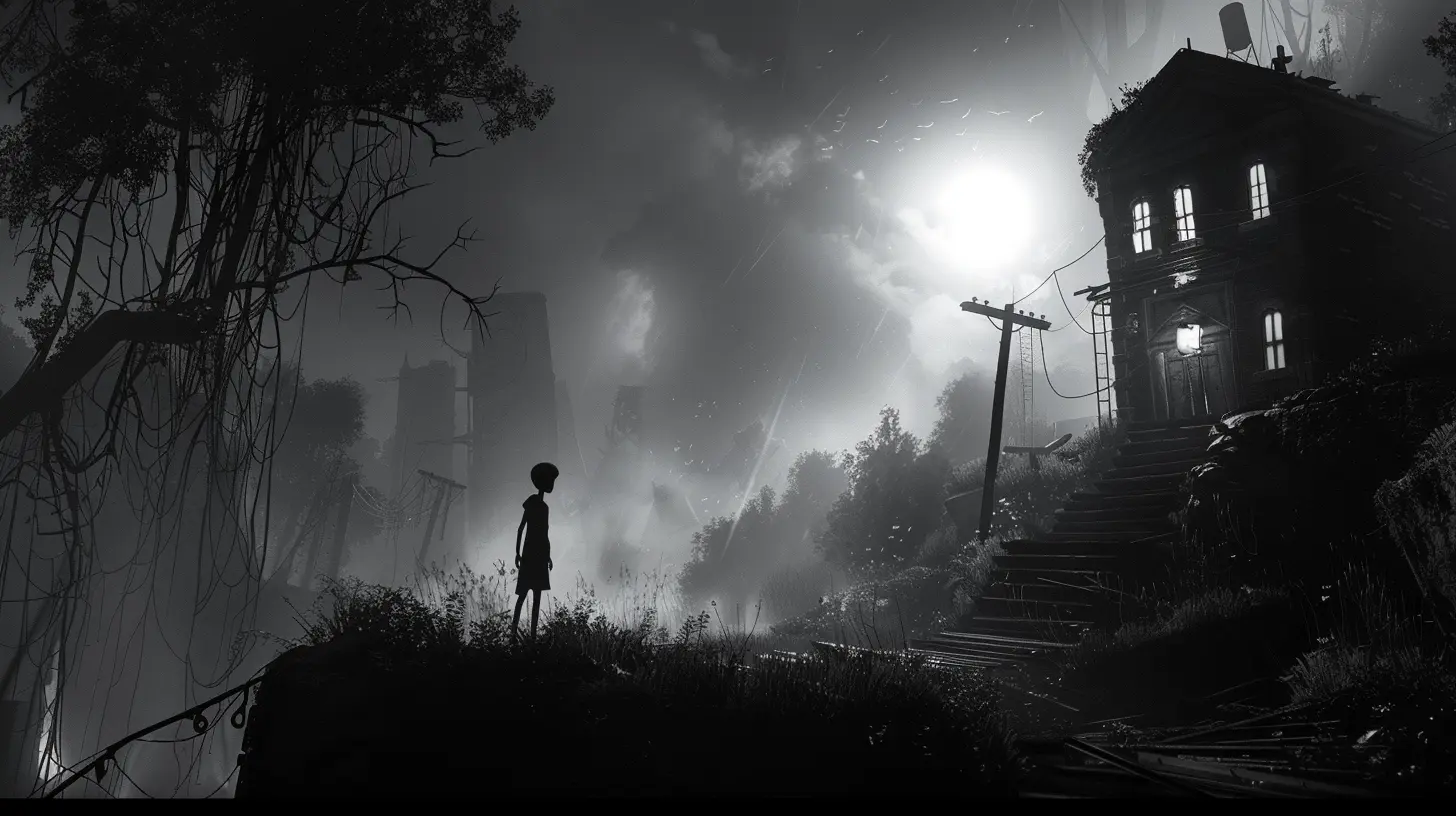
Is It About Guilt?
Another layered interpretation focuses on guilt and redemption.This theory suggests that the boy may have somehow caused his sister’s death, either accidentally or otherwise. His journey through Limbo isn’t just about finding her—it's also about confronting his inner demons, represented by all the horrific obstacles and creepy imagery along the way.
Remember those toxic brain worms, electrocution puzzles, and mechanical brutality? Maybe they symbolize his guilt tearing him apart. And when he finds his sister at the end, it’s not a literal reunion—it’s a metaphor for finally forgiving himself.
Pretty deep, right?
A Time Loop? Wait, What?
Here’s where things get even trippier.Some players believe that the opening and ending scenes aren’t just similar—they’re the same. As in, the boy crashes to the ground at the end… and it loops right back to the start. Déjà vu, anyone?
This theory proposes that the boy is stuck in an eternal cycle, repeating the same journey over and over. He never escapes. Limbo, in this case, is more like a punishment or a time loop—a continual purgatory he can’t break free from.
Think Groundhog Day, but way darker and with more decapitations.
The Glass Shatter Symbolism
Let’s go back to that slow-motion glass shattering moment.This scene stands out from the rest of the game. It’s the only moment where time slows down, everything gets surreal, and then BAM!—he crashes to the ground. It feels like a major turning point, almost like passing through a barrier between dimensions…or states of mind.
Some interpret the shattering glass as a metaphor for breaking through denial or repressing trauma. The moment he hits the ground, he transitions from struggle to resolution. The girl at the end could represent acceptance, healing, or even the truth he’s been avoiding.
It’s subtle, but man, it hits hard.
The Girl: A Symbol or a Real Character?
Let’s talk about the girl for a minute. Is she real? A memory? A symbol?She’s the only other human we clearly encounter in the game. And she doesn’t speak or move much—she just notices the boy and everything fades to black.
If we view Limbo as a journey through the boy’s subconscious or emotional pain, then the girl might not be literal at all. She could represent innocence, forgiveness, or peace. Or maybe she’s the anchor that's been pulling him forward the entire time.
On the flip side, if we take it literally, she could be his sister, and finding her means he accomplished his goal.
Either way, her presence is what drives the narrative home.
No Dialogue, No Clues – Why So Vague?
Let’s be real: Limbo doesn’t spoon-feed you anything. There’s no narrator, no text logs, no background music to hint at the story. And that’s not an accident.Playdead deliberately left things open to interpretation. The game trusts you to fill in the gaps—and in doing so, it becomes a personal experience. Your interpretation could be totally different from someone else’s, and that's kind of beautiful.
Limbo embraces ambiguity. It whispers questions instead of shouting answers.
Is There a "Right" Interpretation?
Honestly? Nope.And that’s the genius of Limbo. The lack of a definitive answer turns the game into a mirror—whatever you bring into it, you'll probably see reflected back at you.
If you’ve ever lost someone, maybe you see a story about grief. If you’ve felt guilty or stuck in the past, maybe you interpret Limbo as a metaphor for redemption. The noir visuals, the minimalist sound design, and the surreal level design all contribute to this dreamlike, interpretive quality.
It’s less about what really happened and more about what it means to you.
Why the Ending Stays With You
Let’s face it: so many games go out with a bang—epic boss fights, explosions, dramatic cutscenes. Limbo does the exact opposite. It ends quietly. Hauntingly. Ambiguously.And that's exactly why it sticks with you. It invites you to think, to interpret, and to discuss. It doesn’t wrap everything in a neat little bow—it leaves threads hanging, echoing the uncertainty of real life.
The ending of Limbo isn’t just surreal—it’s somber, mysterious, and unforgettable.
Final Thoughts
Limbo isn’t your average platformer. It’s a haunting journey through ambiguity and emotion, and its ending is the cherry on top of a very unsettling cake.Whether you see it as a story of death, a metaphor for grief, or an endless time loop of guilt, one thing’s for sure—it makes you feel something. And in a world filled with flashy action and constant noise, that kind of quiet, eerie impact is rare and valuable.
So next time someone asks, “What’s the ending of Limbo all about?”—you’ll have plenty to say.
But hey, don’t expect anyone to agree with you completely. That’s part of the magic.
all images in this post were generated using AI tools
Category:
Game Endings ExplainedAuthor:

Pascal Jennings
Discussion
rate this article
1 comments
Alexia Blair
What a fascinating dive into Limbo's ending! The surreal twists really leave you thinking. I love how it keeps players guessing and sparks so many theories. Can't wait to see more discussions like this about the game's hidden meanings!
June 27, 2026 at 2:46 PM
Pascal Jennings
Thanks! I'm glad you enjoyed the exploration of Limbo's ending. It's a game that really makes you think, and I'm excited to dive into more discussions about its themes and mysteries too!