The Psychology Behind Perceived Game Fairness
12 January 2026
Ever rage-quit a game because it felt unfair? Yeah, we’ve all been there. That moment when your perfectly executed plan crumbles because of some absurd factor that seems totally out of your control. You throw down your controller or slam your keyboard, convinced the game’s out to get you. But what’s really going on here?
Welcome to the curious world of perceived game fairness — where psychology, design, and raw emotion play pixelated chess with our minds.
In this deep dive, we’re going to break down why fairness in gaming is more about how we feel than what's actually happening. We’ll explore the key psychological triggers, how developers can either nail or totally miss the mark, and how our brains interpret justice (and injustice) in digital playgrounds.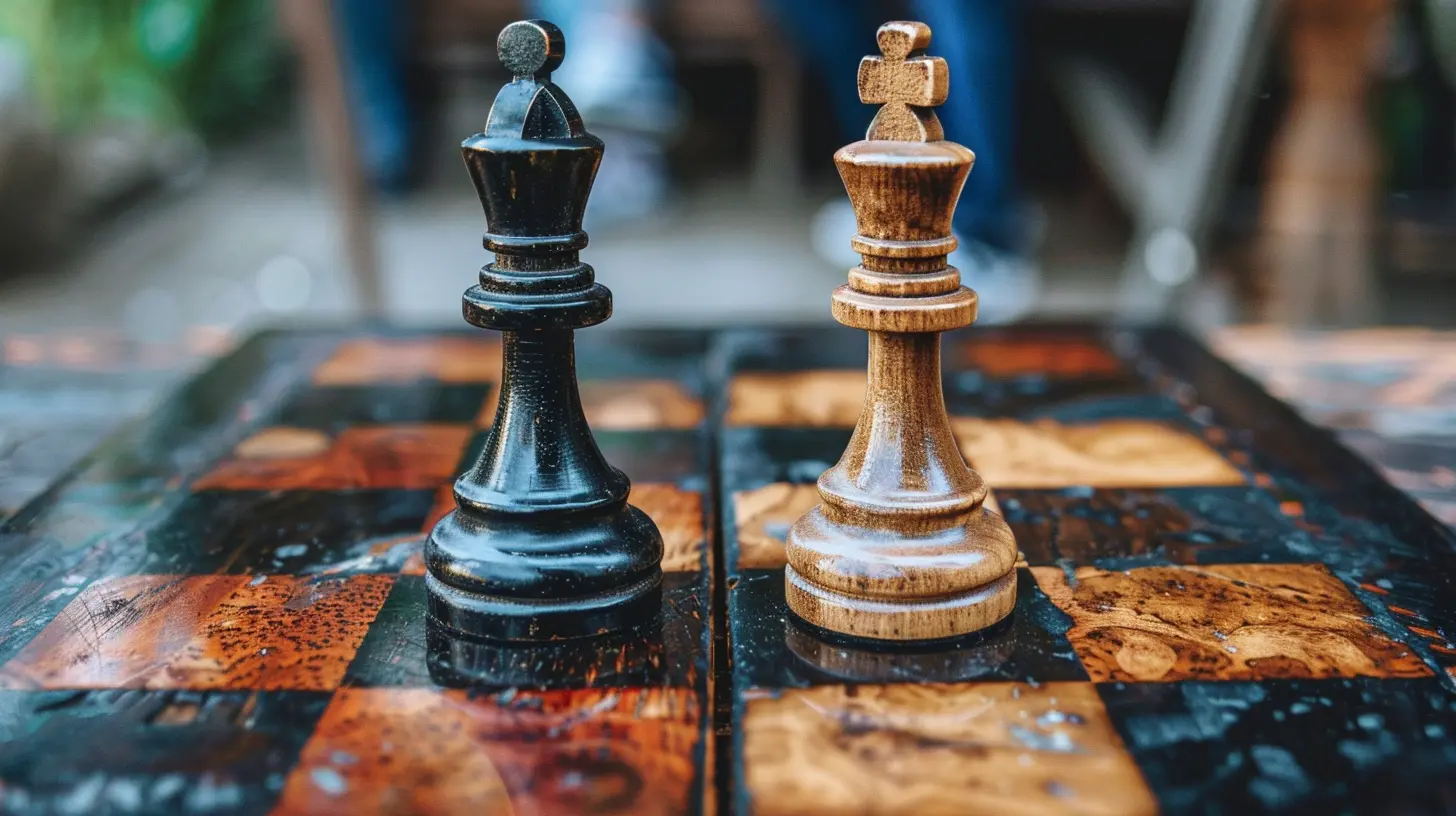
What Does “Fairness” Even Mean in Games?
Let’s start simple: what is fairness in a game?At its core, game fairness is the balance between challenge and reward. It’s whether you feel like you had a genuine chance to win or whether the game cheated you out of it. Simple, right? Well, not quite.
Fairness in gaming isn’t just about rules. It’s about perception. And that’s where things get interesting. You could have two players in the same match, under the same conditions, and one might think it was super fair — a classic showdown. The other? They’re ready to uninstall.
This perceived fairness is where the psychology kicks in.
The Two Types of Fairness: Procedural vs. Distributive
To understand how players judge fairness, psychologists often refer to two main types:1. Procedural Fairness (How the Game Works)
This is all about how decisions are made in the game. Are the mechanics transparent? Are the rules applied consistently?Imagine you’re playing a competitive shooter. If you die, you want to believe it’s because the other player was faster or more skilled — not because of lag or some exploit. If mechanics behave in ways that contradict what you’ve learned, suddenly everything feels rigged.
2. Distributive Fairness (What You Get)
This one’s about outcomes. Basically: did you get what you deserved?If you've put in hours grinding and someone else just pays to jump ahead, you’re going to feel cheated. Even if the game is technically “balanced,” unequal reward distribution wrecks the sense of fairness.
Real Talk: Why Do Players Care So Much?
Because gaming isn’t just a hobby — it’s emotional investment.Think about it. You spend time mastering skills, learning maps, crafting gear, and perfecting your strategy. When a game throws that investment out the window with some nonsense twist of fate or pay-to-win mechanic, it’s not just frustrating — it’s personal.
This emotional response is tied to something psychologists call the "just-world hypothesis." Basically, we want to believe that the world (and by extension, games) is a fair place. When that illusion breaks, we feel violated.
It’s also connected to autonomy and competence — two of the core needs according to Self-Determination Theory (SDT). Games that feel unfair strip us of control and make us feel incompetent, triggering everything from frustration to pure rage.
The Role of Randomness (RNG): Friend or Foe?
Ah, the infamous RNG (Random Number Generator). It’s a mechanic that stirs up a lot of controversy in gaming culture.When Randomness Feels Fair
Surprisingly, randomness can actually enhance fairness — if it’s handled the right way. Think of a card game like Hearthstone or a loot game like Diablo. RNG adds unpredictability, which can level the playing field and make gameplay more dynamic.Randomness creates variety, suspense, and excitement. It can even give underdogs a shot at glory.
When Randomness Feels Like Betrayal
But RNG without transparency? That’s a recipe for distrust.Let’s say you work your tail off for a rare item drop, and after dozens of attempts, it just won’t happen. Meanwhile, someone else gets it on their first try. Even if the odds are technically the same, your brain starts writing conspiracies.
Suddenly, it doesn’t matter what the math says — it feels unfair.
Competitive Balance: Where Skill Meets Sweat
In games like League of Legends, Valorant, or Rocket League, fairness becomes even harder to define because skill-based matchmaking comes into play.Players expect a fair shot at winning based on their own abilities. But when you get matched with trolls, AFK teammates, or seemingly impossible opponents, your sense of fairness tanks.
Developers walk a tightrope here. They have to ensure that matchups feel appropriate, that skill expression matters, and that there's room to climb — all without rewarding toxic behavior or punishing new players.
And when the system slips? Players blame “rigged matchmaking” or “ELO hell,” regardless of whether it's true.
Pay-to-Win: The Ultimate Fairness Killer
Let’s not sugarcoat it. Nothing breaks the illusion of fairness faster than pay-to-win mechanics.When someone shells out cash to instantly boost stats, access stronger weapons, or bypass grindy progression, it undermines those who play fairly. Suddenly, time and skill have less value — and passion turns to resentment.
It’s why so many players rage against microtransactions in competitive games. Cosmetic items? Sure, fine. But if your wallet gives you a real in-game edge, you’ve just lit the integrity of fair play on fire.
How UI and Feedback Affect Perceptions
Here’s a twist: even the way games communicate outcomes plays a role in fairness.Players need clear, timely, and constructive feedback when something goes wrong. If you lose a match but don’t understand why, you’ll likely assume external forces were at play (even if you just messed up).
Think about fighting games like Street Fighter or Tekken. When you lose, instant replays or detailed frame data can help you understand what went wrong. That builds trust — you can see the logic.
Good UI doesn’t just show you results — it shows you justification.
Skill Gaps and “Rubber Banding”
Here’s where things get controversial.To keep weaker players engaged, some games use mechanics like auto-aim, catch-up boosts, or enemy scaling. Mario Kart famously lets losing players get better items — blue shell, anyone?
From a game design standpoint, this is brilliant. It keeps the competition tight and brings in casual fans.
From a competitive standpoint? It’s blasphemy.
These mechanics can tilt the perception of fairness, especially for skilled players. You can be dominating a race, only to lose due to one unlucky item. Fair? Not really — unless you’re the one getting the boost.
Toxicity and Fairness: They’re More Connected Than You Think
Interestingly, game fairness and player behavior are closely linked.When players feel a system is unfair, their frustration often spills into chat. Rage, flame wars, and griefing skyrocket. On the flip side, environments that promote fair play tend to see more cooperation and positivity.
That’s why many developers invest in systems that reward good behavior and provide transparency in moderation. When players trust that the game is holding everyone to the same standard, they’re way less likely to go toxic.
What Game Developers Can Do Better
Alright, so what can be done? How can devs design systems that feel fair, even when randomness and competition are involved?1. Be Transparent
Explain systems clearly. Whether it’s how loot drops work or how matchmaking is determined, give players enough information to understand the process.2. Provide Meaningful Feedback
Let players know what happened and why. Show damage numbers, replays, or post-match stats that highlight where they succeeded or failed.3. Respect Player Time
Don’t force endless grinding for low reward. Create progression systems that feel rewarding and respectful of the effort players put in.4. Keep Pay-to-Win Out
If fairness matters, then competitive advantage shouldn’t be sold. Period.5. Balance Adaptively
Constantly monitor and adjust the meta. Patch overpowered strategies and check for unintended exploits. Keep updating based on real feedback — not just spreadsheets.TL;DR: Fairness Isn’t Just Code — It’s Culture
At the end of the day, players don’t judge games purely by logic or numbers. They judge based on how a game makes them feel.If the systems seem consistent, the outcomes seem earned, and the effort feels worthwhile, players will view the game as fair — even if they lose. But once that emotional balance tips, all bets are off.
So whether you’re a game dev, a streamer, or just someone who hates losing to lag, remember this: perceived fairness isn’t just a design feature. It’s the invisible glue that holds the player experience together.
Make it feel fair, and you’ll keep players coming back. Break that illusion, and you’ll hear about it — loudly.
all images in this post were generated using AI tools
Category:
Game BalancingAuthor:

Pascal Jennings
Discussion
rate this article
2 comments
Grace Bell
Game fairness? Please! If players spent half as much energy actually playing as they do whining, they'd be pro-level by now. Reality check, folks!
January 18, 2026 at 4:20 PM
Pascal Jennings
While it's true that focus on gameplay is crucial, concerns about game fairness often stem from a desire for a balanced competitive environment. Addressing these perceptions can enhance overall enjoyment and player investment.
Daphne Lamb
Ah, game fairness—where every player believes they're the hero, even if their only skill is knowing how to rage quit! It’s all in our heads… and our controllers!
January 13, 2026 at 3:30 PM
Pascal Jennings
Absolutely! Perceived fairness in gaming often hinges on individual expectations and experiences, influencing how players react—whether they view themselves as heroes or succumb to frustration. It’s a fascinating interplay of psychology and gameplay!