The Psychology Behind Competitive Play in Gaming Leagues
1 June 2026
Competitive gaming is more than just high scores and flashy plays. It's a mental battlefield where emotions, motivations, and psychological strategies collide. Whether you're grinding your way up the ladder in League of Legends, battling it out in Valorant, or perfecting your rotations in Rocket League, one thing’s for sure: your mind is just as important as your mechanics.
In this post, we’re diving deep into the psychology behind competitive play in gaming leagues. We'll talk about what drives players, how competition shapes behavior, and why mental resilience can be the difference between winning and tilting.
So, grab your energy drink (or your cup of tea—no judgment), and let’s get into it.
Why Do We Compete in Games Anyway?
Okay, let’s start simple: why are we even drawn to competitive games?Humans are wired for competition. Whether it's sports, board games, or digital arenas, we crave challenge and recognition. When we win, our brain releases dopamine—that “feel-good” chemical that gives us that rush. It’s like a mini celebration in your head.
But there’s more to competitive gaming than just getting a high score or ranking up. It’s about improvement, mastery, status, and yes, even the community.
The Drive for Mastery
Think about the first time you played your favorite competitive game. You probably sucked. We all did. But you kept going, right? Why?Because deep down, there's this itch to get better. Psychologists call it the “competence motivation”—the drive to master new skills and overcome obstacles. Every crisp headshot, perfect rotation, or slick combo feeds that motivation.
In gaming, it’s not just about winning. It’s about becoming good at something. And let’s be honest—there’s something really satisfying about seeing your skills improve over time.
It’s Personal
For many players, competitive gaming becomes part of their identity. You’re not just “playing Overwatch”—you’re a Reinhardt main. You’re not just climbing in Dota 2—you’re proving something to yourself and others.This personal investment creates a strong emotional connection. It makes every win sweeter and every loss sting a little more. And that emotional rollercoaster? That’s all part of what keeps us coming back.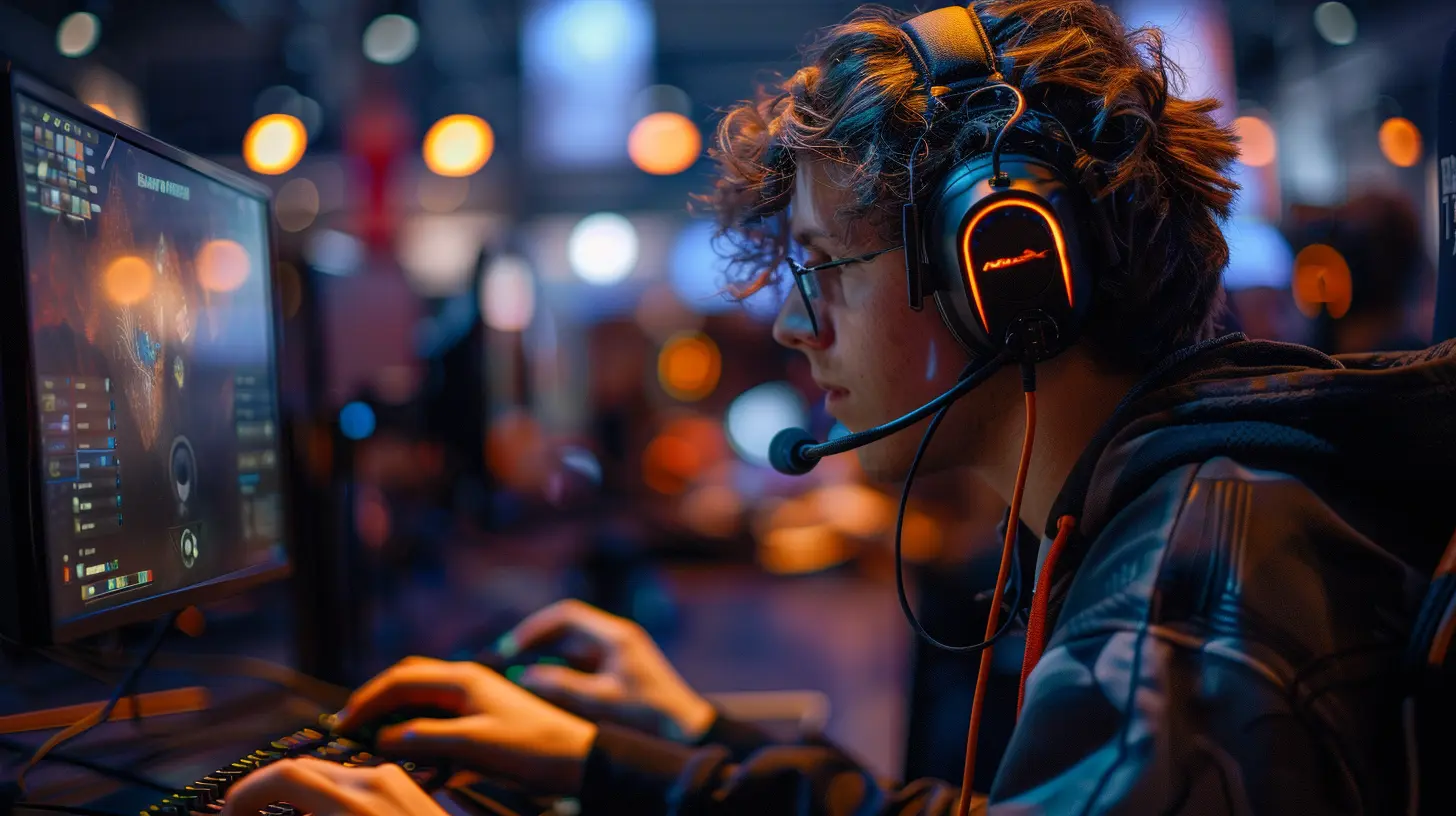
The Thrill (and Stress) of the Ladder
Climbing the ranked ladder is exciting... but let’s be real, it's also an emotional minefield.One day you’re popping off, gaining LP like it’s candy. The next, you’re on a five-game losing streak, questioning all your life choices.
So what’s actually happening in our brains during all this chaos?
The Power of Risk and Reward
Ranked play taps into something deep in our brains—risk and reward. Every match is a gamble. Win, and you feel like a genius. Lose, and your confidence takes a hit.The uncertainty is what makes it exciting. That heart-racing feeling before a tight match? That’s your brain gearing up for a challenge. It’s the same adrenaline response you’d get before a big speech or a sports match.
But that same adrenaline can also mess with your head, especially if you let it tip into stress. That’s where mental resilience comes in.
The Tilt Factor
Ah yes, tilt. The dark side of competitive play.Ever died early in a match and just knew everything was downhill from there? That’s tilt creeping in. It’s a psychological state where frustration clouds decision-making. You start playing worse, which leads to more losses… and yeah, it snowballs fast.
Recognizing when you’re tilted (and stepping away when you need to) is crucial. The best players aren’t just mechanically skilled—they’re mentally tough.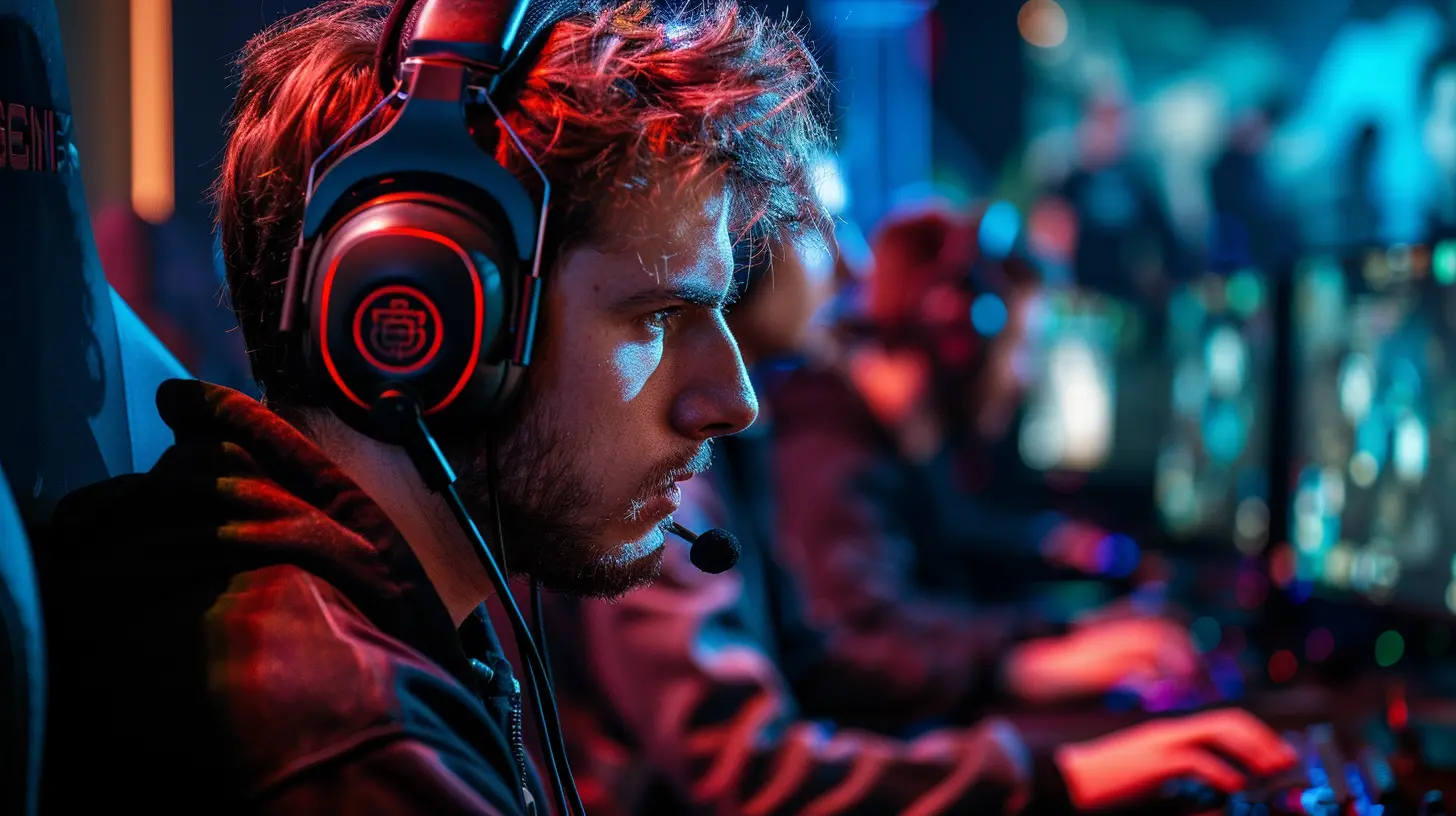
Team Dynamics: The Good, the Bad, and the Toxic
Competitive gaming leagues often involve teams—and with teams come social dynamics. Sometimes they’re awesome. Sometimes… they’re a disaster.Let’s break it down.
Cooperation and Communication
Working as a team can be one of the most rewarding parts of competitive gaming. When everyone's in sync, it's pure magic. You land that perfect team fight, hold the point against all odds, and the VOIP lights up with cheers.That synergy doesn’t happen by accident. It takes communication, trust, and a willingness to adapt. Great teams know how to mesh different personalities and playstyles into a single, unified force.
Ego, Blame, and Toxicity
But when things go wrong? Ego can take over fast.Blaming teammates, refusing to adapt, or throwing mid-game are all signs of poor team psychology. Many players tie their self-worth to their performance. So when things collapse, their ego takes a hit—and that often spills out as toxicity.
Good mental health in team settings requires emotional intelligence. Accountability, empathy, and honest feedback are what separate a “team” from a group of tilted randos yelling into their mics.
Pressure Builds Champions (Or Breaks Them)
Whether it’s an amateur tournament or a full-blown esports league, competitive pressure is real. The lights, the crowd, the stakes—it's enough to make anyone's hands shake.So how do pro players keep their cool?
Conditioning the Mind
Just like athletes train their bodies, elite gamers train their minds. They build routines, practice visualization, and even work with performance psychologists. Mental conditioning helps players stay calm under pressure, keep focus during clutch moments, and bounce back from failure.Many top players also develop rituals—like listening to music or doing breathing exercises—to get into the zone. It's about creating a mental state where they can perform at their peak.
Flow State: The Gamer’s Zen
Ever been so into a game that you completely lost track of time? That’s called a "flow state."Flow is when you're totally immersed in a task. Everything clicks. You're reacting without thinking, your movements are smooth, and you're just in it.
Competitive gaming rewards flow. Reaching that state can make a huge difference in high-pressure matches. But getting there takes practice, focus, and removing distractions.
Winning Isn't Everything (But It Feels Damn Good)
Let’s be real: everyone loves winning. But long-term success in competitive gaming isn’t just about victory—it’s about growth.Learning from Loss
Every loss is a lesson (even if it doesn’t feel that way at the time). Reviewing your replays, identifying your mistakes, and adjusting your strategy—that’s how you level up.Developing what psychologists call a "growth mindset" is key. It means understanding that skills can be developed with effort. Fixed mindset players see failure as proof they’re not good. Growth mindset players see failure as part of the journey.
Guess which one improves faster?
Staying Healthy Mentally
Burnout is real. Taking breaks, balancing gaming with other parts of life, and keeping perspective are vital for long-term success. That climb to Challenger won’t mean much if you're exhausted and miserable by the time you get there.Mental fitness is just as important as mechanical skill. And yeah—it’s okay to play for fun sometimes too. Crazy, right?
The Esports Factor: When Psychology Meets the Big Leagues
As esports grows, so does the emphasis on psychological training. It’s not just about who can click heads faster—it’s about who can perform under pressure, handle losses, and thrive on a team.Coaches and Mental Trainers
Pro teams now hire psychologists, life coaches, and performance trainers to keep players mentally sharp. These experts help with everything from stress management to team communication.It's like having a personal trainer—but for your brain.
Fame, Fans, and Expectations
Let’s not forget the pressure of having thousands (or millions!) of eyes watching your every move. Fans have expectations. Sponsors want results. It’s a lot.Staying grounded, keeping routines, and leaning on support systems becomes crucial. Because when the world is watching, every match feels ten times heavier.
Final Thoughts: Why Psychology in Competitive Gaming Matters
At its core, competitive gaming is about more than just play—it’s about people. The triumphs, the failures, the highs, the heartbreaks. It’s all part of the human experience carved into pixels and ping.Understanding the psychology behind competitive play helps us become better players, better teammates, and maybe even better people. After all, mastering the mental game is often what separates the good from the great.
So next time you queue up for ranked, remember: your brain is your greatest weapon.
Now, go crush that matchmaking queue—mentally and mechanically.
all images in this post were generated using AI tools
Category:
Gaming LeaguesAuthor:

Pascal Jennings
Discussion
rate this article
2 comments
Maddison Ruiz
Competitive play in gaming leagues taps into deep psychological drivers like motivation, identity, and stress management. Players often find meaning in their roles, fostering community and rivalry. Understanding these dynamics can enhance player experience and performance, highlighting the interplay between mental resilience and skill in high-pressure environments.
July 2, 2026 at 4:20 AM
Sawyer McNair
This article is a fantastic dive into the mind of competitive gaming! Understanding the psychology makes the thrill even more exciting. Can't wait to see how this evolves!
June 3, 2026 at 3:06 PM