How Lighting Techniques Have Advanced in Game Engines
3 July 2026
Ever wondered why modern video games look almost as real as the world outside your window? Gone are the days when characters had blocky faces and light just meant a bright spot hovering over everything. Now, it’s all about immersing players in a beautifully rendered, lifelike world—and a big part of that magic lies in lighting.
Lighting in game engines has come a long, long way. From simple 2D sprites with no shadows to sprawling 3D environments with dynamic light sources, incredible reflections, and hyper-realistic shadows, the transformation has been mind-blowing. So, let’s take a deep-dive into how lighting techniques have advanced in game engines and changed the way we experience digital worlds.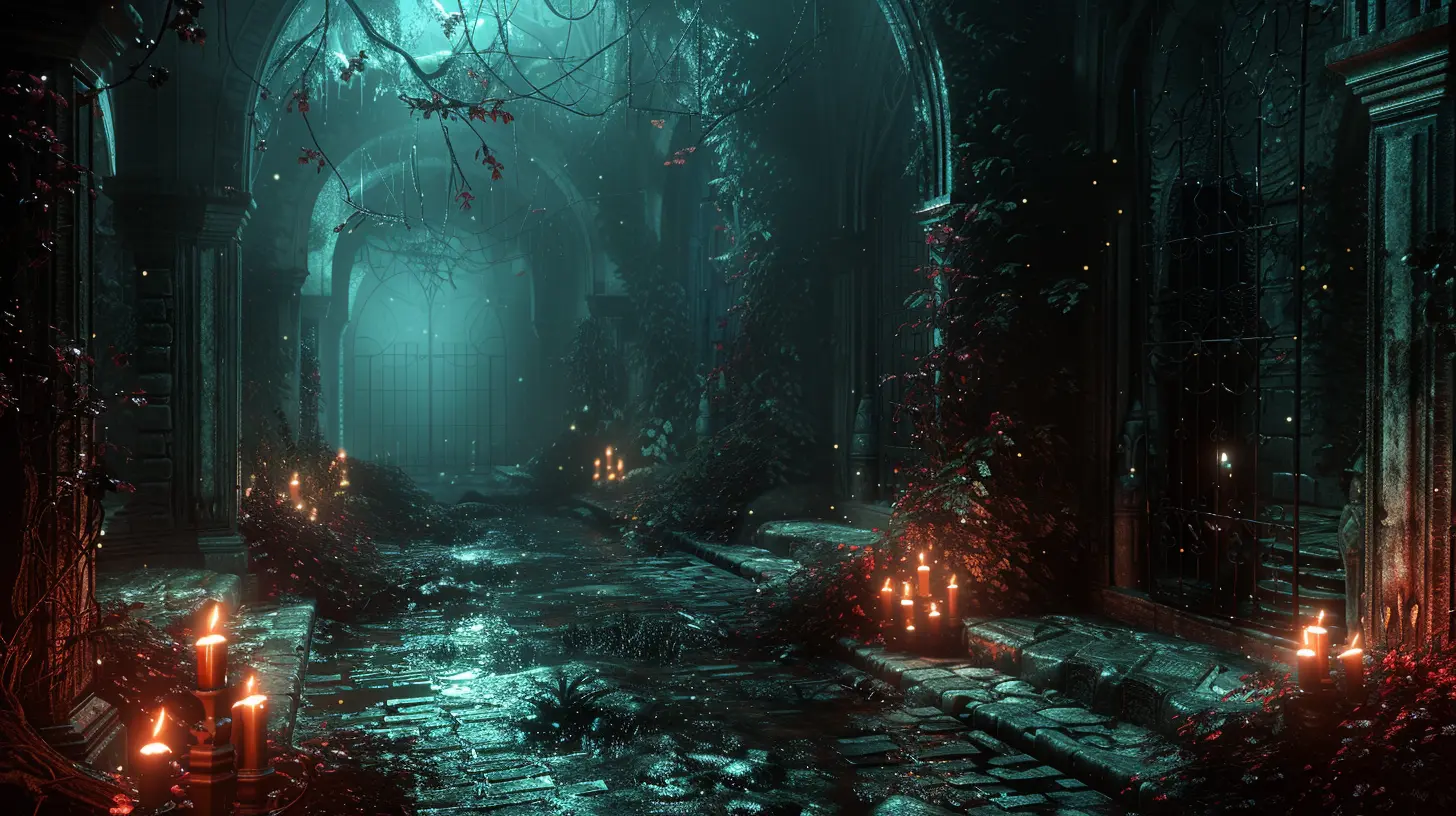
Why Lighting Is a Big Deal in Games
Think of lighting like the mood music in a film. It tells your brain how to feel. Harsh reds? That’s danger. Soft blues and purples? Calm and chilled. Without good lighting, games would feel flat, lifeless, and honestly, a bit boring.Lighting doesn’t just make things look pretty. It guides the player, sets the mood, and delivers realism. Whether it’s the flicker of torchlight in a dungeon or the sun breaking through the mist in the mountains, it’s lighting that breathes life into a game scene.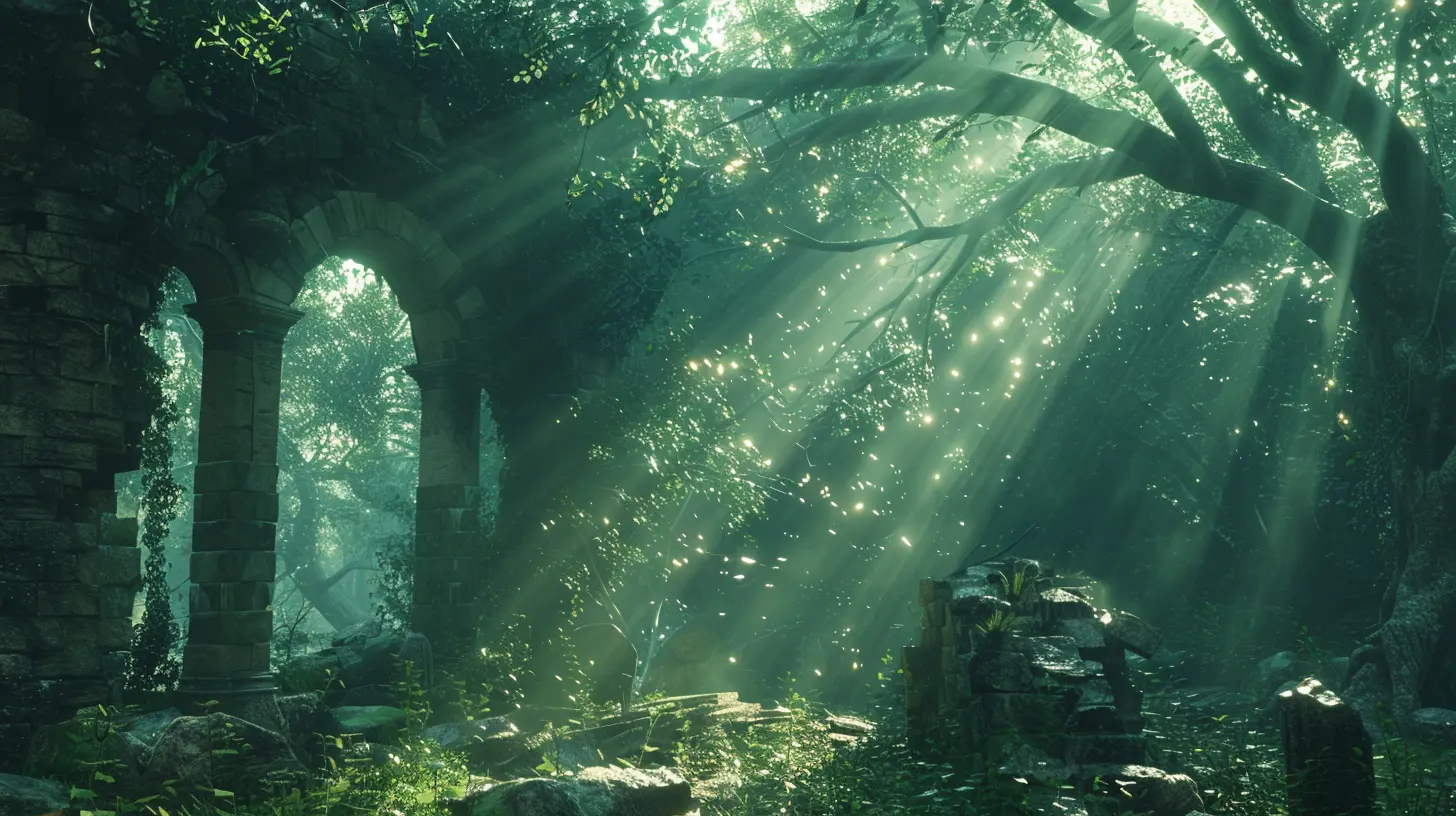
The Early Days: Basic Lighting and Hard Shadows
Let’s rewind to the early days of gaming. Picture a pixelated character walking under a static light source. The light doesn’t move. The shadows don’t shift. It’s pretty dull, right?Back then, game developers used baked lighting—a technique where lights and shadows were pre-rendered directly into the environment. This worked well for fixed scenes but didn’t allow for dynamic, moving light. If something changed—like a light turning off or the sun setting—the whole scene had to be rendered again.
Shadows were often just blobs or dark circles beneath characters. Nothing cast realistic shapes, and moving objects didn’t affect lighting at all.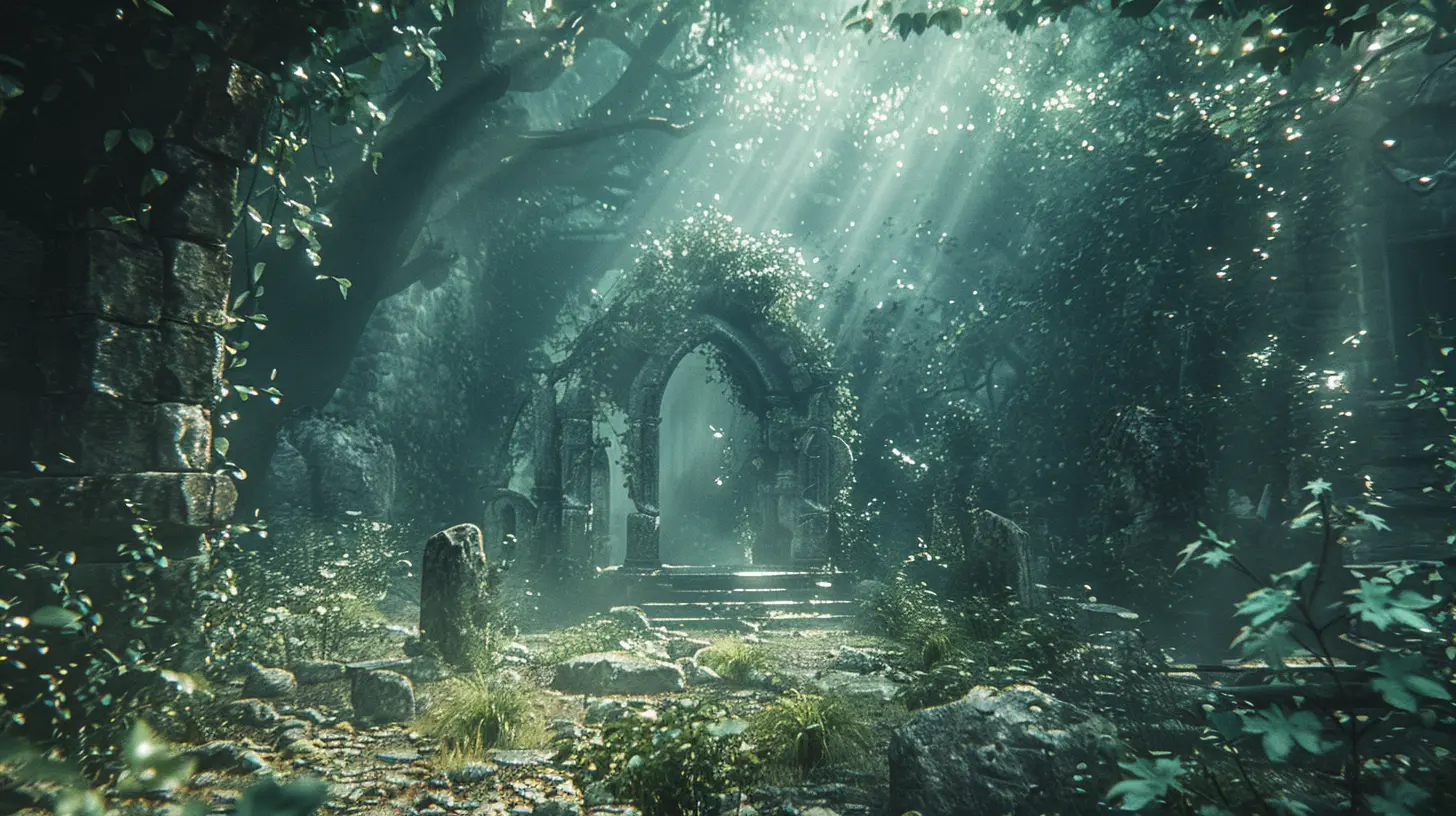
Enter Dynamic Lighting: A Game Changer
As game engines evolved, dynamic lighting took the spotlight (pun totally intended). Dynamic lights react to movement and time. Think about how your shadow shifts when you walk under a streetlamp. That’s dynamic lighting—light that changes in real-time based on what's happening in the scene.This was huge. Suddenly, developers could create more immersive, believable worlds. Spotlights could follow players. Fireballs could light up cave walls. Enemies could cast eerie shadows from behind a flickering lantern.
But dynamic lighting wasn't perfect. It was heavy on performance. Early consoles and PCs struggled to keep frame rates smooth under all that extra math and rendering.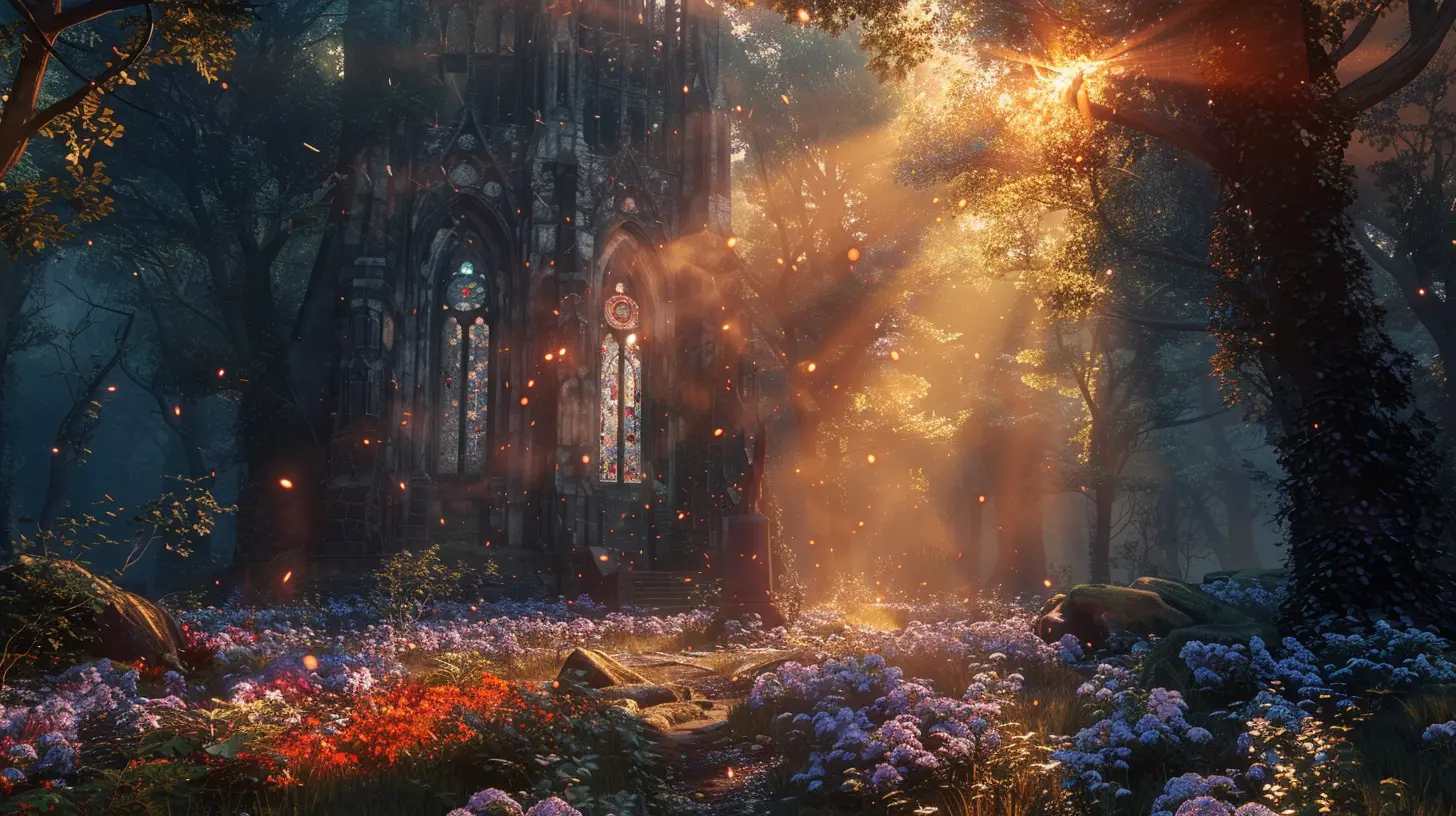
Global Illumination: Let There Be (Smarter) Light
Enter one of the biggest lighting revolutions: Global Illumination (GI).Here’s the deal: in real life, light bounces. You turn on a lamp, and its glow spreads across walls, floors, and even reflects back onto your skin. That’s GI in action. It's light reflecting off surfaces to softly light up everything around it.
Before GI, game lights just stopped at the first surface. Everything else stayed dark or had to be faked with another light source. With GI, light behaves more like it does in the real world, bouncing around and creating soft, indirect lighting.
Modern engines like Unreal Engine and Unity started implementing GI, and boom—game worlds started looking a hundred times more realistic. Shadows became softer. Colors bounced between surfaces. Environments felt more “alive.”
Real-Time Ray Tracing: Hollywood Comes to Games
Have you heard of Ray Tracing? If not, you've definitely seen it, especially in mega-hits like Cyberpunk 2077 or Minecraft RTX.Ray tracing is like the holy grail of game lighting. It simulates each individual beam of light hitting objects, bouncing off surfaces, and even refracting through glass or water. It's the same tech used in blockbuster movies for those jaw-dropping visual effects.
Traditionally, ray tracing was way too performance-heavy for games. But with new graphics cards—thank you, NVIDIA RTX!—real-time ray tracing is now possible.
We’re talking reflections in puddles that show moving clouds, or accurate shadows cast through stained glass windows. It’s insane. And incredibly beautiful.
But yeah, it’s still demanding. Ray tracing can tank performance if not optimized well, which is why many games offer it as an optional, high-end feature.
The Role of Lumen in Unreal Engine 5
When Epic Games dropped Unreal Engine 5, it brought a new lighting system called Lumen—and gamers and devs alike were shook.Lumen essentially gives us real-time global illumination and reflections without baking lights or using super expensive ray tracing hardware. How? Through clever algorithms and approximations.
Want to move a torch and see the light bounce off walls in real-time? Lumen’s got you. Want the sky to change and cast realistic ambient light? It does that too. It’s unreal (yeah, pun again), and it opens the door for smaller studios to achieve stunning results without needing huge budgets.
Volumetric Lighting: Adding Depth to Light
Ever seen god rays streaming through trees in a forest? That’s volumetric lighting in action. Unlike traditional light, which travels in straight, flat lines, volumetric lighting interacts with particles in the air—like fog, dust, or smoke—to create light shafts.It adds atmosphere and depth. You can almost feel the air in the room. Games like Red Dead Redemption 2 and Metro Exodus use this to incredible effect.
Lighting and Performance: It’s a Balancing Act
Better lighting makes for prettier games, but it also eats up resources. That’s why developers constantly make trade-offs between visual quality and performance.Many games offer multiple lighting settings: low, medium, high, and ultra. Fancy features like ray tracing can be turned off, while Lumen in UE5 is designed to be scalable depending on your hardware.
As lighting tech advances, developers are getting better at optimizing. That means you're getting prettier games that still run buttery smooth—even on mid-range systems. Win-win, right?
Lighting and Artistic Direction
Let’s not forget: lighting isn’t just math and code—it’s art.Game artists use lighting to:
- Highlight important areas
- Set emotional tones
- Tell stories without words
For instance, horror games often use stark shadows and minimal light to build tension. A soft golden sunset in an RPG might make you feel nostalgia or peace.
So while the tech keeps evolving, it’s the human touch that really makes lighting shine—literally and figuratively.
What's Next? The Future of Game Lighting
As AI and machine learning step into the game development ring, lighting is poised for more innovation. We might one day see:- AI-assisted lighting setups that adjust based on gameplay
- Full-scene ray tracing at 60+ FPS on all devices
- Even more accessible tools for indie developers
Imagine lighting that reacts to your mood. Or dynamically shifts based on your decisions in the game. Sounds wild now, but so did ray tracing ten years ago.
Final Thoughts: Light at the End of the Tunnel
Lighting in games has gone from being a technical afterthought to a storytelling powerhouse. It guides players, creates mood, and makes us believe in virtual worlds.From static bulbs to real-time sunbeams, the journey has been incredible—and we’re only scratching the surface. Whether you’re a gamer marveling at a glowing, misty forest, or a dev trying to craft the perfect dungeon vibe, lighting is your best friend.
So next time you’re lost in a stunning game world, take a moment to appreciate the light. Because behind every shadow and shimmer is a mountain of tech, artistry, and imagination.
all images in this post were generated using AI tools
Category:
Game GraphicsAuthor:

Pascal Jennings
Discussion
rate this article
1 comments
Solstice Conrad
Wow, lighting in games has come a long way! From pixelated torches to breathtaking sunsets, the glow-up is unreal. It's like watching a glow stick evolve into a disco ball. Can't wait to see what these engines light up next... maybe my gaming skills?
July 19, 2026 at 4:14 PM