The Most Watched Gaming Leagues and Why They Matter
28 April 2026
Gaming isn’t just about controllers, consoles, and caffeine-fueled all-nighters anymore. It’s transformed into something way bigger — a global stage where pros battle it out, not for fun (well, maybe a little), but for glory, millions of dollars, and the hearts of millions of fans. Welcome to the electrifying world of esports!
Now, if you're wondering which gaming leagues are topping the charts and why people get absolutely glued to their screens watching them, you're in the right place. We're diving deep into the most watched gaming leagues and why they matter — not just to gamers but to the entire entertainment industry.
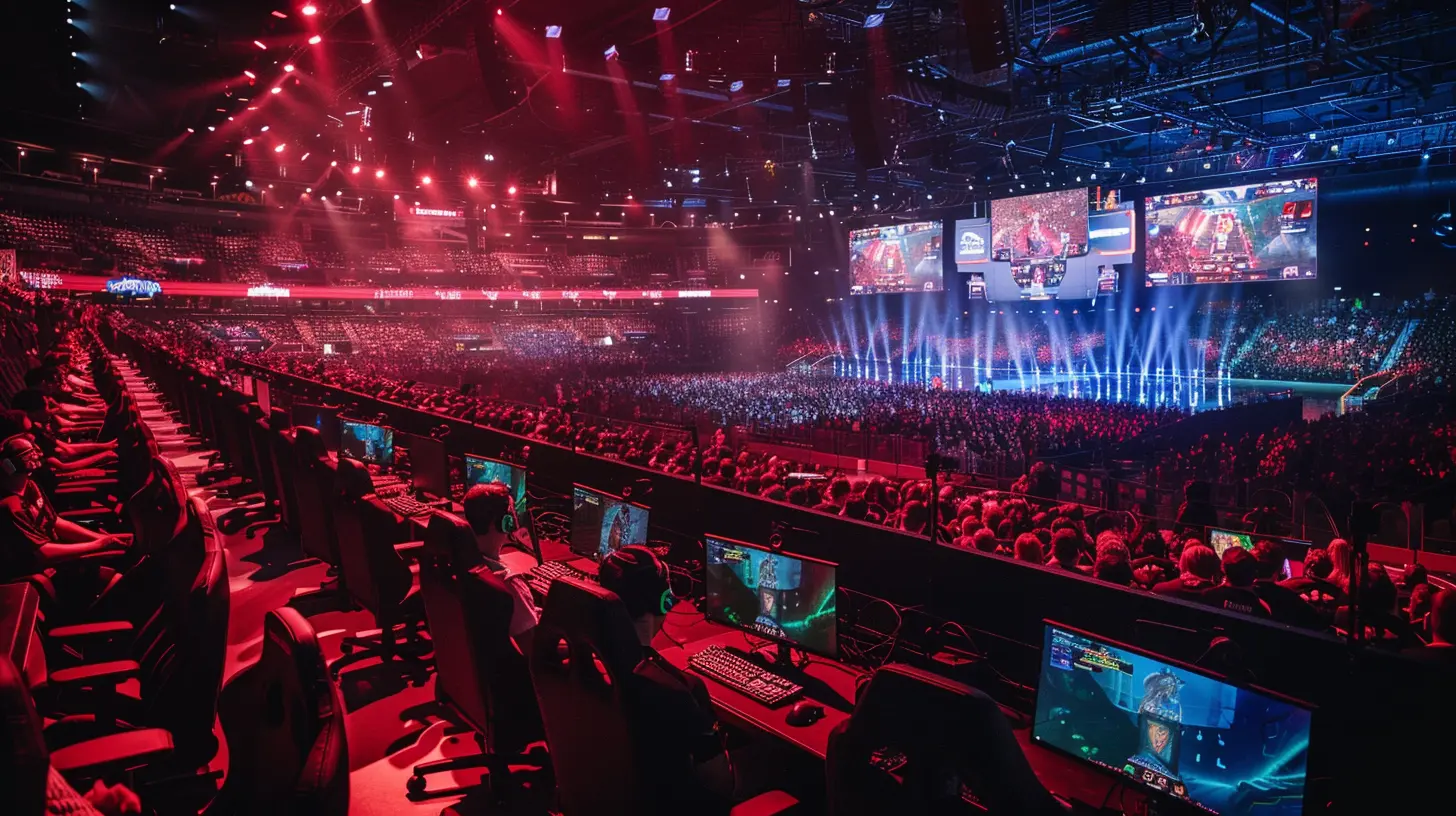
What Exactly Is a Gaming League?
Let’s start simple.A gaming league is basically a competitive structure where players or teams face off in a series of video game matches over a defined period of time, complete with standings, playoffs, and often, a hefty prize pool.
Think of it as the NFL or NBA — but instead of touchdowns or three-pointers, players are racking up kills, building fortresses, or capturing zones. And if you're still thinking "eh, it's just kids playing games," let me just tell you: gaming leagues are pulling in millions of viewers every tournament, breaking streaming records, and drawing attention from major brands like Coca-Cola, Mercedes-Benz, and even Louis Vuitton!
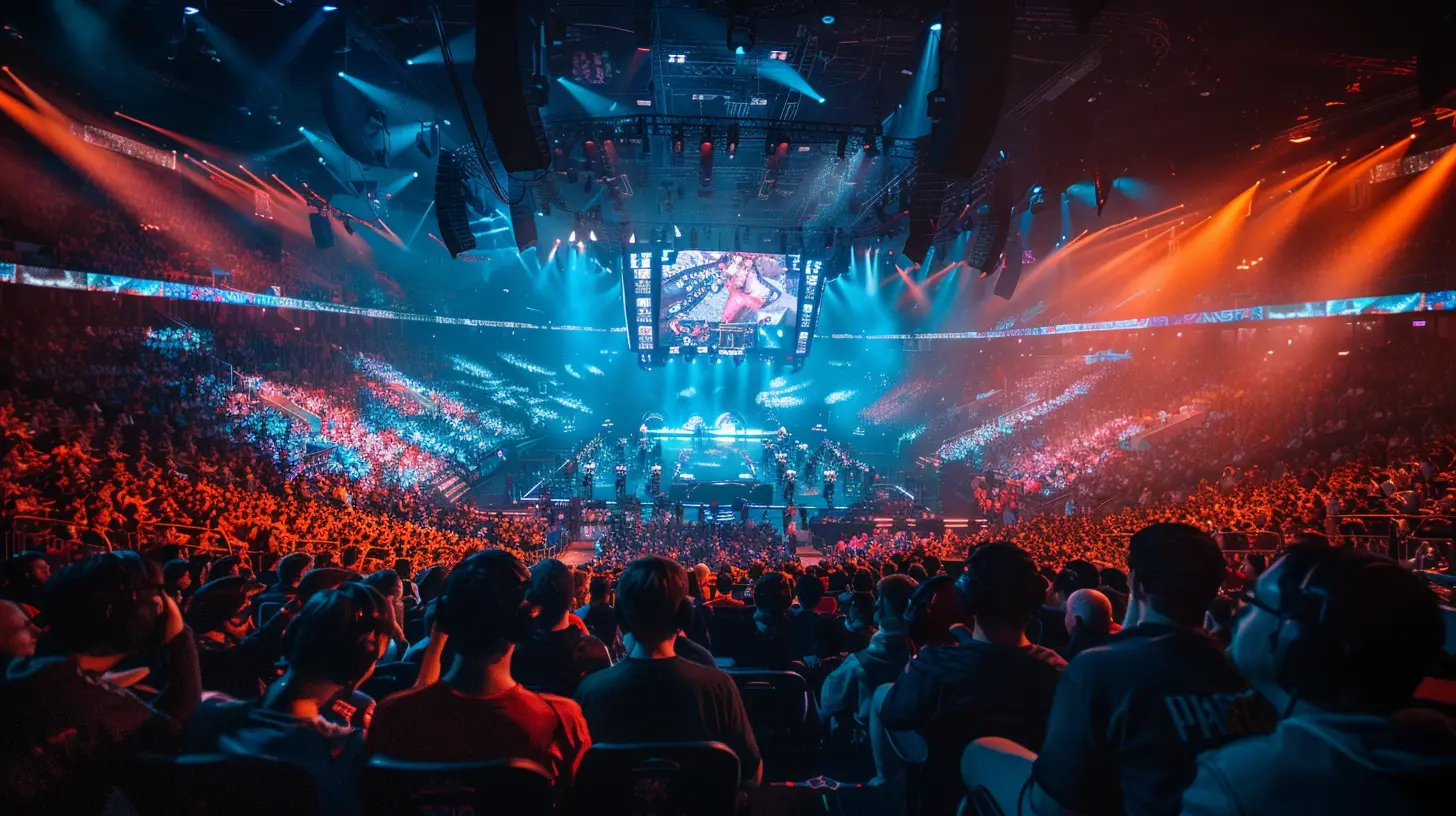
Why People Are Addicted to Watching Esports
Okay, esports may not involve physical tackles or slam dunks, but the adrenaline rush? It's very real.People watch gaming leagues for the competition, of course, but it’s more than that. It’s about the personalities, the storylines, the underdogs, the trash talk, the clutch plays, and the communities that rally behind their favorite squads. It's reality TV meets sports — and it's glorious.
Let’s roll into the heavy hitters — the leagues that keep racking up views and changing the game (literally).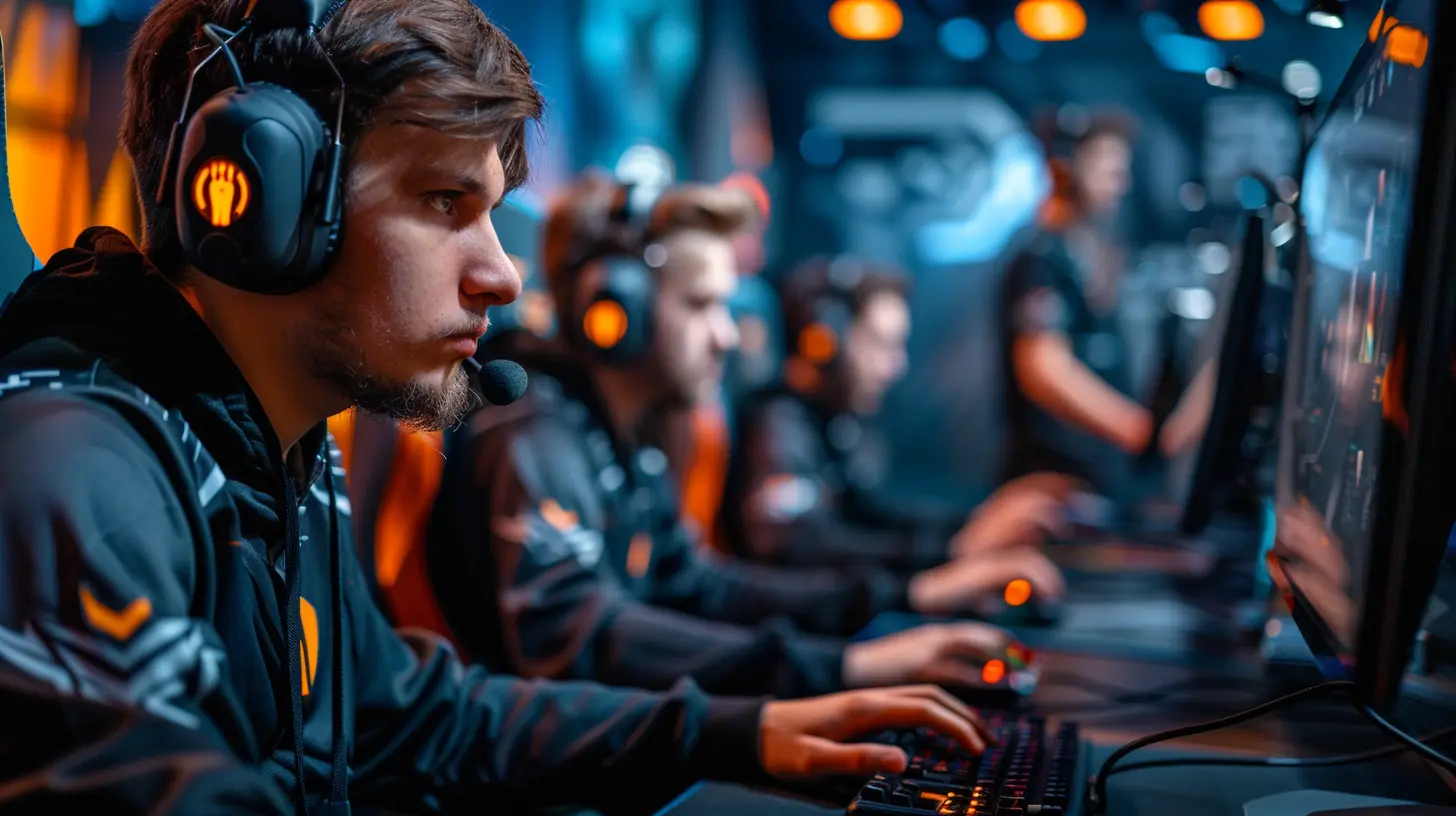
1. League of Legends Championship Series (LCS, LEC, LCK, LPL)
The King of Esports
If there's a Game of Thrones in gaming leagues, the League of Legends Championship Series is sitting on the Iron Throne.Let’s break it down:
- LCS – North America
- LEC – Europe
- LCK – Korea
- LPL – China
These regional leagues feed into the ultimate showdown — the League of Legends World Championship (Worlds). And yeah, “Worlds” is a big deal. In 2023, the finals saw over 6 million peak concurrent viewers. That's Super Bowl-level attention.
Why It Matters
League of Legends isn’t just a game; it’s a culture. The leagues are polished, professionally produced, and home to absolutely insane talent. Riot Games, the developer, has mastered the art of storytelling, creating narratives around teams, players, and rivalries that keep fans locked in.Plus, these leagues have helped make esports truly global. We're talking massive arenas in Seoul, Paris, Madrid — sold out with fans in cosplay, waving team flags, and chanting like it’s a football match.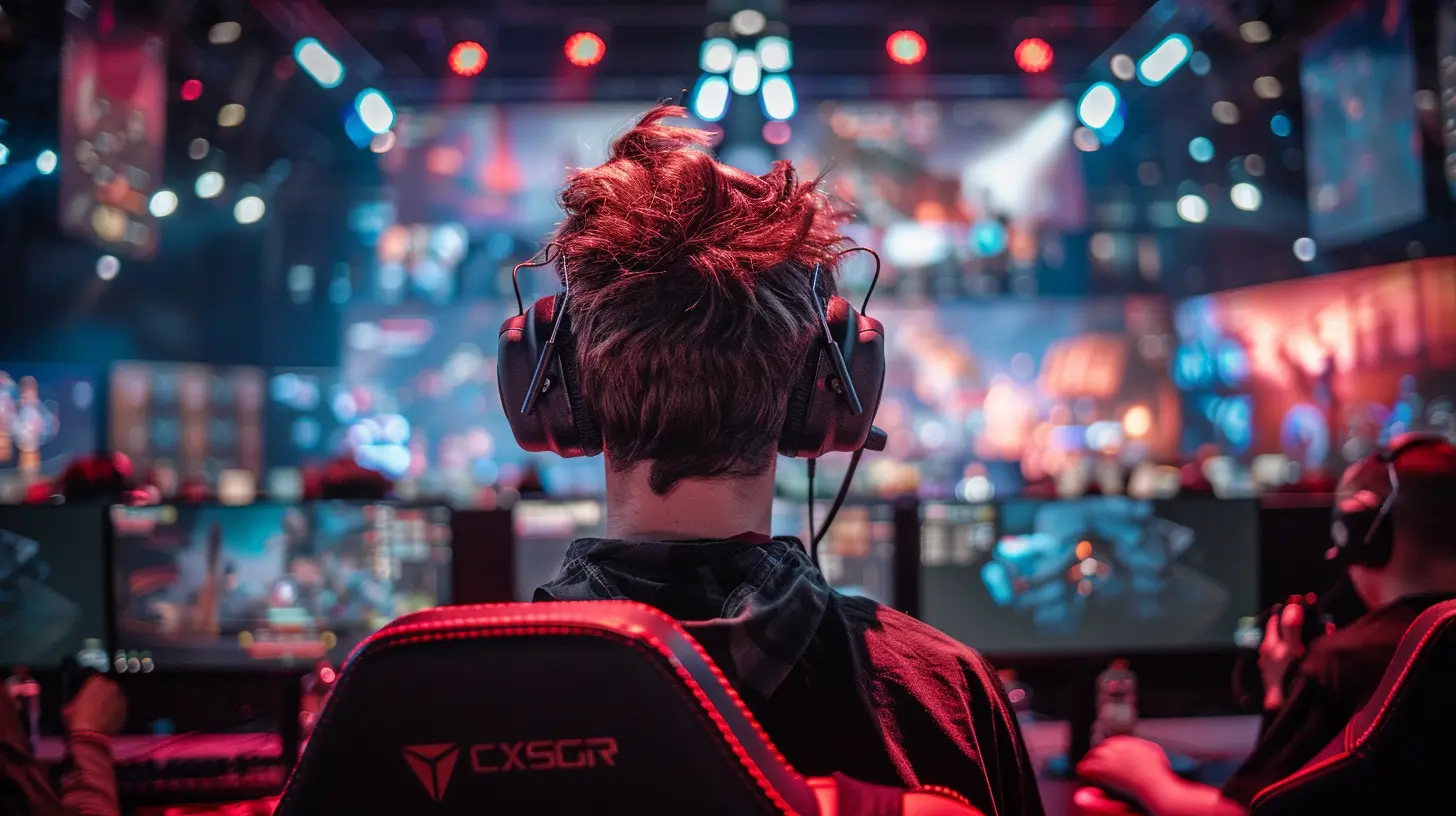
2. The Dota 2 Pro Circuit & The International
Where the Cash Is King
Dota 2’s Pro Circuit leads up to The International — and this tournament is legendary.Why? Because of the prize pool. The International has repeatedly broken records with community-funded prize pools reaching over $40 million. That makes other tournaments — heck, even sports tournaments — look modest in comparison.
Why It Matters
Money talks, but there’s more to the story. Dota 2 is brutally complex – every match is a chessboard where every move counts. The strategies, the mind games, the comebacks — it’s a masterclass in teamwork and tactics.Moreover, The International has become a cultural moment for Dota fans. It's not just a tournament; it's an annual pilgrimage, complete with goosebumps-inducing cinematics, jaw-dropping plays, and tears (yes, literal tears) from both joy and heartbreak.
3. Counter-Strike: Global Offensive (CS:GO) Majors
The Old Guard Still Standing Strong
CS:GO is like the rock band that never went out of style. It's been around for two decades, yet its competitive scene remains one of the most watched and respected in esports.The CS:GO Majors are massive events where the best teams worldwide face off in heart-pounding, high-stakes shootouts. It's raw, intense, and requires pinpoint precision.
Why It Matters
CS:GO’s appeal is in its simplicity. No crazy spells, no monsters — just pure gunfights. But beneath that simplicity lies a game of ridiculous depth. The best teams are masters of strategy, economy, timing, and pressure.More importantly, CS:GO has built one of the most diehard fanbases ever. People follow teams like Astralis, FaZe Clan, and NAVI with football-fan levels of devotion.
4. Valorant Champions Tour (VCT)
The New Kid on the Block
Valorant came out swinging. Developed by Riot Games (yep, same folks behind League of Legends), this tactical shooter blends elements of CS:GO and Overwatch — and the competitive scene ramped up fast.The Valorant Champions Tour now spans multiple regions and culminates in an explosive finale: Valorant Champions. The 2023 grand finals scored 1.4 million peak viewers — not bad for a relatively new game.
Why It Matters
Valorant is designed for esports. From launch, Riot tailored the game and its structure to support a pro scene. With flashy abilities and stylish visuals, it’s as fun to watch as it is to play.And the level of production? Top-tier. They’re building storylines from the ground up, investing in talent, and creating events that feel almost cinematic.
5. Call of Duty League (CDL)
Console Gaming’s Competitive Titan
Call of Duty has always been a household name, but the creation of the CDL added a serious layer of esports legitimacy.Structured like traditional sports with city-based franchises (think Atlanta FaZe, New York Subliners), the CDL gives fans hometown pride and recurring rivalries.
Why It Matters
CDL brings console gaming into the esports limelight. It proves you don’t need a PC to be a pro, and it opens the door for a massive demographic that grew up playing CoD in their basements.The league is slick, fast-paced, and filled with highlight-reel moments. It's all about reflexes, communication, and team synergy. Plus, there's a certain nostalgia factor — many of us were quick-scoping on Rust before we even knew what esports was.
6. Overwatch League (OWL)
A Rollercoaster of a League
When OWL launched in 2018, it promised to revolutionize esports. With city-based teams, massive investments, and traditional sports-style broadcasting, it turned heads.Although viewership has fluctuated, OWL maintains a strong presence with its vibrant personality and unique hero-based gameplay.
Why It Matters
Overwatch is flashy. Watching an OWL match is like watching an action movie on fast-forward. Crazy ult combos, last-second saves, and wild camera angles keep things fresh.While the game has seen some ups and downs, OWL carved out a bold path in esports history. It laid the blueprint for how an esports league might look if it truly mirrored the NBA or NFL.
7. Fortnite Champion Series (FNCS)
The Casual King Goes Competitive
Yeah, Fortnite may have started as a kids’ game, but underestimate it at your own risk. The FNCS and past events like the Fortnite World Cup (remember the 16-year-old winning $3 million?) show that Fortnite has real esports potential.Why It Matters
Fortnite blends casual fun with high-skill gameplay. Its building mechanics add a layer of complexity that separates the good from the god-tier.The viewership remains strong because of the broad appeal — kids, teens, even parents can watch and enjoy. Plus, the colorful visuals and big personalities keep things entertaining.
Why These Leagues Matter Beyond Gaming
Alright, here's the serious bit — why do these leagues ACTUALLY matter? Why should someone who doesn’t even game care?1. They're Shaping the Future of Entertainment
Streaming platforms like Twitch and YouTube Gaming are becoming entertainment hubs. Esports events pull in viewership numbers that rival — and sometimes beat — traditional TV broadcasts.This shift is showing media giants how the next generation wants to engage with content — live, interactive, and community-driven.
2. They’re Big Business
Sponsorships, ad revenue, merchandise, media rights — gaming leagues are multi-million (sometimes billion) dollar ecosystems. Big names like Nike, Intel, and Red Bull are investing heavily, and new startups are emerging just to support esports infrastructure.3. They're Changing Careers and Education
Kids don’t just want to be astronauts or doctors anymore — they want to be streamers, Shoutcasters, or pro gamers. Esports scholarships are popping up at universities. It’s a whole new world of opportunity for tech-savvy, driven youth.4. They Promote Diversity and Global Inclusion
Unlike traditional sports, esports isn’t bound by geography or physical ability. Anyone with talent, a PC, and internet access can rise to the top. We've seen stories of players from small towns in Brazil or Korea becoming international superstars.Wrapping It Up: The Rise Is Just Beginning
Gaming leagues are no longer niche. They're not hidden in forums or basements. They're loud, visible, and influential — shaping pop culture, business, tech, and how we define “sports.”The most watched gaming leagues matter because they show us something raw and real: human potential, community, passion, and the thrill of chasing greatness — even if it's through a screen and a mouse.
So, whether you're a diehard fan or a curious outsider, remember this: gaming leagues aren’t the future of entertainment. They're the now.
all images in this post were generated using AI tools
Category:
Gaming LeaguesAuthor:

Pascal Jennings
Discussion
rate this article
2 comments
Chloe Smith
Great insights on the impact of gaming leagues! Understanding their viewership trends and the reasons behind their popularity helps fans appreciate the competitive scene. It's exciting to see how these leagues shape the future of esports!
May 16, 2026 at 11:52 AM
Pascal Jennings
Thanks for your thoughts! It's fascinating to see how much these leagues influence both fans and the esports landscape.
Caleb Rivera
This article beautifully highlights the passion and community behind gaming leagues. Their impact goes beyond the screen, fostering connections and competitive spirit. It's inspiring to see how these leagues shape the future of gaming culture. Great read!
May 7, 2026 at 3:17 AM
Pascal Jennings
Thank you for your kind words! I'm glad you enjoyed the article and appreciate the importance of gaming leagues in building community and culture.