The Effects of Visual Upgrades in Game Remasters
28 July 2026
Game remasters are everywhere right now. From iconic classics like Resident Evil and Final Fantasy to cult favorites like Mafia and Alan Wake, developers are jumping on the remaster bandwagon. But what’s really behind the buzz? Is it just about prettier pixels? Or do visual upgrades actually reshape how we experience a game?
Well, grab your controller (or mouse and keyboard) and let’s dive in. We’re peeling back the layers on how visual enhancements in game remasters influence not just how a game looks, but how it feels, plays, and lives on in the gaming landscape.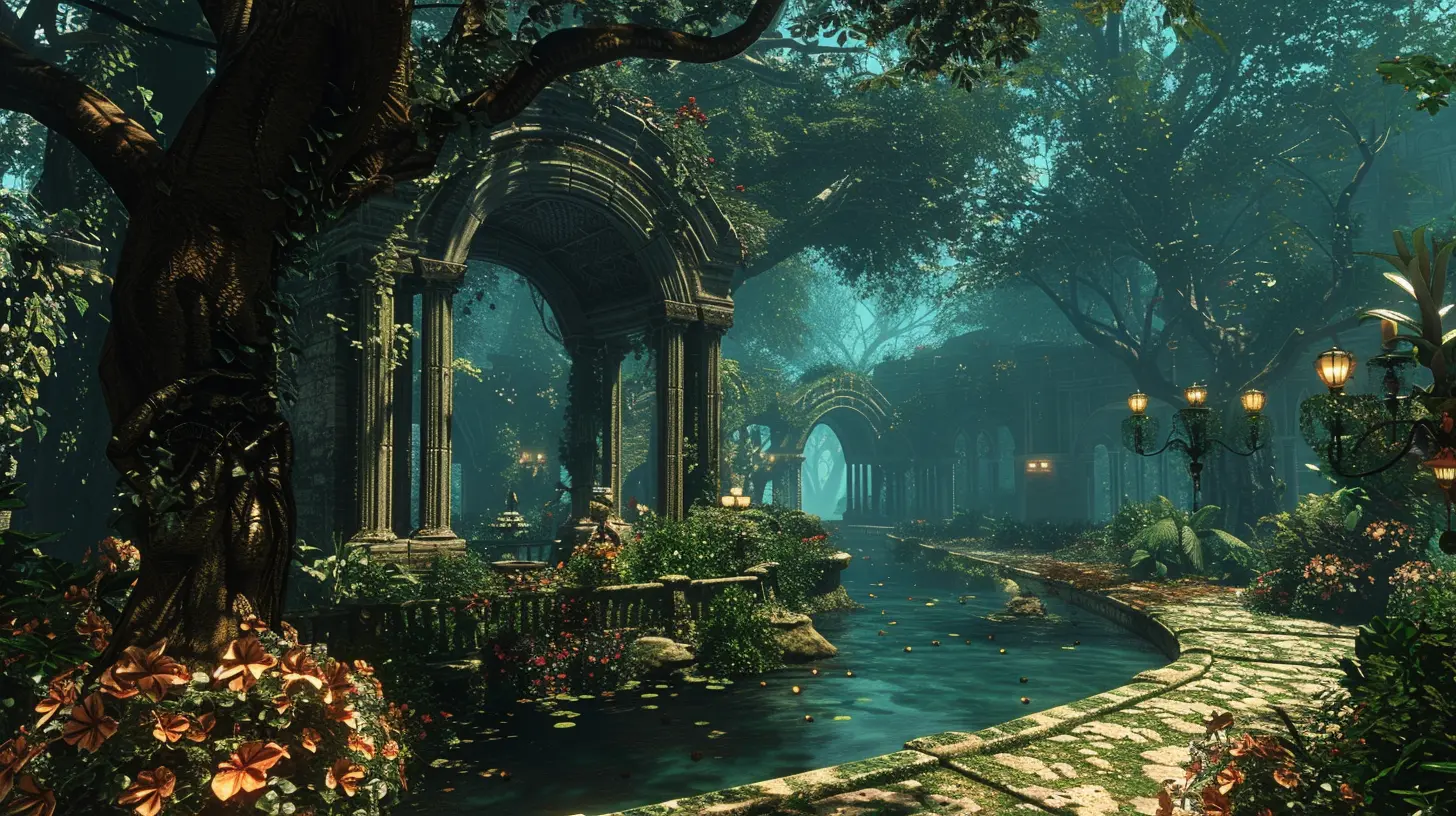
What Are Visual Upgrades in Game Remasters?
Let’s clear one thing up before we go any further: a remaster isn’t a remake. A remake is a ground-up rebuild. A remaster, on the other hand, takes the original game and polishes it — think of it like restoring an old car. You're not replacing the engine, but you're giving it a paint job, new seats, and a modern radio.Visual upgrades in game remasters usually include:
- Higher resolution textures
- Improved lighting and shadows
- Better character models
- Enhanced environmental details
- UI and HUD refinements
- Higher frame rates and widescreen support
It’s like swapping your old standard-definition TV for a 4K screen — same story, much better view.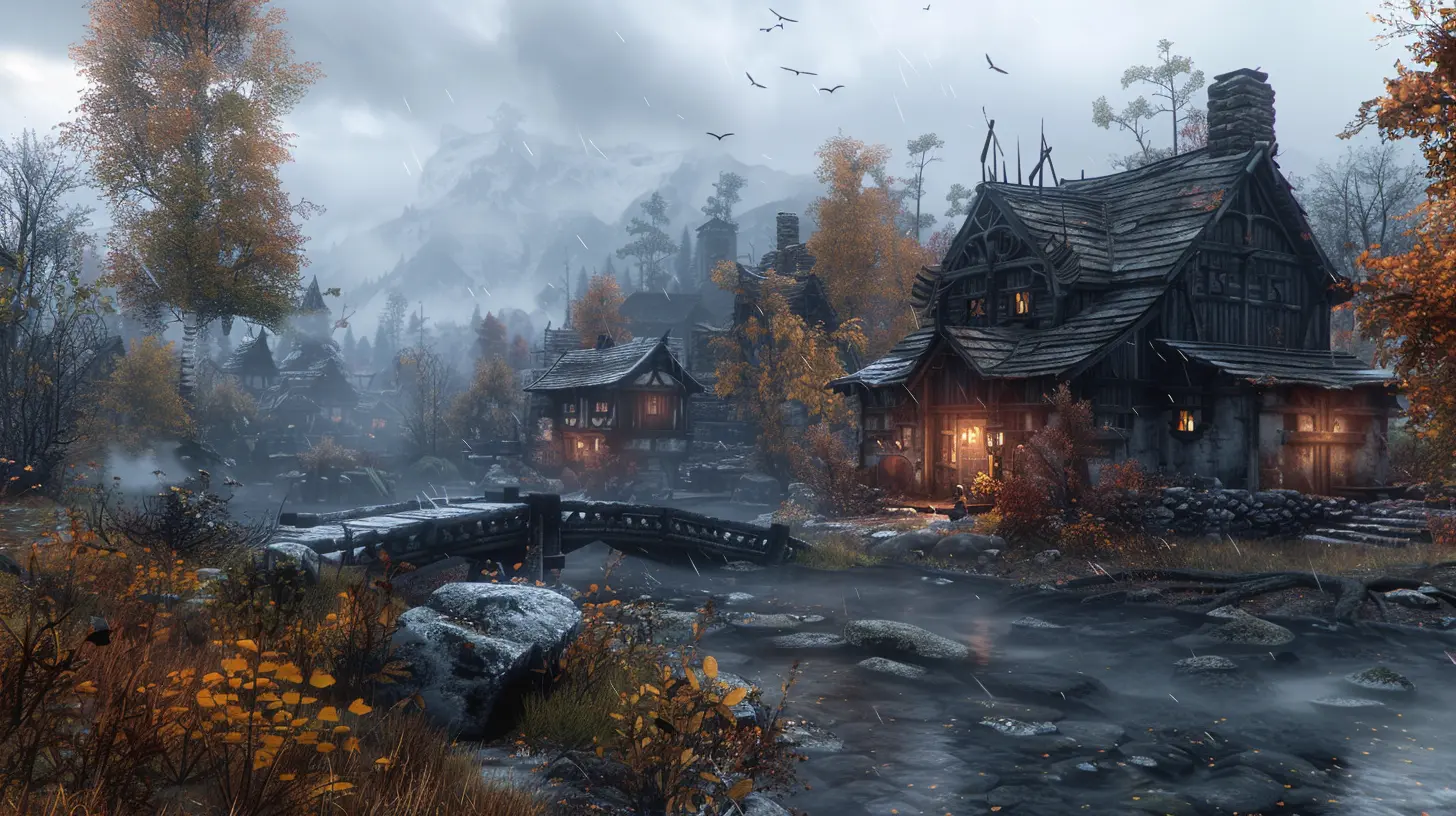
Why Do Developers Remaster Games?
There’s obviously a financial motive — nostalgia sells. But it’s not only about milking a franchise. Developers remaster games to preserve their legacy, reach new audiences, and in many cases, fix past limitations caused by old hardware.Remember how blurry some PS2-era games looked on modern TVs? Now imagine experiencing that same game with crisp visuals, dynamic lighting, and smoother animations. That’s the power of a good remaster.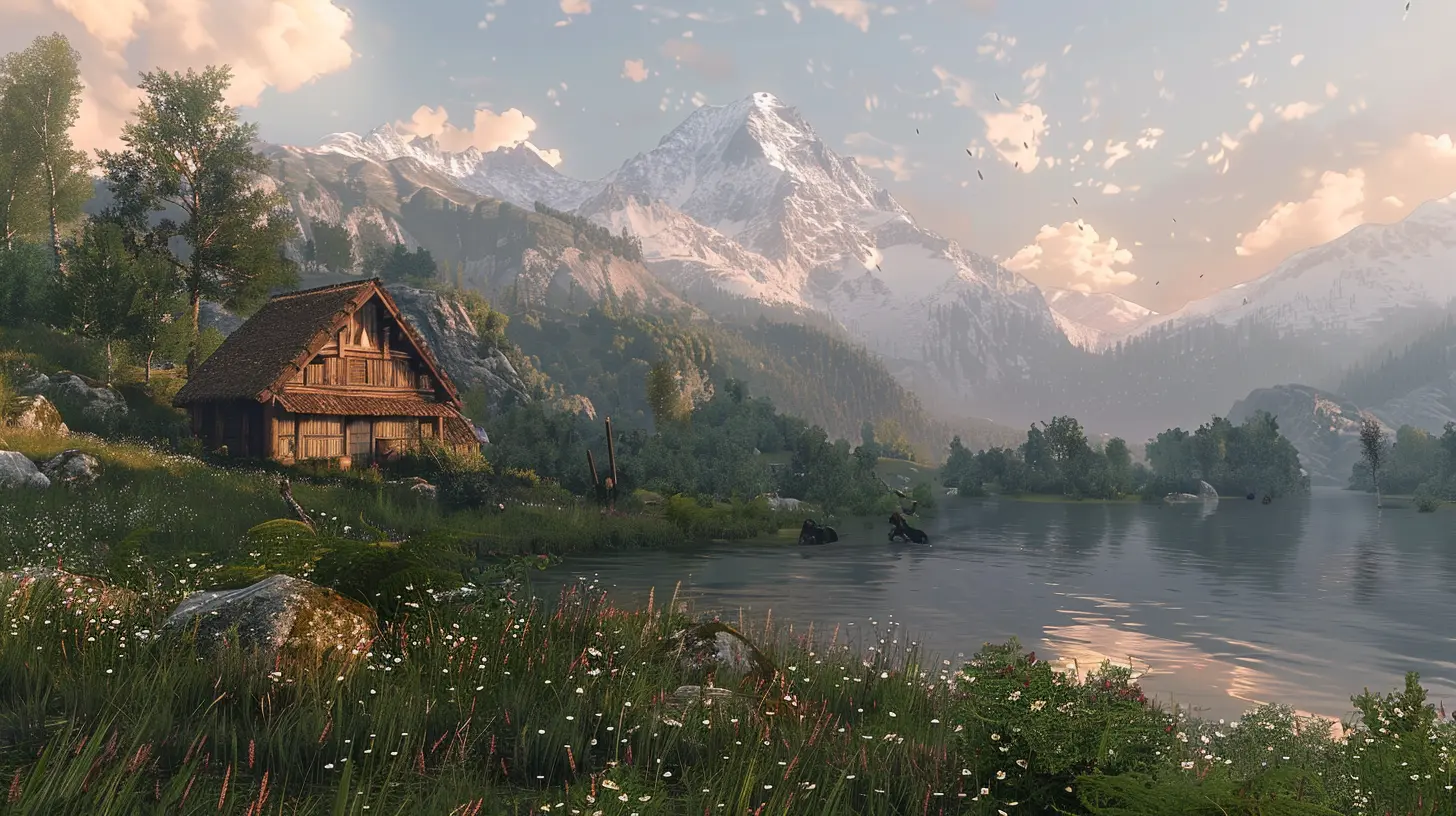
The Psychological Impact of Visual Upgrades
This is where it gets really interesting. Visual upgrades don’t just make a game look better — they change how we feel about the game.? Nostalgia Reimagined
Let’s face it — nostalgia is a powerful drug. But sometimes going back to a beloved classic reveals some harsh truths. Blocky faces, stiff animations, and muddy textures can break the illusion.With a visual remaster, the game matches the version that lived in your memory. It’s like seeing your favorite childhood movie in HD — the magic is still there, just sharper.
? Enhanced Immersion
Graphics aren’t everything, sure. But they do play a big role in immersion. Better lighting, smoother character animations, and detailed environments pull you into the world more effectively.Take The Last of Us Remastered, for example. It’s not just about Joel and Ellie looking better — it’s about lighting that sets the tone, environments that feel more alive, and subtle visual cues that make the story hit harder.
? Emotional Impact
Subtle facial animations, lighting effects during key story moments, or even the way weather interacts with the environment can significantly boost the emotional punch of a scene. Visual upgrades help developers better communicate tone and mood — something that was limited in older engines.Imagine playing Shadow of the Colossus without those beautifully reimagined landscapes and lighting. Not quite the same, is it?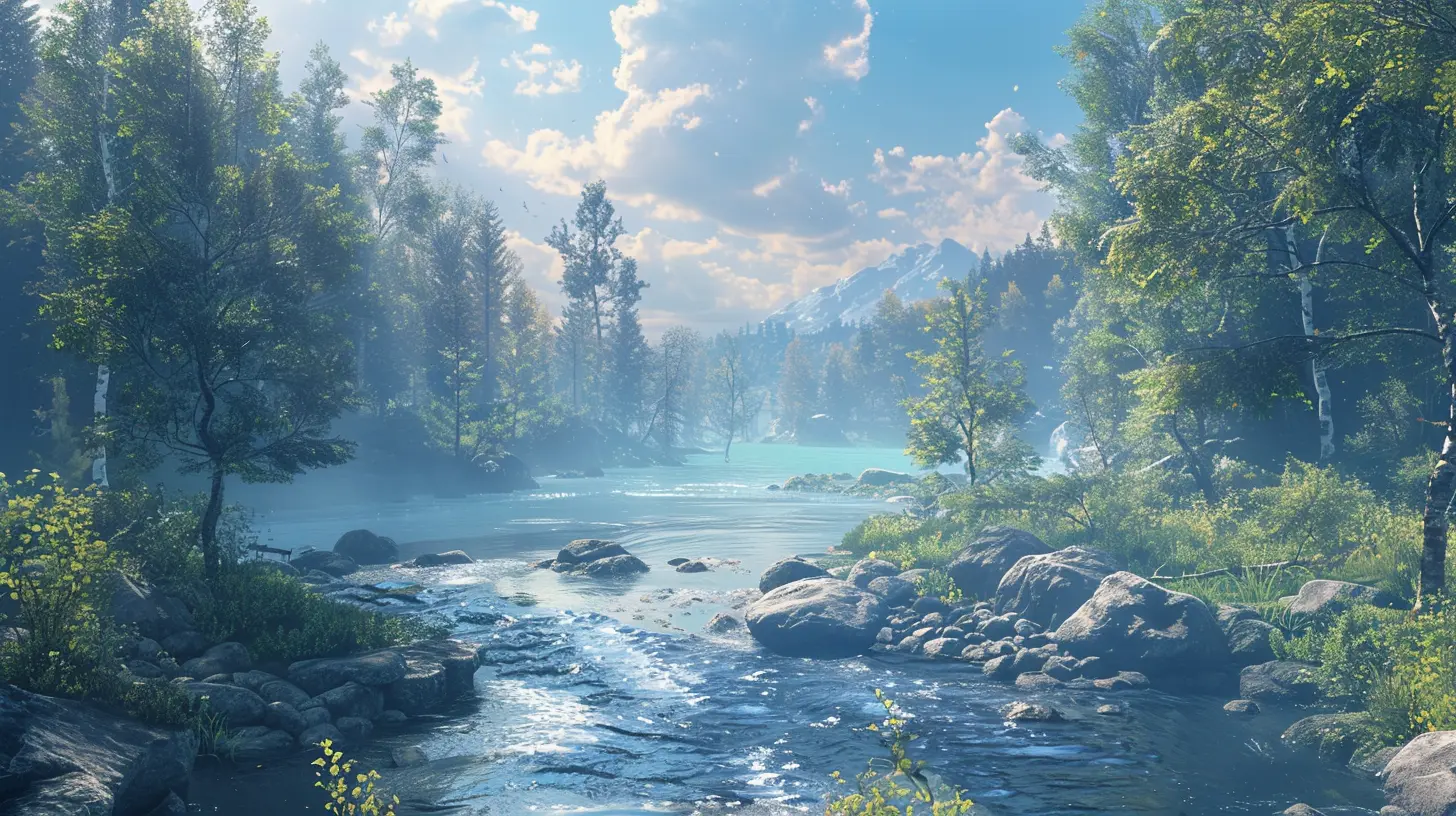
Do Visual Upgrades Change Gameplay?
That’s the million-dollar question. And the answer is: it depends.✔️ Direct Changes
Sometimes, updated visuals come bundled with mechanical tweaks. Better lighting can reveal hidden items more easily. Clearer textures may make puzzles easier to solve. Even simple UI refinements can affect how quickly you react in combat.In Resident Evil 2 Remake (arguably a borderline remake/remaster), the over-the-shoulder camera dramatically altered how the game played — making it more immediate and intense. While this example leans more toward a full remake, it still shows how visuals can impact gameplay flow.
❌ Or Not At All
In other cases, gameplay is untouched. You're still pressing the same buttons, fighting the same enemies, solving the same puzzles — just in higher fidelity. The Halo: Master Chief Collection even lets you switch between old and new visuals on the fly, proving the core gameplay is unaffected.The Good, The Bad, and The Lazy: Quality Matters
Not all visual upgrades are created equal. Some are close to perfect; others, well… let’s just say you can slap HD textures on a game and still mess it up.✅ The Hits
- Resident Evil HD Remaster: Cleaned up the look, added widescreen support, but kept the tension and fear intact.- Mass Effect Legendary Edition: Improved lighting and character models while making smarter tweaks to gameplay balance.
- Shadow of the Colossus (PS4): A glowing example of how a remaster can feel like a completely new experience while remaining true to the original.
❌ The Misses
- Warcraft III: Reforged: Promised a full visual upgrade but delivered a glitchy, inconsistent mess that stripped away beloved features.- GTA Trilogy Remastered: Do we even need to explain this one? Janky character models, visual bugs, and a whole lot of disappointed fans.
The takeaway? A remaster needs more than just a pixel polish. It needs care.
The Risk of Losing Original Style
Here’s something that gets overlooked — when you update visuals, you risk losing the soul of the original design. Retro games often had a distinct art style born from hardware limitations. Strip that away, and you might end up sterilizing the charm.Think of it like restoring a classic painting — overdo it, and you erase the brushstrokes that made it special in the first place.
Some remasters tone down vibrant colors, over-smooth character faces, or mess with lighting in a way that loses the original’s impact. It’s a fine line to walk.
When Visual Upgrades Become Necessary
Let’s be real — some older games are borderline unplayable on modern systems. Either they don’t scale properly to modern resolutions, or the graphics just don’t hold up anymore. In these cases, a remaster isn’t just nice — it’s a lifeline.Take Age of Empires II: Definitive Edition. The original was legendary, but the remastered version cleaned up the visuals, added new animations, and modernized the UI — without hurting what made it great.
Visual Upgrades and Accessibility
Here’s something we don’t talk about enough: visual upgrades improve accessibility too.Clearer text, scalable UI, colorblind modes, better contrast — all of these make games more user-friendly for a broader audience. A good remaster doesn’t just make a game prettier; it makes it more playable for everyone.
Impact on Community and Modding
When visuals improve, mods only get better. High-res textures, advanced lighting, and better models provide a stronger foundation for the modding community to build on.That said, some remasters remove mod support entirely (looking at you, GTA), which can fracture communities and kill creativity. It’s a balancing act between modernizing the engine and keeping the original game’s spirit alive.
What Players Really Want From Visual Upgrades
Here’s the deal — gamers don’t just want shinier graphics. They want:- Respect for the original game
- Stable performance
- Meaningful enhancements
- Optional toggles between old and new visuals
If you’re going to touch a beloved title, you better do it justice. We don’t want our childhood memories updated with soulless filters.
Final Thoughts: More Than a Coat of Paint
Visual upgrades are about more than just nicer textures and flashier lighting. They can resurrect old games for new generations, redefine how we engage emotionally with stories, and even improve playability — when they’re done right.But when they lack heart or disrespect the design choices of the original, they can backfire — hard.
At the end of the day, game remasters, especially those with visual upgrades, should strike a balance between honoring the past and embracing the future. Graphics are only one part of the picture. But when done well? They make nostalgia clearer, sharper, and more alive than ever before.
all images in this post were generated using AI tools
Category:
Game GraphicsAuthor:

Pascal Jennings
Discussion
rate this article
1 comments
Isla McKee
Visual upgrades in game remasters are like giving a tired old cat a fresh new collar... suddenly, it's a superstar!
July 28, 2026 at 2:24 AM