Turn-Based vs Real-Time: Finding the Perfect Balance in Strategy Games
28 October 2025
Strategy games have long been the bread and butter for fans of tactical thinking and complex decision-making. For decades, players have been split into two camps—those who swear by the calculated, methodical play of turn-based strategy games, and those who thrive on the fast-paced chaos of real-time strategy titles. It’s like arguing over whether coffee or tea is the superior drink: both camps have their reasons, and neither is inherently wrong.
But what’s the ideal compromise between these two distinct gameplay styles? How much coffee (urgency) should you add to your tea (deliberation) to find that perfect blend in strategy gaming? Whether you're a seasoned gamer or just dipping your toes into the world of virtual tactics, let's break down the pros and cons of turn-based and real-time games and figure out where the sweet spot truly lies. 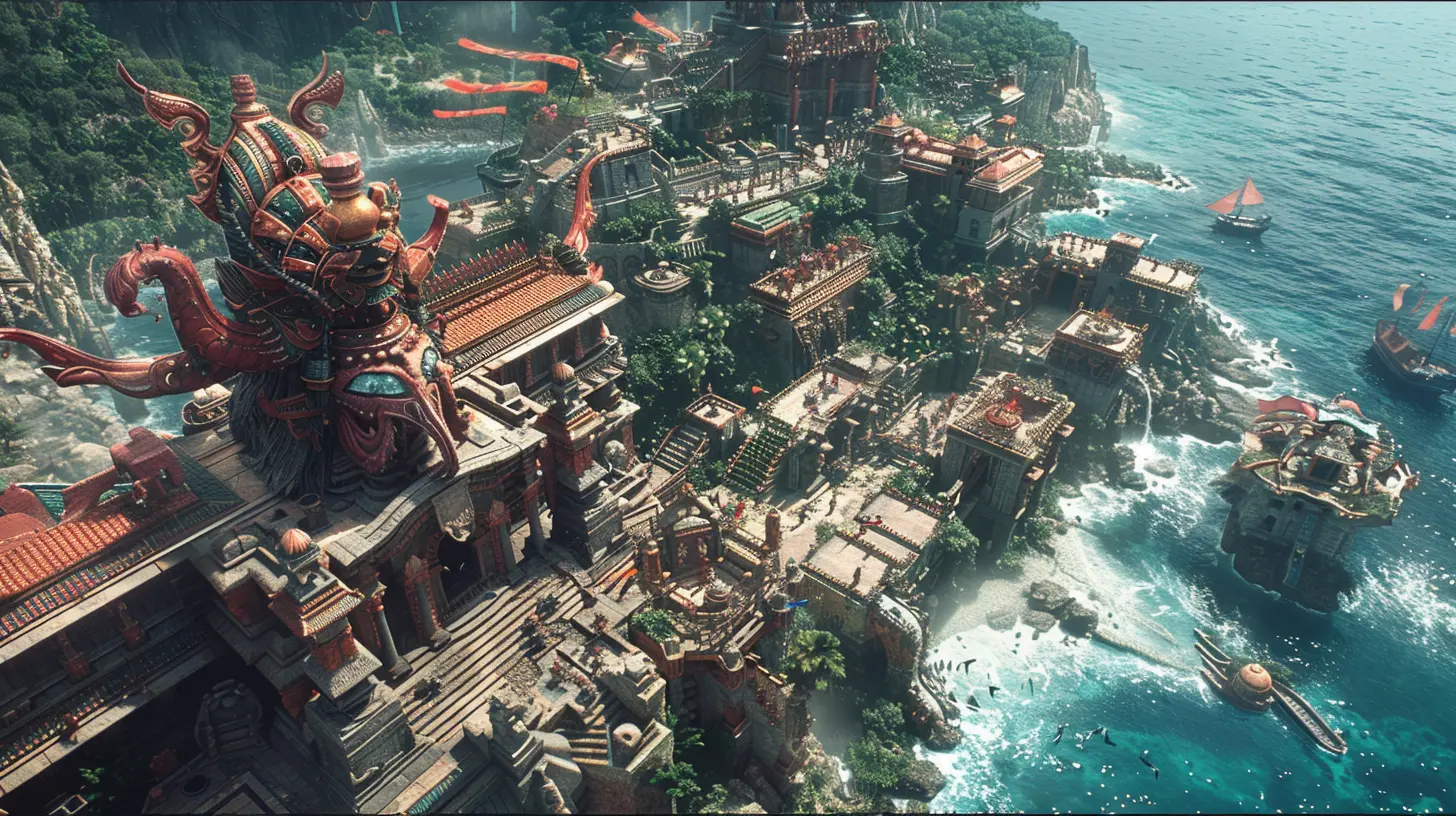
What Sets Turn-Based and Real-Time Strategy Games Apart?
Before diving into the debate, let’s clarify what we’re talking about here.Turn-Based Strategy Games: Think Before You Act
Turn-based games (TBS) are all about taking your time. Typically, you make your move—be it positioning troops, building your economy, or attacking foes—and then wait for the AI or your opponent to do the same. It’s like a high-stakes game of chess, where every action feels deliberate and calculated.Pros of Turn-Based Games:
- Strategic Depth: You’ve got all the time in the world to analyze every possible outcome. Should you send your cavalry to flank the enemy? Or build that fortress to secure your borders? No rush; the timer isn’t breathing down your neck.- Accessibility: Turn-based games are generally easier for newcomers to understand since they allow for more thoughtful decisions without overwhelming the player.
- Mental Breaks: Let's face it, life’s crazy enough as it is. Turn-based games give you the luxury of pausing and pondering. Snacks? Check. Bathroom break? Don’t mind if I do.
Cons of Turn-Based Games:
- Pacing: They can be slow. Exciting battles may stretch into hour-long marathons that test your patience.- Lack of Chaos: For some, the predictability of TBS might feel a bit too… tame.
Popular Examples: Civilization series, XCOM, Fire Emblem
Real-Time Strategy Games: Act While You Think
On the flip side, real-time strategy games (RTS) are an entirely different beast. Here, the clock is always ticking, and you need to make decisions on the fly. Remember the chaos of cooking during a dinner party? That’s RTS in a nutshell.Pros of Real-Time Games:
- Adrenaline Rush: It’s fast, it’s chaotic, and it keeps you on the edge of your seat. Who needs coffee when you’ve got your opponent’s Zerg rush knocking on your door?- Dynamic Gameplay: RTS games feel alive. The battlefield is constantly shifting, and you’ve got to stay on your toes.
- Multitasking Skills: Want to level up your ability to think on your feet? Juggling resource gathering, defense, and offense simultaneously is one heck of a mental workout.
Cons of Real-Time Games:
- Steep Learning Curve: If you’re new, prepare to feel overwhelmed. The unforgiving pace and intricate mechanics can be daunting.- Stress Levels: You know that panicked feeling when you realize you forgot to set a timer for the oven? Multiply that by ten—it’s RTS stress in a nutshell.
Popular Examples: StarCraft, Age of Empires, Warcraft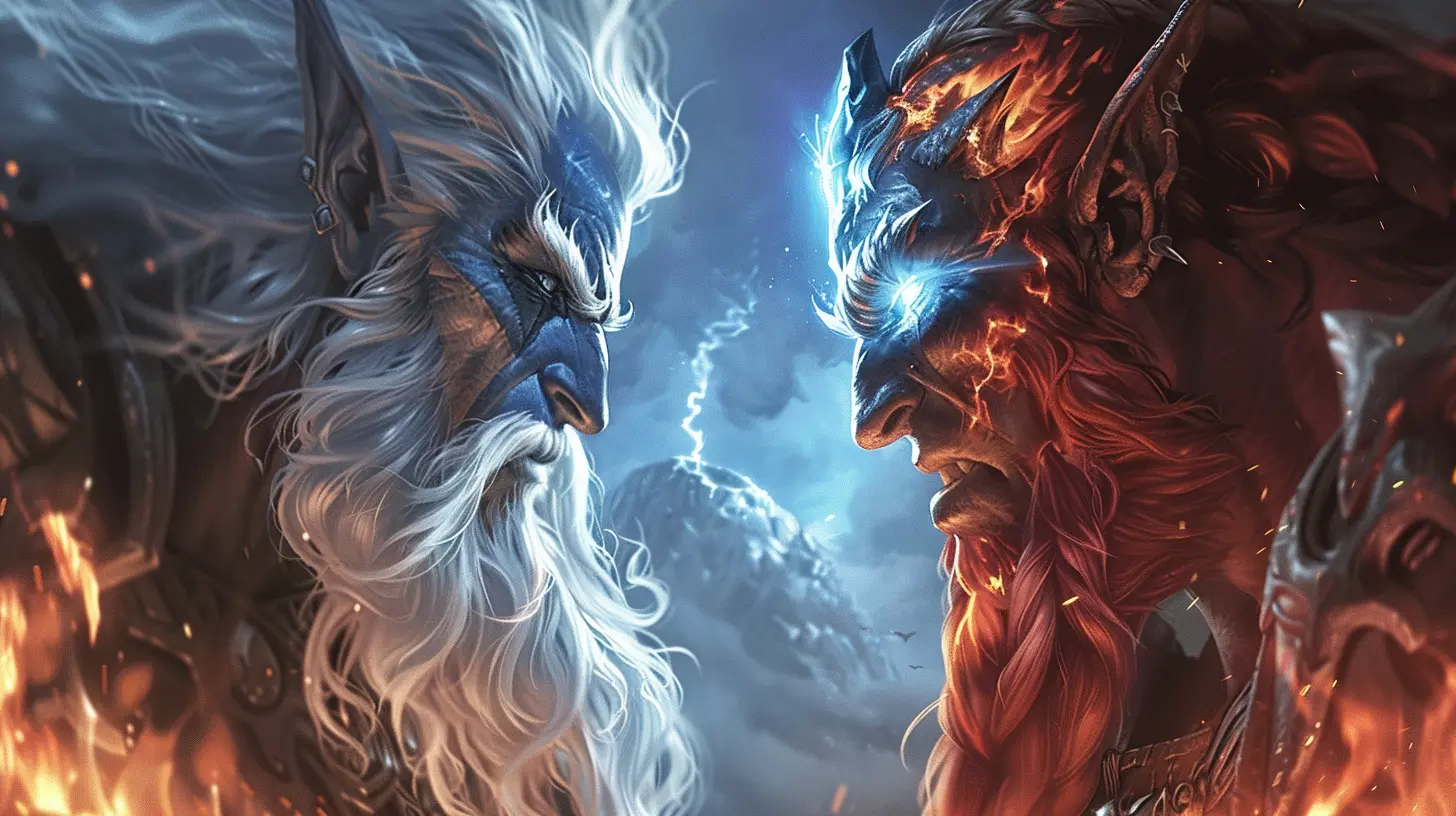
The Appeal of Finding a Middle Ground
Let’s address the elephant in the room: not everyone fits neatly into one of these gaming camps. The good news? Some games are bridging the gap between turn-based and real-time elements, giving us the best of both worlds.Games that mix the two styles appeal to players who crave the strategic depth of turn-based mechanics without sacrificing the excitement of real-time action. But here's the million-dollar question—how do you find that elusive balance? 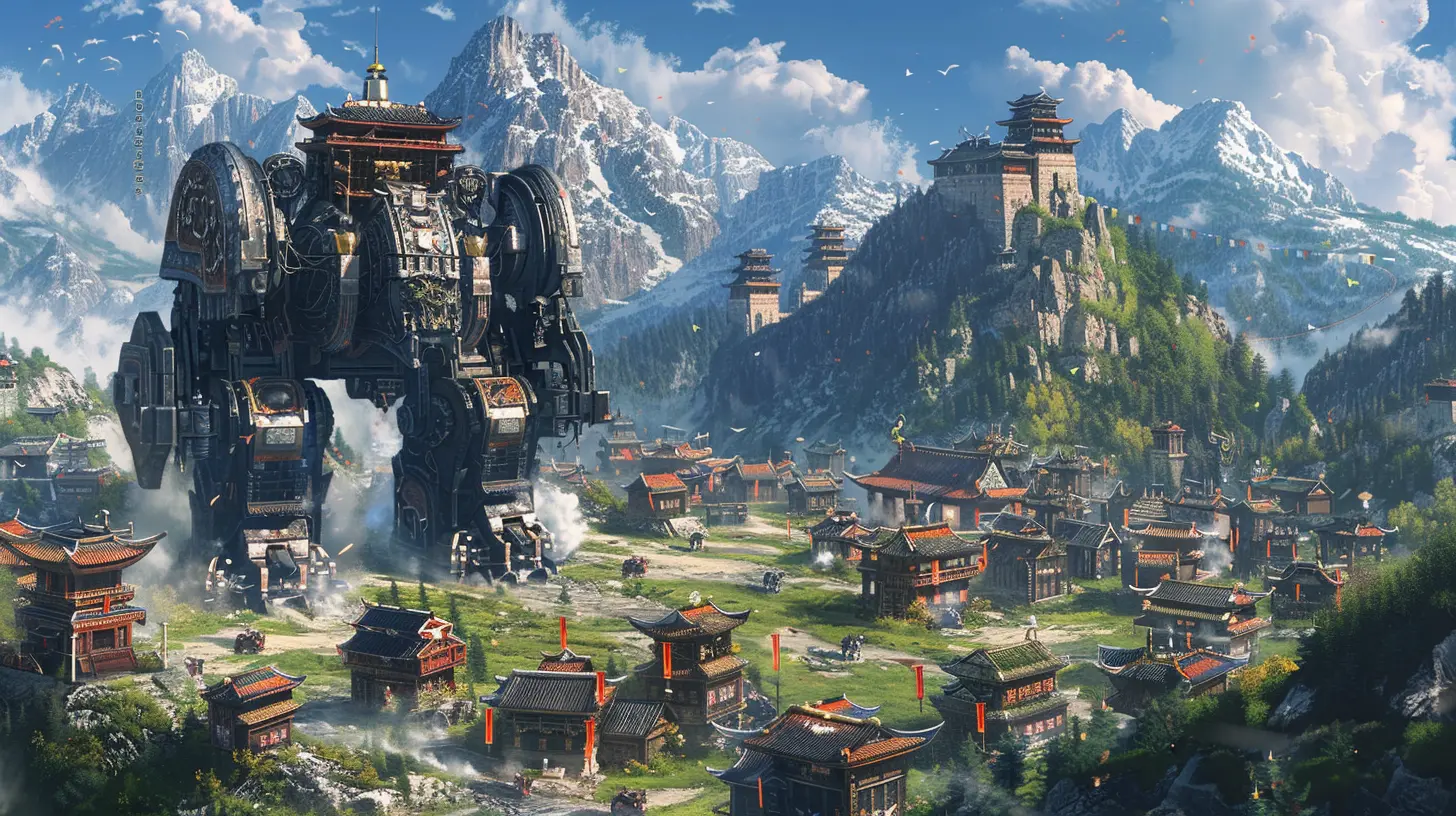
Hybrid Gameplay: The Perfect Blend
Picture this: you're playing a hybrid strategy game where time pauses when big decisions need to be made but flows in real-time when minor actions are carried out. Sounds divine, right?Hybrid Games In Action
Some titles have already nailed this balance. The Total War series, for example, employs turn-based gameplay for its strategic campaign map but shifts to real-time battles when armies clash. It’s like ordering a two-in-one shampoo and conditioner combo—it’s efficient and satisfying.Another great example is Frozen Synapse. It’s a turn-based game where both players plan their moves simultaneously, and then, once plans are locked in, the game plays out the action in real-time. It’s a brilliant way to keep things tense without overwhelming players.
Why Hybrid Games Work
- Flexibility: They let you enjoy the best parts of both styles without locking you into one or the other.- Broader Appeal: By straddling the line, hybrid games attract fans of both genres, which makes them a win-win for developers and players alike.
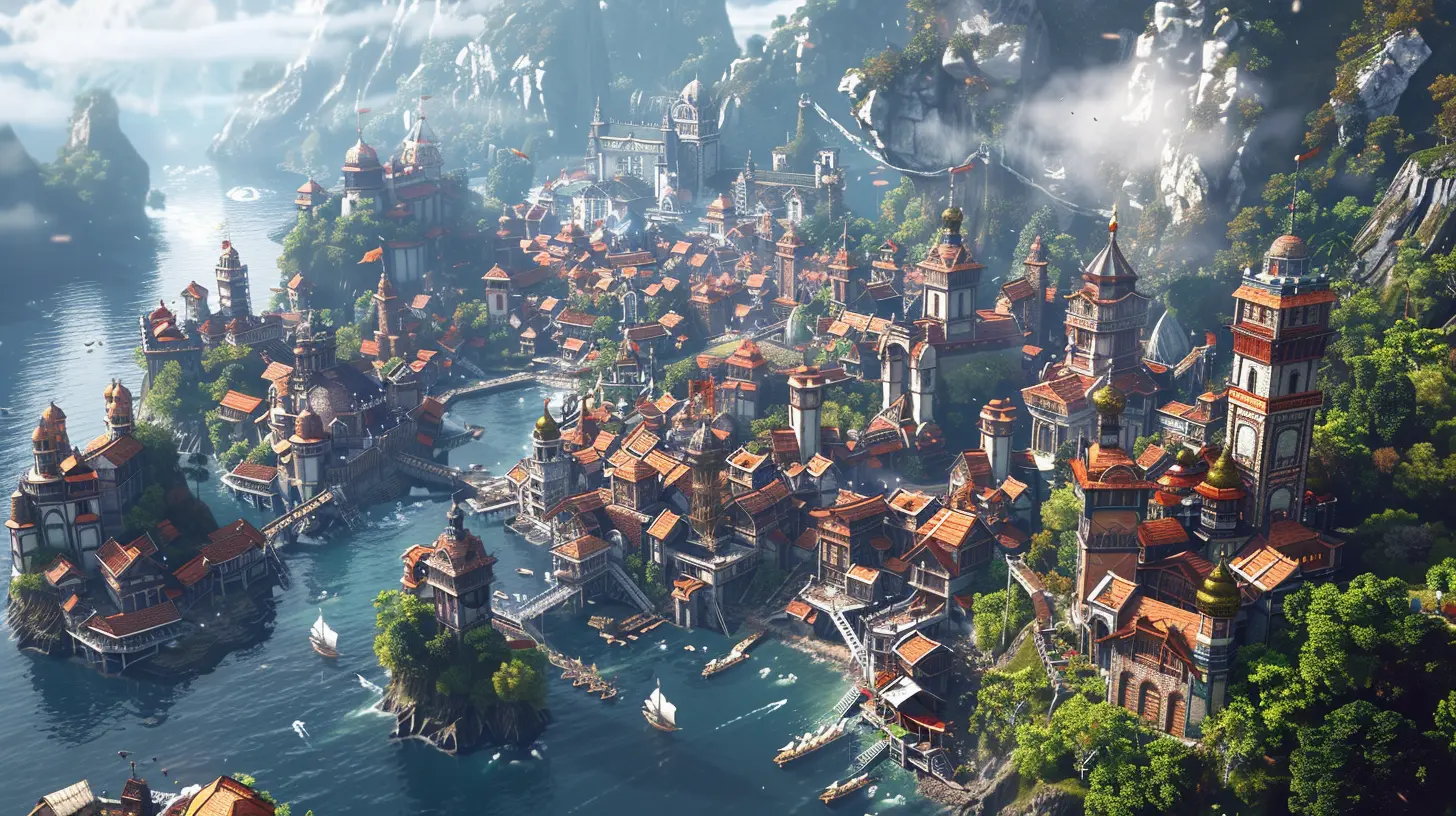
What Makes a Strategy Game Truly Great?
Whether you prefer turn-based, real-time, or something in between, a great strategy game boils down to three pillars:1. Challenge
A good strategy game should leave you scratching your head—not pulling out your hair. The best titles toe that line between “just difficult enough” and “are you kidding me?!”.2. Player Agency
You want to feel like your decisions matter. Whether you're plotting your next move for hours or reacting in real-time to a surprise attack, the satisfaction of executing a well-thought-out plan is what keeps players coming back for more.3. Replayability
Give me something I can sink hours (or let’s face it, decades) into. Procedural generation, branching narratives, or various factions—anything that keeps players experimenting and coming back is golden.So, Which Style Is Right for You?
Honestly, there’s no right answer. Are you a slow-and-steady thinker who enjoys pondering over every decision? Or are you an adrenaline junkie who thrives under pressure? Neither choice is better than the other—it all comes down to personal preference.If you’re brand-new to strategy games, try starting with turn-based options like Civilization or XCOM. It’s like walking before you run. Once you’ve got the mechanics down and feel ready for faster-paced action, dive headfirst into classic real-time titles like StarCraft or Age of Empires.
And hey, if you still can’t decide, why not give one of those hybrid gems like Total War a shot? It's like going to a tapas bar—you get a bit of everything.
Closing Thoughts
At the end of the day, strategy games are all about stimulating your brain in ways other genres just can’t. Whether you’re meticulously planning your empire’s rise to glory in a turn-based classic or scrambling to adapt to a real-time ambush, the genre has something for everyone.So embrace the chaos, the challenge, and the joy of outthinking your opponents. Whether your style leans toward slow and deliberate or fast and frantic, there’s a strategy game out there waiting for you to master it.
all images in this post were generated using AI tools
Category:
Game MechanicsAuthor:

Pascal Jennings
Discussion
rate this article
1 comments
Kalani Newman
What a fantastic article! It beautifully highlights the pros and cons of turn-based and real-time strategies. Can't wait to find that perfect balance in my next game!
October 29, 2025 at 5:04 AM
Pascal Jennings
Thank you! I'm glad you enjoyed the article. Finding that balance is key for an engaging experience—best of luck with your next game!