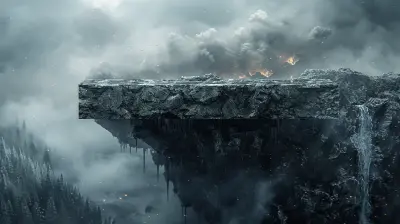
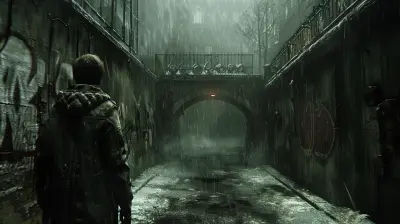
The Challenges of Creating Believable Game Worlds
24 April 2026
Ever found yourself so immersed in a game that you forgot you were sitting on your couch and not actually slaying monsters in a mystical land or surviving a post-apocalyptic world? That’s the magic of a believable game world — it pulls you in, holds you tight, and makes you care. But here’s the kicker: crafting these immersive digital worlds is no easy feat. Behind the scenes, developers are wrestling with a tangled web of challenges, from building consistent lore to nailing that perfect ambient sound.
In this article, we’re going to unpack the many hurdles game developers face in creating believable game worlds. Whether you're a die-hard gamer curious about what goes on behind the curtain or a budding developer hoping to make your mark, grab a snack and settle in.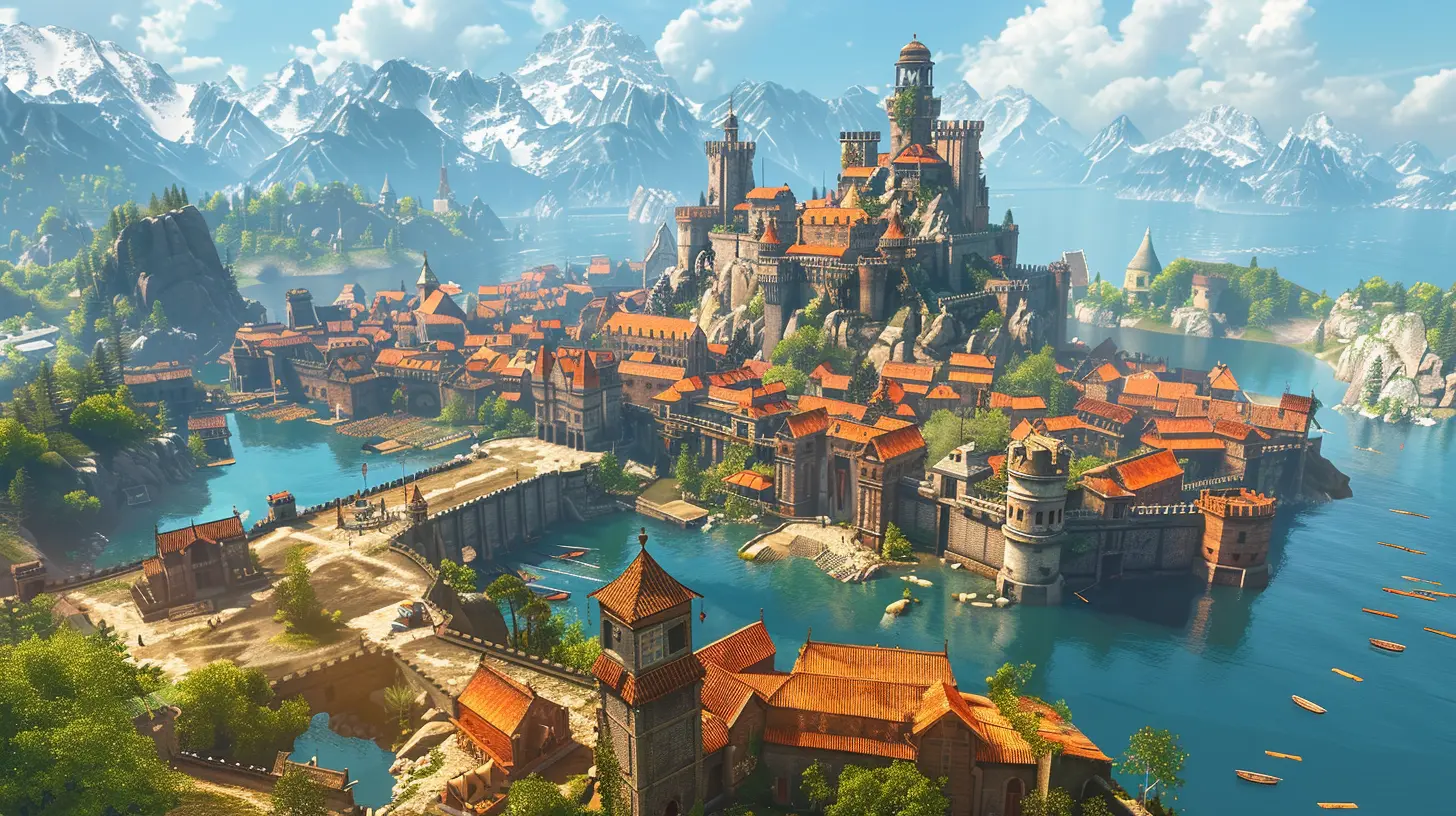
What Makes a Game World "Believable"?
Before diving into the tough stuff, let’s get one thing straight—what do we even mean when we say a game world is "believable"? We're not talking about photorealistic graphics alone. It's more about internal logic, emotional resonance, and an environment that feels alive.Believable game worlds are like good dreams: they may not be real, but they make emotional and logical sense while you're "inside" them.
Whether we’re talking about the sprawling wildlands of Skyrim or the neon-lit alleys of Cyberpunk 2077, it’s that sense of place that clings to your brain long after you’ve put the controller down.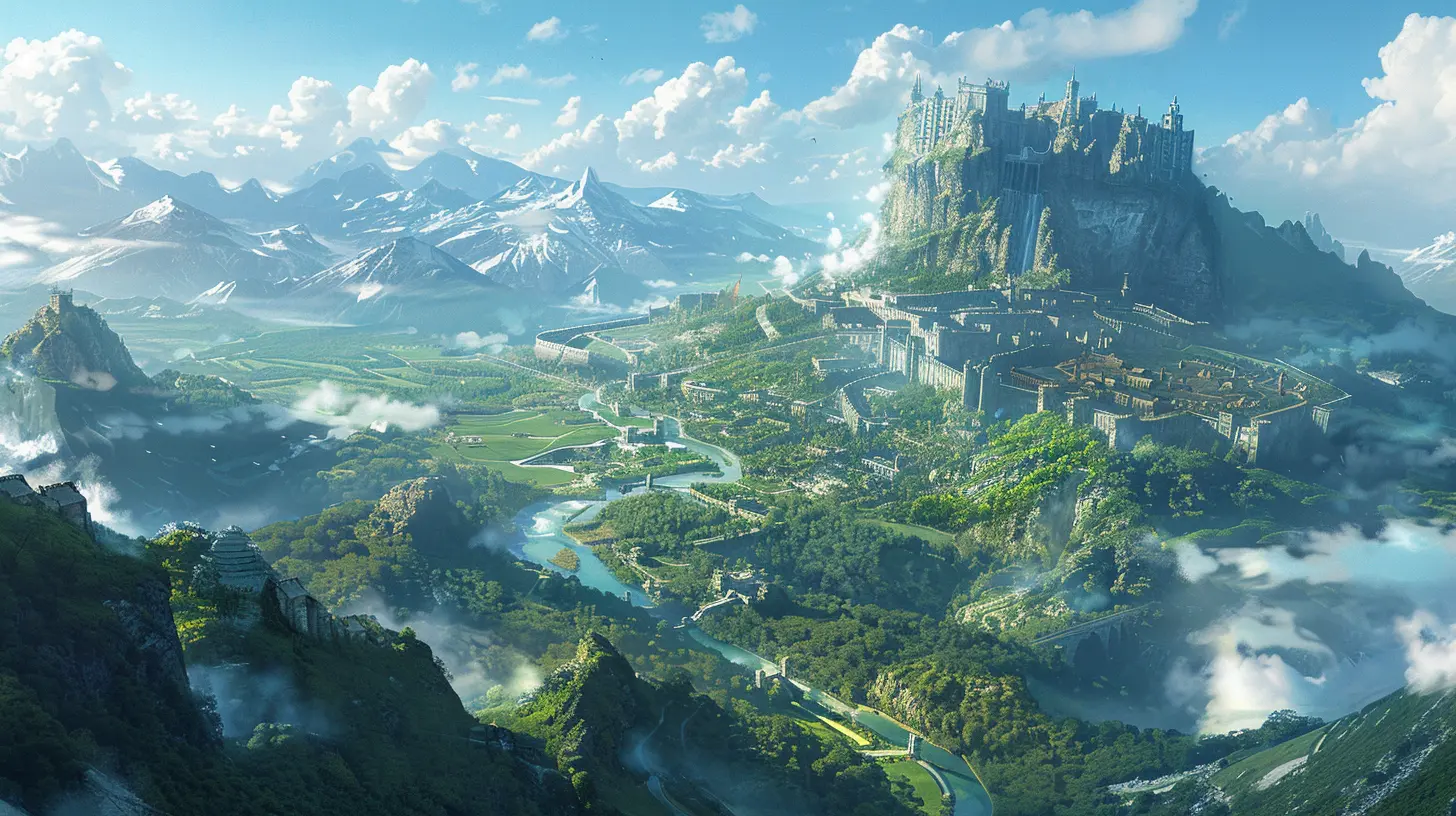
Challenge #1: Consistency is King
Let’s say you’re creating a medieval fantasy world. You’ve got dragons, ancient ruins, and a kingdom ruled by a wise monarch. But then, out of the blue, a laser cannon shows up. Unless your story does some serious legwork to justify that, players are going to raise their eyebrows.Consistency is the glue that holds a game world together. Everything from the architecture to the slang characters use needs to feel like it belongs in the same universe. If something sticks out like a sore thumb, immersion breaks — and just like that, the illusion shatters.
Developers have to constantly ask themselves: "Does this element fit?" If the answer's even a maybe, it's back to the drawing board.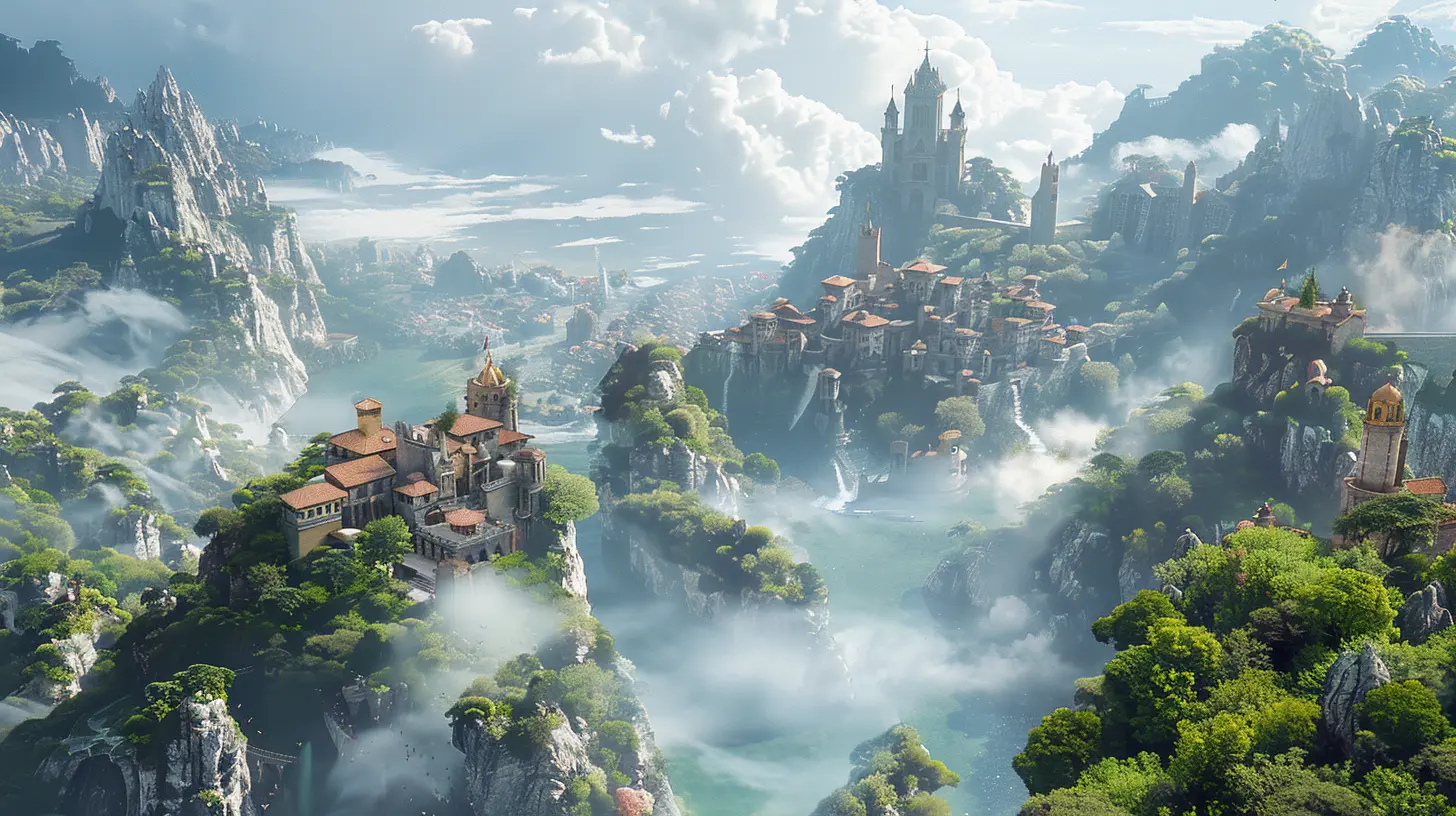
Challenge #2: Lore and World-Building Without Dumping a Textbook
Creating rich lore is essential, but let’s be honest — no one wants to read a 20-page history book when booting up a game.The challenge is threading narrative details into the environment, missions, and even item descriptions in ways that feel natural. Think about Dark Souls. That game doesn't hand you the story on a platter; it's in the ruins, the cryptic dialogue, the item flavor text. You piece it together, and that makes it feel truer, somehow.
Striking that balance between depth and accessibility? That’s where the magic — and the sweat — happens.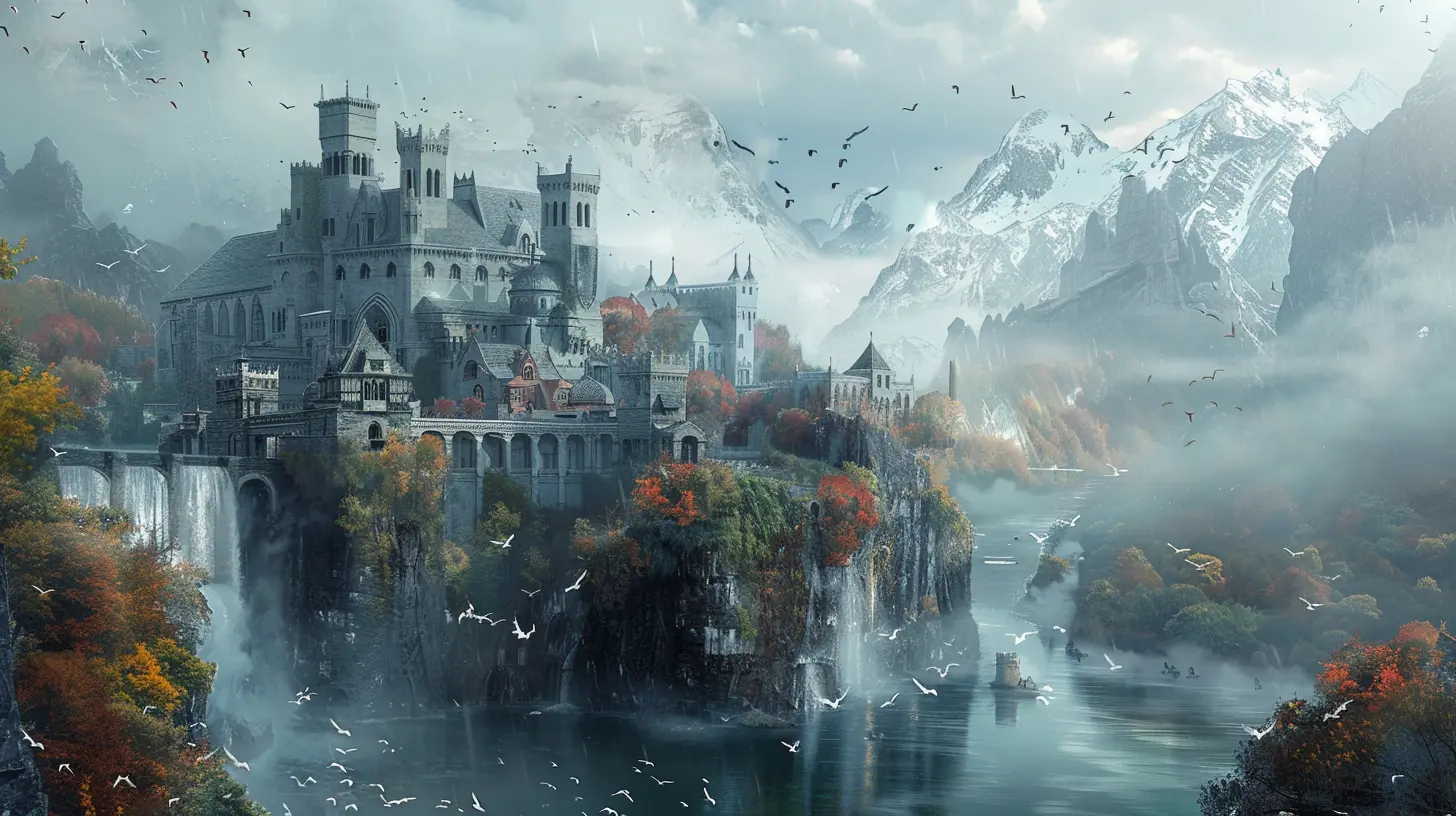
Challenge #3: Creating Realistic AI and NPC Behavior
You ever bump into an NPC who keeps walking into a wall? It’s hilarious, but also a total immersion-killer.The best game worlds feel populated by real beings with their own routines, concerns, and personalities. Developers have to code intricate behavior trees and day/night routines just to make a simple town feel alive.
And that’s just the tip of the iceberg. Add in emotional responses, branching dialogue, and dynamic reactions to player behavior, and suddenly you’re managing a circus of virtual personalities.
It’s like being the director of a play where all your actors could suddenly decide to go off-script at any moment. Sounds chaotic? That’s because it is.
Challenge #4: Environmental Storytelling
Sometimes, the setting tells you more than a cutscene ever could. A bloodstained wall, a broken sword, and a child's toy lying abandoned — boom, you just inferred a tragic story.Environmental storytelling is subtle but powerful. But pulling this off requires a deep understanding of psychology, level design, and even lighting.
Too much clutter, and players might miss the message. Too little, and the world feels empty. It’s a delicate dance that requires developers to seriously sweat the small stuff.
Challenge #5: Balancing Freedom and Structure
Gamers want freedom. They want to climb mountains just because they're there. But they also want direction — a narrative to follow, goals to chase.Creating a world that gives players freedom without letting them feel lost is incredibly tricky. Developers have to create invisible rails — little nudges that keep players engaged without making them feel manipulated.
It’s like being a tour guide in a massive theme park where guests can wander freely — but you’re still responsible for making sure they see the cool stuff.
Challenge #6: Audio — The Unsung Hero
You might not always notice great audio, but you’ll definitely notice when it’s bad.Whether it's the echo of footsteps in a marble hallway or the distant howl of a wolf in the night, sound design adds emotional texture to a game world. A believable soundscape helps sell the illusion that this is a real place.
Developers wrestle with everything from layering ambient noises to dynamically changing sound effects based on location, weather, and even player emotions. Sound is storytelling, and mastering it is an art in itself.
Challenge #7: Player Choice and Consequences
We all love games that let us make choices. But here’s the thing — for those choices to feel meaningful, the world has to react accordingly.Let’s say you saved a village from destruction. If you return later and everyone acts like nothing happened, it feels hollow. Maintaining continuity across multiple story branches and outcomes? That’s a Herculean task.
It’s not just about writing different dialogue lines—it’s tracking decisions across dozens of quests, characters, and locations. It’s basically keeping dozens of spinning plates in the air... with a blindfold on.
Challenge #8: Technical Limitations vs. Creative Vision
Let’s face it — even the most ambitious ideas eventually crash into the wall of technical reality.Do you want dynamic weather systems, living ecosystems, fully destructible environments, and realistic physics? Heck yeah! Can you make all that run at a stable 60 FPS on current-gen consoles? Eh, that’s where things get crunchy.
Game devs are constantly making compromises. Smart optimization, procedural generation, and clever asset reuse are the name of the game when it comes to pushing the limits without breaking the game.
Challenge #9: Cultural Sensitivity and Representation
A truly believable world often mirrors the complexities of the real one, including its diversity. But this opens up another challenge: how do you include different cultures, beliefs, and perspectives authentically and respectfully?Getting it wrong can alienate players, or worse, cause real-world controversy. Developers often work with cultural consultants and diverse creative teams to avoid harmful stereotypes and create worlds that feel inclusive without being tokenistic.
It’s another layer of complexity that adds value — but also work.
Challenge #10: Emotional Resonance
At the end of the day, what makes a game world stick with you isn't just its visuals or mechanics — it’s how it made you feel.Did the setting evoke a sense of awe? Fear? Nostalgia? The emotional impact is what cements the game world in your memory.
Building in those emotional beats takes careful design. It’s about pacing, environment, music, and story all working together like a symphony. And like any orchestra, one bad note can throw the whole thing off.
So... Why Even Try?
Given all these challenges, you might wonder, “Why do developers even bother creating complex game worlds?”Because when it works... it’s magic.
When players step into a world you've built and lose themselves in it, feel something, remember it — that's the reward. That's why we get games that stick with us for years. World-building isn't just about pixels and polygons. It's about crafting memories.
Final Thoughts
Creating believable game worlds is like building a house while also writing a novel, directing a film, and composing a score — all at once. It’s messy, chaotic, and occasionally soul-crushing.But it’s also one of the most rewarding aspects of game development. A well-crafted world isn’t just a backdrop; it’s a character in its own right — one that breathes, evolves, and speaks.
So the next time you boot up your favorite game and feel that little thrill of stepping into another universe, spare a thought for the countless hours, sleepless nights, and insane dedication it took to make that world feel real.
all images in this post were generated using AI tools
Category:
Game GraphicsAuthor:

Pascal Jennings
Discussion
rate this article
2 comments
Destiny McEachern
Great article! Crafting believable game worlds is like weaving a tapestry—each thread counts! Remember, even the quirkiest details can add charm. Keep up the fantastic work, and don’t be afraid to let your imagination run wild! 🎮✨
April 26, 2026 at 3:27 PM
Pascal Jennings
Thanks for the kind words! I completely agree-every detail matters in building an immersive world. Imagination truly is the key!
Roman McClure
Creating believable game worlds requires balancing creativity with player immersion and realistic details.
April 25, 2026 at 4:29 PM
Pascal Jennings
Absolutely, striking that balance is key. It's all about crafting a world that feels lived-in while still sparking imagination.