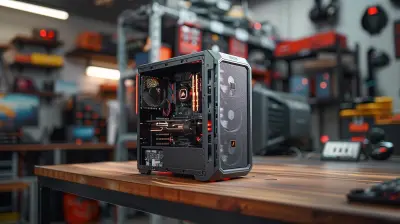
Cross-Platform Play and Its Impact on Game Balance
24 February 2026
Let’s be honest—we live in a time when you can play a game on your Xbox while your best friend joins in from their PC, and your cousin jumps in using a PlayStation. This is the magic of cross-platform play, and it’s been a game-changer (pun intended) in how we connect, compete, and experience games. But while it sounds all sunshine and rainbows, cross-play brings its own share of balancing issues, especially when it comes to making sure everyone has a fair shot—no matter what they’re playing on.
So, how exactly does cross-platform play impact game balance? Why do some players feel like they’re at a disadvantage? And more importantly, what can be done to even the playing field?
Grab your headset and controller, and let’s talk about it!
What Is Cross-Platform Play, Anyway?
Alright, first things first—what do we actually mean by “cross-platform play”?At its core, cross-platform play (or cross-play for short) allows players using different gaming hardware to play together. Whether you’re on a console, PC, or even mobile in some cases, cross-play makes multiplayer gaming more inclusive and accessible.
Back in the day, your system kind of locked you into a bubble. Xbox gamers played with Xbox gamers, PlayStation folks stuck to their platform, and PC players... well, they had their own realm. But now, many major titles like Fortnite, Call of Duty: Warzone, Minecraft, and Rocket League tear down those walls.
Sounds amazing, right? But here’s where things get interesting...
Why Cross-Play Isn’t Always a Smooth Ride
We all love the idea of unifying the gaming community, but let’s face it—not all platforms are created equal. That leads to a big question:> Is it truly fair for a PC player with a mechanical keyboard and pinpoint mouse control to go up against someone on a console controller?
This is where the issue of game balance rears its head.
Input Devices Make a Huge Difference
Ask any competitive gamer and they’ll tell you—your input method drastically affects how you play.- PC players often have a significant aiming advantage thanks to mouse precision and customizable key bindings.
- Console players use analog sticks, which are great for movement and driving games but lack the finesse of a mouse for fast shooting.
- Mobile players? Well, they’re usually on the lowest end in terms of responsiveness and control.
Game developers know this, and many try to introduce aim-assist for controller users to help level the field. But then, PC players feel like they're being “cheated” when someone with aim-assist nails them effortlessly from across the map.
And so, the eternal tug-of-war begins.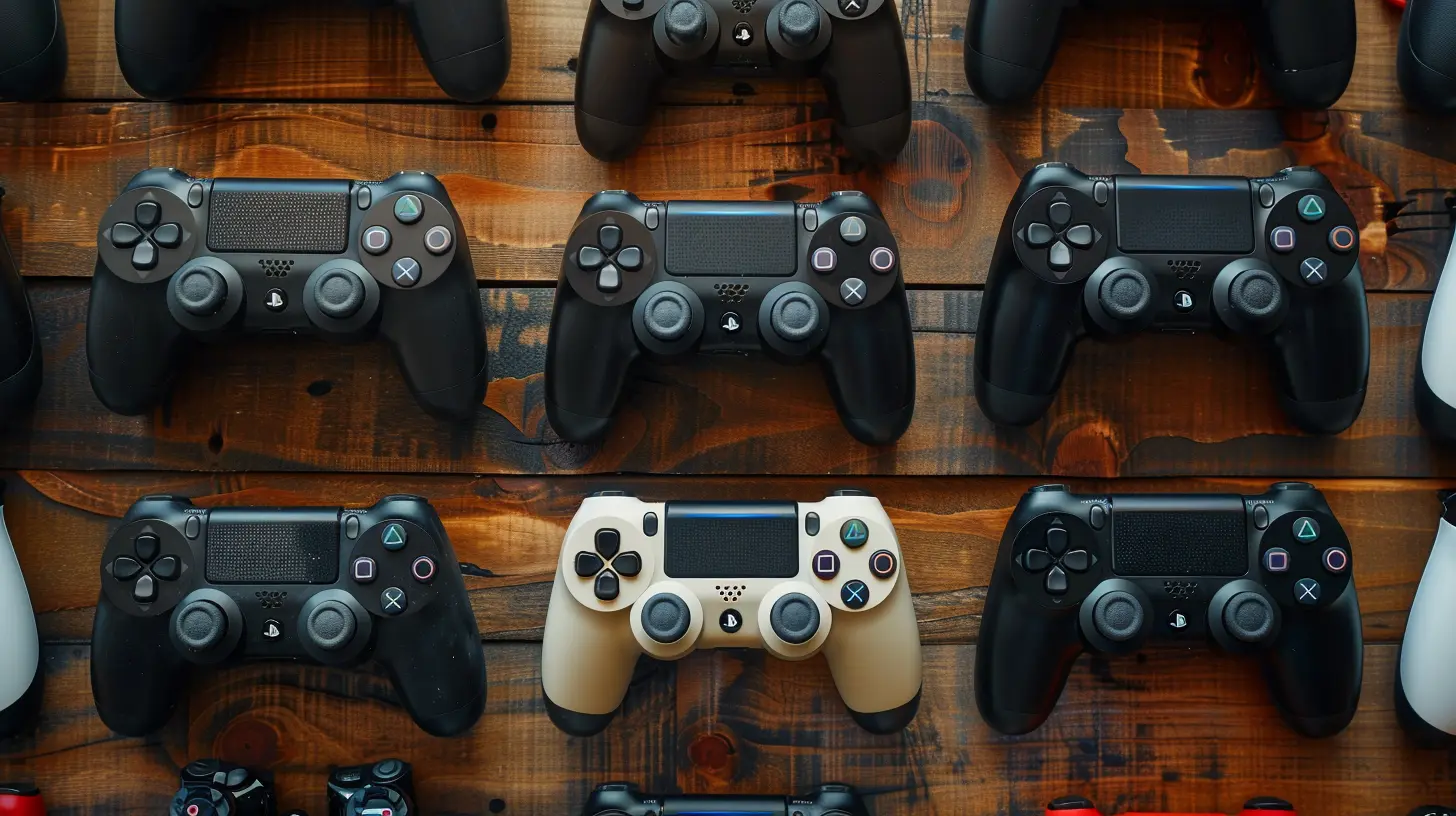
The "Fairness" Debate: Who Has the Edge?
Let’s break down how different platforms stack up against each other in competitive gameplay.PC vs Console
This is the big one. PC players usually dominate the top leaderboards in shooters like Warzone, Fortnite, and Valorant (though Valorant is PC-only for now, but you get the gist).Why?
- Higher frame rates
- Lower latency
- More precise controls
- Customizable settings
Console players often complain about these differences, and for good reason. Even with aim-assist, many feel like they're being thrown into a lion’s den when facing PC players in cross-play lobbies.
Console vs Mobile
Now, when mobile players enter the picture, balance becomes even trickier. Games like PUBG Mobile try to group mobile players together or only allow cross-play with controllers involved, but even then... it’s rare to see a mobile player outgun someone on a console or PC.The Real-Life Impact
Imagine playing a heated match of Fortnite. You’re sweating out a top 10 finish. Then bam! Some keyboard warrior 360 no-scopes you from a mountain peak while you’re still figuring out how to switch weapons on your controller.Frustrating? Absolutely.
How Developers Try to Keep Things Balanced
Game devs aren’t clueless. They know the struggle, and they’ve come up with a few clever (and not-so-clever) ways to deal with cross-play imbalances.Input-Based Matchmaking
This one’s a fan favorite. Instead of matching you by platform, you’re matched by input:- Keyboard & mouse players with other KBM users
- Controller users with other controller users
This keeps things more fair, and a lot of games like Call of Duty: Warzone and Apex Legends already do this. But it’s not a perfect system. Some players will switch to a controller just to play in “easier” lobbies, abusing the system—so it’s a cat-and-mouse game.
Toggle Cross-Play On or Off
Some games let you opt-out of cross-play entirely.Sounds great if you’re tired of getting owned by PC players, right? But there’s a catch: turning off cross-play often means longer wait times to find a match, or fewer players overall—especially in niche or older games.
Performance Balancing
To help even things out, devs also try to:- Normalize frame rates
- Reduce or cap certain settings
- Introduce aim-assist for console/mobiles
- Disable certain assists for mixed lobbies
But again, it’s a delicate dance. Make aim-assist too strong, and PC players scream "unfair." Make it too weak, and console players rage-quit.
Games That Nailed (or Failed) Cross-Platform Balance
Let’s spill some tea on a few titles that either crushed cross-platform balance or totally dropped the ball.Fortnite
Epic Games was one of the first to go all-in on cross-play—and honestly, they’ve done a solid job. They introduced input-based matchmaking, skill-based matchmaking, and even separated mobile lobbies. Still, there are moments when you can feel the skill gaps depending on your setup.Rocket League
Because Rocket League isn’t as input-dependent as FPS titles, it works surprisingly well across platforms. Whether you’re on PC or console, the experience feels relatively balanced.Call of Duty: Warzone
This is a tricky one. PC players dominate here, and even though input-based matchmaking exists, plenty of console players feel like they’re consistently behind in cross-play lobbies. Aim-assist helps, but it's a love-hate relationship.PUBG Mobile
PUBG Mobile tried to even out the radically different control schemes by grouping players accordingly. It kinda works... but you’ll still find the occasional PC emulator user ruining mobile-only lobbies.Does Cross-Platform Play Hurt Competitive Integrity?
So here’s something serious to chew on:> Can cross-platform play actually damage the competitive nature of gaming?
If everyone’s not on an equal footing, how do you ensure fair outcomes? For serious competitive scenes or esports leagues, mixed platforms can be chaos. That’s why most official tournaments lock things to a single platform.
However, for everyday casual and semi-competitive play? Players seem to accept the imbalance if it means more players, shorter matchmaking, and the chance to game with their buds regardless of where they play.
It’s all about what you value more: absolute fair competitive play or broader gaming accessibility.
The Social Perks of Cross-Play (Because It's Not All Bad)
Let’s not be all doom and gloom here.Cross-platform play brings huge benefits, especially on the social side of gaming:
- You can finally squad up with that one friend who stubbornly refuses to buy a PlayStation.
- Smaller games get to maintain healthy matchmaking pools.
- It’s easier to build diverse communities around games.
It’s like removing the dress code from a fancy party—suddenly way more people can join in.
What Could the Future Look Like?
As technology evolves and cloud gaming becomes more mainstream, the lines between platforms might blur even more. You might one day play a high-end shooter on your fridge... okay, maybe not, but you get the idea.To keep things balanced moving forward, we might see:
- More advanced input recognition systems
- Server-side AI to adjust difficulties dynamically
- Hardware-based matchmaking
- Universal performance caps or boosts
The goal? Make sure every player, no matter their setup, feels like they have a fair shot to win.
Final Thoughts: Is Cross-Play Worth the Chaos?
In a word? YES. Despite the challenges and balancing headaches, cross-platform play is one of the best things to ever happen to gaming.Sure, it’s not perfect. Yes, some players will always have an edge. But the benefits—social connection, bigger player pools, and a more unified gaming world—far outweigh the cons, especially when developers are actively working to improve balance across the board.
At the end of the day, cross-play is a bit like inviting everyone to the same party, even if not everyone brings the same kind of chips. It might get messy, but it’s a lot more fun with everyone involved.
all images in this post were generated using AI tools
Category:
Game BalancingAuthor:

Pascal Jennings
Discussion
rate this article
2 comments
Siena McLaughlin
Cross-platform play levels the field, but balancing diverse player skills and strategies can be as complex as mastering the game itself. A double-edged sword!
March 1, 2026 at 3:17 PM
Pascal Jennings
Absolutely! Cross-platform play enhances accessibility but does introduce unique balancing challenges that require ongoing adjustments to ensure fair competition.
Ronan McGinnis
Cross-platform play fosters inclusivity and expands player communities, but it also presents challenges in game balance. Developers must carefully adjust mechanics to ensure fair competition, considering diverse player skill levels and hardware capabilities to provide a unified experience.
February 26, 2026 at 4:40 PM
Pascal Jennings
Thank you for your insightful comment! Balancing cross-platform play is indeed crucial for fostering inclusivity while ensuring a fair competitive environment among diverse players.