Stylized vs. Realistic Graphics in Gaming
4 June 2026
Alright, gamers, let’s settle this age-old debate once and for all—okay, maybe not settle it completely, but at least throw some much-needed perspective into the ring. We’re talking about two titans of visual expression in video games: Stylized vs. Realistic Graphics. It’s the ultimate showdown, like Mario vs. Master Chief or tea vs. coffee (okay, insert your own analogy here).
You’ve probably found yourself gawking at the jaw-dropping realism in titles like Red Dead Redemption 2, only to then fall in love with the charming aesthetics of The Legend of Zelda: Breath of the Wild. So, what gives? Why do some games go for realism so hard you can almost smell the horse poop (you know the game I’m talking about), while others go full-on cartoon mode and still tug at your heartstrings?
Pull up your chair, grab your favorite energy drink (or, you know, hydration is cool too), and let’s dive into the colorful, high-definition battlefield of stylized vs. realistic graphics in gaming.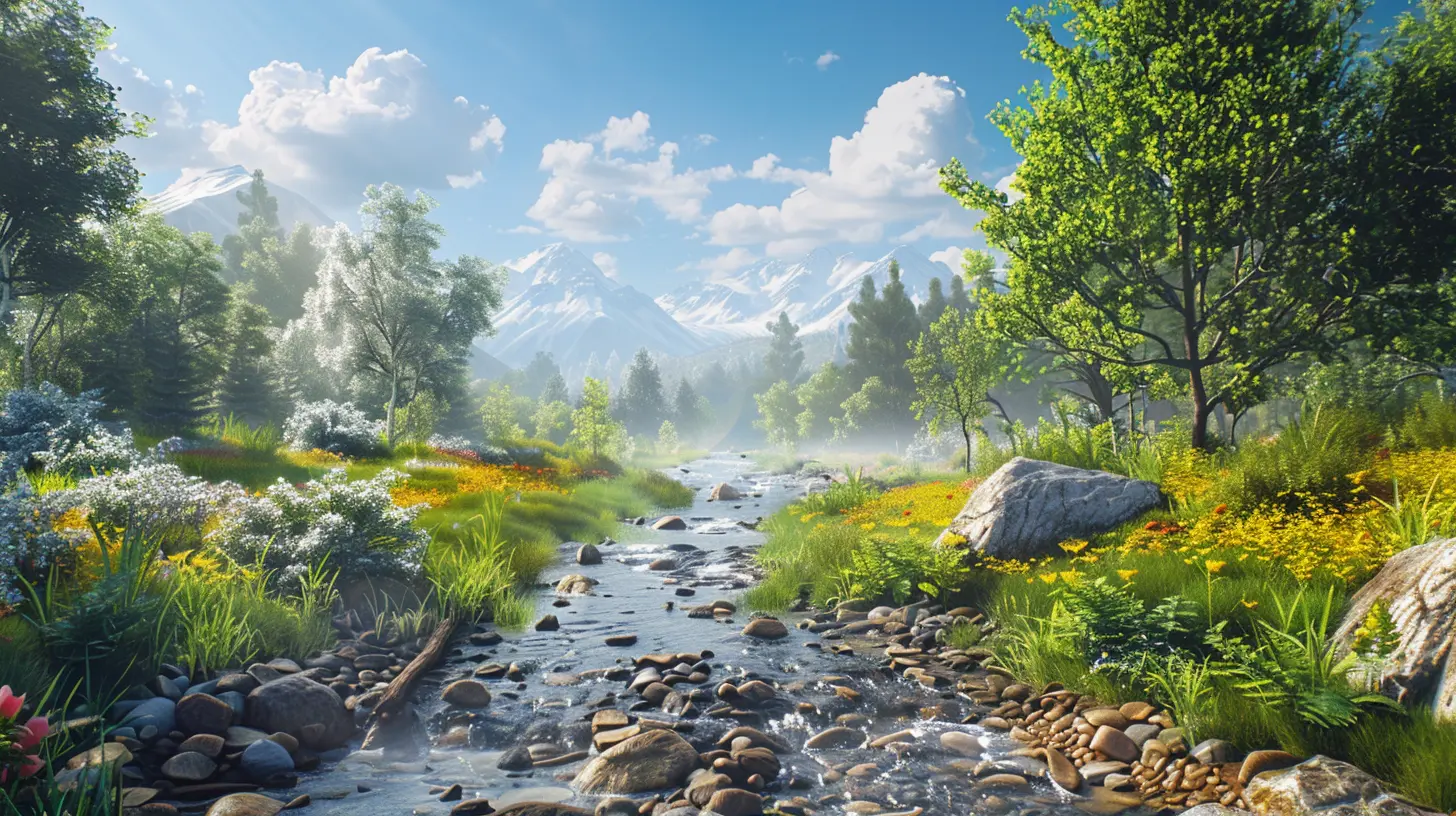
? What Are Stylized Graphics, Anyway?
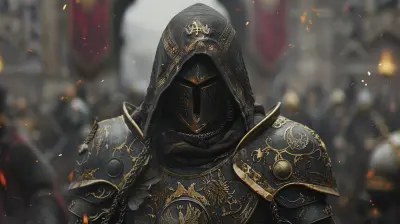
Before we start throwing punches, let’s define the fighters.Stylized graphics are like that cool art student who wears mismatched socks and paints with octopus ink. They're intentionally less realistic, often leaning into exaggerated features, vibrant palettes, and visual charm. Think Fortnite, Overwatch, or heck, even Minecraft.
Instead of aiming for “this could have been captured on a 4K camera,” stylized games want to stir your imagination. They’re the dreamers of the gaming world.
Pros of Stylized Graphics:
- Timeless Appeal: 10 years later, and Wind Waker still looks like a living cartoon. Crysis, on the other hand? Looks like it aged in dog years.- Better Performance: Less taxing on GPUs. Your PC fan won’t sound like it’s auditioning for Top Gun.
- Creative Freedom: Want a lava-surfing penguin wearing sunglasses? Stylized graphics got you.
- Iconic Design: Games look instantly recognizable. You know when you see a Cuphead screenshot exactly what you’re getting into (and how many times you’re about to die).
? So Then, What Are Realistic Graphics?
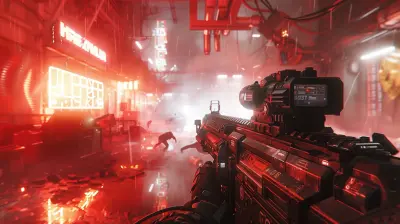
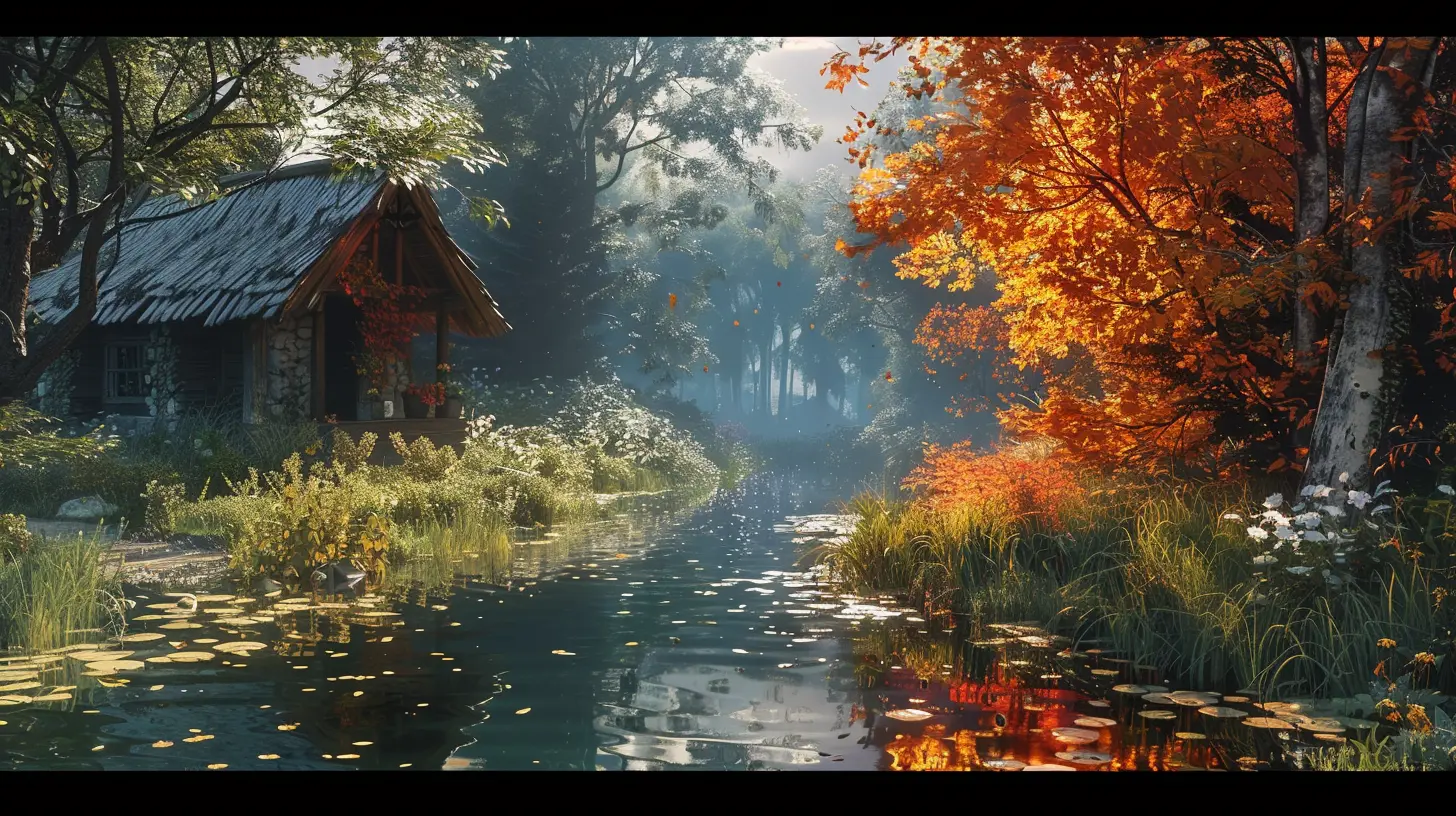
Realistic graphics are the photorealistic, gritty, “woah, is this a movie?” type. Developers spend countless hours texturing that one rock so perfectly you’ll trip over it—emotionally and literally.These are your Call of Duty, The Last of Us Part II, Horizon Forbidden West, and the like. Realistic graphics try to mimic the real world, from lighting, shadows, and skin pores (oh, we're getting fancy now) to water physics that make you want to cannonball into your TV.
Pros of Realistic Graphics:
- Immersion Factor: You feel in the game—like standing on a battlefield or hiking through a post-apocalyptic jungle.- Visual Drama: Emotional narratives feel more intense when the tears look real.
- Tech-Showcasing Glory: If you've just dropped your life savings on a new GPU, realistic games are the flex.
- Real-World Inspiration: Nature, architecture, weather—it’s the closest thing to traveling without leaving your couch.
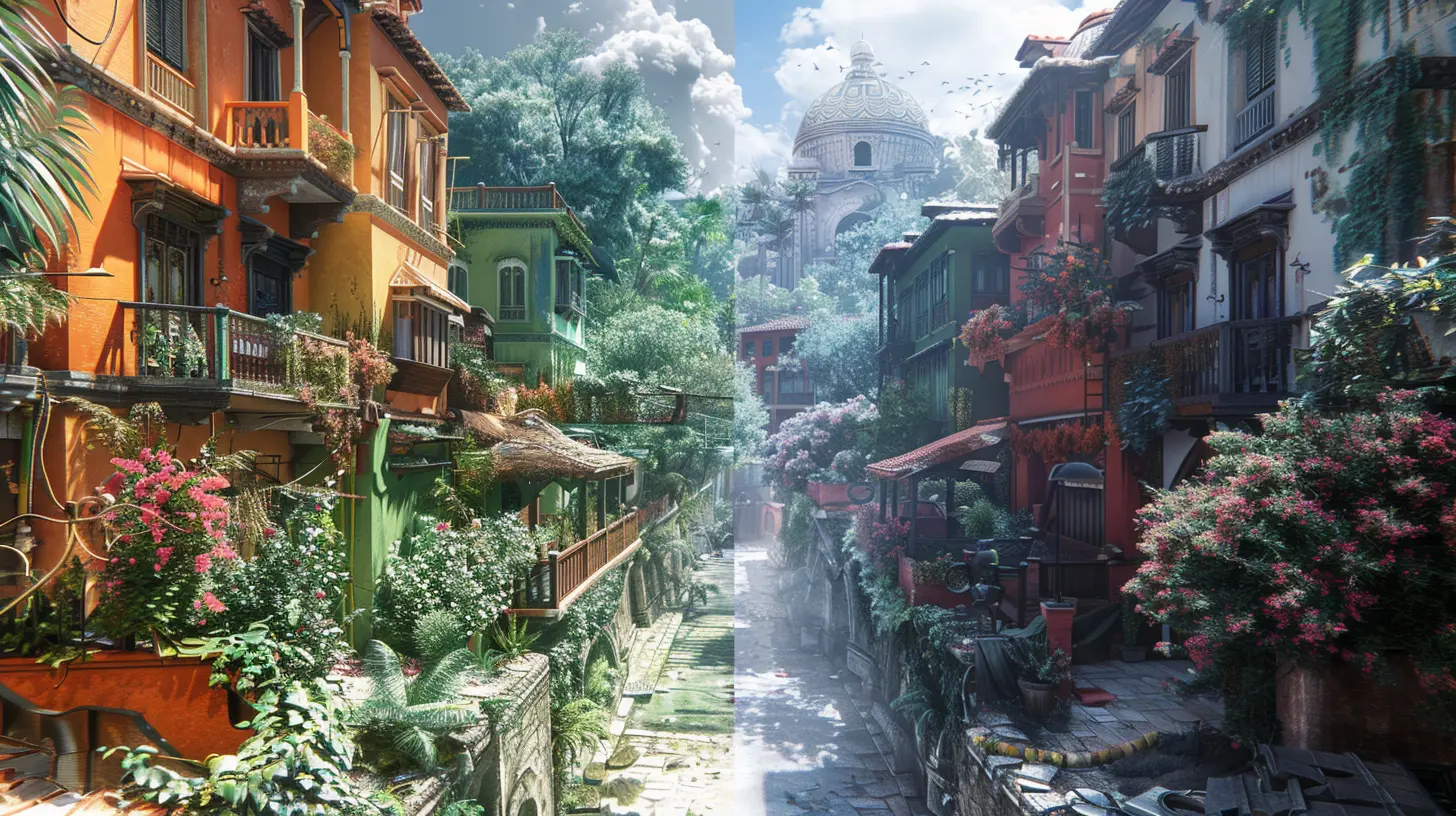
? The Big Question: Does One Style Make the Game Better?
Short answer? Nope. Long answer? Also nope—but with nuance.Stylized and realistic graphics serve different purposes. It’s like asking if a comedy movie is better than a thriller. Depends on the mood, right?
Let’s break this down in gamer-friendly terms.
Gameplay vs. Eye Candy
Stylized games often put gameplay front and center. With fewer resources going into hyper-detailing noses, developers can focus on mechanics, world-building, and innovation.Realistic games can sometimes (sometimes, I said!) fall victim to the “graphics-first” trap—like wrapping a cardboard box in gold foil. Looks amazing until you play it and find out it’s just another escort mission with zero personality.
That said, when done right, realistic graphics can elevate a game to legendary status. The Last of Us wasn’t just pretty—it made players weep into their popcorn. That’s the magic of realism and emotional storytelling hand-in-hand.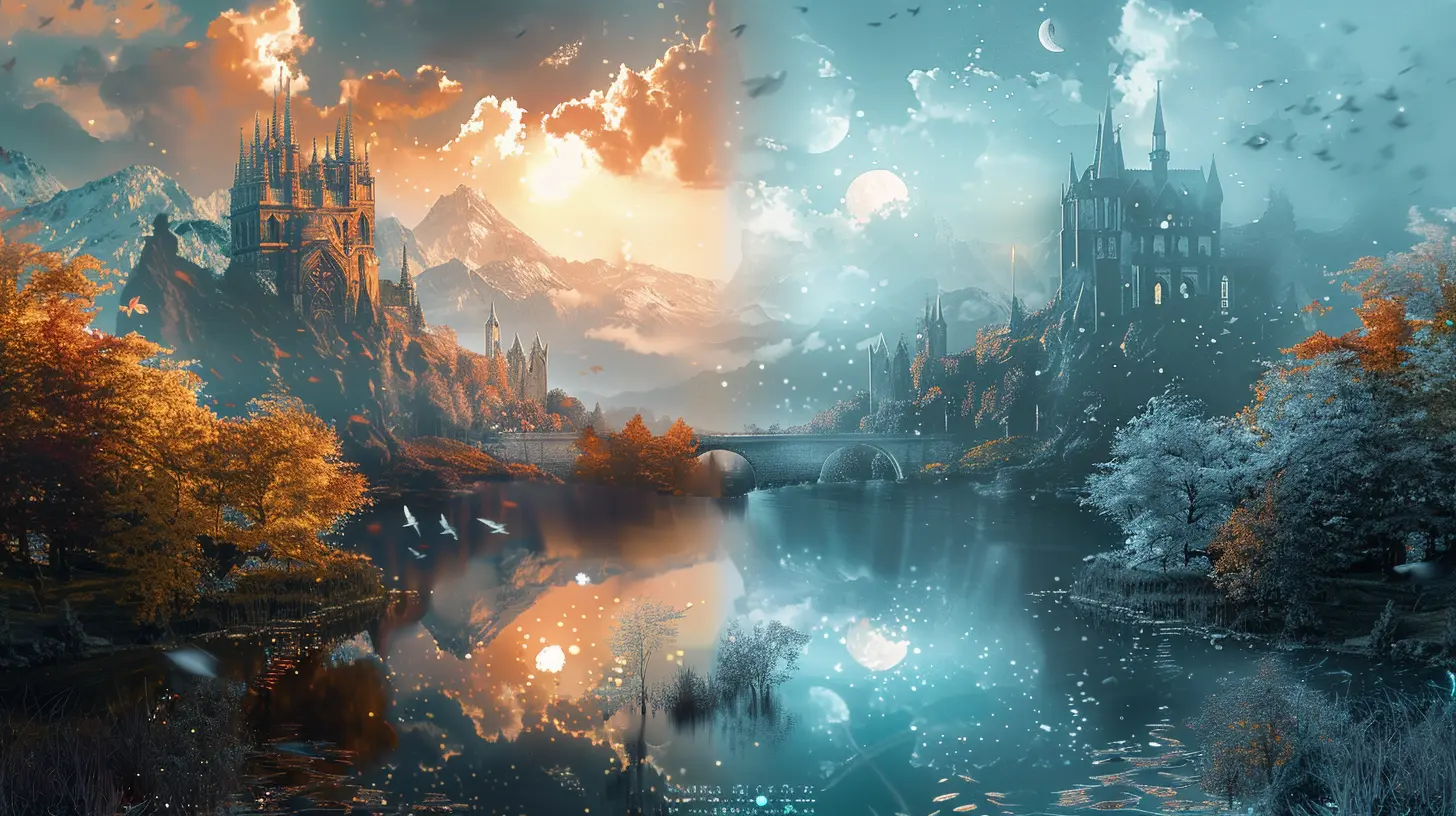
? What About Longevity? Who Wins the Race Against Time?
Let’s face it: games age like fruit. But some fruit become wine. ?Stylized games tend to age a lot better. Just look at Team Fortress 2. It still looks fresh, even if the servers are held together with chewing gum and the tears of Valve fans waiting for Half-Life 3.
Realistic games, on the other hand, can look outdated fast as engines improve. A “realistic” game from 2010 can now look like wax sculpture cosplay. And yes, you can see the difference between “oooh” and “eww” in HD.
So unless devs are remastering every few years (looking at you, Skyrim), stylized might just win the trophy for aging gracefully.
? It’s All About Art Direction, Baby
Here’s the real mic-drop moment: a game is more than just its visual style. Whether it's stylized or realistic, what truly matters is art direction.You can have a stylized game with jaw-dropping visuals (Ori and the Will of the Wisps, anyone?) and a realistic game that feels sterile (Insert Generic Shooter Name Here).
Art direction is the soul of the graphics. It’s the visual storytelling that makes everything click. It’s why Journey can move you with color gradients and flowing cloth while Death Stranding can feel like a meditation on postal services with hyper-detailed mud.
So don’t be fooled by surface flashiness—look for substance.
? Genre Matters, Too
Spoiler alert: not every game should look like a cinematic epic.- Horror Games: Realism ups the scare factor. You want terror? Give me shadowy hallways and eye-glinting monsters.
- Platformers & Indie Titles: Stylized wins here. It’s lighter, more imaginative, and hey, it’ll run on your toaster.
- Shooters: Realism adds weight—but stylized ones like Splatoon prove you don’t need blood to have a blast.
- RPGs: Depends on the experience. You want immersion? Realism. You want wonder? Stylized.
Again, pick your poison—or better yet, sip from both cups.
? Hardware Constraints and Development Costs
Here’s a juicy bit: realism is expensive. Like, Hollywood blockbuster expensive.Creating photorealistic models, textures, physics, and lighting eats up budget like Kirby at a buffet. That’s why AAA studios with million-dollar funding can pull it off while indie devs go the stylized route and still steal the show.
Stylized graphics give devs room to get creative on a budget. Plus, games run better on lower-end machines. That’s a win-win for both devs and players who don’t have a RTX 5099 (yet).
?️ Marketing and First Impressions
Let’s be honest. We all judge a game by its cover—or at least its trailer.Realistic graphics tend to get more attention in cinematic trailers because they “WOW” quickly. But stylized games often build cult followings because of their unique style and unforgettable visuals.
Think of it like choosing between a supermodel and an artist. One’s easy on the eyes, but the other writes poetry in colors you didn’t know existed.
? What Do Gamers Prefer?
Surprise! Gamers are humans with opinions. Shocking, I know.Some players chase realism because they want immersion. Others gravitate toward stylized, craving charm and originality. A lot of us (myself included) love both, depending on what kind of ride we're looking for.
The good news? There’s room at the gaming table for all. Whether you're slashing foes in a hyper-stylized world or tiptoeing through a hyper-realistic warzone, both styles have something to offer.
? The Final Verdict
So, who wins in the battle of stylized vs. realistic graphics in gaming? The answer is: It depends.Stylized graphics:
- Age better
- Run better
- Are more budget-friendly and unique
Realistic graphics:
- Offer unmatched immersion
- Showcase hardware capabilities
- Are ideal for certain genres, like horror and drama
Neither is better; they’re just different flavors of awesome. It’s like pizza vs. tacos. (Okay, bad example. Now I’m hungry.)
What matters most is how the visual style complements the gameplay and narrative. If a game knows what it wants to be and delivers it with confidence, then who cares if the trees are hand-painted or individually rendered leaves based on real-world foliage?
Trust your eyes, trust your taste, and most importantly—keep playing the games that spark joy, no matter how they look.
all images in this post were generated using AI tools
Category:
Game GraphicsAuthor:

Pascal Jennings
Discussion
rate this article
2 comments
Sophie Pruitt
Stylized graphics offer creativity and charm, while realistic graphics immerse players deeply. it depends on the experience each gamer seeks.
July 14, 2026 at 3:44 AM
Damon Hubbard
Stylized graphics offer unique charm, while realism enhances immersion and detail. Both matter.
June 4, 2026 at 4:15 AM
Pascal Jennings
I completely agree. Both styles bring something valuable to the table and influence the gaming experience in distinct ways.