Procedural Generation: The Future of Infinite Action Levels
24 October 2025
Have you ever wondered how game developers manage to create vast, dynamic environments that never seem to repeat? One moment you're navigating an endless dungeon, the next, you're exploring a galaxy teeming with unique planets. It all feels so larger-than-life and distinctly unpredictable. That’s the magic of procedural generation at work. But what exactly is procedural generation, and why is it being hailed as the future of infinite action levels? Let’s dive in, shall we?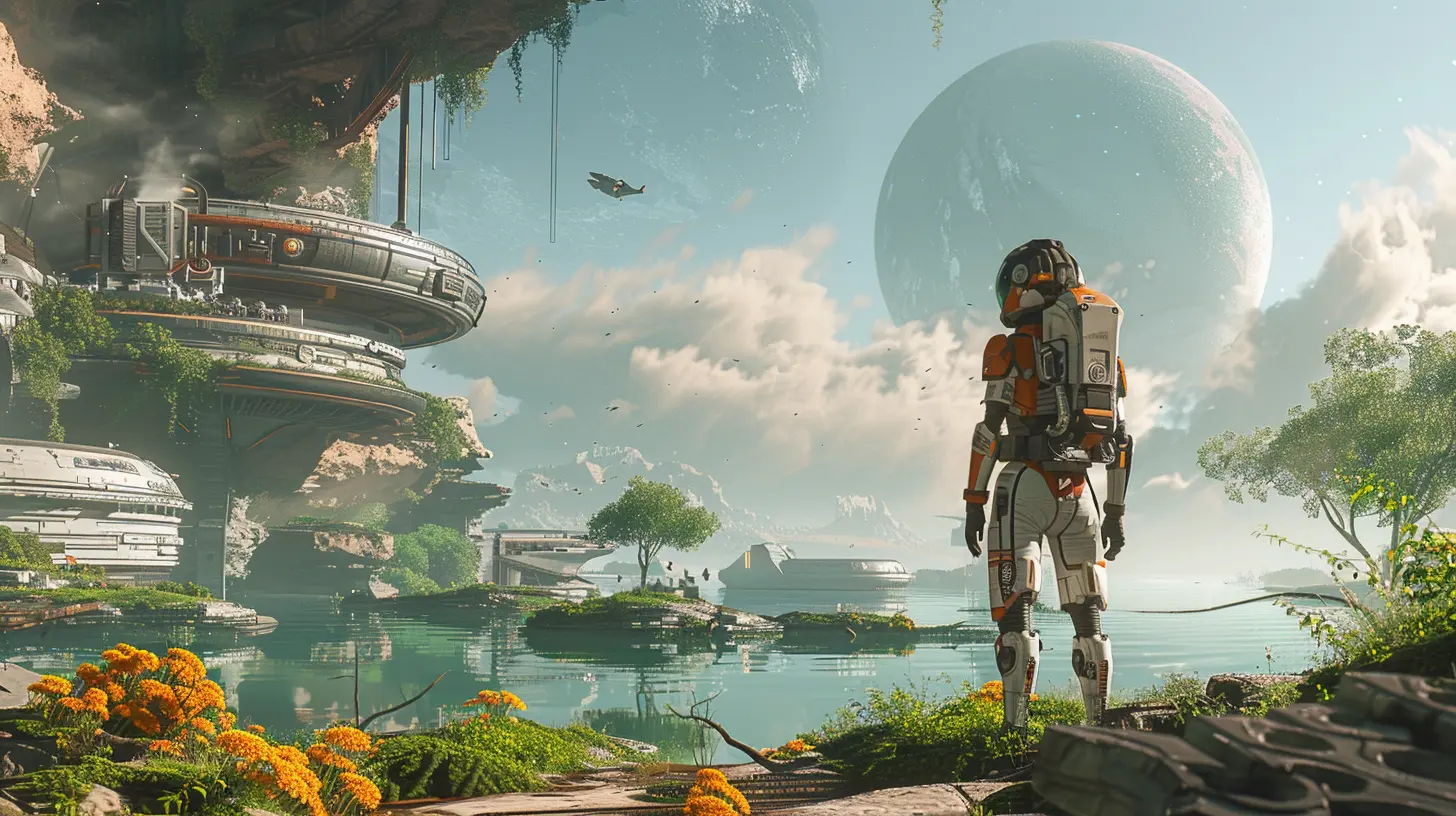
What Is Procedural Generation?
First things first—let’s break it down. Procedural generation is a fancy term for using algorithms and code to create content, whether it’s levels, characters, or even stories, dynamically and often randomly. Unlike traditional game design, where developers painstakingly craft every detail by hand, procedural generation lets developers input a set of rules or parameters, and the game’s engine takes care of the rest—churning out randomized, but playable and meaningful, content.Think of it like baking cookies. Traditional development is like cutting out cookie dough with a single mold, producing identical shapes every time. Procedural generation? That’s your wild and creative friend throwing a bunch of colors and shapes into the mix, baking each cookie completely unique. Sure, they don’t all look perfect, but each one has originality written all over it.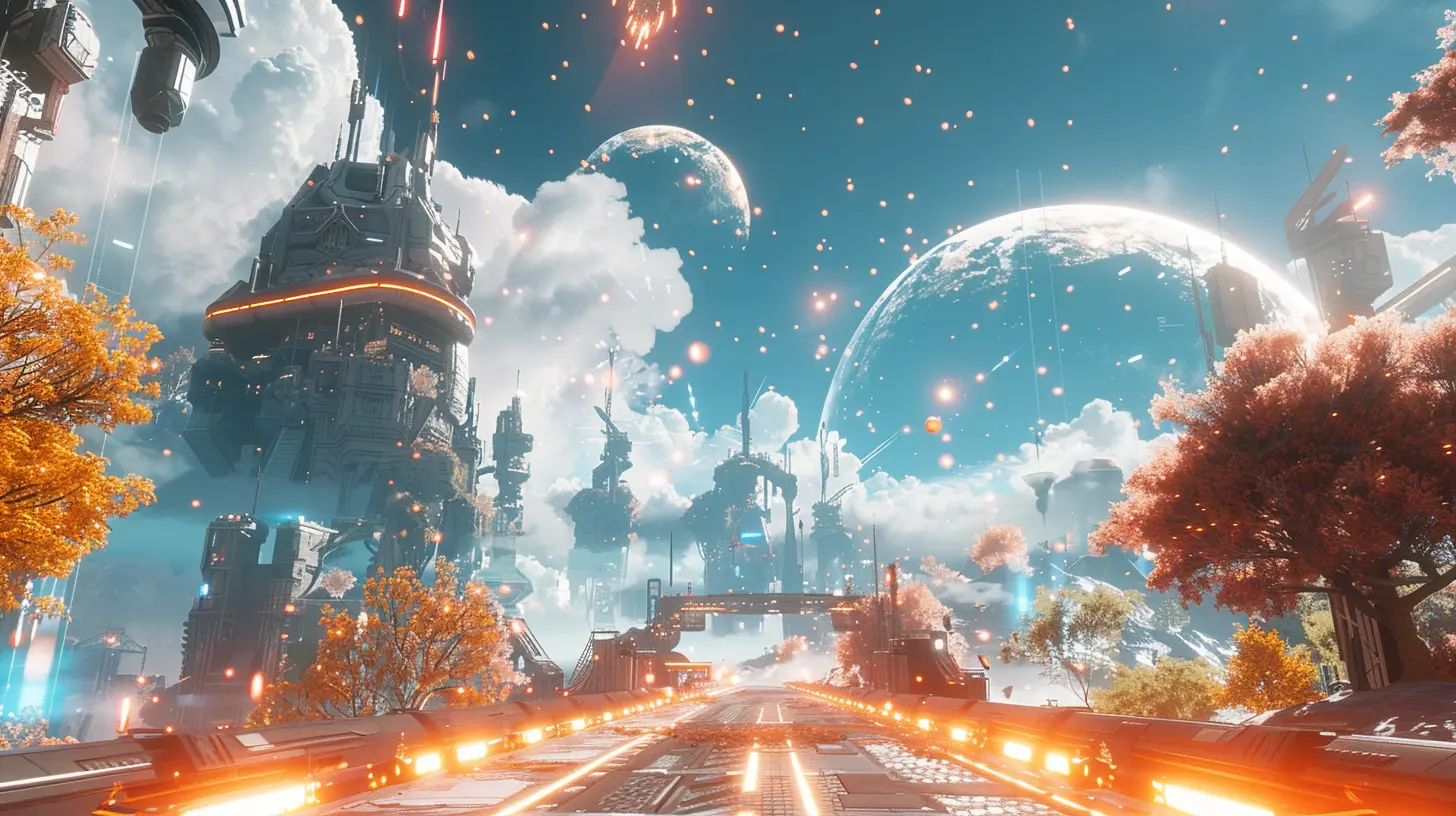
How Does Procedural Generation Work?
Here’s the deal: procedural generation relies on a mix of math and computer science (don’t worry—I’m not about to throw you into calculus). Developers create algorithms, which are essentially sets of instructions telling the game how to generate content. These algorithms are influenced by certain rules or variables, which might include size, color, position, difficulty, and so on. From there, the content is generated dynamically, often during gameplay.Let’s take a practical game example: Imagine you're playing a dungeon crawler. Instead of developers crafting a level manually, they program an algorithm to create rooms, corridors, and treasure chests randomly. The result? Every time you enter the dungeon, you get a completely different layout, offering fresh challenges and discoveries at every turn.
Why Is Procedural Generation Perfect for Action Games?
Think about the essence of action games—adrenaline-pumping combat, fast-paced decision-making, and engaging environments that keep you on your toes. Now, throw in procedural generation, and you’ve unlocked endless possibilities. Here's why it fits like peanut butter and jelly:1. Infinite Replayability: Gamers crave variety. Whether you're battling aliens, zombies, or robots, procedural generation ensures no two levels feel the same. Every experience is unique—new terrain, new enemies, and new objectives.
2. Unpredictability: What's more exciting than heading into uncharted territory where you truly don’t know what lies ahead? Procedural generation feeds this thirst for the unexpected.
3. Scalability: Developers no longer have to be bogged down by resource limitations. Instead of spending months designing hundreds of levels, they can create one versatile algorithm that handles the workload for them.
4. Dynamic Difficulty: With procedural generation, difficulty scales naturally. The game can sense how you play and adjust the level’s complexity accordingly. Whether you're a casual player or a hardcore gamer, there’s something tailored for everyone.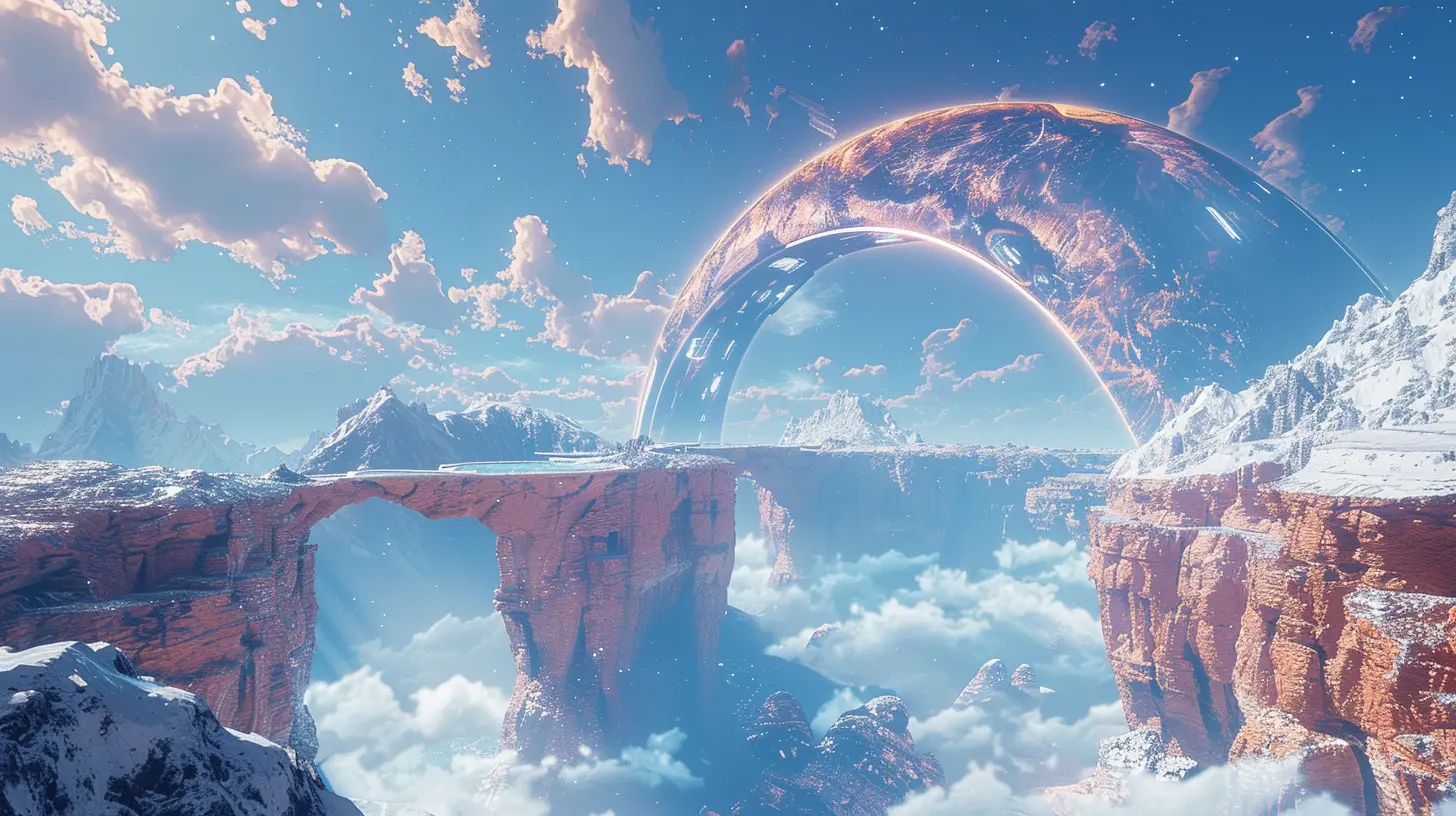
Examples of Procedural Generation in Gaming
Let’s take a little stroll down memory lane and look at some games that have embraced procedural generation to create groundbreaking experiences.1. Minecraft
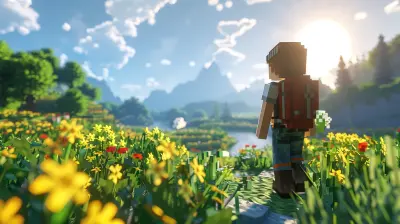
Come on, you probably saw this one coming, right? Minecraft is practically the poster child for procedural generation. Its iconic randomly generated worlds made it a global phenomenon. From towering mountains to sprawling cave systems, every seed creates a unique world for players to explore. It also set the gold standard for how procedural generation could revolutionize creativity in gaming.2. No Man’s Sky
Ah, the space exploration odyssey. No Man's Sky uses procedural generation to craft an entire galaxy with over 18 quintillion planets. Yep, you read that right—quintillion. Each planet has unique terrain, ecosystems, and life forms, all generated on the fly. While it stumbled at launch, the game eventually became a shining example of how procedural generation can create awe-inspiring, near-infinite experiences.3. Spelunky
This roguelike game is a masterclass in procedural generation for action levels. Each run features completely randomized levels with cleverly placed traps and treasures. It’s this unpredictability that keeps players hooked, challenging them to adapt and strategize with each new attempt.4. Hades
While Hades might seem more story-driven than most procedural games, its level generation is a key ingredient in keeping its combat fresh. Each run through the underworld offers modified chambers, enemy placements, and rewards, making every playthrough a riveting experience.How Procedural Generation Can Shape the Future of Gaming
So, where does this tech take us next? Can we expect entire universes and narratives created without human input? Well, it’s not too far-fetched.1. True Infinite Worlds
Imagine a world where gaming never ends. No loading screens, no "Game Over" screens, just infinite possibilities waiting to be explored. Procedural generation could allow games to evolve alongside players, adapting to their choices and playstyle over time.2. Personalized Experiences
With advanced AI and machine learning, procedural generation could build experiences tailored specifically for you. Love stealth missions? The game could craft stealth-centric levels. Prefer chaotic battles? Say no more. It’s like having a personal game designer in your pocket.3. Cost and Time Savings
For developers, procedural generation represents a massive opportunity to cut development time and costs. By offloading a significant chunk of level design to algorithms, studios can focus on other aspects—like storytelling, sound design, and gameplay mechanics—while still delivering expansive worlds.4. Hybrid Creativity
Procedural generation doesn’t have to replace traditional game design; it can complement it. Developers can combine handcrafted art and assets with procedurally generated elements to maintain both originality and efficiency. It’s a win-win scenario.Limitations and Challenges of Procedural Generation
Now, before we throw a party celebrating procedural generation as gaming’s savior, let’s pump the brakes for a second. It’s not all sunshine and rainbows. Like with anything, there are a few pitfalls.- Lack of Emotional Impact: Sometimes, randomly generated content can feel a little soulless. Sure, the level might look cool, but does it have the same emotional depth as a handcrafted narrative moment?
- Repetition Risk: Funny enough, even with variety, procedural generation can occasionally lead to elements feeling repetitive, especially if the algorithms aren’t robust enough.
- Unpredictable Bugs: With so much randomness, bugs and glitches can creep in. And unlike handcrafted levels, fixing these issues can be a headache for developers.
The Human Element and Procedural Generation
Here’s a little food for thought: Procedural generation, despite all its potential, still needs creativity, direction, and a human touch. After all, algorithms require someone to write the rules they follow. Developers act as digital artists, shaping the framework for randomness to thrive while maintaining some level of cohesion. It’s like orchestrating chaos—and when done right, it’s a masterpiece.Conclusion
Procedural generation is not just a fancy buzzword—it’s a game-changer (literally). It opens doors to infinite possibilities, ensuring action games remain dynamic, engaging, and endlessly replayable. While it does have its quirks and challenges, the benefits far outweigh the drawbacks. As algorithms and AI continue to evolve, so too will the way games are built and experienced.So, the next time you’re diving into an infinite dungeon, exploring uncharted planets, or fighting through randomized action levels, take a moment to appreciate the marvel of procedural generation. It’s no exaggeration to say—it’s crafting the future of gaming, one algorithm at a time.
all images in this post were generated using AI tools
Category:
Action GamesAuthor:

Pascal Jennings
Discussion
rate this article
1 comments
Candace Clark
Procedural generation holds the key to endless exploration in gaming, offering players unique experiences with every session. By blending creativity with algorithmic design, developers can craft infinite worlds that challenge and inspire, making each adventure a personal journey. Exciting times ahead!
October 27, 2025 at 4:43 AM
Pascal Jennings
Absolutely! Procedural generation indeed opens the door to limitless exploration and personalized gameplay, ensuring that each adventure feels fresh and unique. Exciting times indeed!