Explaining the Twist Ending of Spec Ops: The Line
13 December 2025
If you've finished Spec Ops: The Line and found yourself staring blankly at the screen, scratching your head, whispering, "Wait, what just happened?"—you're definitely not alone. This isn't your average military shooter, despite how it initially presents itself. Sure, it’s got the dusty setting, the gruff protagonists, and the booming gunfights. But beneath the surface, it's a psychological gut-punch wrapped in a war game’s clothing.
Let’s pull that curtain back and break down the shocking twist ending of Spec Ops: The Line. Buckle up—it’s not just a plot twist…it’s a full-on mirror held up to the player.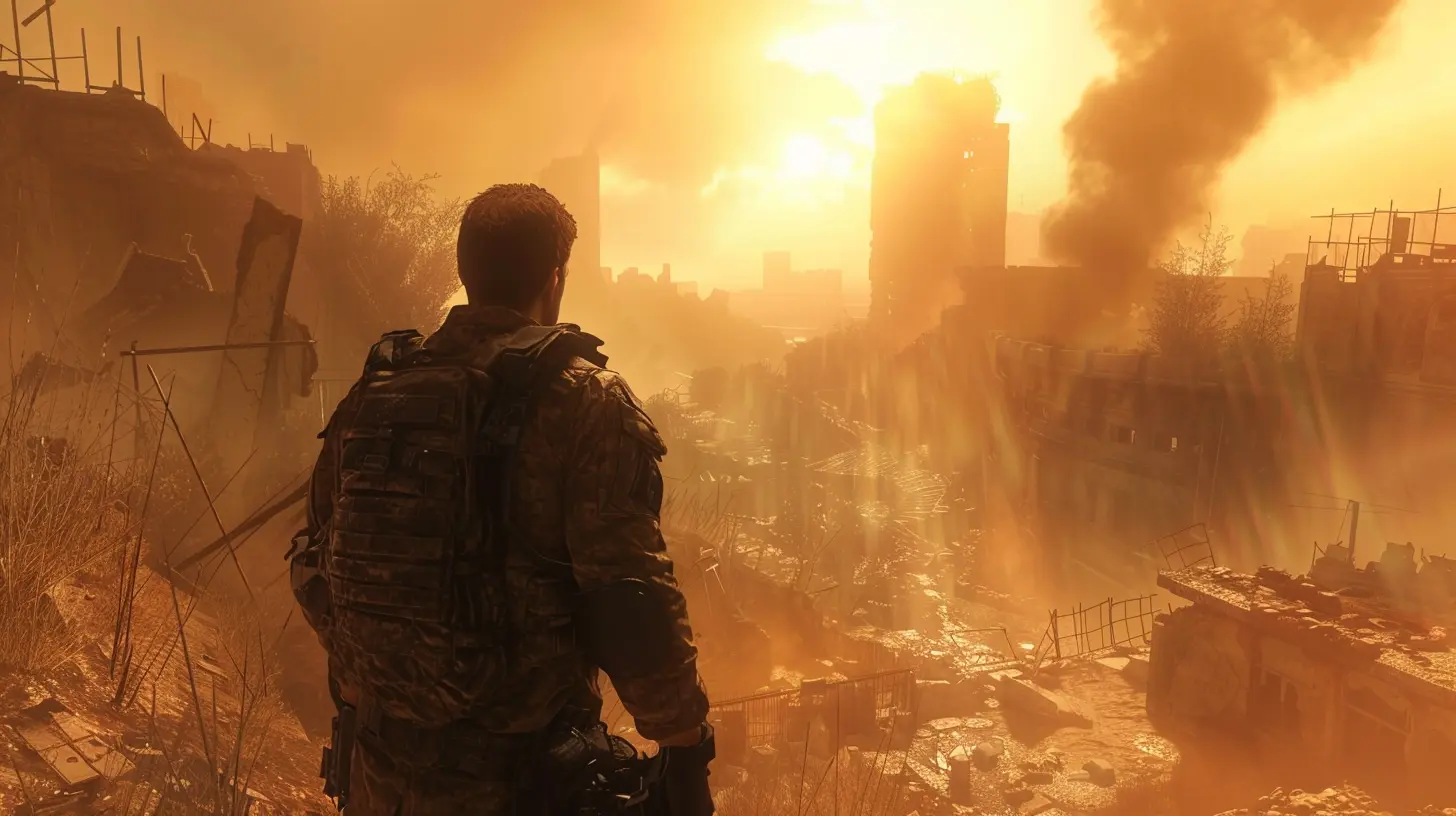
The Setup: Welcome to Dubai, Soldier
So, here's the gist if you need a quick refresher: Spec Ops: The Line tosses you into a sandstorm-devastated Dubai, playing as Captain Martin Walker. You’re leading a Delta Force recon team to investigate a distress signal from Colonel John Konrad—your ex-commanding officer and the last man in charge of the 33rd Battalion. They were supposed to evacuate civilians but vanished off the map instead.Sounds straightforward, right?
But as you claw your way through the hellish ruins of Dubai, everything begins to feel…off. Like, really off. The enemies behave differently, your decisions start to feel wrong, and Walker begins to unravel—along with the story.
That’s no accident. It’s the game slowly peeling back its layers.
So What’s the Big Twist?
Okay, here’s the bombshell: Colonel Konrad—the guy you’ve been chasing this whole time? The one supposedly pulling all the strings? He’s been dead. For a while.Yep. Dead. Shot himself in the head before you even stepped foot in Dubai.
That’s the rug-pull moment. All those radio messages? The confrontations? The guilt-trips? They weren’t real. They were delusions. The game tricks both you and Walker into believing there’s still a mission to complete, when in reality, you're chasing a ghost.
But why would the game do that?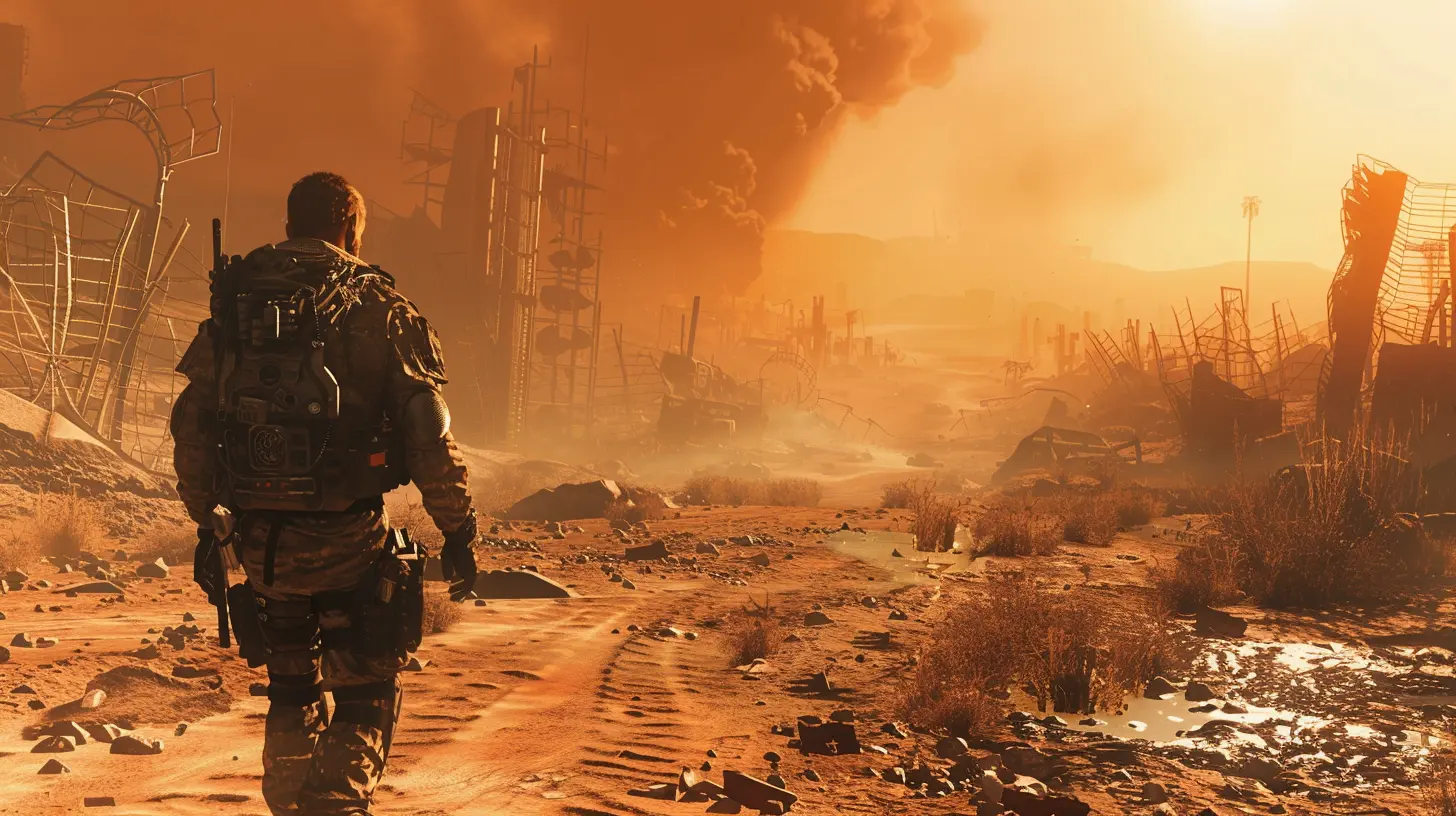
Mental Breakdown: Captain Walker’s Mind Is the Real Battlefield
Spec Ops: The Line isn’t just about war—it’s about the psychological toll of war, and how guilt and trauma can distort reality. Captain Walker doesn’t just lose his grip on the situation; he loses his grip on reality itself.Once you find out that Konrad was never your enemy, everything you’ve done until that point gets re-framed. The decisions, the violence, the “us vs. them” perspective—it all comes crashing down. Walker wasn’t saving people. He was trying to justify his own actions. The twist isn’t there to shock you. It’s there to make you ask: Were you ever the hero?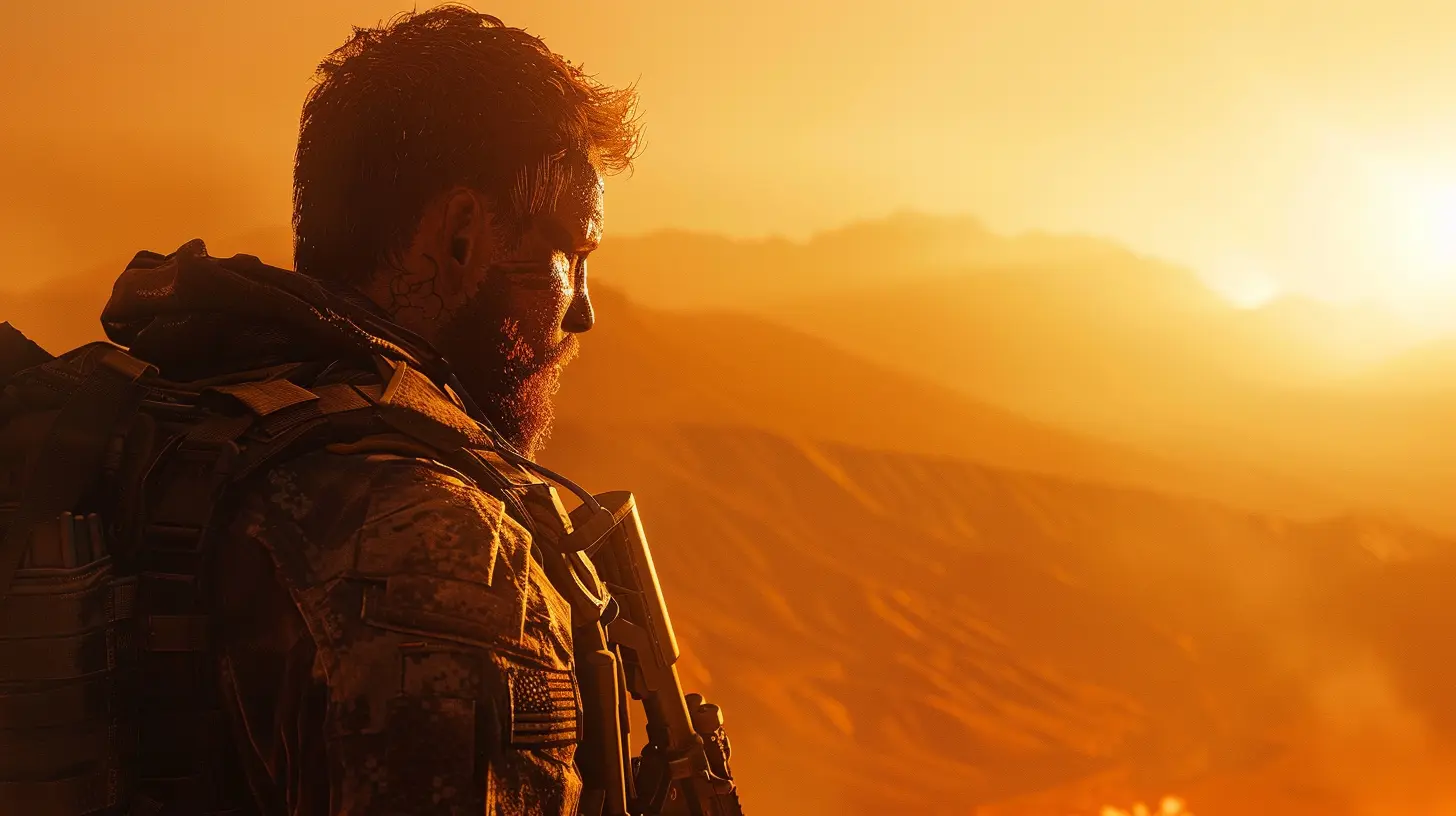
Konrad: Real or Imaginary Villain?
Let’s dig into Konrad a bit more. The version of Konrad you interact with throughout the game is actually a construct—Walker’s way of shifting the guilt off his shoulders. Think of him less like an antagonist and more like Walker’s twisted conscience, wearing a familiar face.It’s the ol’ “angel vs. devil on the shoulder” routine—except the devil’s been living rent-free in Walker’s mind.
Dialogues between Walker and "Konrad" serve as internal debates. The final confrontation is symbolic: Walker versus his guilt. There’s real power in that moment when Walker realizes Konrad’s been dead—it's the moment he has to face himself.
Let’s Talk About That White Phosphorus Scene
Remember that gut-wrenching scene with the white phosphorus?You’re told you need to clear out a heavily fortified area to progress. The only way? Dropping white phosphorus from a mortar. Midway, the camera eerily zooms in on Walker’s reflection in the screen—something feels…off. And when the dust settles, you realize you’ve incinerated not just enemy combatants, but civilians—people who were trying to get away from the conflict.
It’s brutal. It’s haunting. And it’s 100% preventable—except not in the game.
Here’s the messed-up part: you have to do it to move forward. The game wants your finger on the trigger. It wants you to feel responsible.
Why? Because it’s underlining a key idea: You’re not just following orders. You’re choosing what kind of player—what kind of person—you are.
The Player Is the Real Target
This might sound wild, but Spec Ops: The Line doesn’t just twist the story—it twists the entire shooter genre.Most military shooters glorify war. They reward you for kill streaks, hand you medals, and play triumphant music after missions. But Spec Ops? It guts you. It makes you sick with what you’ve done. It hands you a controller, then holds up a mirror, saying, “This is what you asked for.”
And here’s where it gets philosophical.
By playing the game, you enable the horrors. You press forward, even when it’s clear everything’s falling apart. You could’ve turned the console off. But you didn’t. That moment of reflection—when you realize you’ve been part of the problem—is the game’s true twist.
Multiple Endings: Which One Is Real?
When you finally ‘defeat’ Konrad (i.e., face the truth), the game gives you choices—and they’re all morally drenched in grey.Here are the end scenarios:
1. Suicide – Walker accepts guilt and ends his life.
2. Suicide with Konrad’s voice – Another version of the first, with Konrad goading him into it.
3. Survival and Evacuation – Walker lives and is rescued, but lies to the rescuers, saying he survived Konrad's horrors.
4. Final Shootout – In an even darker twist, Walker snaps completely and kills the rescue team.
None of these endings are “good.” They’re all consequences of Walker’s descent, and by extension, the player’s choices.
It’s rare for a game to strip away the notion of a happy ending like this. But Spec Ops insists: war isn’t about winners and losers—it’s about survivors and what they become.
Why This Twist Matters in Gaming
Spec Ops: The Line isn’t just remembered for having a twist. It’s remembered because it uses the twist to say something.Most games handwave away the violence. They make you feel like a superhero, even when you're mowing down hundreds of people. Spec Ops refuses to do that. It weaponizes choice, then turns around and questions your motives. It’s the closest a video game has come to an anti-war film like Apocalypse Now or Full Metal Jacket.
It forces us to think: “What exactly are we looking for in our entertainment?”
Are we okay with being heroes only when the game tells us we are? Or does true heroism lie in questioning the path we’re being led down?
The Unreliable Narrator: A Masterstroke of Storytelling
Using Walker as an unreliable narrator is such a genius move, it practically deserves a standing ovation. You trust him because he’s the protagonist. He’s your guide. Your avatar.But as the story progresses and his mind breaks down, your trust shatters too. You start realizing you can’t believe what you’re seeing. Flashbacks, hallucinations, distorted radio messages—it’s all there to keep you off balance.
And it works brilliantly.
It’s like being in a dream that slowly turns into a nightmare, only you didn't notice it happening.
The Real Enemy: Denial
Here’s the final kicker.The real villain in Spec Ops: The Line isn’t Konrad. It’s not the 33rd. It’s not even Walker.
It’s denial.
The denial of responsibility.
The denial of truth.
The denial that war changes people—and not for the better.
Every step of the game reveals how far someone will go to avoid accepting what they’ve done. It's a slow, horrifying descent into self-deception. That’s what makes the ending hit so hard. It’s not some twist for shock value—it’s a devastating reveal about the human psyche.
Conclusion: Where Do We Go From Here?
Spec Ops: The Line didn’t explode at launch—it was more of a quiet storm. But today, it’s hailed as one of the most important narrative games ever made.Not because it tries to entertain, but because it tries to challenge.
So the next time a game hands you a gun and says, “Go be the hero,” you might just pause. You might think: “Am I still the good guy?”
And honestly? That’s the kind of question more games should be asking.
all images in this post were generated using AI tools
Category:
Game Endings ExplainedAuthor:

Pascal Jennings
Discussion
rate this article
2 comments
Carla Huffman
Spec Ops: The Line masterfully subverts expectations, using its twist ending to challenge players' morals and choices. It transforms a standard shooter into a profound commentary on war and responsibility.
December 18, 2025 at 3:41 PM
Pascal Jennings
Thank you! I'm glad you appreciated the game's depth and its exploration of moral dilemmas in warfare. The twist truly reshapes the player's experience and understanding of their actions.
Clarissa Jennings
Such a mind-bending twist! It really shifts your perspective on choices in gaming. Truly unforgettable!
December 14, 2025 at 5:23 PM
Pascal Jennings
Thank you! I’m glad you enjoyed the twist and its impact on gaming choices!