The Fine Line Between Challenge and Frustration
29 January 2026
Ever rage-quit a game because of a boss fight that seemed downright unfair? Yeah, we’ve all been there.
Gaming, at its core, is supposed to be fun. But what happens when that “fun” starts feeling like a chore? That fine line between challenge and frustration is something every gamer has tiptoed — whether you’re into punishing soulslikes or chilled-out puzzlers. So let's dive into what really separates a satisfying challenge from maddening gameplay, and what both developers and players can learn from understanding that balance.
Why Games Need to Be Challenging
Let’s face it — if a game’s too easy, it's boring. You blow through it, roll credits, and move on, barely remembering what happened in between.Challenge adds spice. It forces you to think, adapt, and improve. Remember the first time you beat a hard level in a game that had you stumped for days? That rush of victory? That hit of dopamine? That’s what challenge is for. It’s the fuel for replayability, storytelling impact, and, honestly, bragging rights.
So, games need to be challenging — but just the right amount.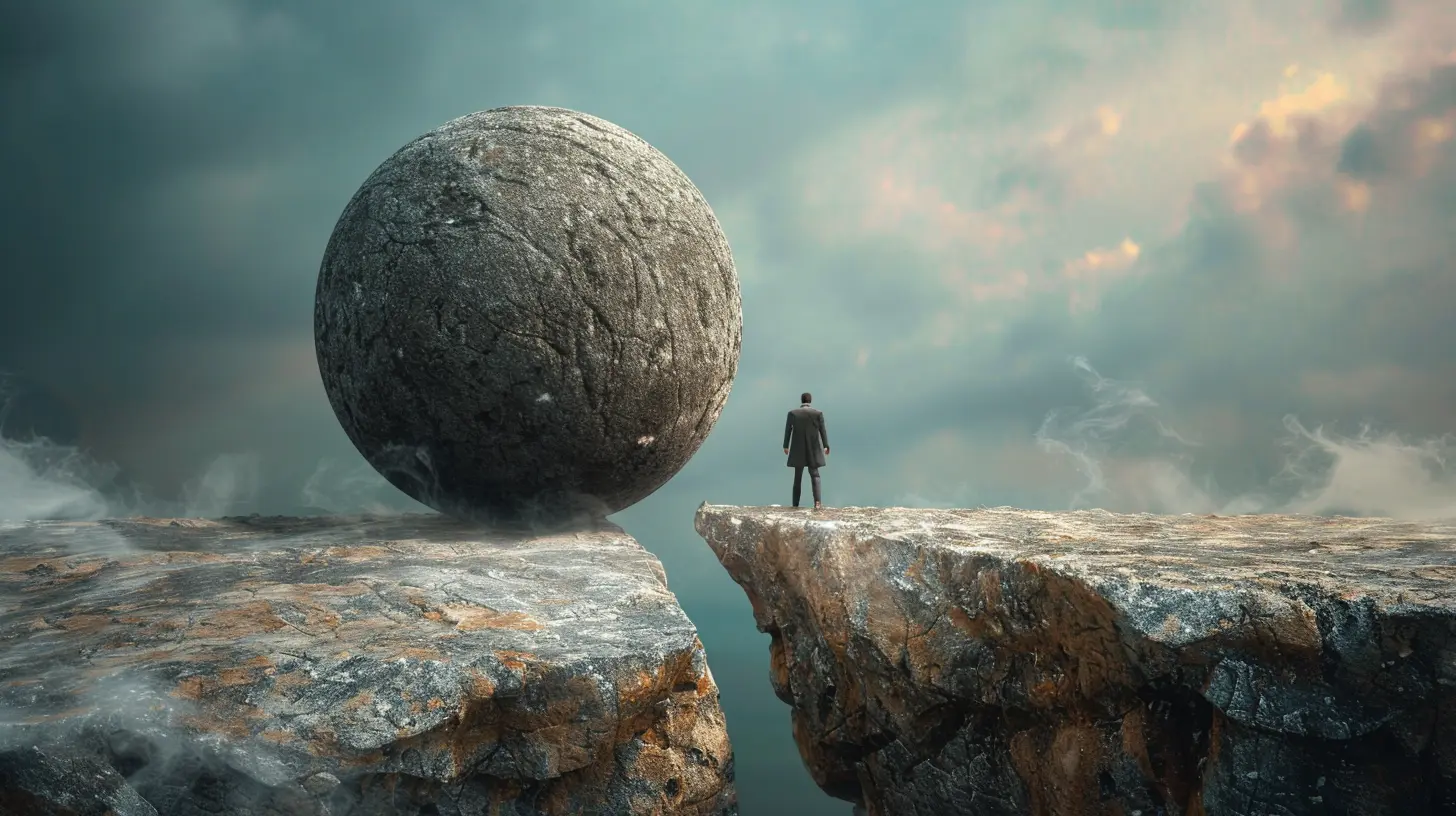
When Challenge Crosses the Line
Here’s where things get tricky. What’s “challenging” to one player might be “completely broken” to another. So how do we define when a game crosses that invisible line into frustration?Some key red flags:
- Unfair mechanics: RNG bosses, one-hit kills with little warning, inconsistent hitboxes — the stuff that makes you question your gaming skills and your life choices.
- Repetitive punishment: Dying repeatedly because of poorly explained mechanics or forced trial and error isn’t fun — it’s exhausting.
- Pacing issues: Dramatic spikes in difficulty can kill the flow. One minute you’re coasting, the next, your controller’s flying across the room.
- Lack of progress feedback: When a game doesn’t make it clear if you’re improving or just spinning your wheels — yeah, that’s frustrating.
Frustration usually shows up when the game stops respecting your time and effort.
It's Not About Easy vs. Hard — It's About Fair
Let’s bust a myth real quick: Challenging games are not inherently frustrating, and easy games aren’t automatically better. The key lies in design.Look at games like Dark Souls or Celeste — both infamously hard, yet widely praised. Why? Because they’re fair. They teach you their rules and demand that you play smarter, not harder. Every death is a lesson, not a punishment. And when you finally overcome that tricky section or towering boss? It feels earned.
Now compare that to a game where enemies spawn behind you out of nowhere, or that freezes mid-battle, making you lose progress. That's not challenging — that’s just bad design.
The Psychology Behind Challenge and Frustration
Let’s nerd out for a second.There’s a term in game development called "flow", introduced by psychologist Mihaly Csikszentmihalyi. It's that sweet spot where the game perfectly matches your skill level. You're totally immersed — not bored, not stressed. Just in the zone.
When a game is too easy, you slide into boredom. Too hard, and you spike into anxiety and frustration. The best games dance on that line, adapting to keep you in the flow for as long as possible.
Think of it like a tightrope walk: excitement on one side, despair on the other.
Game Design: Striking the Right Balance
Great games don’t guess where that line is — they design around it.Here are some smart game design moves that keep challenge in check:
1. Gradual Difficulty Scaling
You can’t drop players into the deep end from minute one. Good games ease you in, teaching mechanics before demanding mastery. Think Portal or Hollow Knight — they start simple and build complexity layer by layer.2. Clear and Consistent Rules
If players understand the “rules of engagement,” they’ll accept failure more easily. But random, unpredictable mechanics? That’s a no-go. Games like Hades thrive because you always know your mistakes and how to fix them next time.3. Checkpoints and Retry Systems
Long, punishing setbacks kill motivation. Smart checkpoint placement keeps challenge high but frustration low. No one wants to repeat 20 minutes of gameplay because of a five-second misstep.4. Accessibility Options
It’s not about dumbing games down — it’s about letting more players enjoy them. Assist modes, aim aids, and even “skip” options can tailor the experience without watering it down for those chasing the hardcore route.5. Feedback Loops
Visual cues, sound effects, and other subtle signals all reinforce learning. They tell your brain: “Hey, you’re improving!” Without them, everything feels like a slog.The Player's Role: Know Thyself
Hey, not all blame rests with the devs. As players, we need to understand what style of challenge we enjoy.Are you the type who thrives on trial and error? Or do you prefer puzzles that reward careful planning? Figuring out your own comfort zone can prevent a lot of unnecessary rage.
Also, when frustration hits, sometimes the best move is to walk away. Take a break. Come back with fresh eyes. That boss fight that felt impossible? Suddenly beatable after 20 minutes of fresh air.
Competitive vs. Casual: Different Expectations
Challenge wears different faces depending on the genre.In competitive games like League of Legends or Valorant, the challenge comes from other players. That dynamic is always shifting, and frustration can stem from bad matchmaking, toxic teammates, or personal tilt.
Casual or narrative-driven games, on the other hand, depend heavily on game mechanics and pacing to set the right difficulty level. A sudden, jarring spike can ruin immersion.
The expectations are totally different. That’s why difficulty in games isn’t one-size-fits-all.
When Frustration Becomes the Point
Here’s a curveball — some games want to frustrate you. Think rage games like Getting Over It or Jump King. Their purpose is to test your patience. The fun comes from pushing past ridiculous setbacks with sheer stubbornness.But the difference? They're upfront about it. You know what you're signing up for. That transparency creates buy-in. The rules are clear: you will suffer, and it will be hilarious.
In those cases, frustration is the challenge.
The Importance of Player-Centric Design
Designing for the player doesn’t mean making it easy. It means being respectful. Respecting their time, their effort, and their intelligence.Some games make it feel like the odds are against you, but also like you're capable of defying them. That’s the sweet spot. That’s where the magic happens.
And good devs get it. They study player data, feedback, and pain points to fine-tune that balance. Because nothing kills a game faster than a player who gives up — not from difficulty, but from not knowing whether it's worth sticking with.
Community and Challenge
Let’s not ignore the social side of gaming. Forums, guides, and video walkthroughs can ease frustration by creating a shared experience. Struggling alone can feel isolating — but struggling together? That’s bonding.Think of how many games turned into cult classics because of their difficulty and because of communities that rallied around them.
When challenge becomes communal, frustration becomes camaraderie.
Final Thoughts: It’s a Dance, Not a War
The fine line between challenge and frustration isn’t about making games easier. It’s about making them better. Balanced design, respect for the player, and clear feedback all help nudge players toward mastery, not madness.So next time a game pushes you to your limits, ask yourself — is it challenging me, or is it just messing with me?
And if it’s the latter… maybe it’s time to find a game that dances with you, not against you.
all images in this post were generated using AI tools
Category:
Game BalancingAuthor:

Pascal Jennings
Discussion
rate this article
2 comments
Kylie Oliver
Thank you for this insightful article! You’ve captured the delicate balance between challenge and frustration in gaming perfectly. It's fascinating how a well-designed difficulty curve can enhance the experience, while excessive difficulty can detract from enjoyment. Looking forward to more discussions on this topic!
January 31, 2026 at 4:50 PM
Pascal Jennings
Thank you for your kind words! I’m glad you found the article insightful. I look forward to more discussions on this important topic!
Jett Warner
In the dance between challenge and frustration, game designers wield the power to shape player experiences. A well-crafted challenge ignites motivation and growth, while excessive difficulty can extinguish joy. Striking this balance is an art, reflecting the delicate interplay of resilience, skill, and the pursuit of mastery.
January 30, 2026 at 4:54 AM
Pascal Jennings
Thank you for your insightful comment! Balancing challenge and frustration is indeed crucial in game design, as it directly impacts player engagement and satisfaction.