How the Ending of Assassin’s Creed Odyssey Ties It All Together
29 May 2026
Ah, Assassin’s Creed Odyssey—the game that gave us more side quests than actual days in a year, a dialogue system that lets you flirt with anything that breathes (and occasionally things that don't), and a storyline that felt like the lovechild of a Greek tragedy and a Netflix drama. But let’s be honest, if you made it to the end of this beast of a game, you probably asked yourself: “Wait... what just happened?” Well, buckle up, misthios, because we’re going to unravel how the ending of Assassin’s Creed Odyssey ties it all together—or at least pretends to.
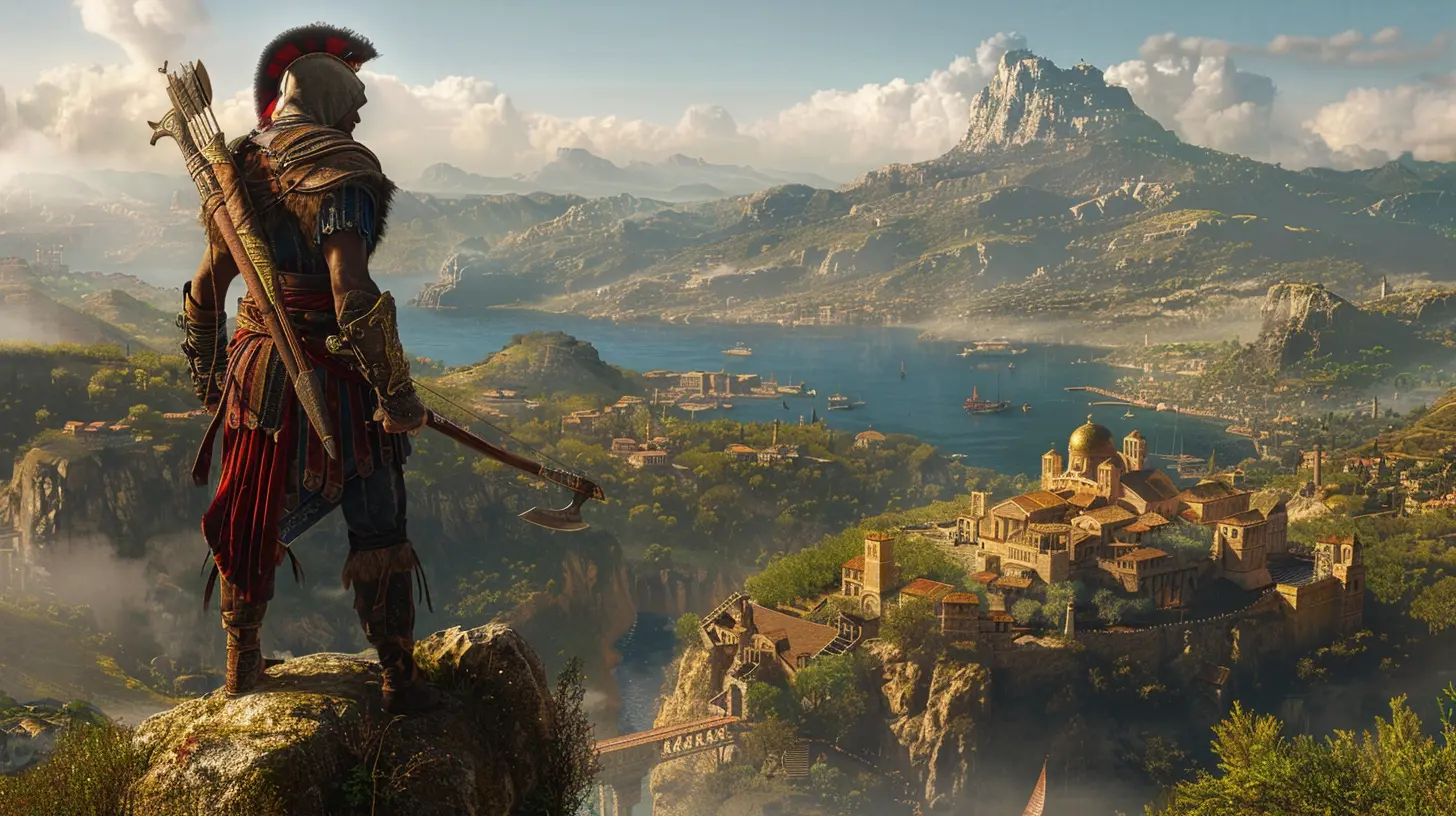
Buckets of Storylines and One Overarching Plot (Somewhere)
Assassin’s Creed Odyssey isn’t just a game. It’s a lifestyle. With its sprawling map, mythological creatures, and the ability to kick people off cliffs like you're auditioning for 300: The Musical, it’s easy to forget there’s an actual plot under all that grease and glory.But let’s not kid ourselves. Odyssey has not one, not two, but three main threads:
- The Family Drama (Greek edition—complete with lost siblings, tragic pasts, and good ol’ patricide).
- The Cult of Kosmos (because what's an Assassin’s Creed game without a secretive, over-dramatic order?).
- And of course, the Isu nonsense (ancient aliens in togas, basically).
And by the end, somehow, the game manages to tie all three threads into one big philosophical knot. You may not have seen it coming, but it’s there... sort of.
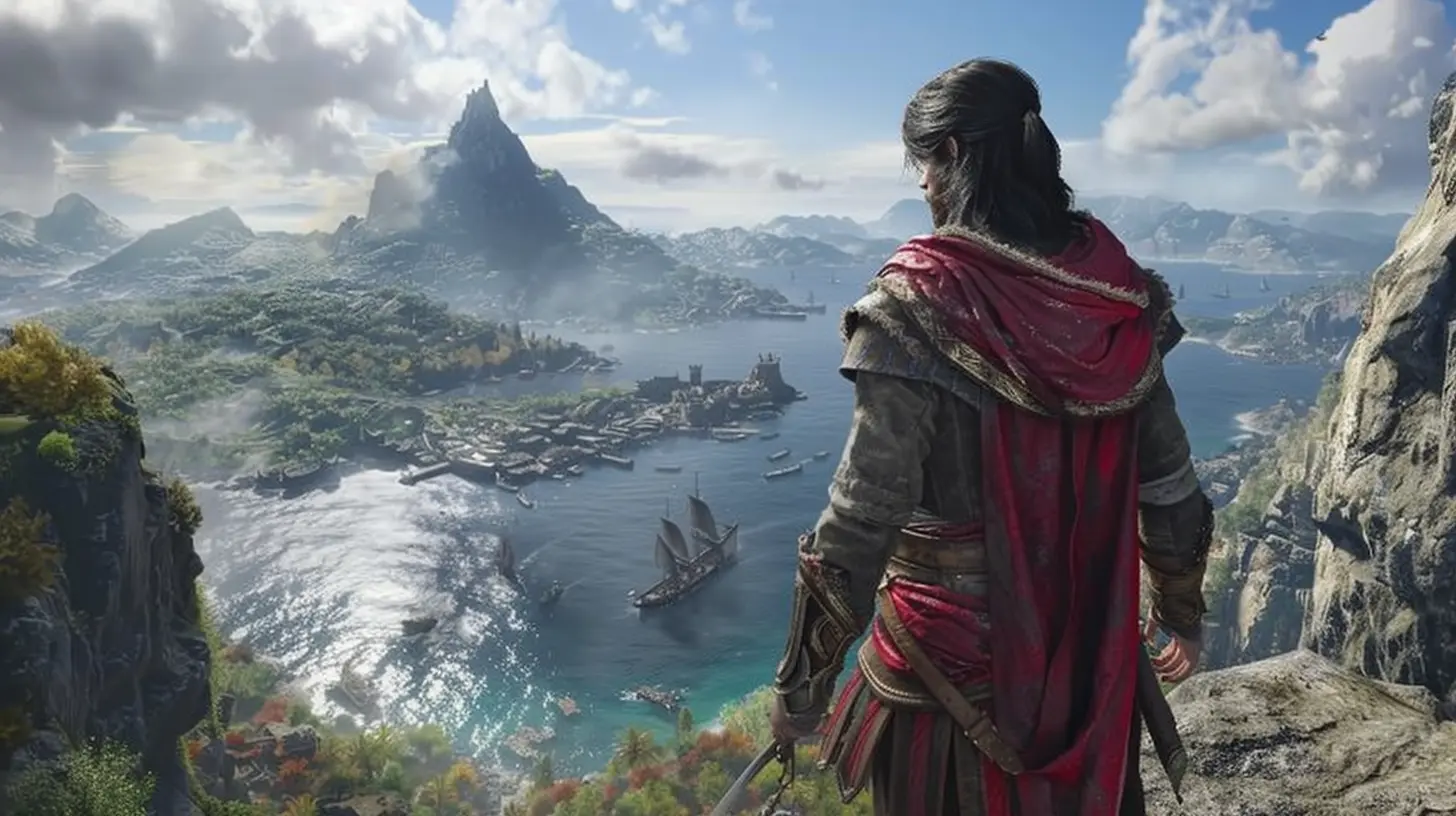
The Family Feud: More Soap Opera Than Spartan Tale
Let’s start with the heartstrings—the family plot. You either played as Alexios or Kassandra (and if you didn’t pick Kassandra, I have questions), tasked with reuniting a splintered family torn apart by prophecy, paranoia, and—oh right—your dad throwing you off a mountain.By the time you hit the final scenes of this arc, you’ve either:
- Reconciled with your long-lost brother who either tried to kill you or joined you for a family hug...
- Forgiven your mother, Myrrine, for letting the whole mountaintop incident slide...
- Or wiped them all out because you were just done with the drama.
Whichever path you took, there's one common theme: choice. The game doesn't just pretend your decisions matter—it throws them in your face like a Spartan boot to the gut. And the ending? It reflects whether you turned into a hero of legend or a cautionary tale told by tavern bards.
So yes, the family storyline is the emotional backbone of Odyssey. It grounds the chaos. It gives us something to care about beyond loot and XP. And in a poetic sense, it's the game’s way of showing that even amidst war and conspiracy, family still tops the loot pile.
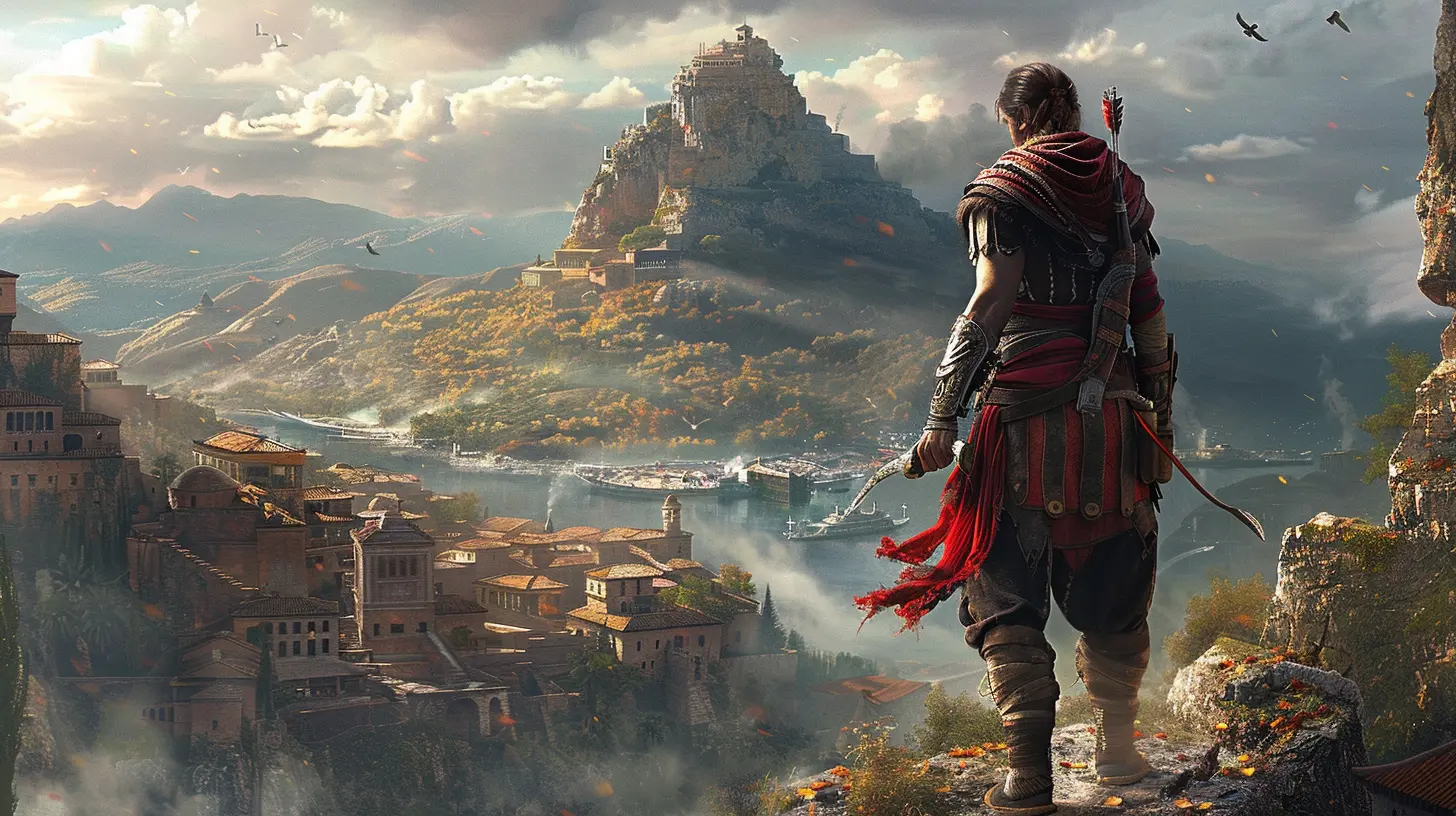
The Cult of Kosmos: Because Every Game Needs a Secret Club of Evil People in Hoods
Now, let’s talk about the Cult of Kosmos. You spend the better half of Odyssey stabbing your way through a flow chart of masked maniacs with names like "The Ghost of the Cosmos" because subtlety died somewhere on Kephallonia.This secret society, obsessed with controlling the Greek world through manipulation, money, and mayhem, is essentially the early form of the Templars. Yep, the same shady bunch that pops up in every Assassin’s Creed installment doing their best “we’re totally not the bad guys” impersonation.
The kicker here? They're not just political saboteurs. They're also the reason your family got torn apart. Drama level: Greek Tragedy x 10.
But wait, there’s more. You don’t just kill them for vengeance; you dismantle their twisted ideology. And if you track down every last member, you get the big reveal: The “Ghost of Kosmos” is actually a family member! Dramatic irony much?
Ultimately, the Cult storyline is where the game begins connecting to the wider Assassin's Creed mythos. You start to understand the roots of the Templar philosophy, and the groundwork gets laid for future conflicts. So yeah, stabby stabby for a cause. Totally worth it.
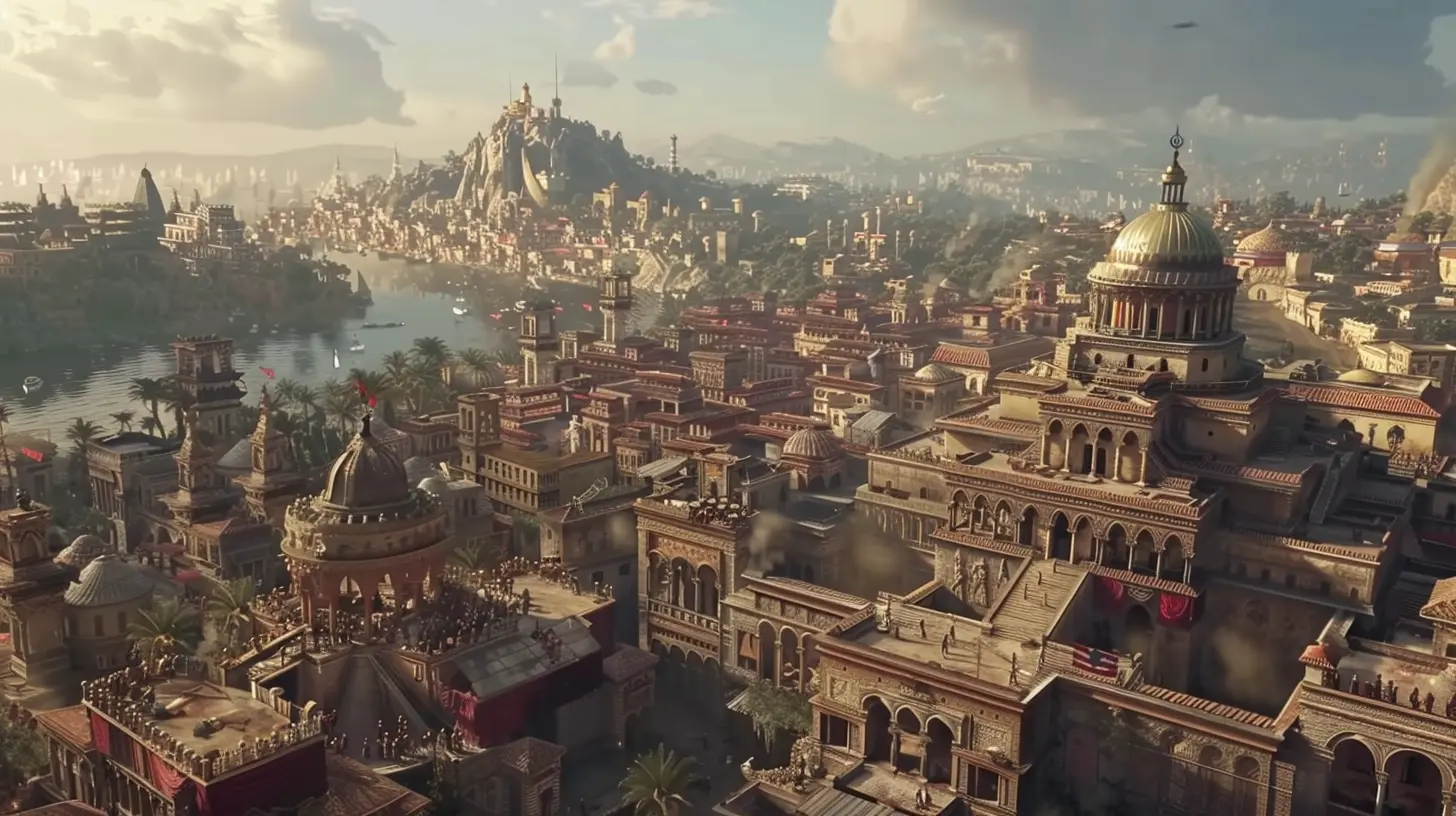
Isu, Pieces of Eden, and Enter the Sci-Fi Stuff
Ah yes. The Isu. No Assassin’s Creed game is complete without a totally over-the-top subplot involving ancient tech, gods-that-aren’t-gods, and more glowing artifacts than you can throw a spear at.Throughout Odyssey, the Isu plot quietly simmers in the background until it slaps you across the face with the Atlantis DLC or the shocking ending where you become... wait for it... the Keeper of the Staff of Hermes Trismegistus. Try saying that five times fast.
In a twist that makes the Matrix look like child’s play, you find yourself in Atlantis, holding onto a staff that grants immortality. Yes, Kassandra or Alexios becomes a 2,000+ year-old immortal, waiting for the modern-day characters to show up. That's dedication. Or madness. Still debating.
This ties directly into the modern-day storyline where Layla Hassan, our favorite Assassin-turned-rogue scientist, steps in for a share of the action. By passing the staff on to Layla, our hero ensures that the knowledge of the Isu and the First Civilization doesn’t get lost—just misused. Classic.
So, yeah, you went from misthios to immortal guardian of ancient alien tech. No big deal.
But Wait—There’s Modern-Day Too!
We can’t ignore the modern-day bits, even though most of us probably hit the “skip” button faster than Hermes can blink. But here's the tea: the events of Odyssey set up some HUGE developments in the Assassin's Creed universe.Layla, who was introduced in Origins, becomes super-powered, a little unhinged, and debatably the future savior—or destroyer—of the world. Thanks, Kassandra/Alexios.
The ending isn’t just the conclusion of your Greek escapades; it’s a pivot point for the entire franchise. Ubisoft didn’t just connect dots—they drew a new constellation. Whether that constellation makes sense, however, is up for debate.
Everything Ties Together... Like a Toga Made of Loose Threads
Now for the big question: Does the ending of Assassin’s Creed Odyssey actually tie it all together?Well... yes and no.
Yes, because:
- The family plot wraps up based on your choices—emotional closure alert!
- The Cult storyline connects directly to the Templars.
- The Isu tech leads right into the modern-day narrative.
- The staff of immortality explains how your character survives for literal millennia.
But also no, because:
- The tonal shift from historical drama to sci-fi bonanza is... jarring.
- The game expects you to care about Layla without giving her nearly enough screen time.
- And let’s not even get started on how the Atlantis arc feels like its own separate game entirely.
Still, in a weirdly satisfying way, Assassin’s Creed Odyssey manages to juggle a Greek epic, an existential sci-fi tale, and a very personal revenge quest—without dropping (too many) balls.
Final Thoughts: Odyssey’s Ending Is Like Greek Wine—Complicated, Bold, and a Little Unfiltered
If you were hoping for a clean, tidy bow at the end of this 100+ hour journey, then, well... bless your optimistic heart. Odyssey’s ending is messy, emotional, mythological, and philosophical. It’s a Greek salad of genres and themes—topped with extra feta (the Isu nonsense).But you know what? That’s what makes it memorable.
It doesn’t just end your story—it transforms your character from a mere misthios into a legendary figure woven into the Assassin’s Creed tapestry. You don’t retire; you evolve. And if that’s not peak video game storytelling, I don’t know what is.
So the next time someone says, “Wait, what even happened at the end of Odyssey?” just smile and say, “Everything. And nothing. It's Greek, baby.
all images in this post were generated using AI tools
Category:
Game Endings ExplainedAuthor:

Pascal Jennings
Discussion
rate this article
2 comments
Yvonne McKibben
I love how Assassin's Creed Odyssey connects so many threads from previous games. The ending really brings the series full circle. I wonder how players reacted to those revelations. Did it change their perspective on the franchise as a whole?
July 12, 2026 at 3:29 PM
Ivy Mason
Great insights on the ending! It really does tie the story together beautifully.
June 3, 2026 at 3:06 PM
Pascal Jennings
Thank you! I'm glad you enjoyed the analysis. The ending really does bring everything full circle.