How Strategy Shapes the Outcome in Modern War Games
5 December 2025
Have you ever sat down to play a war game, laid out your troops, and thought to yourself, "Yeah, I'll just wing it"? Spoiler alert: if you have, chances are you didn’t last long. Modern war games aren’t just about flashy graphics, adrenaline-pumping battles, or hordes of enemies. They’re about strategy—pure, unfiltered, brain-burning strategy. These games teach us one thing above all: brute force might win a battle, but strategy wins the war.
And here's the kicker—strategy isn’t just a sprinkle-on-top element for these games. It’s baked into their very DNA. The choices you make, the plans you execute, and the strategies you adapt (or fail to adapt) shape the entire outcome. Let’s dive into how exactly strategy makes or breaks your game in the world of modern war games.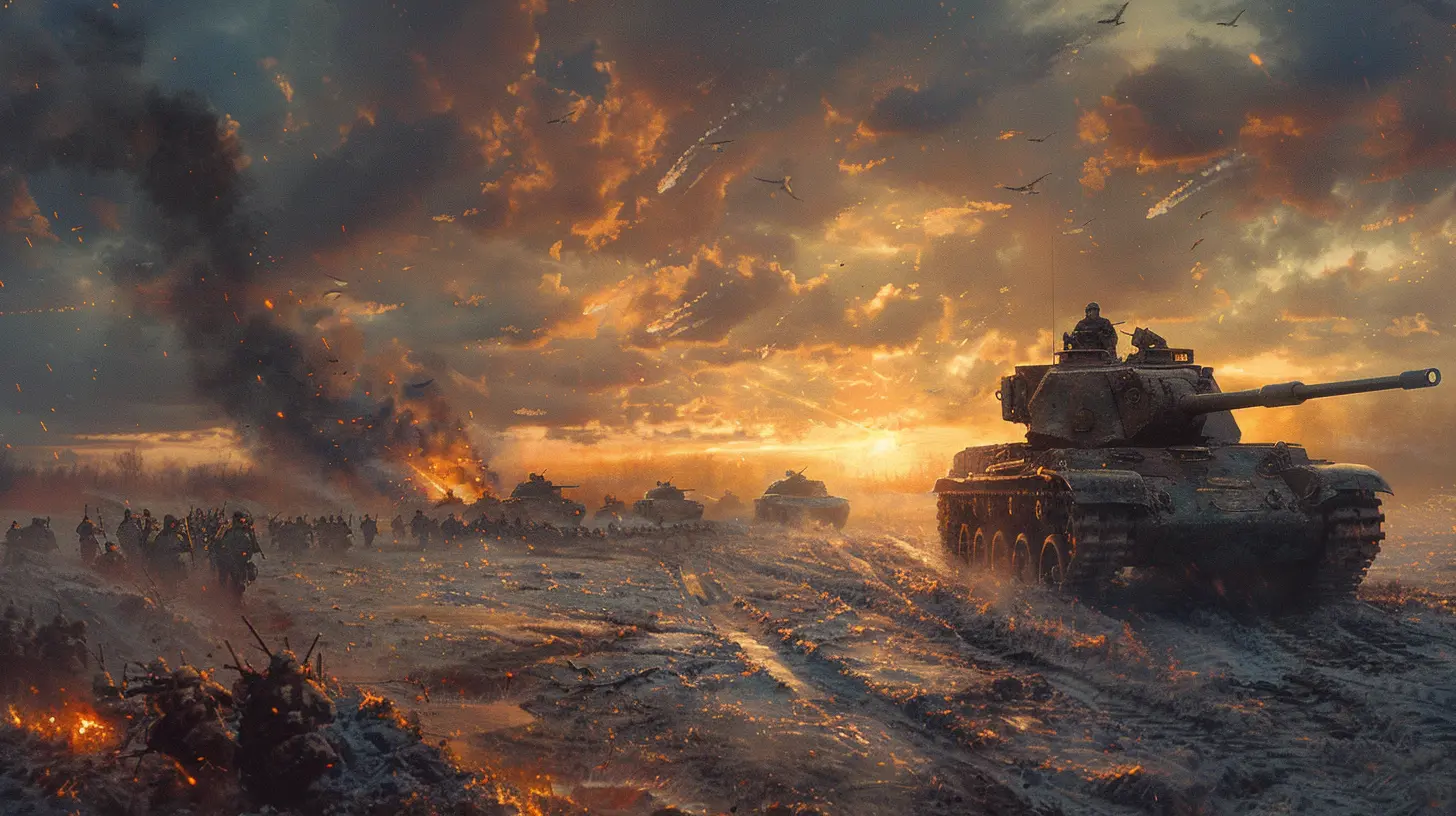
The Role of Strategy in War Games: More Than Just Tactics
Picture this: you're in the middle of an intense campaign in a game like Total War: Warhammer III or Civilization VI. The enemy is bearing down, and it feels like the walls are closing in. What do you do? Run headfirst into battle, hoping sheer numbers will save the day? Or do you pull back, regroup, and outmaneuver your opponent with a calculated plan?Strategy is the foundational pillar in modern war games. While tactics involve short-term decisions—like setting up ambushes or choosing the right unit for combat—strategy is the long-term blueprint guiding every move you make. Think of it as the chessboard of war gaming, where every piece and move has to align with your overall vision.
Without strategy, you’re essentially playing darts in the dark. Sure, you might hit the bullseye now and then, but you’ll mostly be stumbling around, hoping for luck to bail you out. And honestly? Luck has a terrible track record in war games.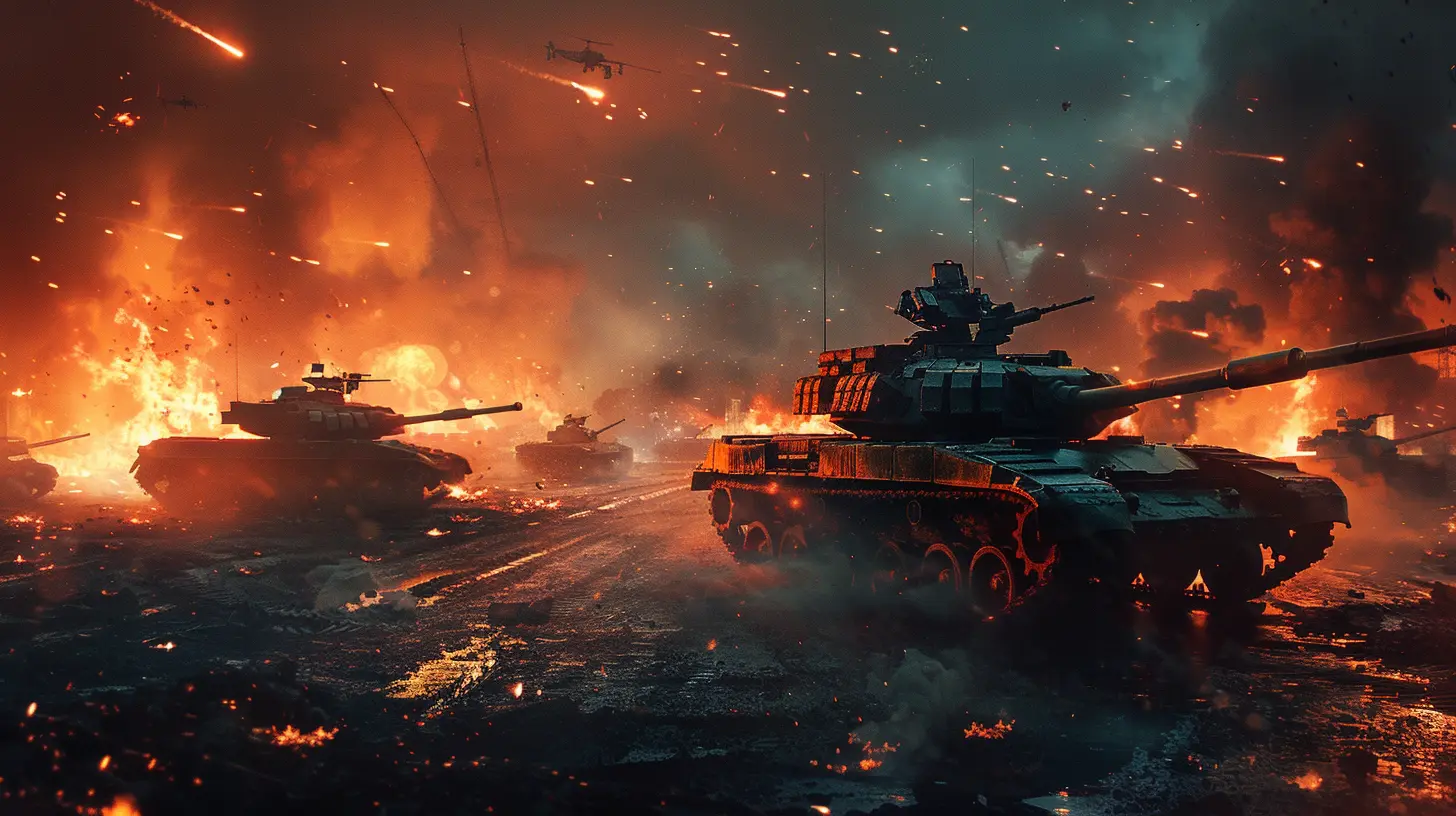
From Micromanagement to Grand Strategy: The Spectrum of Modern War Games
Modern war games come in all shapes and sizes. Some focus on nitty-gritty micromanagement, while others embrace sweeping, grand-scale strategies. Let’s break this down a bit.1. Micromanagement: The Devil’s in the Details
Games like Starcraft II or Company of Heroes are all about micromanagement. You need to manage resources, control individual units, and make split-second decisions to stay ahead. In these games, strategy can mean deciding whether to prioritize building up your economy or investing in a powerful early offense.Micromanagement-heavy games test your ability to think on your feet—and they reward players who can execute their strategies in a fast, precise manner. It’s like spinning plates while solving a Rubik's Cube; one wrong move, and everything can come crashing down. But when you pull it off? Absolute satisfaction.
2. Grand Strategy: Thinking Big Picture
On the flip side, games like Europa Universalis IV or Hearts of Iron IV demand a more big-picture approach. These are sandbox-style games where you’re not just controlling armies but managing politics, economies, alliances, and even public opinion. In these games, a good strategy might involve forging alliances, avoiding unnecessary wars, or biding your time for the perfect moment to strike.Think of grand strategy as a 10,000-foot view of warfare—it’s less about reacting to what’s in front of you and more about planning for what’s to come. These games reward patience and foresight, punishing impulsive decisions mercilessly. It’s a bit like a game of Risk, but on steroids.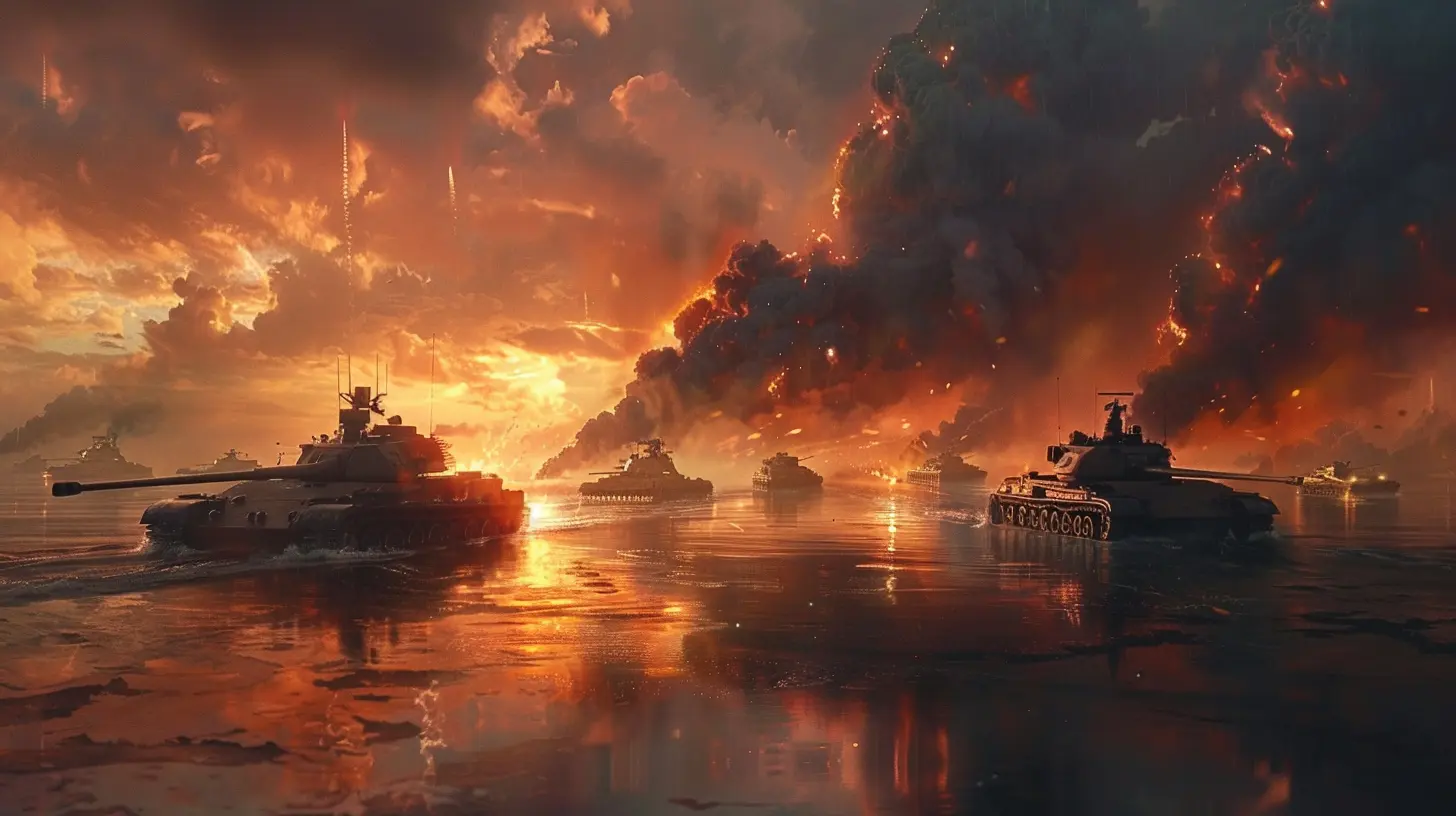
Why Strategy Matters: Adaptability is King
The beauty of war games lies in their unpredictability. No matter how carefully you plan, things rarely go the way you expect. An enemy might surprise you with a sneak attack, an ally might betray you, or an entire flank of your army might crumble like a house of cards.This is where the real power of strategy comes into play—adaptability. War games teach you to pivot when your plans fall apart and to think two, three, even four steps ahead. It’s like playing poker with a constantly changing deck; the best players aren’t the ones with the strongest hand but the ones who know how to read the table and adjust their strategy.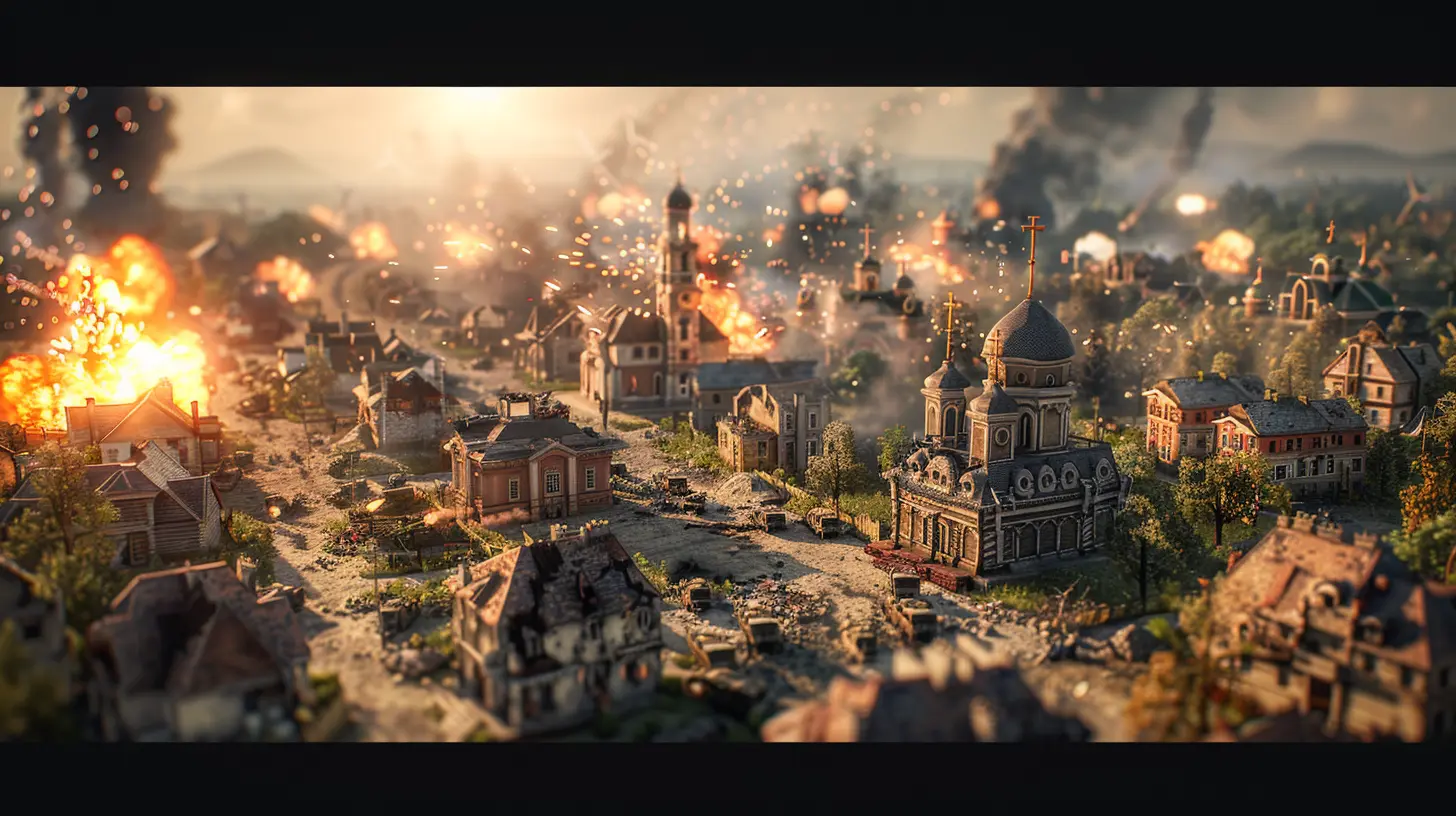
Common Strategic Pitfalls (And How to Avoid Them)
Even seasoned players can fall victim to strategic blunders. Let’s quickly run through some common mistakes and how to avoid them.1. Tunnel Vision
Focusing too much on one goal—like building a massive army or capturing a specific territory—can leave you exposed elsewhere. Always keep an eye on the bigger picture.2. Overconfidence
Just because you’re winning doesn’t mean you’re invincible. Overextending your resources or underestimating your opponent can lead to a swift downfall.3. Neglecting Economy and Resources
In games like Age of Empires IV or Warcraft 3, your economy is your lifeline. Spend too much on troops, and you’ll find yourself unable to defend against a well-timed counterattack.4. Ignoring Intel
Knowledge is power. Failing to scout or gather intel on your opponent’s movements is like walking into a dark alley blindfolded. Nothing good will come of it.The Psychology of Strategy: Playing Mind Games
Let’s take a step back and talk about what strategy means beyond the battlefield. War games are as much about psychology as they are about mechanics. A well-timed feint, a clever bluff, or an unexpected move can rattle your opponent and throw them off their game.Some games even let you manipulate the AI’s behavior. For example, in Total War games, you might deliberately bait the enemy into attacking a weakly defended region, only to spring a trap. Strategy isn’t just about outsmarting your opponent—it’s about outthinking them.
Modern War Games as a Learning Tool
This might sound a bit over the top, but war games aren’t just entertainment; they’re also a fantastic way to develop real-world skills. Hear me out. Playing these games enhances decision-making, critical thinking, and even leadership. They require you to weigh pros and cons, manage limited resources, and plan for outcomes—all skills that translate surprisingly well to real life.Imagine being in a high-pressure work meeting, and you’re the one who stays calm and crafts a solution while everyone else panics. You know where you learned that? Not in a stuffy seminar, but while leading an imaginary army to victory.
The Future of Strategy in War Games
As technology continues to evolve, so do war games. AI is becoming smarter, creating more challenging opponents. Multiplayer modes are increasingly collaborative, forcing players to coordinate strategies with others. And with the rise of VR, war gaming is moving into a whole new level of immersion.But one thing remains constant: the importance of strategy. No matter how fancy the graphics get or how advanced the gameplay becomes, the ability to think strategically will always be the heart of these games.
Closing Thoughts: It’s All in the Plan
So, there you have it. Whether you’re a seasoned war gamer or someone just dipping a toe into the genre, remember this: modern war games are a mental battlefield as much as a digital one. Strategy is the compass that guides you, the engine that drives your decisions, and the secret sauce that separates the victors from the defeated.And hey, the next time someone questions your hours spent on games, just tell them you’re honing your strategic thinking. Who needs a chessboard when you’ve got a virtual battlefield?
all images in this post were generated using AI tools
Category:
War GamesAuthor:

Pascal Jennings
Discussion
rate this article
2 comments
Finn Mercado
Oh sure, just sprinkle some strategy on chaos and watch the magic happen—so easy, right?
December 8, 2025 at 5:25 PM
Pascal Jennings
Absolutely, strategy is essential for navigating chaos; it transforms potential into success.
Eleanor Stone
Strategy truly defines victory!
December 8, 2025 at 4:06 AM
Pascal Jennings
Absolutely! Strategy is crucial—it determines not just the approach, but ultimately the success or failure in modern war games.