How Gaming Leagues Are Building Global Communities
28 January 2026
Gaming isn’t just about blowing things up and leveling up anymore. It’s an entire universe that’s connecting millions of people across the globe. And at the heart of this exciting world? Gaming leagues. Whether it's a high-stakes international tournament or a weekend community throwdown, gaming leagues are doing something bigger than just crowning champions—they're building global communities.
So, how exactly are these virtual battlegrounds shaping real-world connections? Let’s dive in and unpack how gaming leagues are becoming the new digital town square.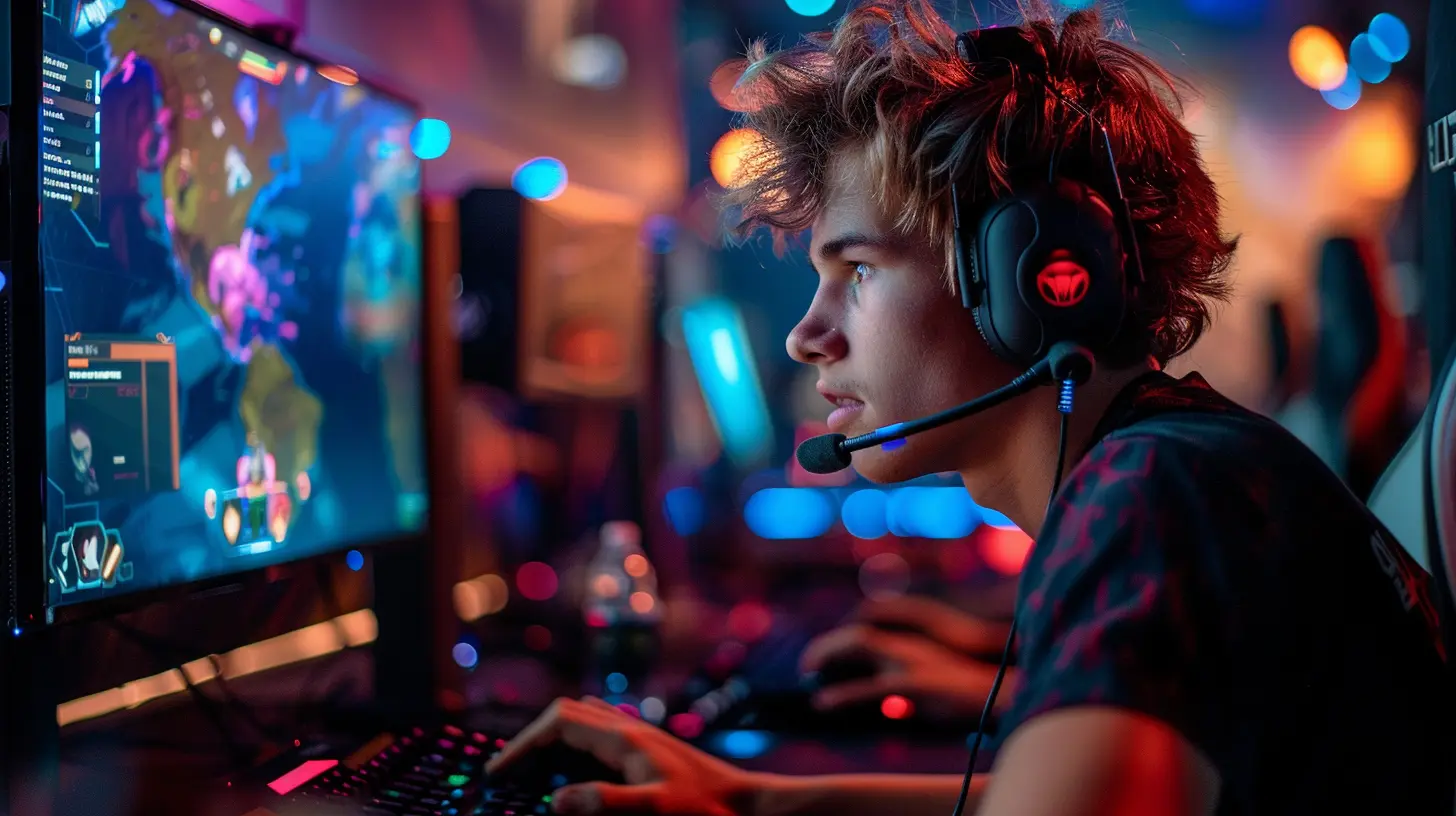
The Evolution of Competitive Gaming
Let’s go back a bit. Just a couple of decades ago, gaming was mostly a solo mission. You’d pop in a CD, boot up your PC or console, and dive into a world alone—or maybe with a sibling or friend hogging Player Two.Fast-forward to today, and gaming is a global stage. With the rise of online multiplayer platforms, broadband internet, and streaming tech, competitive gaming has evolved into a massive, interconnected ecosystem. And what’s leading the charge?
Gaming leagues.
These aren’t your backyard LAN party tournaments. We’re talking about multi-million-dollar events, sponsored by tech giants, broadcast on platforms like Twitch and YouTube, and followed by fans the same way traditional sports fans keep up with football or basketball.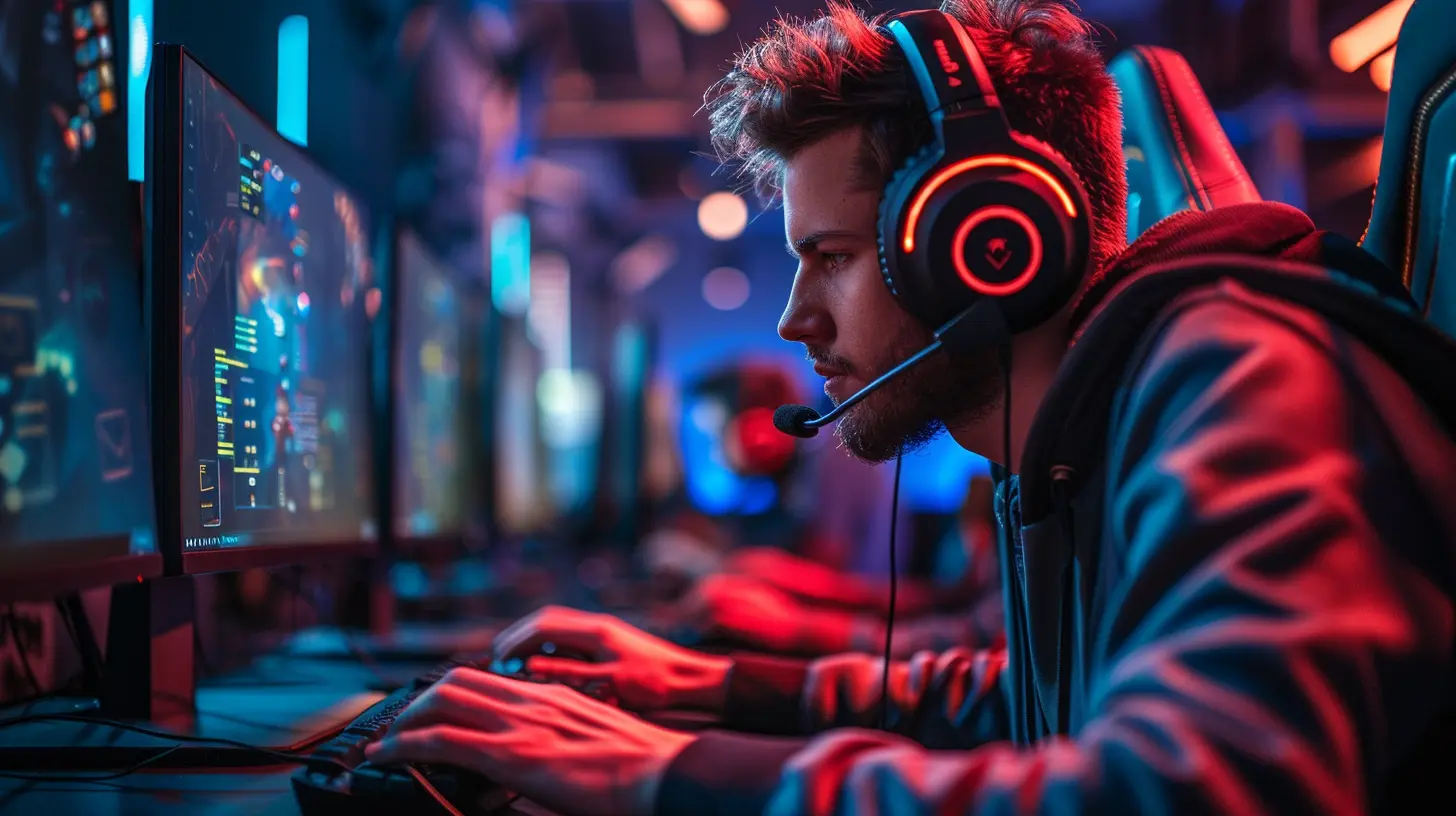
Breaking Borders: Gaming Leagues Go Global
One of the coolest things about gaming leagues is how they transcend geographic borders. You're just as likely to team up with someone in South Korea as you are with a next-door neighbor. And that’s not by accident.All-Access Gaming
Gaming leagues are designed to be universally accessible. Most games with competitive scenes—take League of Legends, Counter-Strike, or Fortnite—are free or relatively affordable. All you need is decent internet, some basic gear, and you're in the game. No passport required.Shared Passion, Diverse Cultures
Nothing builds a bond like shared passion. When you’re grinding ranked matches, pulling off insane clutch plays, or watching your favorite team scrap their way through a playoff bracket, it doesn’t matter where you’re from. You’re emotionally invested. You’re part of the hype.Players and fans from different cultures learn about each other, swap language tips, share memes, and sometimes even forge real-life friendships. That’s powerful.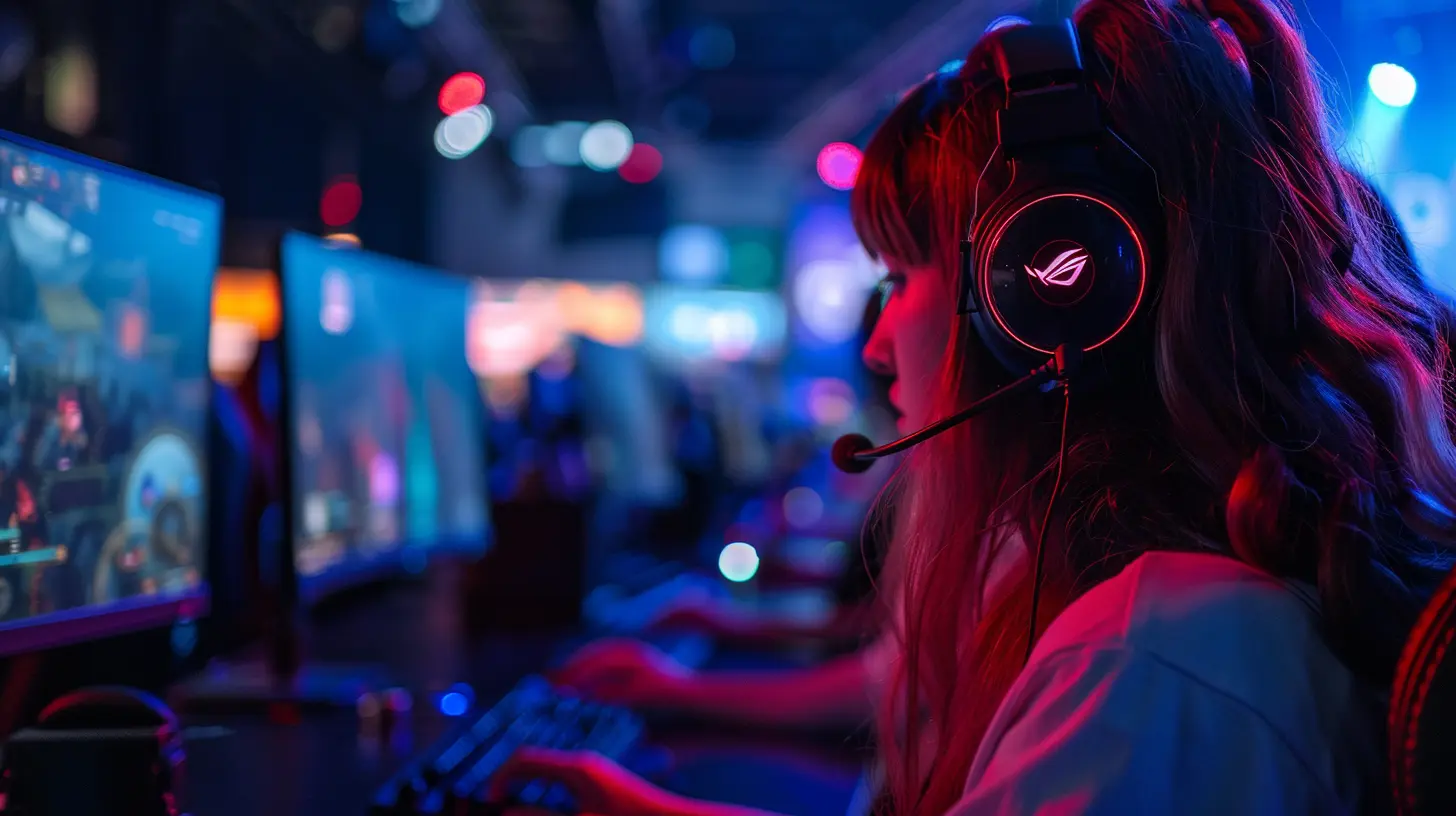
The Rise of E-sports: More Than Just Games
Now let’s talk e-sports. If gaming leagues are the roads, then e-sports tournaments are the drive-in concert you didn’t know you needed. They’re flashy, emotional, inspirational, and massively important for building communities.Watch Parties and Social Hubs
Ever tuned into the League of Legends World Championship? Watched The International for Dota 2? It’s not just about watching the action. Fans across the world organize live watch parties, Discord meetups, and Reddit threads to talk game strategy, cheer for their favs, or just meme their way through match delays.These events turn into digital festivals where anyone can show up, no matter where they are.
Representation and Identity
Gaming leagues also give players and fans a sense of identity. Whether it's T1, FaZe Clan, G2 Esports, or Sentinels, fans proudly rep their favorite teams like they're national football clubs.Players become local heroes. Kids in Brazil look up to players like FalleN the same way American kids idolize LeBron. That kind of representation creates pride, inspiration, and a sense of belonging.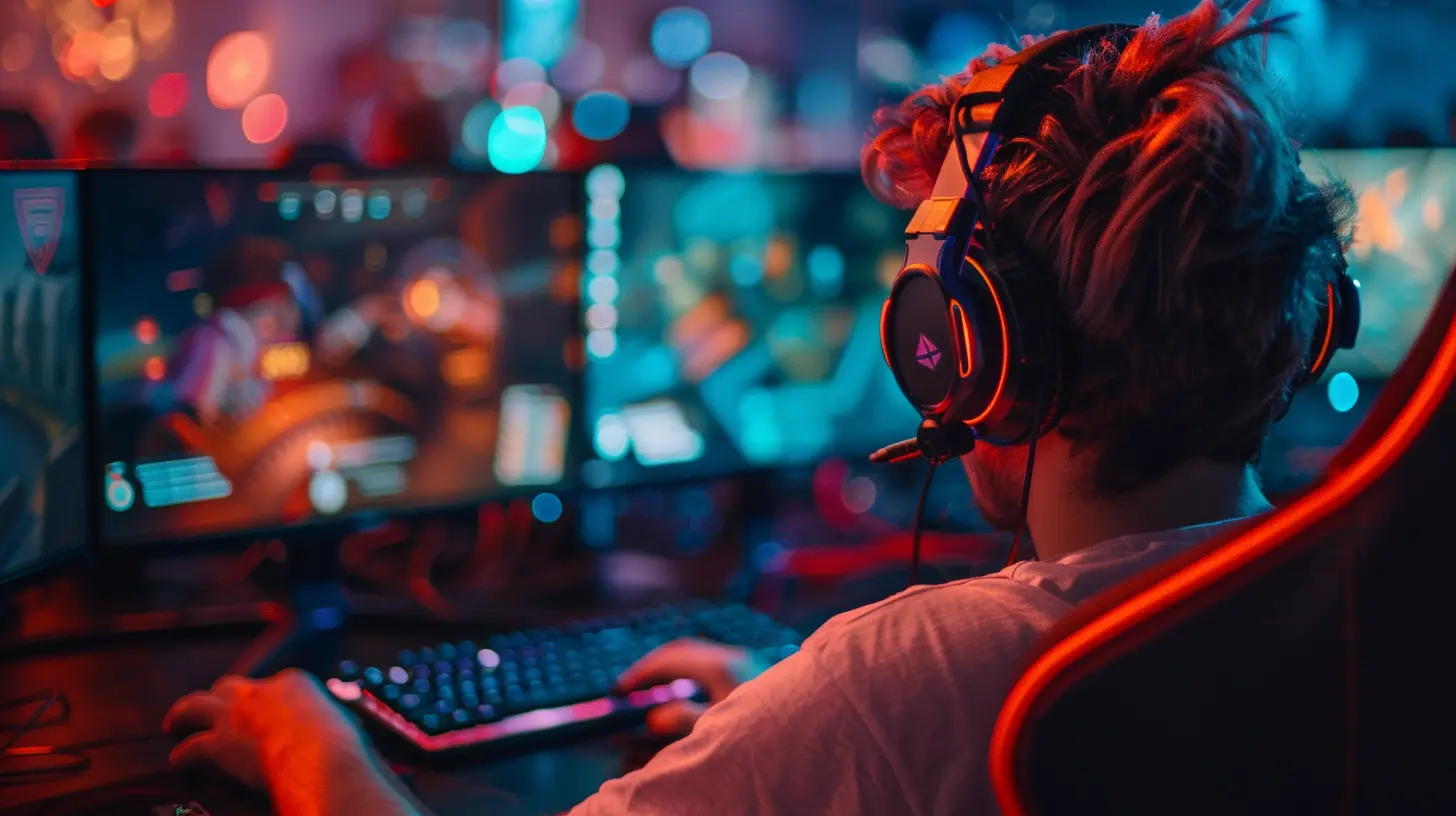
Online Platforms: The Backbone of Community
Let’s not forget the platforms making all this possible. Without them, gaming leagues wouldn’t be half as social or accessible.Twitch, YouTube, and Beyond
When a major league game goes live, it’s not just the players who show up—it’s thousands (sometimes millions) of viewers too. Streaming platforms have become the digital coliseums of our modern age.The real magic? The chat.
Yeah, sometimes it's chaos. But in that chaos, you find connection. Viewers joke, predict plays, spam emotes when things get intense—it's a shared global experience, happening in real-time.
Discord: The Digital Clubhouse
If Twitch is the arena, Discord is the community pub. Gaming leagues often have dedicated servers where players, fans, and newcomers hang out.And we’re not talking just about game stuff. People share fan art, ask for advice, organize charity streams, and even organize IRL meetups. It’s basically Reddit, Zoom, and a group chat rolled into one.
Inclusivity and Diversity: Gaming’s Secret Weapon
You might assume gaming is all sweaty dudes shouting into headsets. But gaming leagues today are putting a huge focus on inclusivity. And that’s changing the game—literally.Women in Gaming
More women than ever are joining gaming leagues, entering e-sports tournaments, and smashing stereotypes while doing it. Organizations like Gen.G’s “Global Academy” or VALORANT’s “Game Changers” are specifically making space for female players to shine.And you better believe that has ripple effects. Young girls everywhere see this and realize, “Hey, that could be me.”
Gaming for Everyone
From disabled gamers using adaptive controllers to LGBTQ+ streamers creating safe spaces, gaming leagues are actively working on tearing down barriers. The online world may not be perfect (what world is?), but progress is happening.People from every walk of life are finding a home in gaming leagues. And that’s pretty incredible.
Game Devs Join the Party
It’s not just players and platforms pushing things forward. Game developers are jumping in, too.Developer-Supported Leagues
Companies like Riot Games, Blizzard, and Valve are heavily involved in creating, funding, and maintaining their own competitive leagues. They’re not just selling you a product—they’re building an ecosystem.Why? Because they realize that when you build a strong, engaged community, your game stays relevant. For years.
Event Integration and Lore Drops
Ever been at a league finals and witnessed a surprise in-game event? Maybe a new character reveal, or a cinematic that drops right at halftime?That’s intentional. Developers use league events to connect players emotionally with the game world. It’s like Marvel throwing in a plot twist mid-stream that actually affects your gameplay tomorrow. Yeah, it’s that level of genius.
Real-Life Connections from Digital Wins
Even though everything starts online, gaming league communities spill over into real life all the time.Meetups and Conventions
Major e-sports events turn into massive conventions. Think Cosplay, merch booths, autograph signings, and food trucks. Fans come from all over just to be together in person.You see people hugging online friends they’ve known for years. You see strangers bonding over team jerseys. For many, these events are more than fun—they’re emotional lifelines.
Education and Career Paths
Yep, gaming is now serious business. Universities offer e-sports scholarships. High schools have varsity gaming teams. Companies hire community managers, shoutcasters, graphic designers, and even psychologists—all for the gaming league ecosystem.That’s right. What started in your bedroom can actually become your 9-to-5.
Challenges? Sure. But Worth It.
Okay, so let’s be real. It’s not all sunshine and double XP weekends.Toxicity, gatekeeping, burnout, and pay gaps are still real issues in the community. Even with all the progress, there’s a long road ahead. But the trajectory is promising.
Organizations are implementing stricter codes of conduct. Players are speaking up for mental health. New leagues are launching with better transparency from day one.
And why? Because everyone’s starting to realize—these leagues aren’t just games. They’re communities. They’re movements. They’re families.
Wrapping It Up: More Than Just a Game
Gaming leagues are doing something special. They’re bringing people together, breaking down cultural walls, and shaping the future of entertainment and connection. In a world that often feels divided, gaming is one of the few arenas where people of all backgrounds can laugh, cry, rage, and celebrate together.So next time you join a lobby, watch a finals stream, or cheer for your favorite underdog team—remember: you’re not just playing a game.
You're part of a global community that’s rewriting the rules of connection.
Game on.
all images in this post were generated using AI tools
Category:
Gaming LeaguesAuthor:

Pascal Jennings
Discussion
rate this article
2 comments
Astra McElhinney
Leveling up together, duh!
February 4, 2026 at 5:40 AM
Pascal Jennings
Absolutely! Gaming leagues foster collaboration and connection, making the leveling-up experience even more rewarding.
Flynn Monroe
This article highlights the importance of gaming leagues in fostering global connections. It's inspiring to see how competitive gaming transcends borders, creating lasting friendships and communities beyond the virtual world.
February 1, 2026 at 5:12 PM
Pascal Jennings
Thank you! I'm glad you found the article inspiring. Gaming leagues truly do play a crucial role in connecting people across the globe and fostering meaningful relationships.