How Ghost of Tsushima’s Ending Reflects Its Samurai Themes
11 June 2026
If you’ve ever found yourself glued to your controller while playing Ghost of Tsushima, then you know just how emotionally gripping the journey of Jin Sakai truly is. But there’s something extra powerful about the ending, right? It’s not just another “ride off into the sunset” kind of wrap-up. Nope. The finale of Ghost of Tsushima hits different—it digs deep into the heart of samurai values, honor, loyalty, and the painful choices warriors have to make.
So what exactly makes the ending resonate so deeply with samurai themes? Let’s grab our katana, mount our ghostly horse, and slice through the details.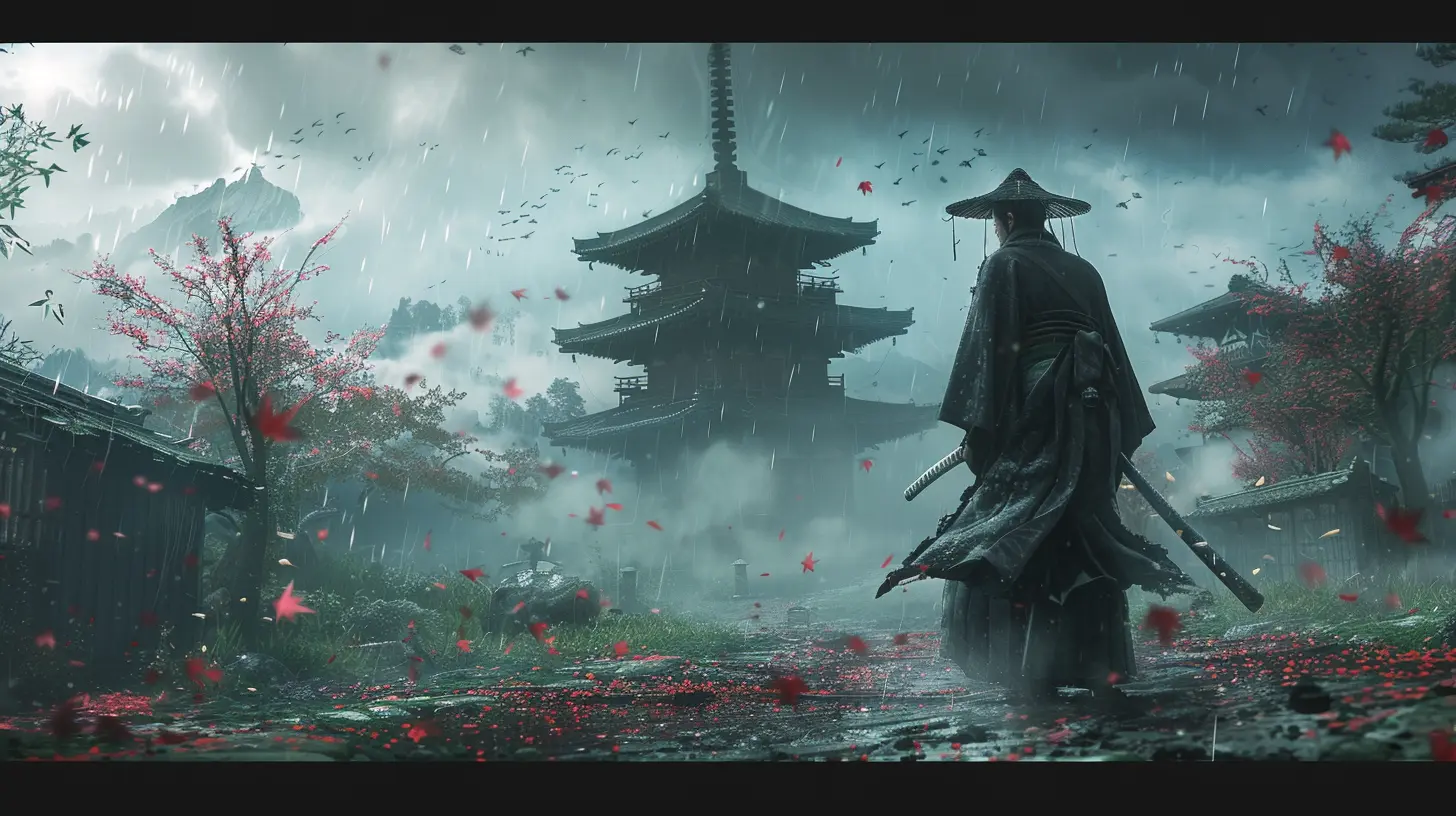
The Essence of the Samurai Code
Before diving into the ending of the game, we need to talk a bit about what being a samurai actually means. Jin Sakai isn’t just swinging a sword for fun—he represents generations of tradition and honor. The samurai code, or Bushido, is more than just fighting well; it’s about respect, loyalty, self-restraint, and above all, honor.Now, the catch here is that the world of Tsushima is changing. The Mongol invasion is unlike anything Tsushima has dealt with before, and sticking to the "traditional" path isn’t cutting it anymore. Jin’s internal conflict? That’s Bushido versus survival. Honor versus effectiveness.
It’s like trying to fight fire with ancient rules while the world’s evolved into tossing grenades.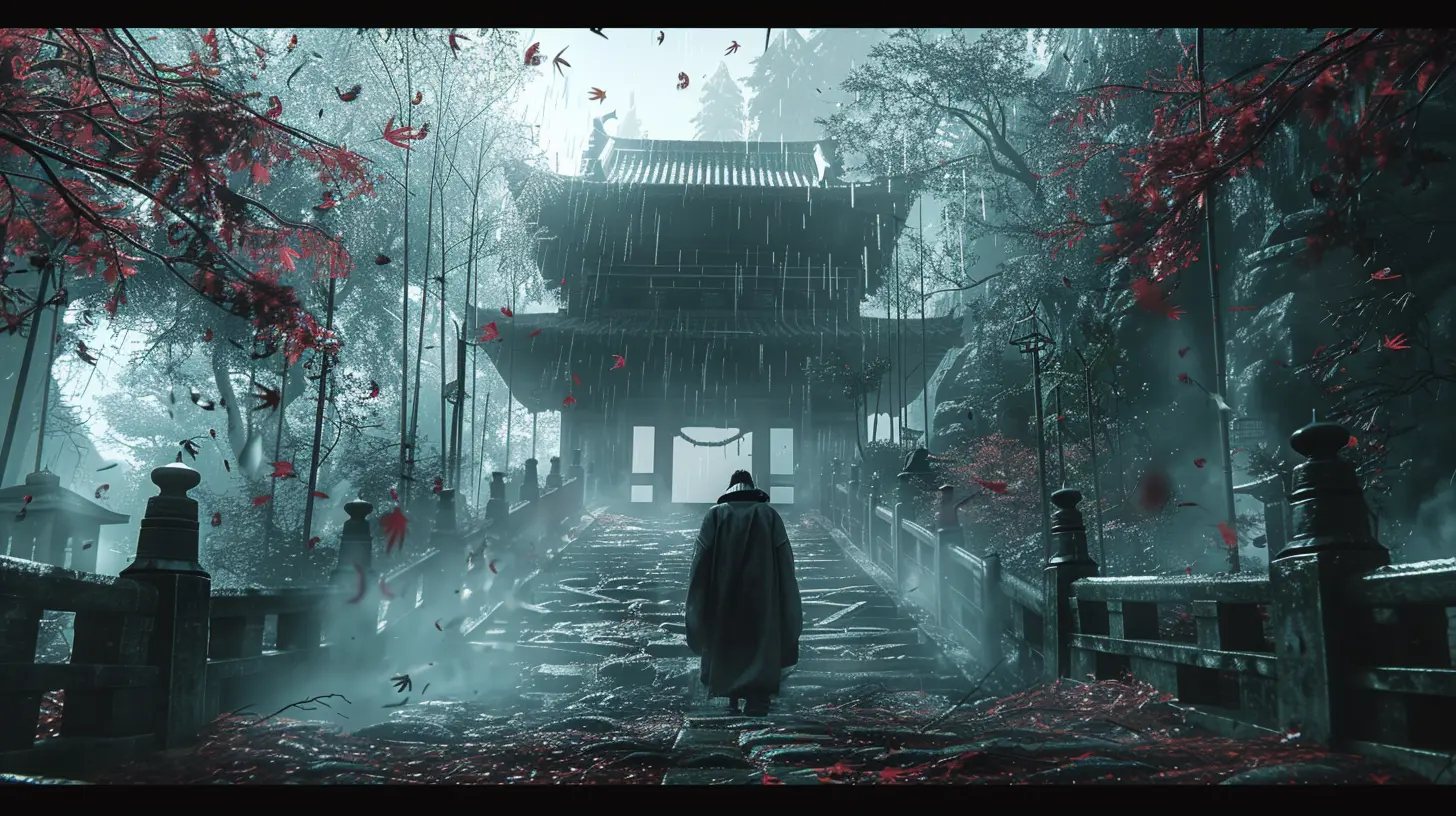
A Hero Torn in Two
Throughout the game, we watch Jin slowly drift away from the teachings of his uncle, Lord Shimura. At first, Jin wants nothing more than to be the ideal samurai, to uphold his family’s name. But desperate times call for desperate measures—and hiding in the shadows, assassinating enemies, and using trickery? Not exactly samurai 101.Jin becomes the Ghost, a symbol of vengeance and hope—yet a betrayal of the very principles he was raised to protect.
This creates the central struggle of the game. It’s not just about saving Tsushima from the Mongol threat; it’s about Jin choosing who he truly wants to be. Can he protect his people and also remain an honorable samurai? Or must he become something else entirely?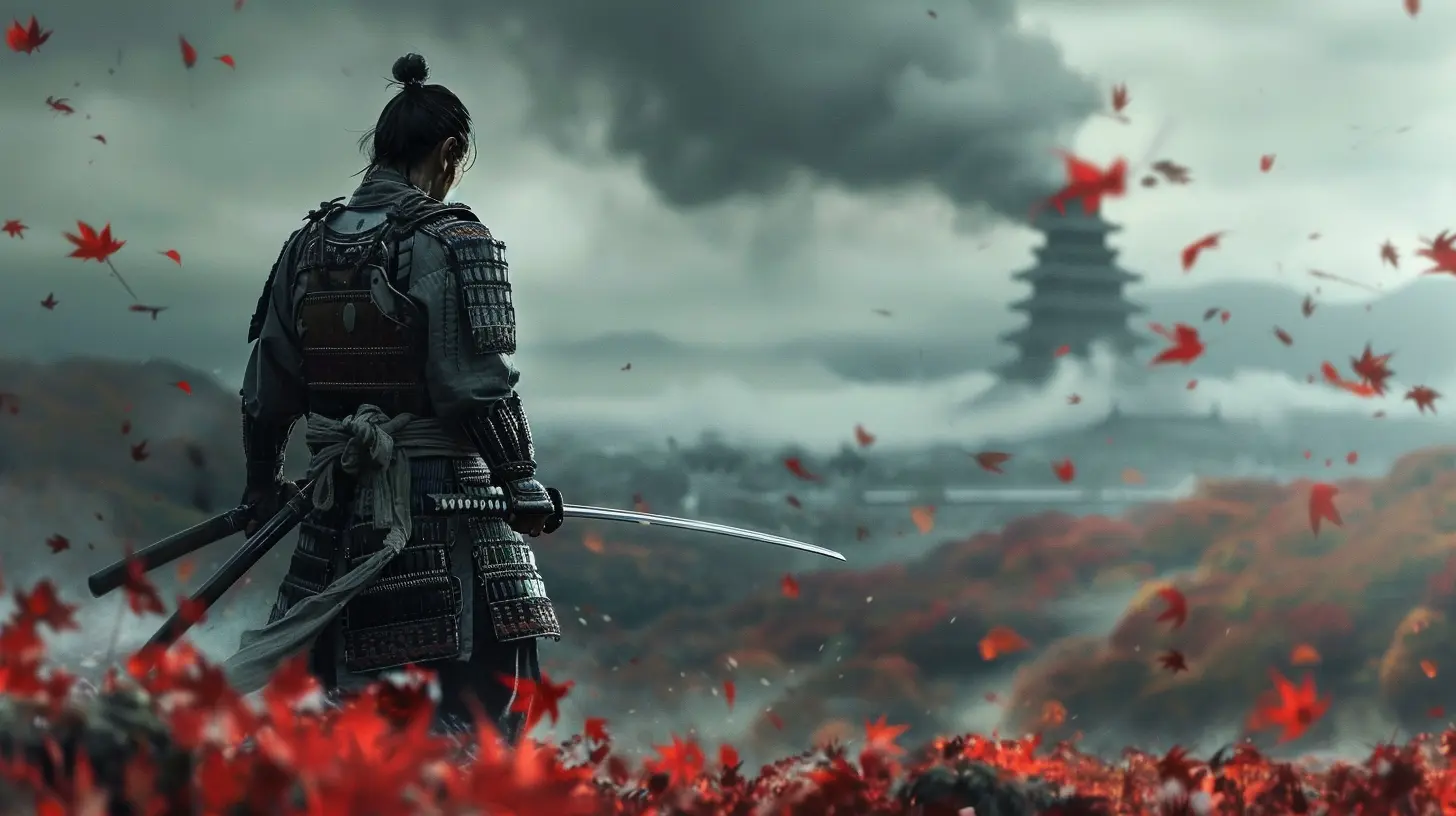
The Climactic Showdown: Uncle vs Nephew
The emotional climax of the game punches you right in the gut: Jin must face off against Lord Shimura in a final duel. This isn’t just a flashy sword fight. It’s a metaphorical clash of ideals. Uncle and nephew. Tradition and adaptation. Samurai and Ghost.And when that final confrontation ends, you have a choice to make. It’s a rare moment in games where the controller might actually feel heavier in your hands. You can spare Lord Shimura—defy the last dying wish of your samurai legacy—or end his life, granting him an "honorable" death.
Neither choice feels right. Which is exactly the point. The beauty of the ending lies in this moral gray area. There is no perfect outcome. It reflects what the entire game has been teasing from the start: sometimes, standing by your principles means losing everything. But sometimes, breaking them is the only way to survive.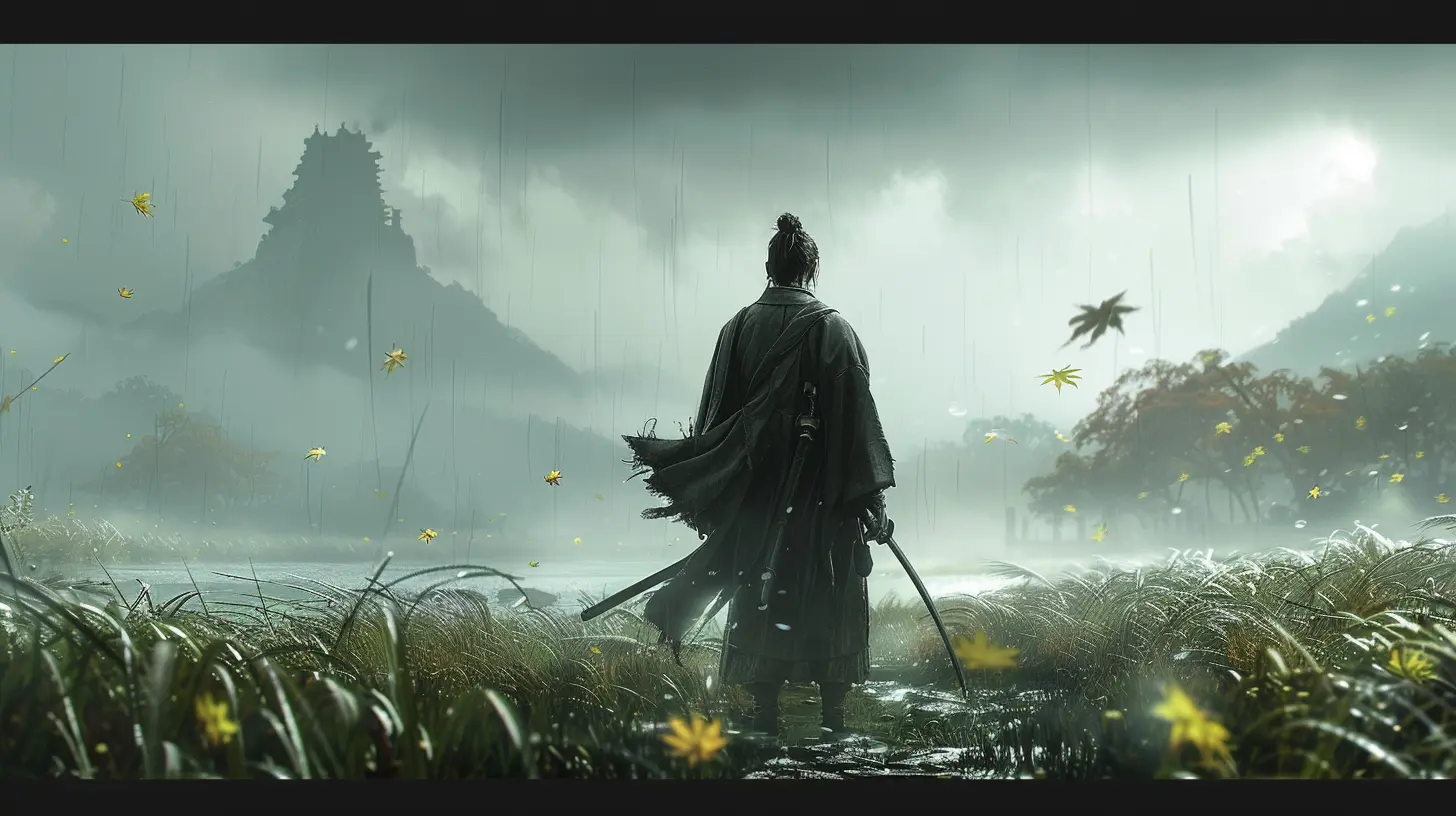
Honor or Legacy: A Duel of Themes
The duel with Lord Shimura isn’t just a final boss fight. It’s a symbolic representation of Ghost of Tsushima’s deepest themes. Let’s break it down.- Honor: If you kill Shimura, you're granting him a warrior’s end. You're respecting the old ways one final time, even though you've already betrayed them. It’s poetic. It’s tragic. It’s very samurai.
- Legacy: If you spare him, you're saying no to the cycle. You’re embracing your new identity as the Ghost and refusing to play by rules that no longer serve your people. You're forging a new path… but at the cost of being seen as dishonorable.
Whichever path you choose, Jin’s journey ends with pain, loss, and the weight of his decisions. And that’s what makes it so impactful. The game doesn’t hand you a victory parade. It forces you to reflect.
Ghost vs. Samurai: A Battle of Identity
The Ghost represents innovation—fighting smarter, not just harder. While the Samurai represents tradition, skill, and a rigid moral code. The entire game is a tug-of-war between these two personas. And it’s not just Jin struggling with it. You, the player, are pulled in both directions too.Every stealth kill you perform as the Ghost feels useful, even necessary. But every time Lord Shimura voices his disappointment, you feel it. Ghost of Tsushima makes you live with the consequences of diverging from tradition.
That’s why the ending isn’t just emotional—it’s personal.
The Tribute to Kurosawa and Classic Samurai Cinema
You can’t really talk about Ghost of Tsushima without tipping your hat to Akira Kurosawa. The game wears its cinematic inspirations with pride—heck, there’s even a “Kurosawa Mode” that turns the visuals black and white with film grain.This storytelling style leaks into the game’s narrative too. Classic samurai films often explored themes of honor, sacrifice, and what it really means to be a warrior. They weren’t about feel-good endings—they were about meaningful ones. And Ghost of Tsushima nails that tone perfectly.
The ending is somber, heavy, and reflective—just like the best samurai dramas.
The People’s Hero or the Shogun’s Traitor?
Let’s not forget the political angle. Lord Shimura wants to adopt Jin as his son, solidifying the legacy of their clan. But Jin’s actions as the Ghost have turned him into a criminal in the eyes of the shogunate.So in one sense, if you honor your uncle’s last wish and kill him, you’re preserving the system that wants you dead. But if you let him live, you’re fully stepping into the role of rebel and outlaw.
It’s a classic “damned if you do, damned if you don’t” situation. And that’s very much in line with the soul of a samurai story. These tales weren’t about perfect heroes—they were about flawed men making impossible choices.
Emotional Fallout: There Is No Peace for the Warrior
Even after the final decision, Jin’s journey isn’t over. His soul carries the burden of everything he’s done. Whether he laid his uncle to rest or defied his wishes, the emotional scars remain.This is another powerful theme from traditional samurai lore: that a warrior’s path is lonely. Protecting the many often comes at great personal cost. Ghost of Tsushima drives this point home with its final scenes.
Jin doesn’t get a feast or a throne. He gets solitude.
Ghost of Tsushima’s Ending: A Masterclass in Theme-Driven Storytelling
At the core of Ghost of Tsushima’s ending is a masterclass in storytelling that ties every plot thread back to its central theme. And that theme is this:?️ “Doing the right thing isn’t always the honorable thing—and doing the honorable thing isn’t always the right thing.” ?️
That’s a heavy pill to swallow, isn’t it?
But it’s this conflict that elevates Ghost of Tsushima from just another action-adventure game to something richer, deeper, and frankly, unforgettable.
You don’t walk away from this game feeling like a hero. You walk away feeling like a person who had to make impossible choices. And in that way, you’re living the true samurai experience—not with pomp and glory, but with quiet, painful reflection.
Final Thoughts: Where Do You Stand?
So… what did you do?Did you honor Lord Shimura’s final request, or did you walk away from it all?
No matter which ending you chose, it’s likely that it stuck with you. That’s the power of good storytelling. Ghost of Tsushima doesn't just challenge your skills—it challenges your values. It forces you to weigh personal loyalty against duty, innovation against tradition, and honor against love for your people.
In doing so, it stays true to the soul of every legendary samurai tale ever told.
So next time you hear the wind howling through Tsushima’s bamboo groves, ask yourself: was Jin Sakai a hero? A traitor? Or maybe… just a man doing his best in a world set against him?
all images in this post were generated using AI tools
Category:
Game Endings ExplainedAuthor:

Pascal Jennings
Discussion
rate this article
1 comments
Zacharias Scott
What a fantastic read! The ending of Ghost of Tsushima beautifully captures the essence of honor and sacrifice. It perfectly ties together the samurai's journey, leaving players with a sense of reflection and joy. Truly a masterpiece!
June 23, 2026 at 3:17 PM