The Evolution of Realistic Flight Sims: From Cockpit to Clouds
9 November 2025
Flight simulators have come a long way since their pixelated beginnings. If you've ever booted up Microsoft Flight Simulator in the '90s and then tried the latest version today, you probably felt like you'd just shifted from a paper airplane to a $100 million Boeing 787. The transformation is astonishing. These games have gone from basic training tools to immersive, breathtaking experiences that blur the lines between simulation and reality.
Let’s buckle up and take a deep dive into how realistic flight sims have evolved—from clunky dials and dot-matrix skies to global satellite imagery, VR cockpits, and AI-driven weather systems.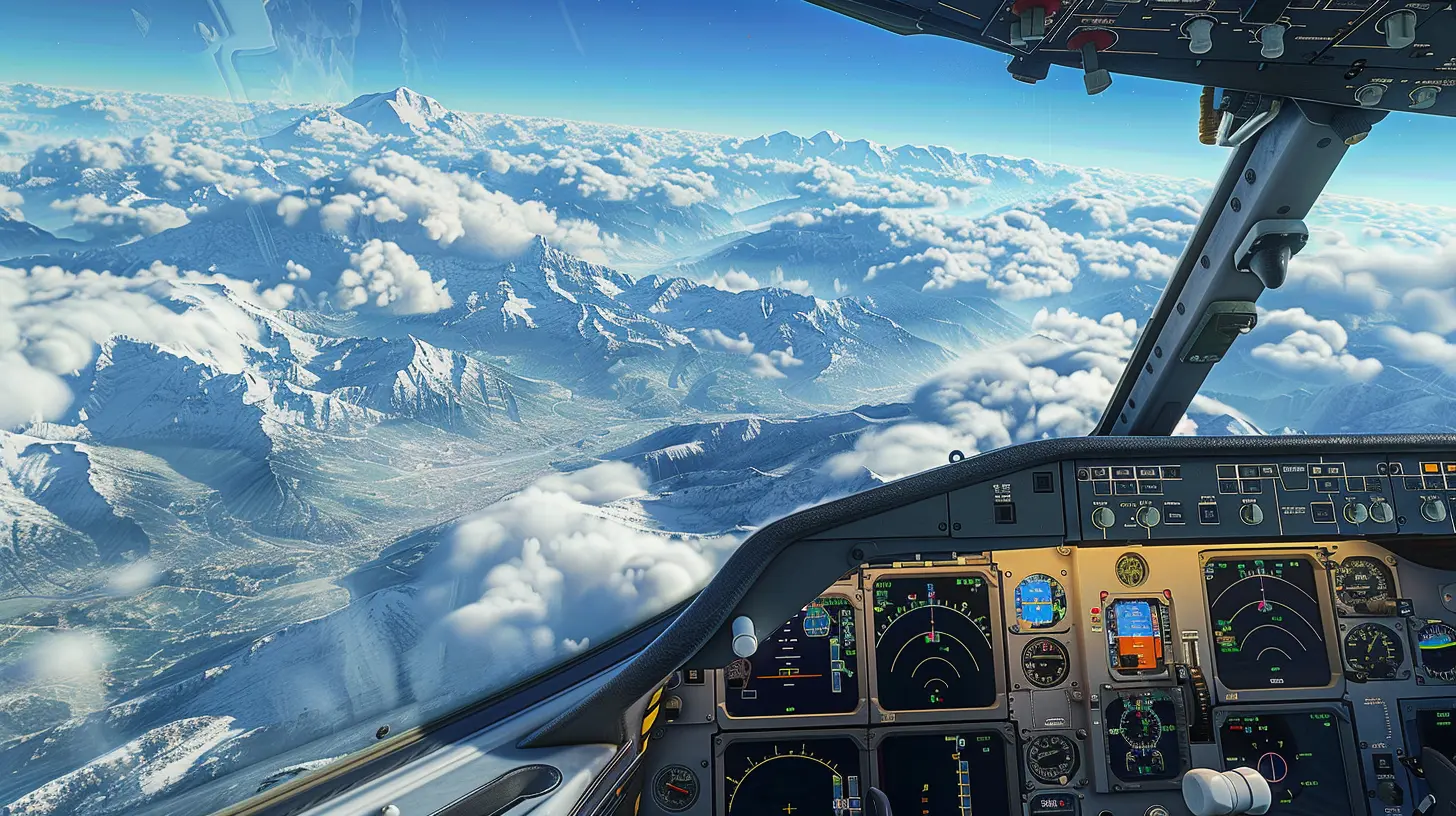
The Humble Beginnings: A World in Wireframes
Before we had 4K resolution or cloud streaming, early flight simulators were simple, to say the least. Think stick figures, boxy landscapes, and a whole lot of imagination.In the late 1970s and early '80s, games like SubLOGIC Flight Simulator (the precursor to Microsoft’s series) brought the thrill of flight to personal computers. But let’s be honest—there wasn’t much “realistic” about it. You had vector graphics, basic control panels, and a map that looked like it came out of a math class.
Yet, for the time, it was revolutionary. Gamers were flying planes using physics-based systems, and even though it was primitive, it gave flight enthusiasts something to obsess over.
The Rise of Microsoft Flight Simulator: Changing the Flight Game
Fast forward to the '90s and early 2000s, and we see Microsoft stomping onto the runway with a powerful lineup of realistic flight sims that truly changed the game.Microsoft Flight Simulator 98 – The turning point
This is where things got interesting. MSFS 98 added better visuals, more realistic cockpit instrumentation, and a decent jump in overall immersion. Suddenly, flying felt a lot more like, well, flying.And then in the early 2000s, we got FS2004 and Flight Simulator X (FSX)—absolute classics. These versions introduced things like:
- Dynamic weather
- Multiplayer functionality
- Highly detailed cockpits
- Add-ons and mods for realism
- And yes, GLOBAL maps (though, not as pretty as today's)
This was the golden age of flight simming. Hobbyists could simulate engine failures, practice real-world flight plans, and basically spend hours arguing on forums about trim settings.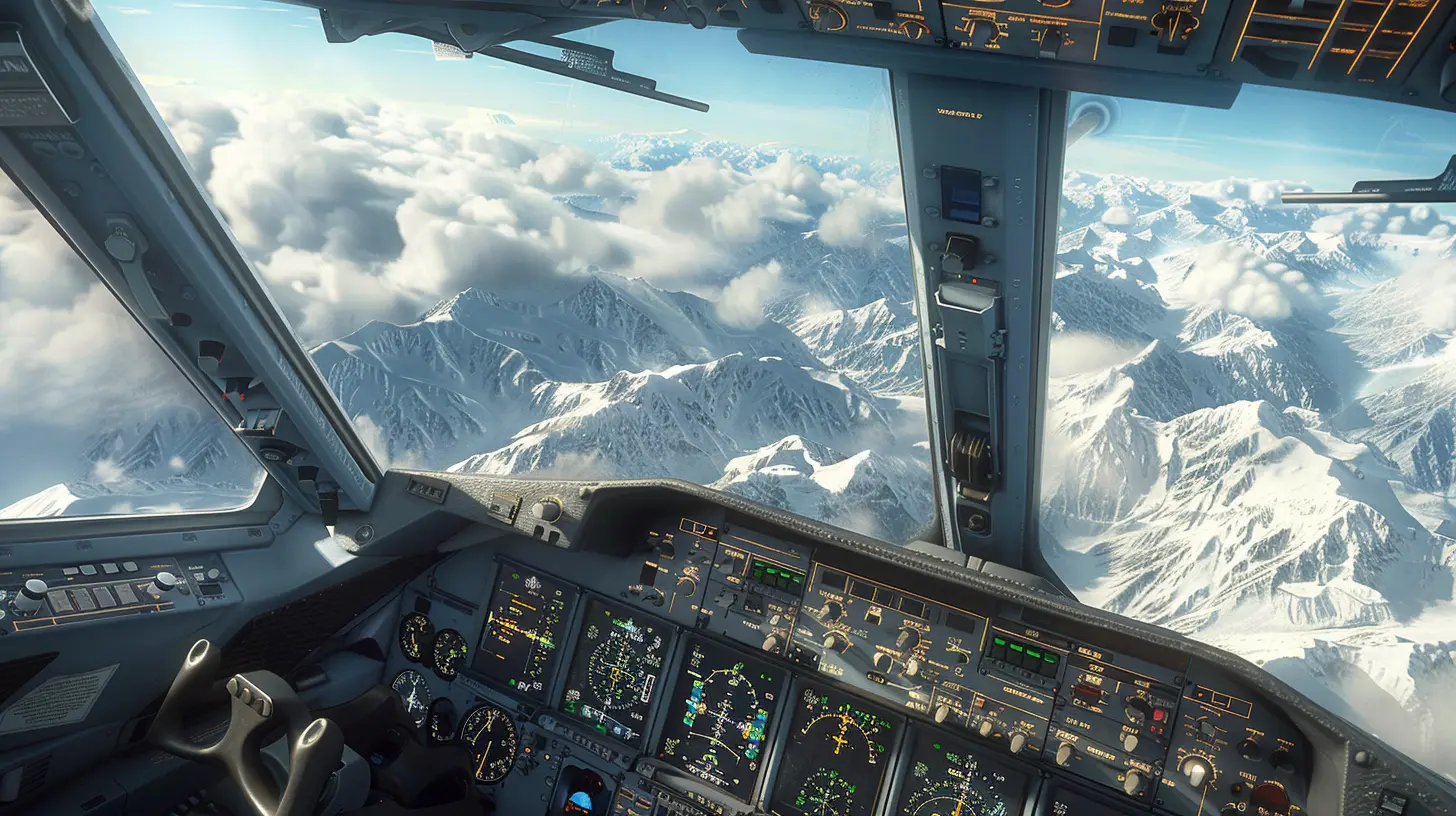
Leap into Realism: The 2010s Simulation Renaissance
The 2010s brought a huge jump in both hardware and software. Processors got faster, GPUs got bulkier, and internet speeds started catching up. Developers now had the tools to create ultra-realistic environments, and flight sims started to soar.X-Plane Enters the Chat
Here comes X-Plane, the challenger brand that focused heavily on physics. For a while, X-Plane was considered the most “realistic” simulator, thanks to its blade element theory flight model. Sounds fancy, right?It basically means it calculates flight characteristics not just as a whole aircraft but per wing segment. That level of detail made it a favorite among real-life pilots and flight schools.
Third-Party Add-ons = Game Changer
Another thing that exploded in the 2010s? Add-ons. Developers like PMDG, Orbx, and Aerosoft turned already immersive simulators into next-level realistic experiences.Want a 100% accurate Boeing 777 cockpit? PMDG’s got you.
Need high-resolution terrain of the Alps? Orbx has scenery packs that’ll blow your mind.
These modders pushed the boundaries further than most official devs could manage, and the community flourished.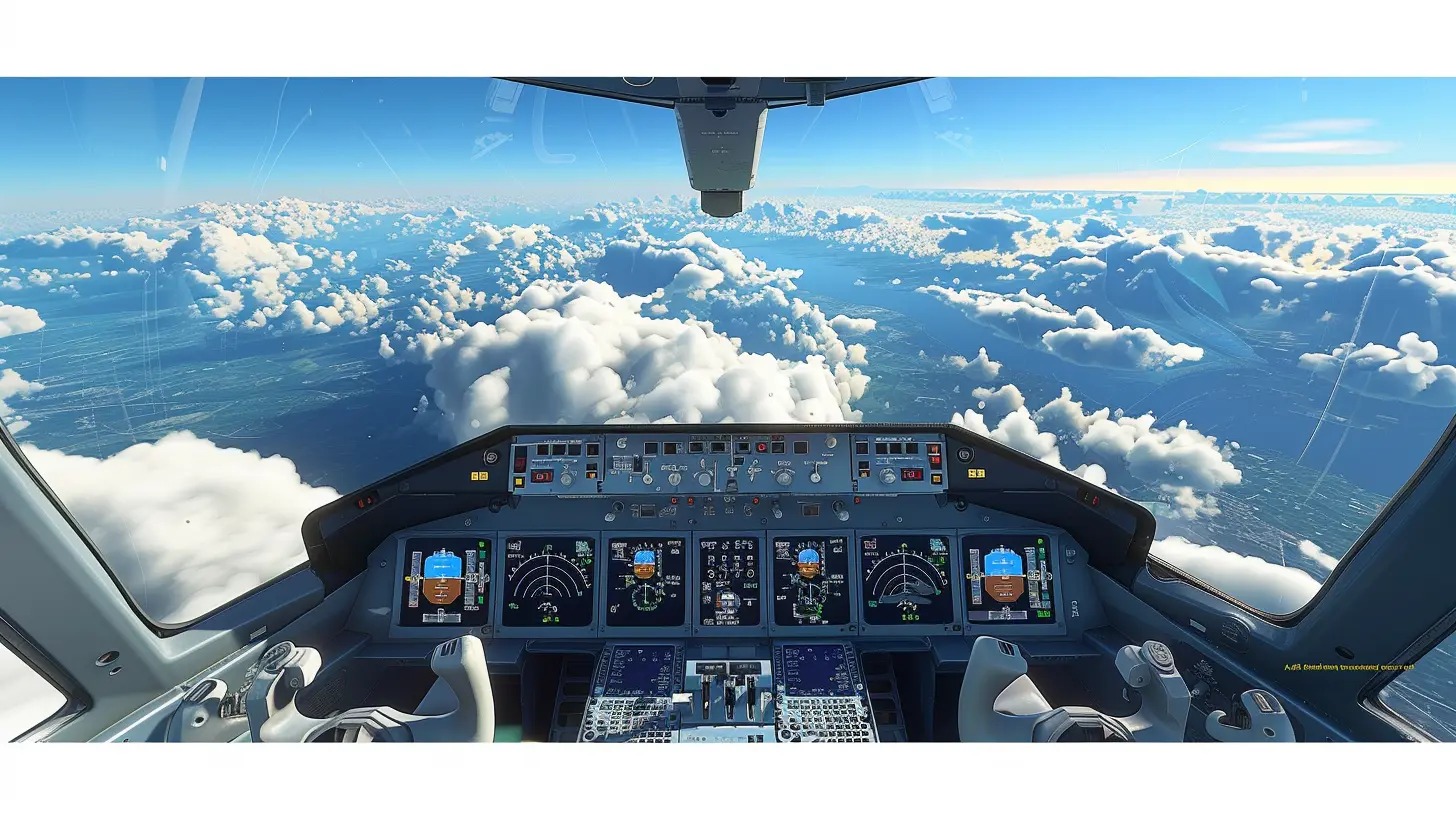
Microsoft Flight Simulator 2020: The Real Game-Changer
Alright, let’s talk about the elephant in the sky—Microsoft Flight Simulator 2020. When this sim dropped, the entire gaming industry took notice.We’re talking real-time weather synced with satellite data, ultra-detailed global mapping, and flight models fine-tuned to mimic real physics. And let’s not forget the drop-dead gorgeous visuals that made even casual gamers do a double-take.
A Living, Breathing World
Microsoft partnered with Bing Maps and Azure AI to create a 1:1 replica of the Earth—yes, the whole planet. You could fly over your house, dodge a storm in New York, or cruise over the Himalayas in stunning detail.The weather system? Insane. It reflects real-time global weather conditions, including wind shear, turbulence, cloud layers, and even realistic sunsets based on your location and time. I mean, how cool is that?
VR and Beyond
MSFS2020 also leaned hard into Virtual Reality. Strap on a headset, and suddenly, you’re sitting in a fully operational cockpit. You can even lean around to check instruments, glance at the wing, and crane your neck out just like a real pilot would.The immersion is next level. Add a HOTAS (Hands-On Throttle and Stick) setup, and you’re basically training for a private pilot’s license.
Multiplayer and Community: From Pilots to Virtual Airlines
One underrated part of modern flight sims is the multiplayer aspect. You can now share the skies with hundreds of real players all over the world.There are entire virtual airlines where players role-play as pilots, complete with flight schedules, rank ladders, and ATC simulations. Networks like VATSIM and PilotEdge offer live air traffic control, requiring real-world communication protocols and procedures.
Honestly, it’s wild. You’ve got people coordinating landings at JFK like it’s a real tower on a busy Monday morning.
Realism in the Details: It’s Not Just About Graphics
Let’s pump the brakes for a sec. Realism isn’t just about pretty graphics. It’s about systems simulation, flight dynamics, weather modeling, and even wear and tear mechanics.High-end aircraft in sims now model everything down to:
- Fuel flow
- Engine startup sequences
- Circuit breakers
- Hydraulic systems
- Avionics behavior
- Navigation systems mirroring FAA charts
These aren’t games—they’re training platforms. Many student pilots use flight sims as prep tools before touching a real airplane.
Military Flight Sims: The Combat Edge
Civilian flying isn’t the only thing that’s stepped up. Military flight sims like DCS World (Digital Combat Simulator) have carved out their own sky-high niche.This isn’t casual flying. DCS is like the Dark Souls of flight sims. You need to go through a checklist just to start your engine properly.
From cold starts to weapon systems to aerial refueling at 30,000 feet, DCS prides itself on being brutally realistic. And again, the community's support through custom missions and mods is top-tier.
The Role of AI and Procedural Generation
AI has added a whole new layer to flight sims. In MSFS2020, live traffic, topography, and even landmarks are generated using AI from satellite data. It’s why the Eiffel Tower looks like... well, the Eiffel Tower—and not a blob of pixels.As AI gets smarter, we're likely to see:
- Smarter ATC systems
- Autopilot that mimics real-world FMC behavior
- Aircraft recognizing voice commands
- Dynamic emergency scenarios
You won’t just see realism. You’ll feel it.
The Future: Where Do Flight Sims Go From Here?
Honestly? The sky isn’t even the limit anymore.Full VR Integration
As headsets become lighter, clearer, and cheaper, full VR integration will probably become the norm. Imagine walking through your aircraft pre-flight with hand tracking, turning knobs, flipping switches—all in 3D space.Real-Time Global Events
How about flying through a real-time hurricane? Or participating in global aviation events that reflect real-world conditions?Integration with Real Avionics
Yup, some setups already interface with actual avionics panels. Imagine your gaming rig feeding data to a real Garmin GPS device.Cloud-Driven Updates
Steam-style updates are already here, but future sims could adjust global scenery, weather, and flight conditions dynamically. Every time you boot up, the world could offer something new.Final Approach: What Makes Flight Sims So Special?
Flight simulators are more than games. They're instruments of dream fulfillment, training, and technical artistry. They blend science, community, and human desire to fly into one incredible package.From wireframe runways to photorealistic cloudscapes, the journey of flight sims is a love letter to aviation. Whether you're a would-be pilot or just a gamer chasing the horizon, today's flight sims offer an experience so real it practically touches the clouds.
And honestly, isn’t that what we’ve always wanted?
all images in this post were generated using AI tools
Category:
Simulation GamesAuthor:

Pascal Jennings
Discussion
rate this article
1 comments
Harmony Romero
This article compellingly traces the progression of flight simulators, highlighting the shift from simplistic cockpit interfaces to immersive, realistic environments. It underscores how advancements in technology have enhanced user experiences, making simulations not only tools for training but also rich, engaging platforms for aviation enthusiasts. A fascinating journey indeed!
November 10, 2025 at 5:06 AM
Pascal Jennings
Thank you! I'm glad you found the article engaging and insightful. The evolution of flight simulators is truly remarkable!