How Gaming Leagues Are Creating New Career Paths
20 June 2026
Gaming isn’t just a hobby anymore—it’s a full-blown career maker. Yeah, you heard that right. What used to be seen as just “wasting time on video games” has turned into a massive industry with real job titles, serious competition, and more cash floating around than ever before. At the heart of this transformation? Gaming leagues. These organized competitions are doing far more than just giving gamers a chance to go pro—they’re cracking open a whole new world of careers that didn’t even exist a decade ago.
So grab your energy drink and buckle up. We’re diving into how gaming leagues are changing the career game for good.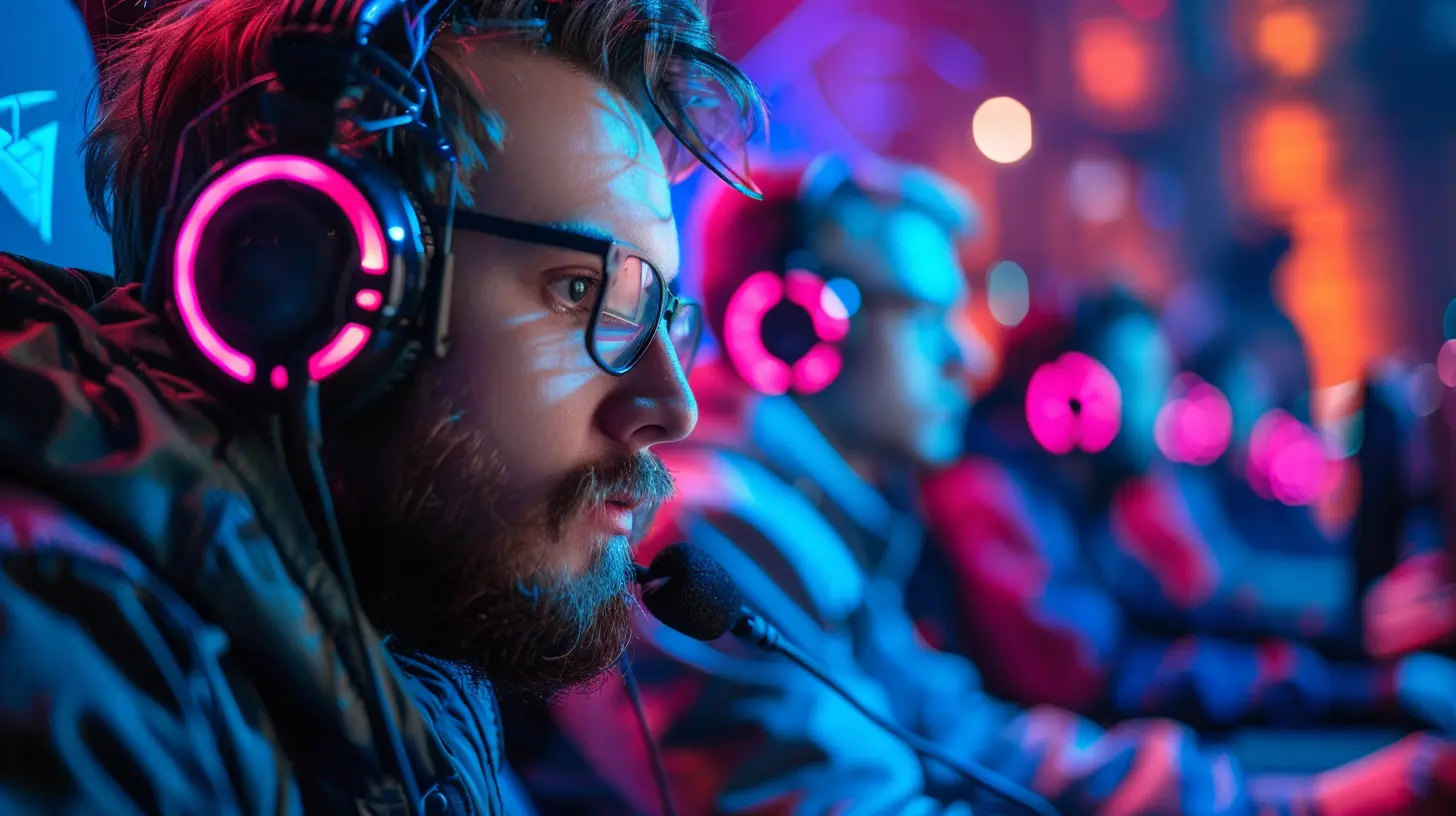
What Are Gaming Leagues, Anyway?
Let’s keep it simple. Gaming leagues are competitive tournaments where gamers—solo or in teams—battle it out in games like League of Legends, Call of Duty, Valorant, and so many more. Think of them like the NFL or NBA, but for video games.Unlike casual play, leagues are structured. They’ve got seasons, brackets, sponsorships, media coverage—you name it. And where there’s structure, there’s opportunity. These leagues aren’t just turning players into esports athletes; they’re fueling an entire job ecosystem. Yep, careers are being born from pixels and esports brackets.
From Couch to Career: The Rise of the Pro Gamer
Let’s start with the obvious path here—the professional gamer. Gaming leagues have made it possible for people to get paid to play. And not just a couple of bucks. We’re talking six-figure salaries, tournament winnings, and juicy sponsorship deals.Take a look at champions of games like Dota 2 or Fortnite. Some of these players earn more than lawyers or doctors. Insane, right? And many of them started just like you—on the couch, controller in hand, grinding for XP.
But it’s not all twitch reflexes and headshots. Going pro means discipline, strategy, communication, and relentless practice. Gaming leagues have formalized the process, making it viable, structured, and respected (finally!).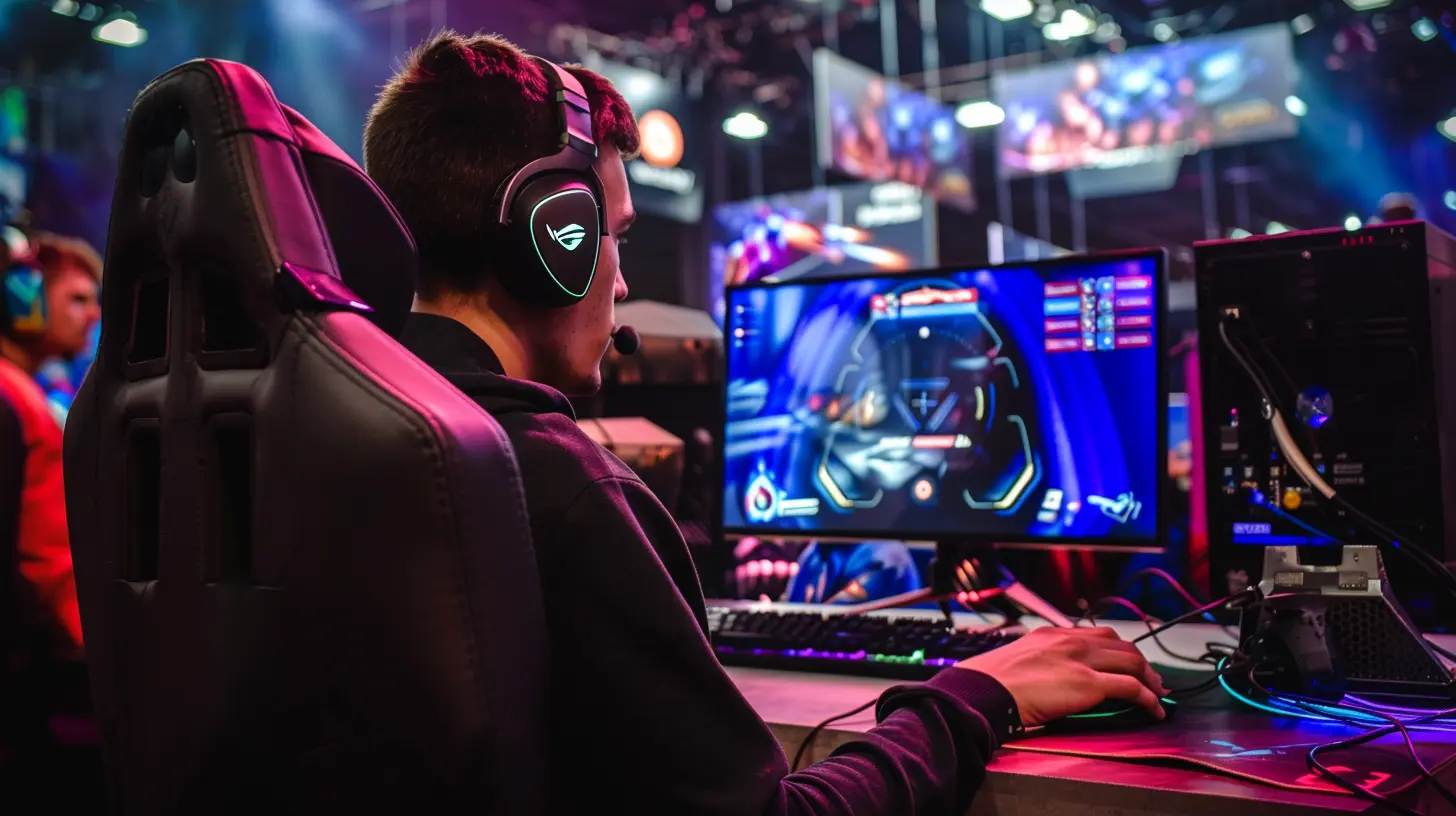
Coaches, Analysts, and Support Staff: Not All Heroes Carry a Controller
Think being in esports means you have to be the one playing? Think again.Just like traditional sports, gaming leagues need a massive support system to function smoothly. Enter: coaches, analysts, and performance staff. These folks help players improve, break down opponents’ strategies, and fine-tune every aspect of a team’s performance.
Want to mix your love for games with stats, psychology, or leadership? These careers might just be your calling. Coaches keep players in shape mentally, while analysts dig deep into game data to find that one weakness that could make all the difference.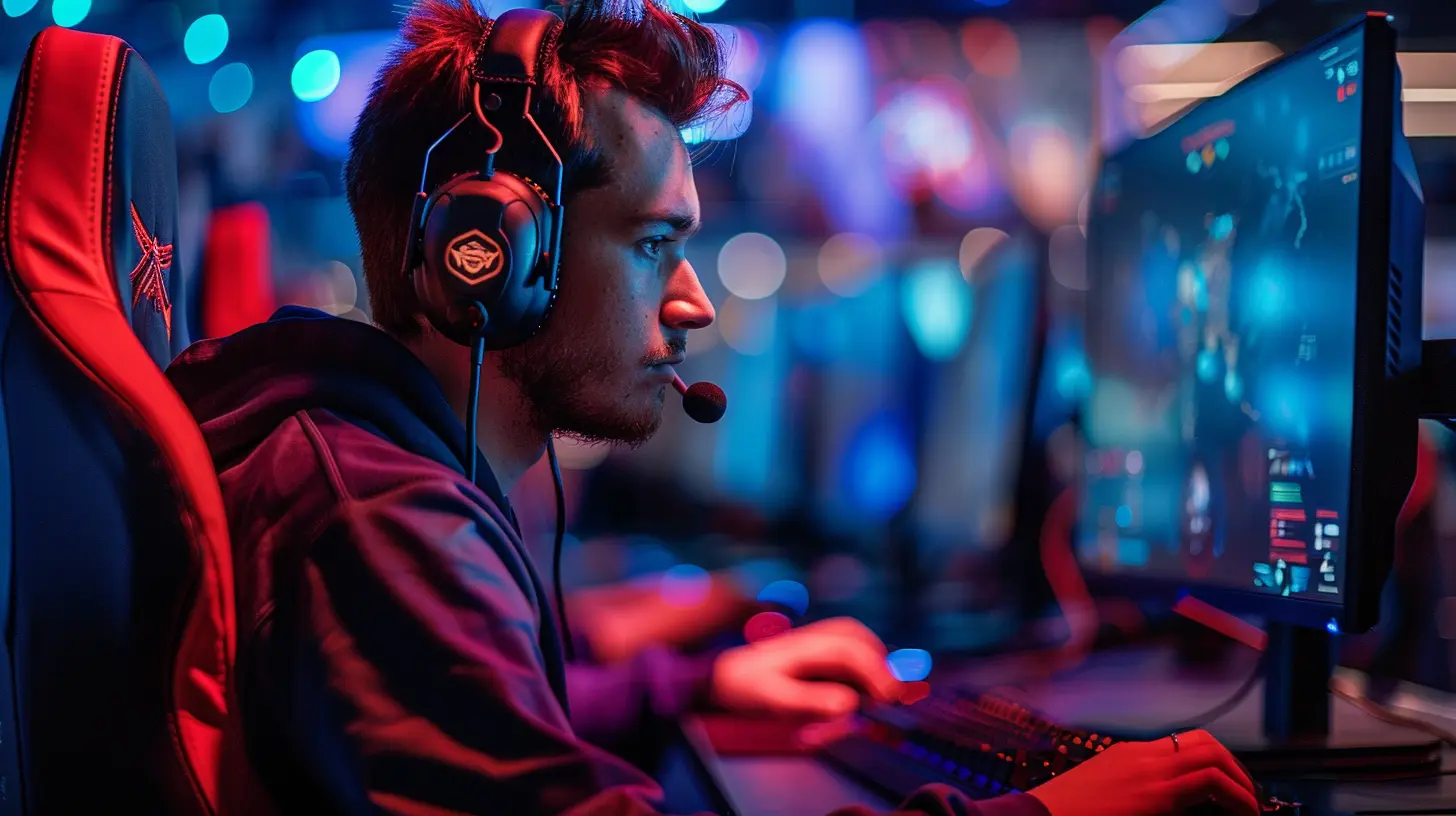
Content Creators: Where Gaming Meets Entertainment
Streaming. Vlogging. TikToking. If you’ve got personality and love being in front of the camera, this one’s for you.Gaming leagues have blown up the content side of esports. Every match, every team, and every player’s journey is now content gold. Behind-the-scenes footage, commentary, tutorials, memes—you name it, someone’s watching it.
Creators can build their own brand, snag partnerships, and generate income through platforms like YouTube, Twitch, and Kick. But here's the kicker—you don’t need to be a top-tier gamer. Just bring the value, the laughs, the hype, and the raw honesty that fans crave.
Shoutcasters and Hosts: The Voices of Esports
Ever heard someone hype up a massive clutch moment that made your spine tingle? That’s a shoutcaster.These pros are the narrators of gaming leagues, turning in-game moments into legendary plays. They break down the action in real time, explain tactics, and bring energy to every broadcast.
Hosting is another path—introducing teams, handling interviews, hyping up the crowd. It’s a blend of charisma, game knowledge, and showbiz. If you’ve got a love for words and love for games, casting or hosting might just be your dream gig.
Tech Roles: Where Gamers and Geeks Unite
Gaming leagues are complicated, high-tech beasts. Running live events or streaming matches to millions isn't as simple as pressing "Go Live."You’ve got technical directors, network engineers, software developers, and AV specialists making the magic happen behind the scenes. Want to build server infrastructure? Fancy coding tournament platforms or real-time overlays? This is where your keyboard wizardry comes in handy.
Tech nerds are the unsung heroes of esports. Without them, the whole show comes crashing down faster than a lag spike in the final circle.
Event Management: The Party Planners of Esports
Every gaming league has events—big ones. We’re talking packed stadiums, international tournaments, online qualifiers, and epic finales. Someone has to make sure the whole thing runs smoother than a perfect K/D ratio.That’s where event managers, logistics coordinators, security staff, and field producers come in. They build the skeleton of these events, handling everything from schedules and travel to equipment setup and security.
If you’re a born organizer with an interest in games, this behind-the-scenes role could be your calling.
Game Designers and Developers: Building the Playground
No players without games, right?Esports leagues also inspire new genres and gameplay improvements. Developers constantly tweak game mechanics to keep things competitive and balanced. These changes often come in response to league feedback or pro player meta-strategies.
So if you want to shape the future of gaming leagues from the source, consider game dev. From map design to combat systems, your choices could redefine how competitive play looks tomorrow.
Marketing and Social Media: Amplifying the Hype
You could have the best esports team in the world, but if nobody hears about them, does it even matter?Enter the marketers. They’re the folks behind every slick trailer, viral post, and hype train. Social media managers, brand strategists, and digital marketers make sure fans stay engaged, sponsors stay interested, and the league keeps trending.
It’s part art, part psychology, and all hustle. Plus, who wouldn’t love turning memes, tweets, and TikToks into full-time work?
Legal and Business Development: The Suits of Esports
Wait—lawyers in gaming leagues? Oh yeah.As gaming becomes big business, legal pros are more important than ever. Contracts, intellectual property, sponsorship agreements, player rights—these aren’t side quests; they’re major storylines.
Business development roles are booming too. Partnerships, merchandising, franchise models—someone has to navigate the business jungle and keep the league competitive in every sense.
If you’ve got a head for strategy and an eye for deals, this lane’s wide open for you.
Education and Journalism: Inform, Teach, Inspire
Esports journalism and education are growing fast. With millions following leagues, there’s a constant demand for quality articles, podcasts, interviews, and guides.Writers, researchers, and educators are stepping up to make sense of it all—writing op-eds, making YouTube deep dives, or teaching the next gen of gamers in schools and colleges.
Gaming leagues legitimize the need for academic studies and media coverage, turning passion into purpose.
The Rise of Scholastic Esports
Believe it or not, esports is now in schools—and it’s serious business. High schools and colleges are building competitive teams and offering scholarships. It’s the beginning of a professional path that starts way earlier than before.These leagues act as pipelines, training young talent and offering another way to land careers in esports-related fields. For many students, gaming leagues are opening doors that traditional academia just…can’t.
So, Is This the Future of Work?
Let’s be real—ten years ago, if you told your parents you wanted to be a professional gamer, they’d probably laugh. But times have changed. Gaming leagues have created an entire ecosystem of jobs, from the flashy to the functional.And it’s not going anywhere. In fact, it’s just getting started. As tech gets better and the world grows even more connected, these leagues will continue being breeding grounds for new careers and industries we haven’t even imagined yet.
So if you’re into games? Don’t just play 'em. Think bigger. Build a career around them.
Final Thoughts: More Than Just a Game
Gaming leagues have transformed the industry from entertainment to opportunity. Whether you’re picking up the sticks, behind the camera, or crunching code, there’s a spot in this digital arena for you.The only question is: are you ready to play?
all images in this post were generated using AI tools
Category:
Gaming LeaguesAuthor:

Pascal Jennings
Discussion
rate this article
1 comments
Ainsley McCoy
This article highlights an exciting shift in the gaming world. It's inspiring to see how gaming leagues are opening doors for new career opportunities. As the industry evolves, it's great to know that players and fans can find fulfilling paths that blend passion and profession. Keep up the great work!
June 29, 2026 at 4:17 AM
Pascal Jennings
Thanks for your thoughts! It's exciting to see how gaming leagues are truly shaping new opportunities for everyone involved.