How Cultural Influences Shape Game Aesthetics
23 June 2026
Video games are so much more than mere entertainment—they're art, storytelling, and craftsmanship all rolled into one. And just like any art form, games carry the fingerprints of the cultures that created them. Have you ever noticed how a Japanese RPG feels wildly different from an American shooter or how an indie game designed in Scandinavia carries a unique, almost haunting mood? That’s no accident.
Cultural influences shape game aesthetics in countless ways—through visuals, sound, narratives, and even mechanics. These differences aren’t just surface-level details; they reflect deep-rooted beliefs, traditions, and perspectives from around the world. In this article, we’ll roll up our sleeves and dive into how cultural backgrounds leave their mark on game design, aesthetics, and player experience.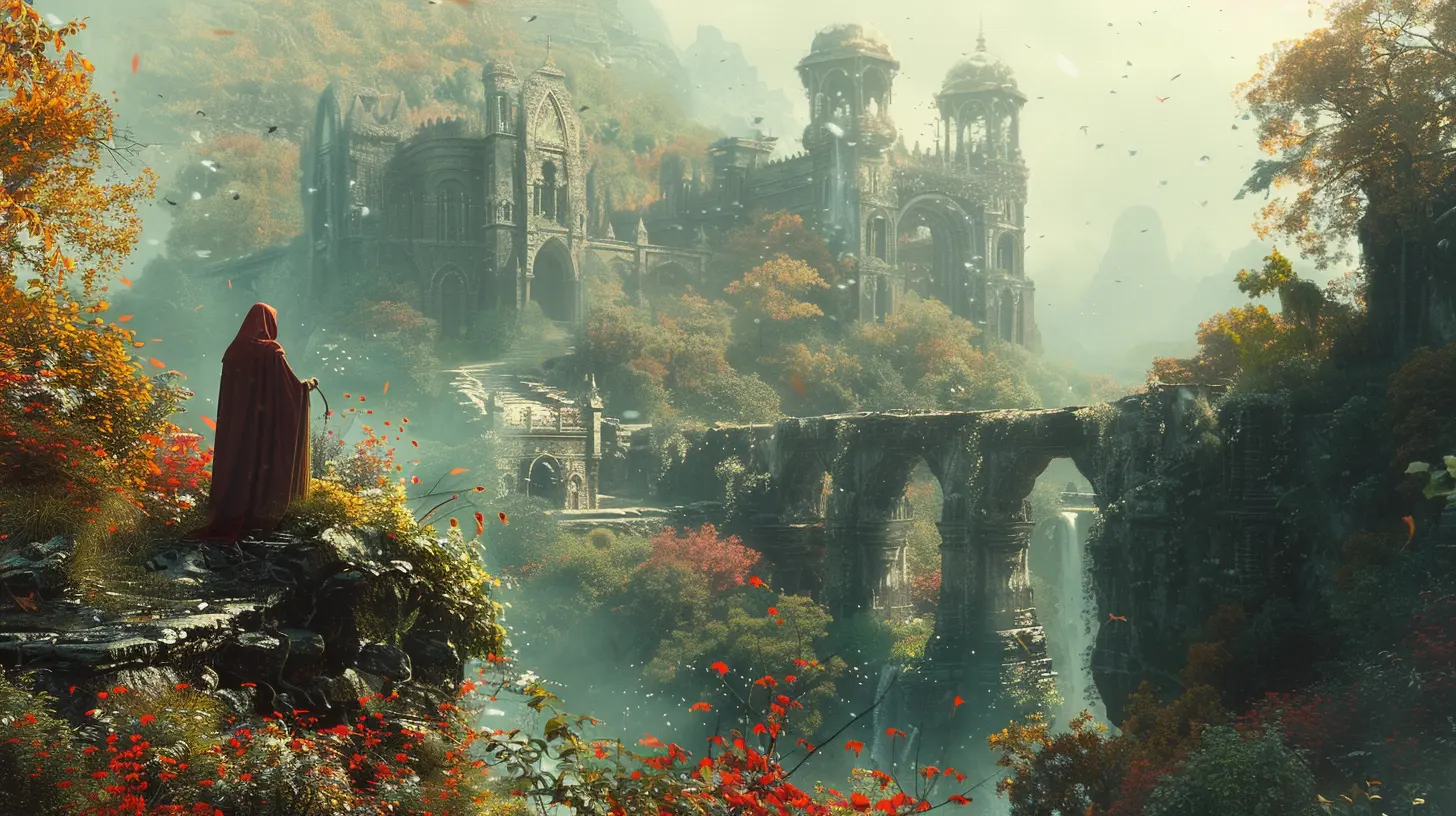
What Do We Mean by “Game Aesthetics”?
First things first—what exactly are we talking about when we say “game aesthetics”? It’s a broad term, right?In simple terms, game aesthetics are the visual and auditory elements that make up the “feel” of a game. Think about the color palette, art style, character design, sound effects, music, and even UI elements. It's not just what you see—it's how it makes you feel. A neon-drenched cyberpunk city says something very different than a serene watercolor forest.
But aesthetics aren't purely cosmetic. They're a storytelling tool. They're how a game conveys mood, culture, and meaning—without using words.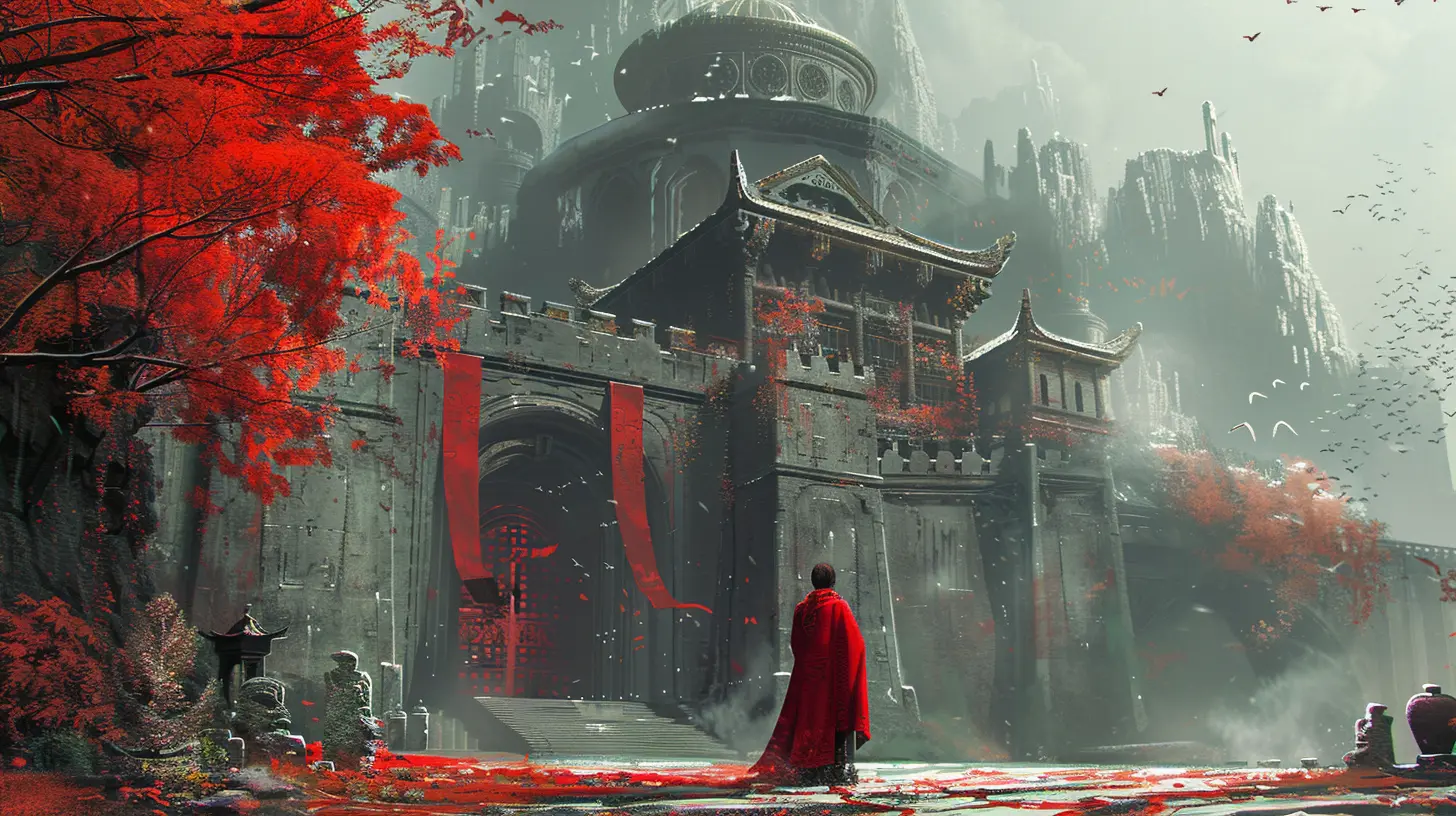
The Cultural Roots of Art Styles
Let’s start with the obvious: art styles. Many times, a game’s art direction reflects the culture of its creators, intentionally or not.Japanese Influence: Delicate, Expressive, and Fantastical
Japanese developers often bring a distinct flair to their art: large-eyed anime characters, dramatic landscapes, and an emphasis on emotion and spiritual themes. Games like Okami beautifully blend traditional Japanese sumi-e ink painting with gameplay, while Persona 5 dives deep into urban Tokyo culture mixed with surreal, dream-like visuals. The aesthetic isn't just appealing—it reflects values like harmony, beauty in imperfection (hello, wabi-sabi), and the inner emotional journey.Western Aesthetics: Realism, Grit, and Action
On the flip side, Western games—especially those coming out of the U.S.—tend to gravitate towards realism, darker tones, and action-heavy visuals. Think Call of Duty, The Last of Us, or Red Dead Redemption. These games often mirror Western cinematic traditions: gritty realism, linear storytelling, and deep moral ambiguity. They reflect a cultural fascination with individualism, conflict, and survival.Scandinavian Minimalism and Nordic Noir
Games like Inside, Limbo, and Control showcase another aesthetic—the stark, haunting minimalism of Nordic design. These titles often carry a cold, clean precision, with philosophical undertones and deep psychological themes. Cultural elements like long winters, folklore, and a fascination with the unknown shape these experiences.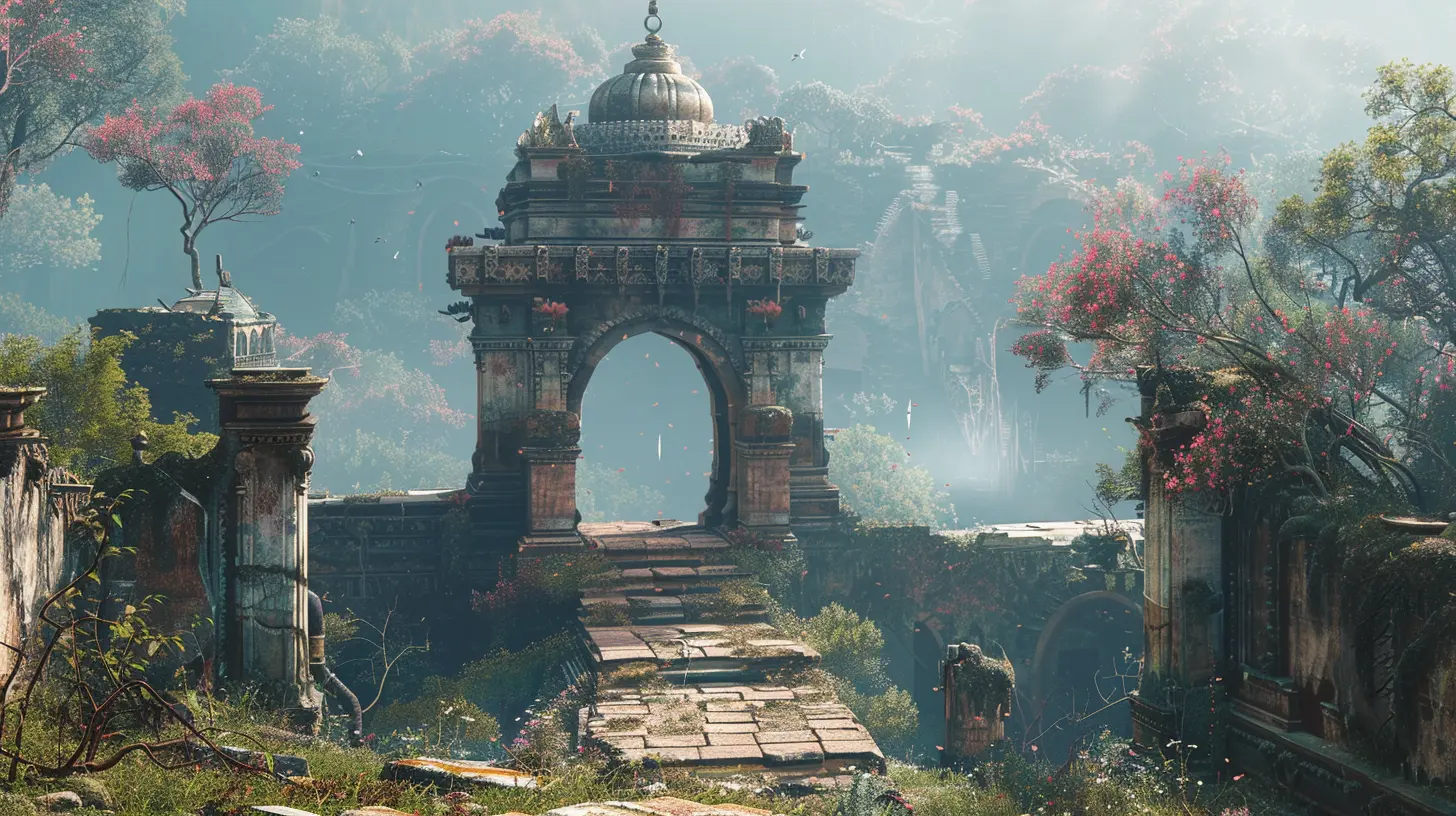
Music and Sound: The Unseen Hand of Culture
Music is a powerful emotional trigger, and game music is no different.Traditional Instruments and Regional Sounds
Remember Ghost of Tsushima? That game’s soundtrack draws heavily from traditional Japanese instruments like the koto and shamisen. This isn't just for flair—it roots the player in a particular time and place. Similarly, Middle Eastern-influenced games often use the oud or darbuka, instantly transporting players to desert landscapes and spice markets.Language, Accents, and Voice Acting
Even smaller things, like the accent of a voice actor or the rhythm of dialogue, reflect cultural tone. A British fantasy epic carries a different weight than one voiced with American English. And when characters speak in their native tongues—or at least with authentic nuance—the immersion deepens.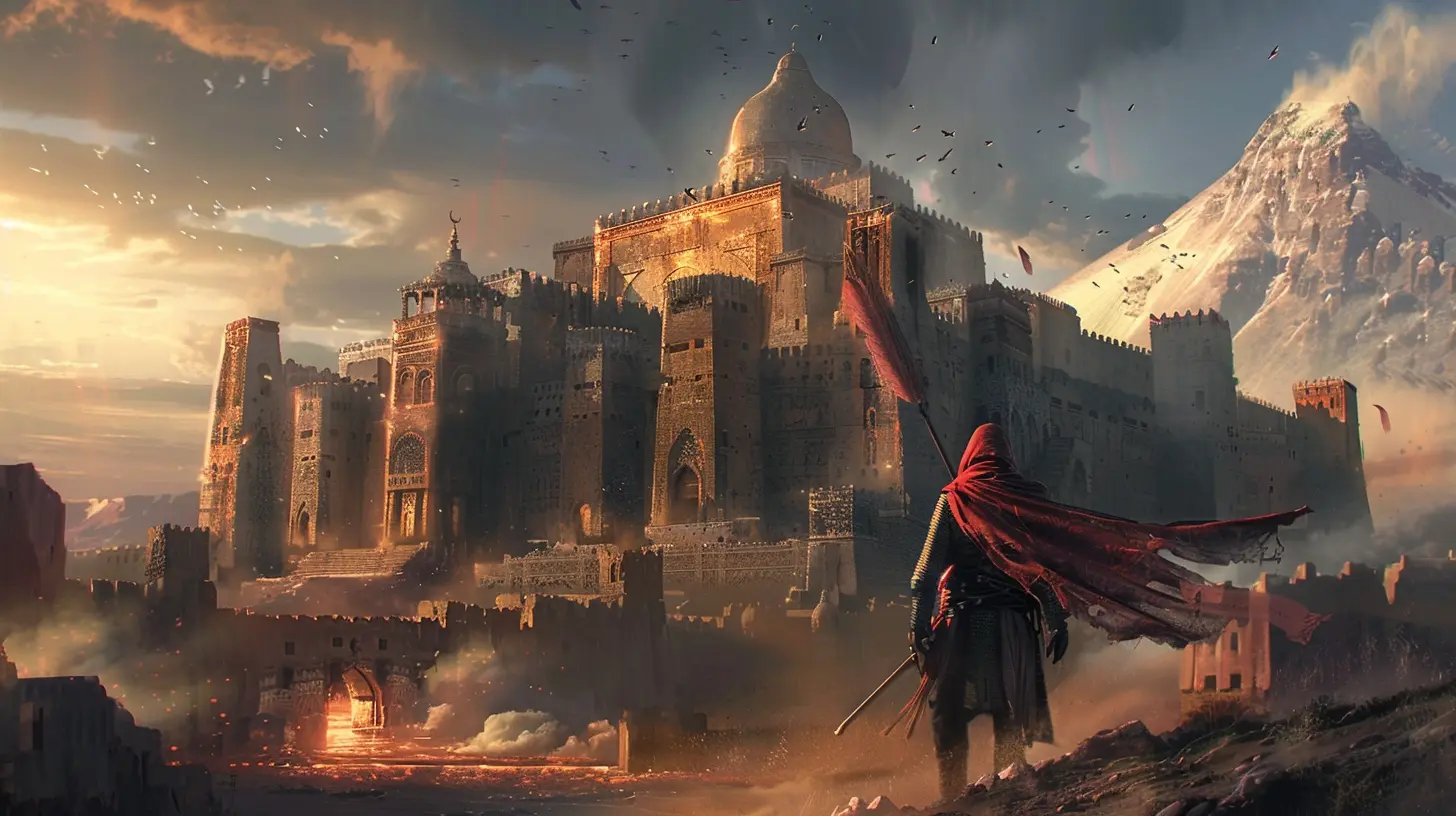
Storytelling Through a Cultural Lens
Culture shapes how we tell stories, and in games, this often determines both structure and content.Mythology and Folklore as Foundation
One of the clearest ways culture influences aesthetics is through mythology. God of War channels Norse and Greek mythology, Never Alone is based on Iñupiat storytelling, and Black Myth: Wukong is inspired by the Chinese classic Journey to the West. These aren't just skins slapped on a character—they're the backbone of entire worlds.Morality and Decision-Making
Games also reflect cultural views on morality. In Western games, moral choices are often binary: good vs. evil (Mass Effect, Fable). In contrast, many Eastern games, like Nier: Automata or Yakuza, delve into grey morality, where right and wrong aren’t so clear. That ambiguity reflects cultural values around collectivism, duty, and spiritual balance.Mechanics Are Aesthetic, Too
Wait—mechanics? Aren’t those separate from aesthetics? Not always.Competitive vs. Cooperative Play
Western culture often emphasizes individual achievement, which shows up in single-player campaigns or competitive online modes. Eastern cultures, especially in Korea and Japan, tend to value cooperation—leading to MOBAs, team-based tactics, and community-centered play models.Difficulty and Mastery
Ever notice how brutally hard some Japanese games are? (Looking at you, Dark Souls.) These games reflect a cultural respect for mastery, precision, and perseverance. Western players might see these as punishing, but they’re really about growth through challenge—a value that's deeply embedded in Japanese work and learning ethics.Case Studies: Games That Showcase Cultural Identity
The best way to understand this? Let’s look at a few standout games that wear their culture on their sleeves.1. Okami (Japan)
This gem from Clover Studio oozes Japanese tradition. The art style mimics ink-wash painting, the protagonist is a Shinto sun goddess, and every inch is dripping with spiritual symbolism. Playing Okami is like flipping through a magical history book.2. Assassin’s Creed Series (Various Cultures)
Ubisoft’s globe-trotting franchise jumps through historical settings across cultures—Italy, Egypt, Greece, and beyond. Each game is painstakingly researched to reflect the visual and social culture of its time, down to the architecture, clothing, and music.3. Never Alone (Alaska Native Culture)
Developed in collaboration with the Iñupiat people, this game doesn’t just tell a story—it preserves it. The aesthetic choices stem directly from tradition: from the narration in the native tongue to the art inspired by Iñupiat carvings and storytelling.4. Guacamelee! (Mexico)
This colorful indie title combines Mexican folklore with modern humor, luchador culture, and Day of the Dead aesthetics. It’s fun, it’s vibrant, and it carries a cultural identity that’s impossible to miss.Why This Matters: Representation and Connection
So why should we care about cultural influences in game aesthetics?For starters, representation matters. Seeing your culture reflected authentically in a game is powerful—it validates identity and opens doors for wider storytelling. It’s also a great teacher. People can step into beautifully realized worlds shaped by myths, art styles, and values they’d never otherwise encounter.
And let’s be real—it keeps games fresh. Tired of gritty post-apocalyptic landscapes? Dive into the surreal dreamland of a Thai-inspired fantasy. Curious about African folklore? There are games for that, too. Cultural diversity broadens the creative horizons of game design. It keeps things surprising.
The Future: A Global Tapestry of Gaming
As game development becomes more global, we’re seeing a beautiful blend of cultural influences. Indie developers from every corner of the world are adding their voices to the mix, leading to games that aren’t just unique—they’re deeply personal.We’re already seeing games that fuse traditions—a Korean-developed sci-fi game set in a Buddhist-inspired universe, or a Venezuelan-made dungeon crawler with elements of native folklore. The lines are blurring, but in the best way possible.
Developers are no longer asking how to cater to the mass market. They're asking: “What stories do we want to tell?” And that shift is changing gaming from the ground up.
Final Thoughts
When we talk about how cultural influences shape game aesthetics, we’re really talking about how human creativity is shaped by history, tradition, and worldview. Every pixel, sound, and mechanic tells a story—not just of the game world, but of the real world behind it.So the next time you boot up a game, pay attention. Look beyond the graphics. Listen to the soundtrack. Wonder about that odd creature design or story twist. Chances are, you’re experiencing someone’s culture—packaged up in digital magic.
The blending of worlds isn’t just a game feature. It’s a celebration of the diversity and depth that gaming, as an art form, can embrace.
all images in this post were generated using AI tools
Category:
Game GraphicsAuthor:

Pascal Jennings
Discussion
rate this article
1 comments
Roxie McKeehan
Cultural influences add depth to game aesthetics, creating unique experiences that resonate with players and enrich storytelling. Great read!
July 1, 2026 at 4:13 PM