Exploring the Connection Between Graphics and Game Genre
13 June 2026
When you think back to your favorite games, what's the first thing that pops into your mind? The story? The gameplay? Or maybe... the graphics?
Let’s be honest—while gameplay hooks us in, it’s often the graphics that make our jaws drop. But here’s the thing: not all games need cutting-edge visuals. Some genres thrive with pixelated sprites; others demand photorealism. That’s where the sweet marriage between graphics and game genre comes into play.
In this article, we’ll break down how different game genres either benefit from or rely on specific types of graphics. Grab your energy drink and let’s dive in!
Why Graphics Matter in Gaming
Before we get genre-specific, let's lay the groundwork: Why do graphics matter at all?Graphics do more than just make a game look pretty. They set the tone. They immerse you. They guide you, subtly or obviously, on what kind of experience you're about to have.
Imagine playing a horror game with cartoonish visuals—unless it's meant to be funny, it just doesn't hit the same. On the flip side, pixel graphics in a retro RPG? Nostalgic bliss.
Graphics are storytellers, mood-setters, and atmosphere-makers. They're not just eye candy—they’re soul food for the overall experience.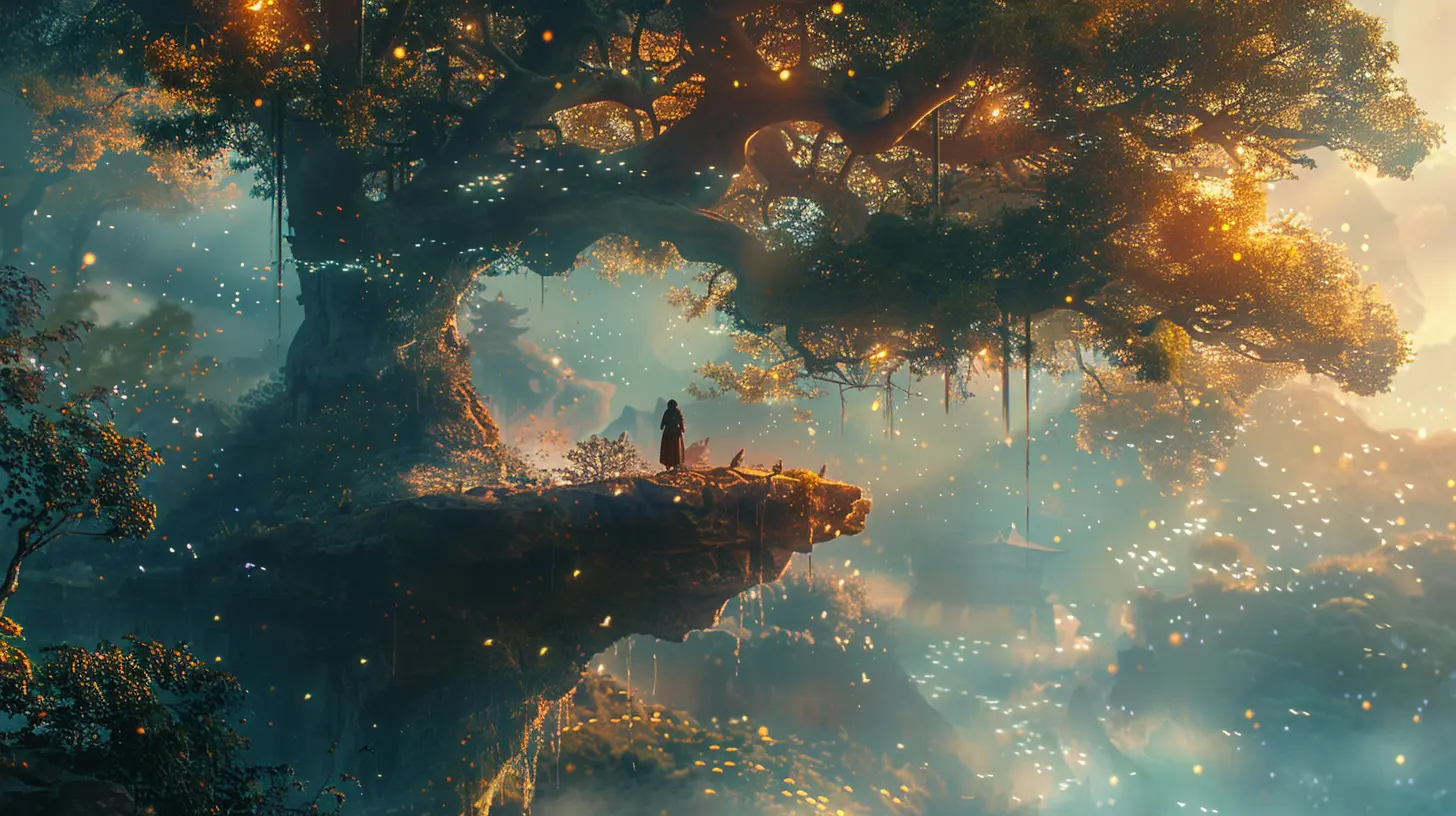
The Art of Matching Graphics to Genre
Some genres demand realism. Others love stylization. The connection between art style and game genre isn’t random—it’s deliberate.Let’s break this down genre by genre.
1. First-Person Shooters (FPS): Grit Meets Graphical Muscle
If there's one genre that really shows off a graphics card's horsepower, it's FPS games. Think Call of Duty, Battlefield, or Escape from Tarkov.Why Realism Works Here:
- Immersion is key. You are the character.- High detail helps with target recognition and strategy.
- Dynamic lighting and particle effects enhance realism.
FPS players obsess over frame rates, lighting, and textures because every visual detail impacts gameplay. When bullets are flying and grenades are exploding, your brain's trying to process danger. Realistic graphics help make that danger feel real.
But Stylized Can Work Too:
Games like Valorant or Overwatch prove you don’t need photorealism to dominate the genre. Instead, they focus on clean, readable visuals and strong character design. It’s still eye candy—just a different flavor.
2. Role-Playing Games (RPGs): Atmosphere is Everything
RPGs are all about immersion, world-building, and story. Visuals play a massive role in how we connect with these worlds.High-Fidelity RPGs:
Games like The Witcher 3 or Cyberpunk 2077 lean heavily on realistic graphics to transport you to different worlds. The lighting, the character details, the foliage—every pixel tells a story.Stylized RPGs:
Meanwhile, games like Ni No Kuni or Octopath Traveler embrace aesthetic charm over realism. These artistic choices help emphasize the fantasy element and give them a timeless feel.In both cases, the visual style complements the game’s narrative tone. Whether it’s gritty realism or whimsical fantasy, the graphics pull you into the story.
3. Horror Games: Lighting, Shadows, and Tension
Want to scare the living daylights out of someone? Nail the atmosphere with graphics.In survival horror games like Resident Evil or Outlast, lighting and environmental detail are crucial. Shadows creep. Lights flicker. The grime on the walls makes you feel uneasy.
Why Realism Is Effective:
- It blurs the line between fiction and reality.- Makes jumpscares more shocking.
- Enhances the psychological impact.
But not all horror games go for realism. Look at games like Limbo or Darkwood—they use minimalistic or top-down art styles, yet they’re terrifying. The takeaway? It’s less about how fancy the graphics are, and more about how well they set the mood.
4. Platformers: Bright, Bold, and Readable
Platformers—think Super Mario, Celeste, or Hollow Knight—often go for stylized, 2D or cartoon-inspired visuals.Why This Works:
- You need visual clarity for jumps and obstacles.- Stylized art keeps the screen readable at high speeds.
- It adds charm and personality.
These games need precision. Hyper-detailed, realistic graphics would be overkill and could actually hurt gameplay. Instead, you get tight, polished art design that supports smooth mechanics.
5. Strategy Games: Clarity Over Complexity
Whether it's turn-based like Civilization or real-time like StarCraft, strategy games are all about readability and information.Visual Priorities:
- UI design is king.- Units and buildings need to be distinguishable at a glance.
- The map must balance detail with clarity.
While some strategy games are eye-catching (Total War: Warhammer is a visual feast), most prioritize functionality. Flashy graphics are nice, but not at the cost of legibility.
6. Indie Games: Art as Identity
Indie developers often don't have the budget for AAA graphics, so they turn it into an advantage. They get creative—embracing pixel art, hand-drawn aesthetics, or minimalist design.Games like Hades, Stardew Valley, and Undertale have distinct visual identities that double as artistic statements. Their graphics don’t just support the game’s genre—they define it.
Indie devs use graphics as part of the storytelling itself. It’s like picking the right outfit for a job interview—it says a lot about you before you even speak.
7. Racing and Sports Games: Going Full Throttle on Realism
In racing games like Forza Horizon or sports titles like FIFA, realistic graphics are the expectation.You want that car to look like a real car. You want the grass on the football pitch to sway in the wind. This realism boosts immersion and can even affect gameplay (like recognizing track conditions).
These games rely on visual cues. The environment isn't just a backdrop—it's part of the gameplay. Advanced shadows and reflections help players gauge speed, timing, and distance.
8. Sandbox Games: Visual Creativity Unleashed
Sandbox games like Minecraft or Terraria show that graphics don’t need to be cutting-edge to be iconic.Minecraft’s blocky art? Instantly recognizable. It encourages creativity, not realism.
Then, you’ve got sandboxes like GTA V or Red Dead Redemption 2, where realistic graphics enhance world-building and make the world feel alive.
So, even within the same genre, graphical needs can vary drastically based on the game’s goals.
When Graphics Mismatch the Genre
Ever played a game where the visuals just felt... wrong?This can happen when developers use a graphic style that clashes with the genre’s emotional tone. It’s like watching a slapstick comedy filmed like a horror movie—awkward and confusing.
Game graphics need to support the genre's core experience. If not, the whole game can fall apart, no matter how good the mechanics are.
The Future of Graphics and Genre
With technology evolving faster than you can say “RTX On,” expect the line between graphics and genre to blur even more.We’re already seeing crossovers:
- Photorealistic platformers with rich narratives.
- Stylized FPS games with deep strategy.
- Indie horror games using retro aesthetics to terrifying effect.
AI-driven visuals, real-time ray tracing, and procedural generation could revolutionize how we match graphics to genres. Maybe one day, you’ll get to “choose your style” like you choose your weapon.
One thing’s for sure: the connection between graphics and genre is only going to evolve. But no matter the tech, the core rule stays the same—use visuals to enhance the experience, not overshadow it.
Final Thoughts: It's All About the Fit
Think of game genres and their ideal graphics like pairs of shoes. You wouldn’t wear hiking boots to the beach, right? Same deal here.The best games understand what kind of visuals their genre needs and deliver just that. Whether it's the rich, cinematic glory of an open-world RPG or the pixel-perfect charm of a retro platformer, graphics and genre go hand-in-hand like Mario and Luigi.
Next time you boot up a new game, take a second to look beyond the surface. Ask yourself: Does this game look the way it feels?
Chances are, there’s a lot more going on there than you think.
all images in this post were generated using AI tools
Category:
Game GraphicsAuthor:

Pascal Jennings
Discussion
rate this article
2 comments
Zevan Morrow
This article offers valuable insights into how graphics influence various game genres. It's fascinating to see how visual style shapes player experience and expectations. Understanding this connection can enhance both game design and player engagement. Great read!
July 26, 2026 at 3:21 AM
Oberon McFarlane
Graphics shape immersion, defining the genre's essence.
June 14, 2026 at 4:11 PM