Explaining the Emotional Finale of To the Moon
2 May 2026
If you’ve ever played To the Moon, you probably ended the game either crying, staring blankly at your screen, or sitting in stunned silence wondering, “What just happened?” You’re not alone. This indie gem has touched the hearts of countless gamers around the world, not because of flashy graphics or intense combat sequences, but because of one thing: pure, unfiltered emotion.
In this article, we’re diving deep into the tear-jerking, mind-bending, and utterly unforgettable ending of To the Moon. Buckle up, because we’re going to unpack why this finale hits so hard, what it really means, and how it perfectly ties together one of the most heartfelt stories in gaming.
What Is To the Moon, and Why Is the Ending Such a Big Deal?
Okay, let’s start with the basics — To the Moon is a story-driven RPG developed by Freebird Games, led by the incredibly talented Kan Gao. It follows two doctors, Eva Rosalene and Neil Watts, who work for the Sigmund Corporation. Their job? To fulfill the last wishes of dying patients by altering their memories. Think Eternal Sunshine of the Spotless Mind, but with pixel art and a piano soundtrack that will absolutely wreck your soul.The kicker? The dying man they’re helping, Johnny, doesn’t even know why he wants to go to the moon. He just knows he does.
The story gradually unravels Johnny’s past by letting the doctors (and you, the player) travel backward through his memories — from his final moments all the way back to his childhood. Sounds innocent enough, right? Wrong. This is where the emotional sledgehammer comes in.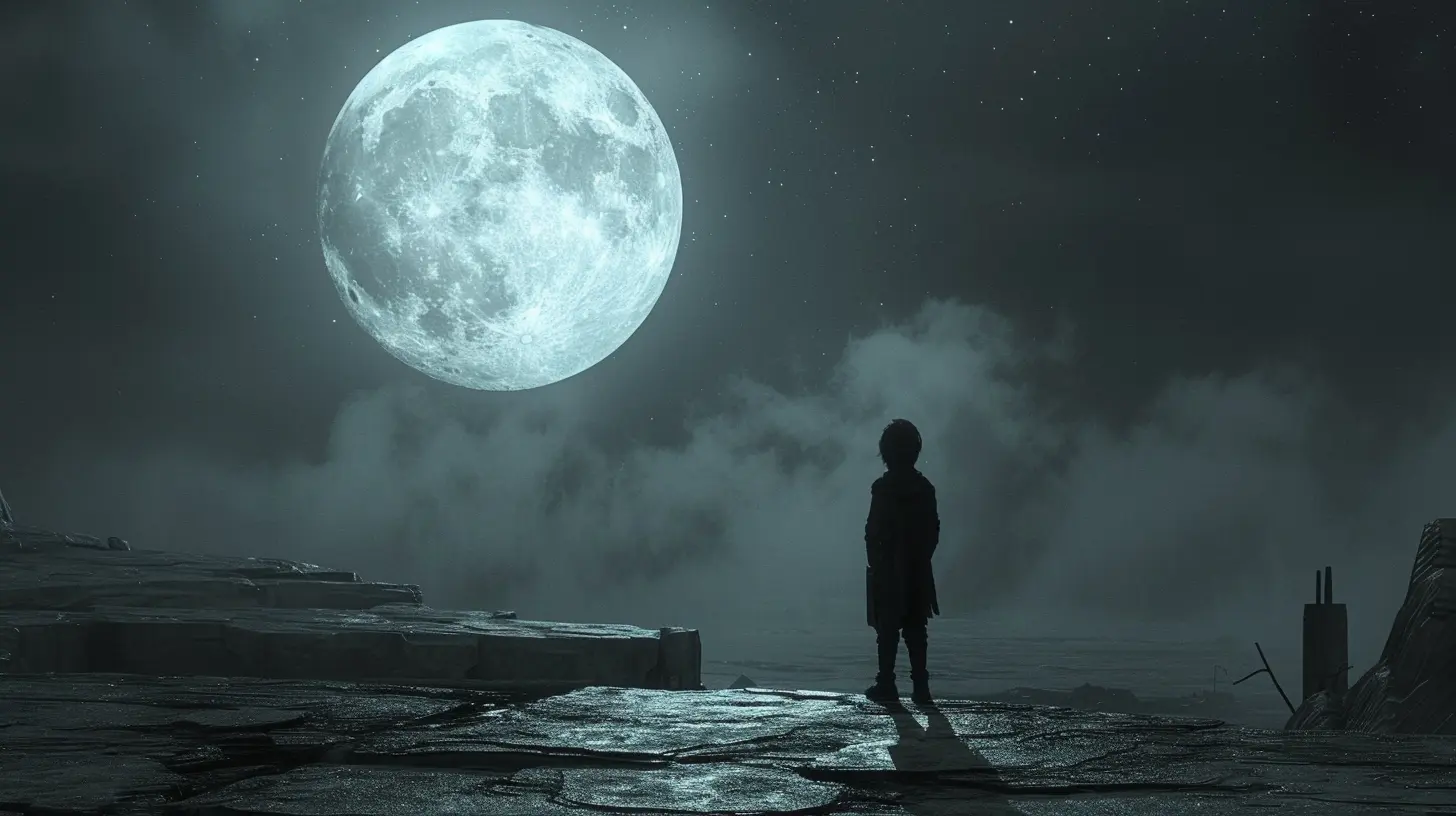
The Emotional Core of the Game: Love, Loss, and Memory
At the surface, To the Moon is a love story. But it’s not your typical fairy-tale romance. It's raw, messy, and incredibly human. Johnny’s life was shaped by his relationship with River, his late wife, who was on the autism spectrum. Their love wasn’t showy or poetic — it was quiet and real. River’s unique behavior and their disconnect on certain emotional levels make their connection both fascinating and heartbreaking.Throughout the game, we see flashbacks of their time together — building paper rabbits, sitting in silence, and, of course, the infamous stuffed platypus. Slowly but surely, we learn just how complex and deeply layered their relationship is.
So, when you finally uncover the full truth behind Johnny’s wish to go to the moon, it hits hard — because it’s not just about nostalgia or dream fulfillment. It’s about regret, closure, and a lost chance to connect with someone who truly mattered.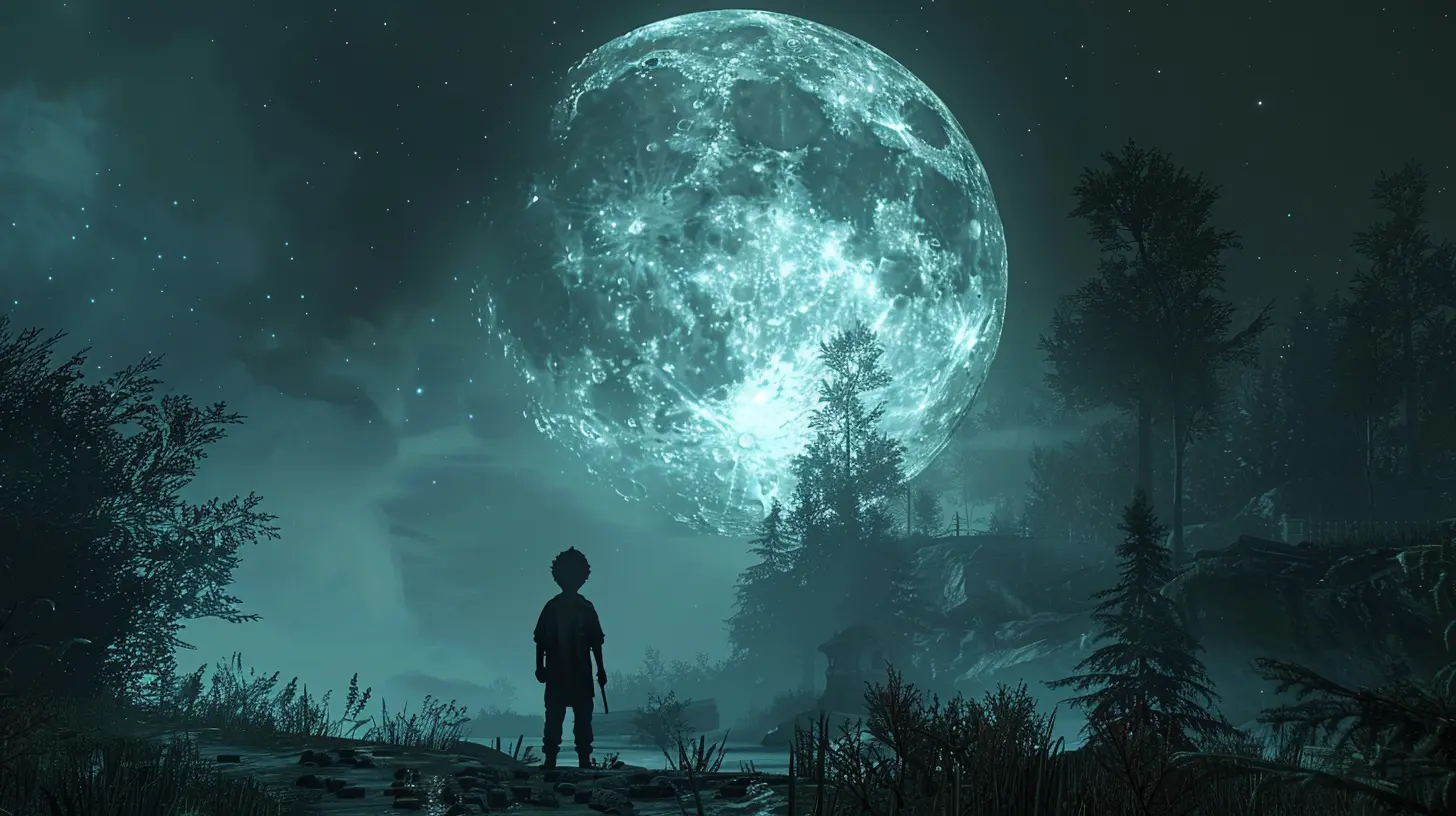
The Plot Twist That Changes Everything
Alright, spoiler alert if you haven’t played the game: the ending will gut-punch you with a revelation that completely redefines everything you thought you knew.You see, when Johnny was a child, he met River at a carnival. They made a promise to watch the stars together and meet at the moon if they ever got separated. Sounds sweet, right? The tragic part? Johnny forgot.
After his twin brother Joey died in a car accident, Johnny was given beta blockers — a medication that suppressed his memories to help him cope with the trauma. But it also erased the memory of that night with River. That’s why he always had this nagging desire to go to the moon — it wasn't random. It was a lost memory, haunting him subconsciously.
That twist is what makes the story so bittersweet. Johnny’s deepest longing wasn’t just to reach the moon. It was to reconnect with something — someone — he didn’t even remember losing.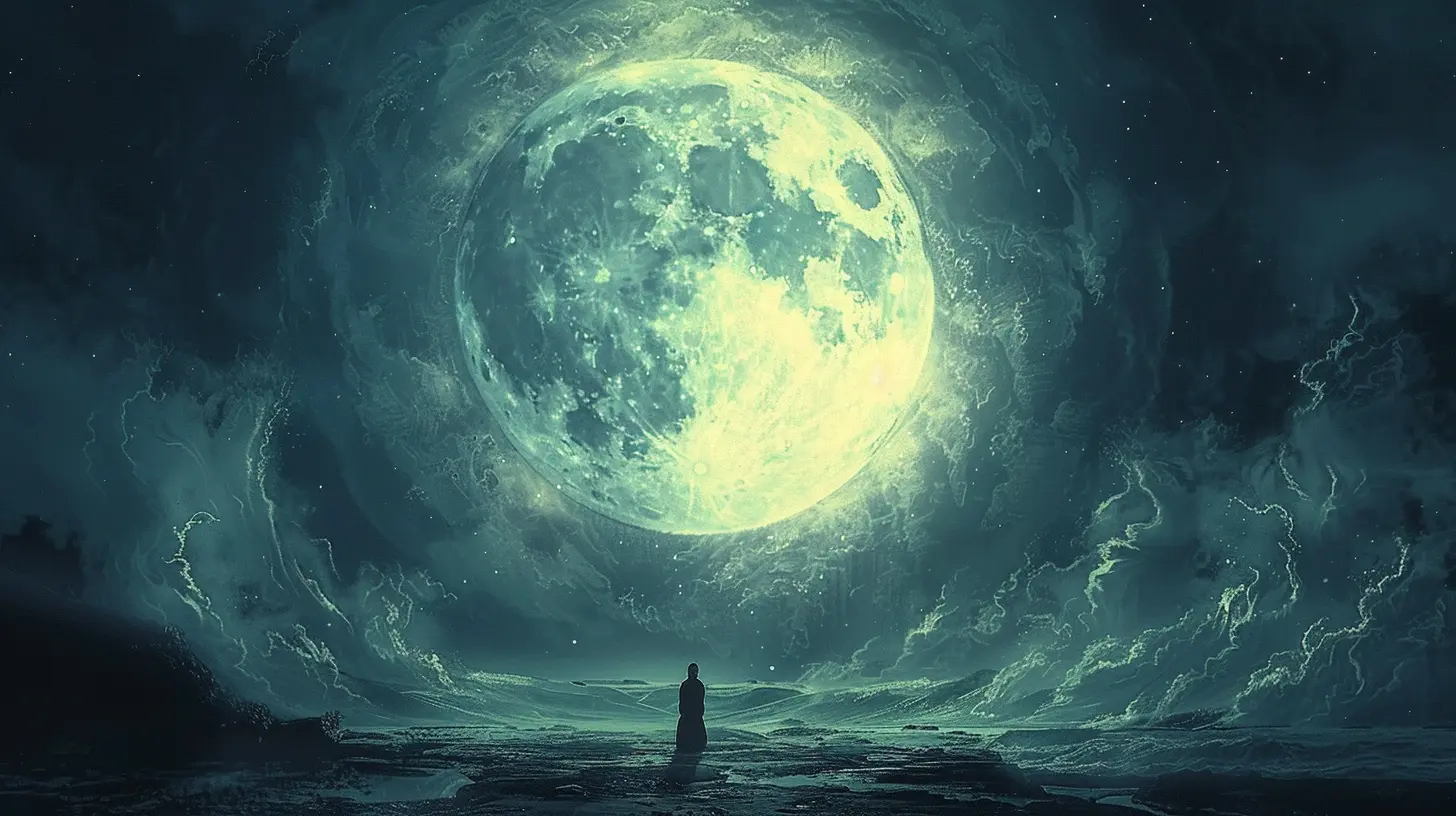
Eva’s Bold Move: Reshaping Johnny’s Memory
As the story nears its end, the doctors realize that they can’t directly fulfill Johnny’s wish without erasing too much of his relationship with River. So Eva makes a controversial decision — she creates a new memory sequence where Johnny becomes an astronaut, meets River earlier, and fulfills his dream of going to the moon... with her by his side.This memory isn’t real. It didn’t happen. But in his final moments, Johnny believes it did. He dies peacefully, hand-in-hand with River, on a shuttle heading toward the moon.
It’s beautiful. It’s fabricated. It’s complicated.
And that’s kind of the point.
The Real Question: Does It Matter If It Wasn’t Real?
Here’s where things get philosophical. The ending of To the Moon raises an age-old question: if a memory feels real, does it matter that it isn’t?Johnny lived a life full of regret. He never understood why he felt incomplete, why River was so distant at times, or why he always looked up at the moon with longing. In the end, he got closure. It might’ve been artificial, but emotionally? It felt real to him.
And maybe that’s all that matters.
This theme resonates so deeply because we all have those “what if” questions. We all wonder about the paths not taken, the memories faded with time, or the people we didn’t truly understand until it was too late. To the Moon taps into those human emotions with such precision that it’s impossible not to feel affected by it.
The Power of Music in the Finale
Okay, we can’t talk about the ending without giving a huge shoutout to the soundtrack. Kan Gao didn't just write and direct the game — he composed the music too. And wow, did he knock it out of the park.The track “Everything’s Alright” by Laura Shigihara plays during the final sequence, and let me tell you — it wrecks you. The combination of simple piano chords, haunting melodies, and heartfelt lyrics turns the emotional weight up to eleven.
Music in To the Moon isn’t just background noise. It’s a story device. It gently guides your emotions, accents key moments, and makes the ending linger long after the screen fades to black.
Why the Ending Stays With You Long After the Credits Roll
Some games are fun. Some are exciting. But To the Moon is something else entirely — it’s memorable. Not because of its gameplay (which is deliberately simple), but because it leaves a mark on your soul.The ending doesn’t tie everything up in a neat little bow. It’s messy and emotional and open to interpretation. Did Eva do the right thing by implanting a false memory? Was Johnny truly happy with River in real life? Would things have been different if he’d remembered that night at the carnival?
Those questions don’t have clear answers. But they’re not supposed to. The beauty of To the Moon is that it makes you feel something — deep, aching, beautiful sadness. And maybe a little hope, too.
Comparing To the Moon to Other Emotional Games
Let’s be real — there are a lot of emotional games out there. Life is Strange, Undertale, The Last of Us, Brothers: A Tale of Two Sons — all of them can make you cry buckets. But To the Moon stands apart because of its simplicity and laser focus on storytelling.No complex mechanics. No open-world exploration. Just a deeply personal narrative delivered through pixel art and a lot of heart. It proves that you don’t need AAA graphics to tell a story that sticks with players for years.
It’s storytelling at its finest. And that finale? It’s the emotional climax that makes the entire journey worth taking.
Final Thoughts: What To the Moon Teaches Us About Life
At the end of the day, To the Moon isn’t just a game. It’s a meditation on memory, regret, and love. It reminds us that the things we forget — or never fully understood — can shape our lives in ways we never see coming. It challenges us to appreciate the people we love now, while we still can. And it shows us that even if our stories don’t go the way we planned, they can still end beautifully.Whether you view the ending as hopeful or heartbreaking, one thing’s for sure: it leaves a lasting impression. And if that’s not the mark of a great piece of art, I don’t know what is.
So the next time you look up at the moon, maybe — just maybe — you’ll think of Johnny and River. And you’ll remember that sometimes, even a fictional story told through 16-bit graphics can say more about life than a thousand blockbusters ever could.
all images in this post were generated using AI tools
Category:
Game Endings ExplainedAuthor:

Pascal Jennings
Discussion
rate this article
2 comments
Yazmin Wilson
This article beautifully captures the essence of To the Moon's finale. The emotional depth and storytelling resonate deeply, reminding us of love and memory's profound impact. Thank you for such an insightful analysis.
May 29, 2026 at 4:25 AM
Pascal Jennings
Thank you for your kind words! I'm glad you found the analysis meaningful. To the Moon truly touches the heart in so many ways.
Bailey Kline
Ah yes, the emotional rollercoaster of To the Moon. Because nothing says gaming bliss like loading up a nostalgic ride through heartache and memories. Can't wait to cry over pixelated characters again. Who needs therapy when you have a game that can emotionally destroy you in two hours?
May 2, 2026 at 3:46 PM
Pascal Jennings
I get it-To the Moon hits hard. Those pixelated moments really pull at the heartstrings. It's a unique kind of therapy for sure.