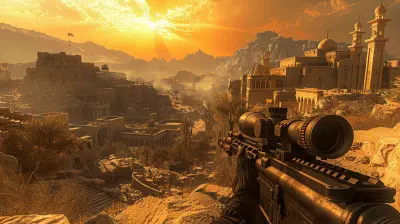
Dynamic Weather Systems and Their Visual Impact
12 August 2026
Video games have come a long way, haven’t they? From pixelated heroes on static backgrounds to hyper-realistic worlds that feel so alive, you could almost smell the rain. One of the most jaw-dropping advancements in game design today is the use of dynamic weather systems. It's not just about eye candy either—these weather systems have a profound impact on gameplay, immersion, and storytelling.
But what exactly are dynamic weather systems, and why do they matter so much? Buckle up. You're about to find out just how stormy things can get in the best way possible.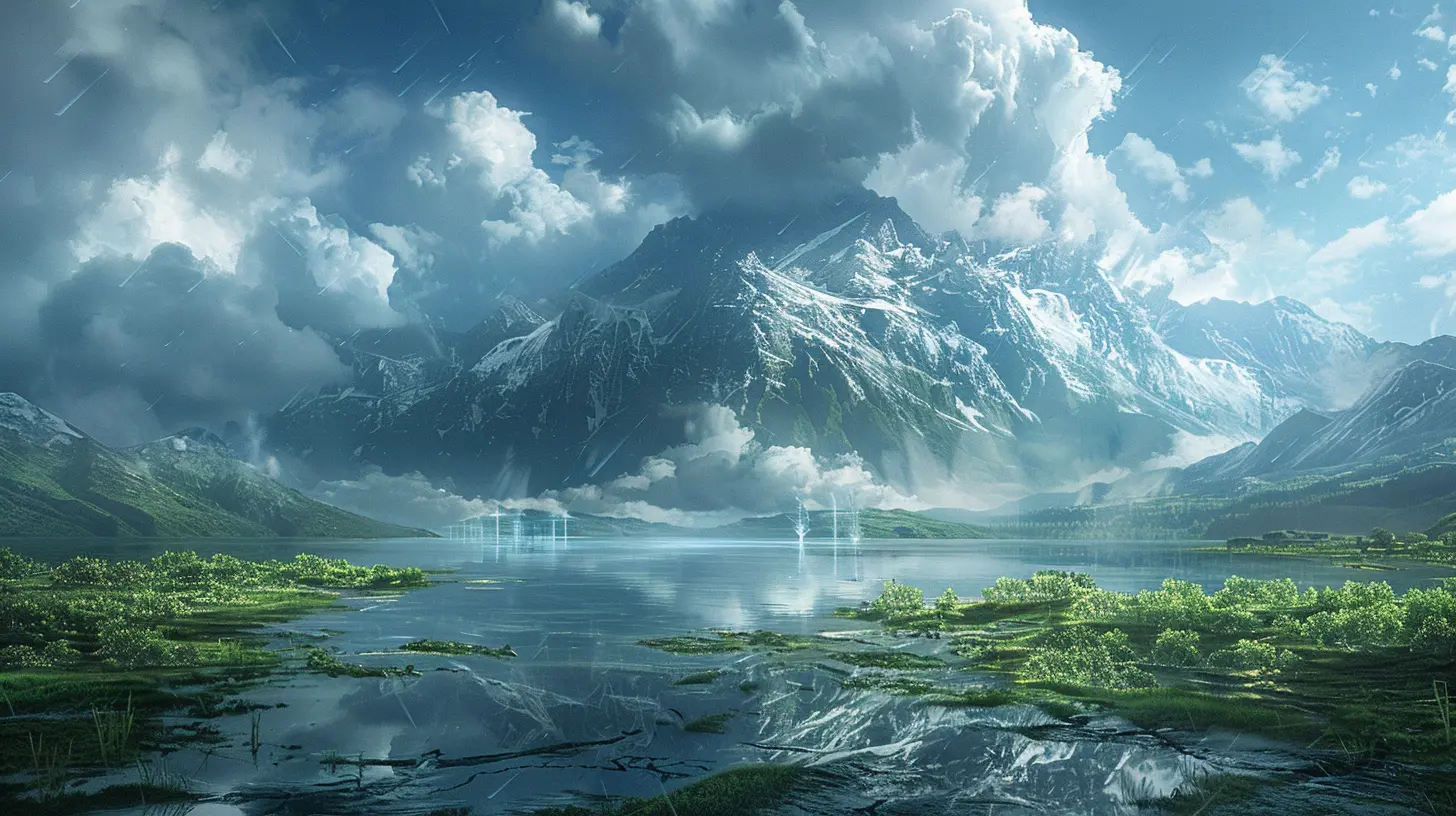
What Are Dynamic Weather Systems?
Imagine this: you're sneaking through a dense jungle in a stealth game, and suddenly the skies open up. Rain pours down, thunder cracks in the distance, and fog rolls in, making it harder to see enemies. That's a dynamic weather system in action.At its core, dynamic weather in games refers to real-time, changing atmospheric conditions that can include rain, snow, fog, storms, wind, and even temperature shifts. These aren’t pre-scripted cutscenes—they evolve naturally, based on in-game time or triggered events.
Dynamic weather affects everything—from visibility and sound to how your character moves or what tools you'll need. And let's be honest, it just looks damn cool too.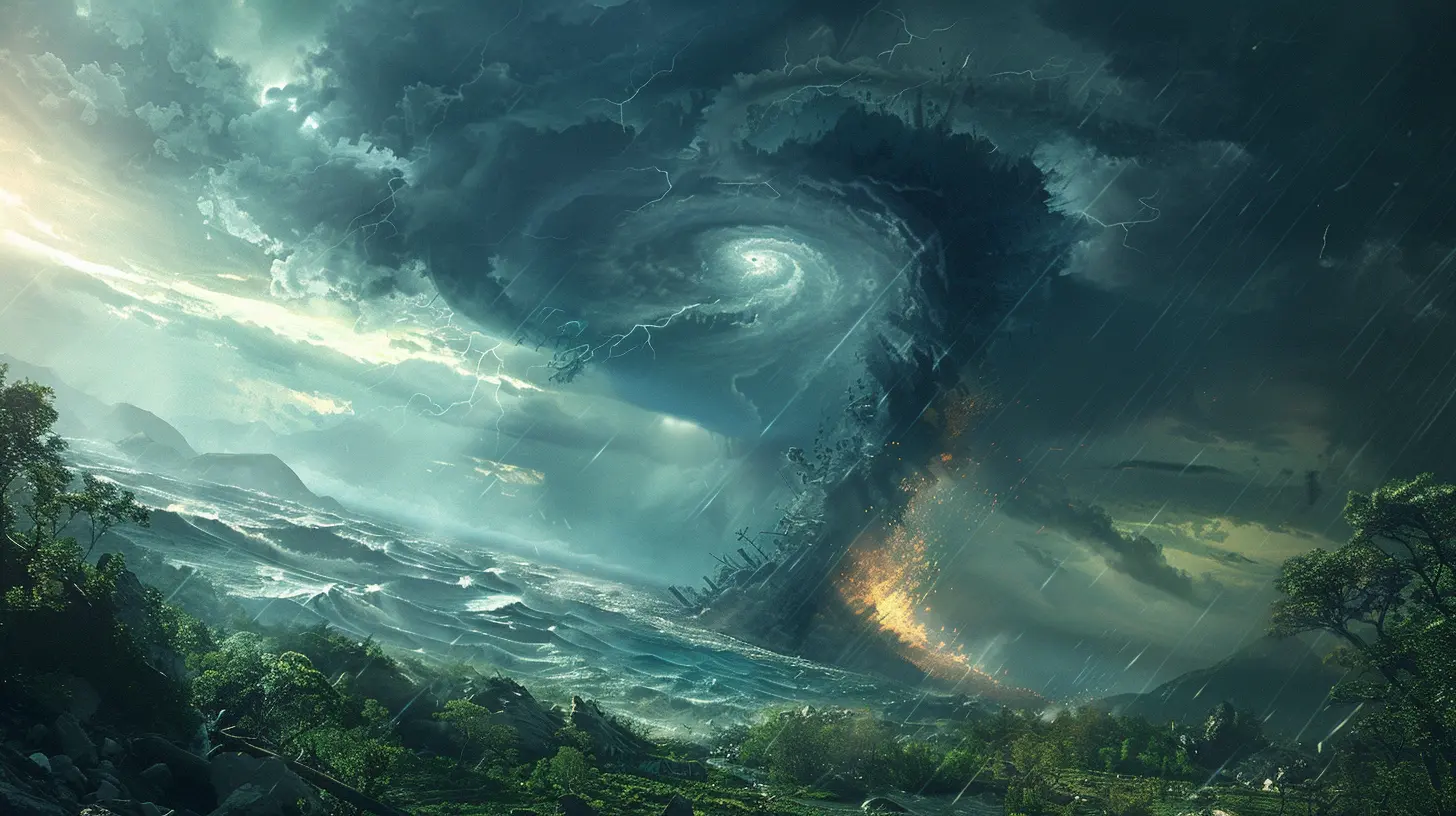
Why Weather Isn’t Just a Pretty Effect Anymore
Let’s face it—static blue skies are boring. Gamers today crave realism, complexity, and unpredictability. That’s where dynamic weather shines (or storms).Developers are now using weather not just to decorate the environment but to enhance the entire gaming experience. Think of it as set design in a movie, but it changes depending on how you're playing.
It Changes the Mood
Ever walked into a sunny forest and felt at ease, then returned to that same place in a lightning storm and felt totally unsettled? That’s the power of weather: It controls the emotional tone of a scene.It Influences Gameplay
Weather can be your best friend or your worst enemy. In some games, rain dampens sound, making it easier to sneak. In others, snow slows your movement or fog limits your vision. It introduces variables that make every session feel different.It Tells a Story
Yep, weather can be a storyteller too. A sudden blizzard in a survival game isn’t just for show—it might signal an upcoming challenge. A slow, sunny dawn after a harrowing battle? Pure emotional payoff.
Games That Nailed Dynamic Weather (And Raised The Bar)
Some games do it so well, you’d swear Mother Nature coded them herself. Let’s highlight a few giants that got it right.1. Red Dead Redemption 2
This game is like a weather simulator disguised as a cowboy adventure. The skies darken gradually before a storm, trees sway in the wind, and puddles form realistically during rain. The sound of thunder in the mountains? Bone-chilling. Rockstar didn’t just add weather—they built their world around it.2. The Legend of Zelda: Breath of the Wild
Rain in this game doesn’t just look good—it's frustrating in the best way. It makes climbing nearly impossible, forcing players to wait or adjust their strategy. Thunderstorms? If you’re carrying metal, you might just get fried. It’s weather with real consequences.3. Ghost of Tsushima
In this samurai masterpiece, the weather actually reacts to your actions. Leaning into the Ghost path makes the skies gloomier, while honorable combat keeps the sun shining. It’s a poetic link between gameplay and climate.4. Battlefield 2042
Here, weather is war. Tornadoes sweep through battlefields, changing tactics on the fly. One second you're sniping from a rooftop, and the next, you're being sucked into a wind vortex. It’s chaos—but the good kind.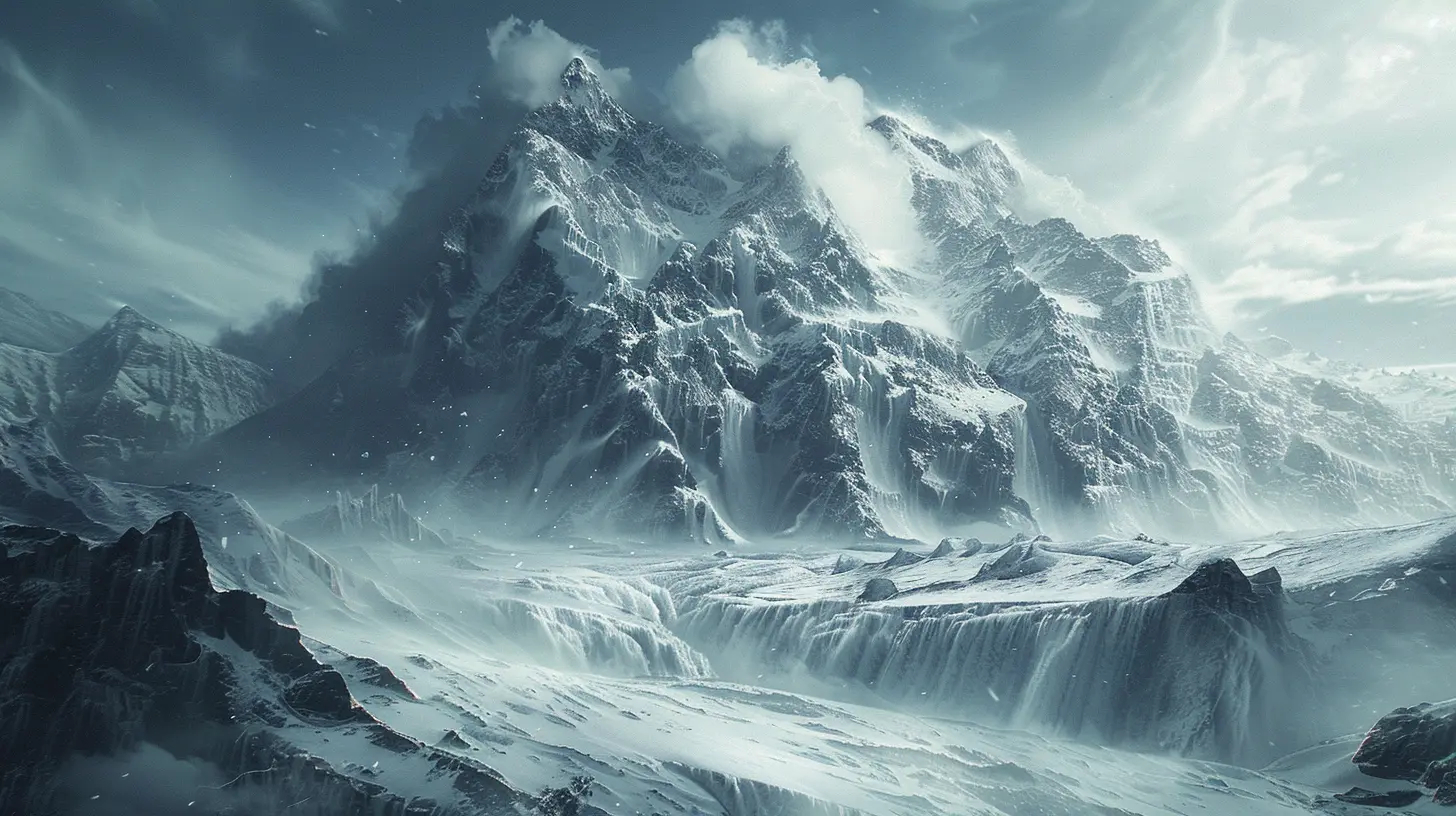
Visual Impact: Why Weather Makes Everything Pop
Let’s talk about eye candy. We've all paused in a game just to admire the rain trickling down a windshield or snow crunching underfoot. Dynamic weather, when done right, transforms visuals in unbelievable ways.Lighting and Reflections
Rain-soaked streets reflect neon signs. Lightning casts terrifying shadows. A sunny day turns golden during magic hour. These are not just graphics—they're feelings.Particle Effects
From dust storms to fluttering cherry blossoms, particles enhance realism. A blizzard isn’t just white textures—it’s swirling snowflakes, reduced visibility, and the sound of wind howling in your ears.Environmental Reactions
When water pools in low areas or plants sway in the wind, the world feels alive. These little details trick your brain into thinking, “Yup, this place is real.”How Dynamic Weather Elevates Immersion
Ever been so lost in a game that you forgot it wasn’t real? That’s immersion—and dynamic weather is a massive contributor.It Offers Surprise
Predictable worlds are dull. But a sunny day turning into a thunderstorm without warning? That creates memorable moments.It Adds Layers of Strategy
Say you're playing a survival game and a storm is incoming. Do you rush to find shelter, or risk traveling and get hypothermia? The choice matters. Games like ARK: Survival Evolved and The Long Dark use weather as a mechanic that forces real-time decisions.It Enhances Sound Design
Rain isn’t just a visual treat—it’s an audio layer too. The patter on a rooftop, the crunch of snow, or the distant rumble of thunder draws you deeper into the game world.The Tech Behind the Clouds: How Do They Do It?
Okay, so how do developers magically summon weather in a digital world?Procedural Generation
Many games use algorithms to simulate weather patterns that change over time. These systems can consider in-game location, terrain, and even time of year.Real-Time Rendering
With the power of modern engines like Unreal Engine 5 and Unity HDRP, developers render weather effects in real time. This means better lighting, reflections, and environmental reactions.Audio Integration
Dynamic weather doesn’t just look good—it sounds good too. Wind, thunder, rain—all adjust dynamically based on your surroundings and what you're doing.What’s Next for Dynamic Weather in Games?
Just when you think it can’t get better, the future says, “Hold my umbrella.”Hyper-Realistic Atmospheres
With improved GPUs and faster SSDs, we’re heading into a future where games can simulate full climate systems. Think shifting seasons, humidity levels, and even barometric pressure. Yeah, it's getting serious.More Gameplay Integration
We’ll likely see games where weather affects everything—maybe even NPC behavior, economy, or enemy aggression. Imagine villages locking doors before a storm or animals migrating before snowfall.AI-Driven Weather
What if the weather adapted to how you play? Play aggressively, and you might trigger darker clouds. Stay stealthy, and the world stays serene. Dynamic gameplay, meet dynamic climate.Why Gamers Are Obsessed With Weather (And You Should Be Too)
Let’s be real—weather is something we deal with every day. It’s the great equalizer. So when games start mimicking it with such precision, we sit up and take notice.It’s not just about graphics or cool effects. It’s about being drawn into a world so deeply that you forget you're holding a controller. It's about stories told through clouds and choices made in fog.
Dynamic weather systems are no longer a bonus feature. They're becoming essential to world-building, gameplay evolution, and emotional storytelling. And as technology continues to evolve, who knows? Maybe the next big narrative in gaming will blow in with the wind.
So next time you’re wandering through a digital world and the skies darken before rain, take a moment. That, my friend, is the weather telling a story—and you’re a part of it.
Final Thoughts
Dynamic weather systems offer more than just visual flair—they breathe life into virtual worlds. From shaping gameplay to stirring emotions, weather has stepped out of the background and into the spotlight. And as games continue to evolve, this trend is only gaining momentum.Ready to game in the rain, snow, or maybe even a sandstorm? You better be. Because the forecast for the future of gaming? 100% chance of awesome.
all images in this post were generated using AI tools
Category:
Game GraphicsAuthor:

Pascal Jennings