Creating the Perfect War Game: What Developers Consider
25 December 2025
War games have this uncanny knack for grabbing our attention and pulling us into intense, immersive worlds where strategy, adrenaline, and storytelling collide. Whether you're leading troops through the trenches of a gritty historical battlefield or commanding futuristic alien forces in an intergalactic conflict, one thing’s clear: a lot of thought goes into making these games feel authentic, exciting, and unforgettable.
But have you ever stopped and wondered what actually goes on behind the scenes when developers craft the perfect war game? Turns out, it’s not just about throwing in explosions and calling it a day. Game developers are juggling a whole list of considerations, balancing historical accuracy with player freedom, realism with fun, and narrative depth with technical performance. Let’s dive into the nuts and bolts of what it takes to create a masterpiece in the war game genre.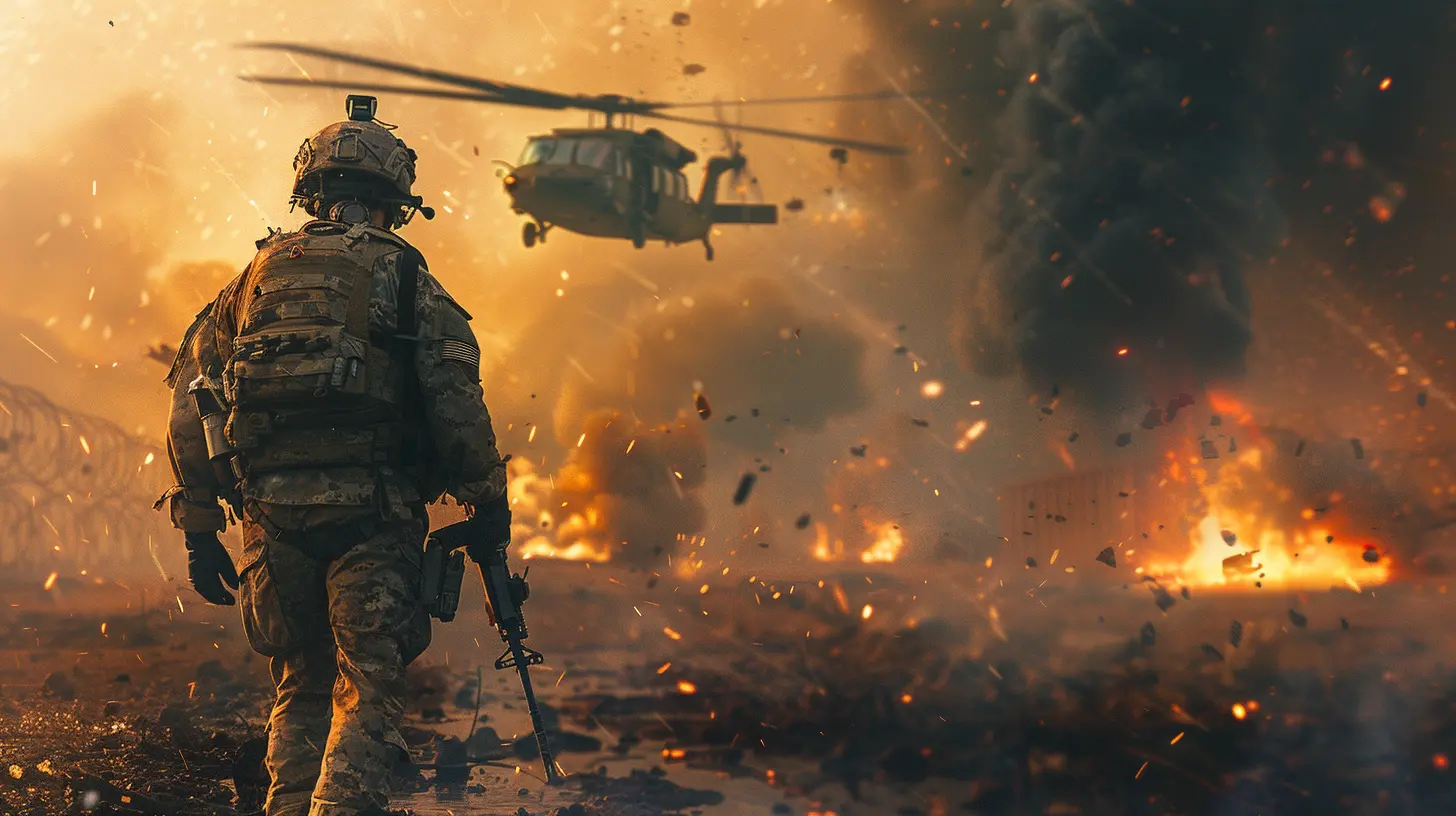
1. Striking the Balance Between Realism and Fun
If you’ve ever played a war game, you know that realism often takes center stage. The grittier, the better, right? Well, not so fast.Game developers have to ask themselves: how much realism is too much? Sure, you could create a war game where the player has to clean their rifle, manage troop rations, and keep track of fatigue levels. But would that be fun for most people? Probably not. Games like Arma 3 lean heavily into realism, offering players an authentic military simulation. On the other hand, titles like Call of Duty dial down the complexity for more action-packed, adrenaline-fueled gameplay.
Finding the sweet spot between serious realism and fast-paced fun is a delicate balancing act. Developers have to decide: should players feel like they’re in the boots of a real soldier, or should they feel like an action hero starring in the next summer blockbuster?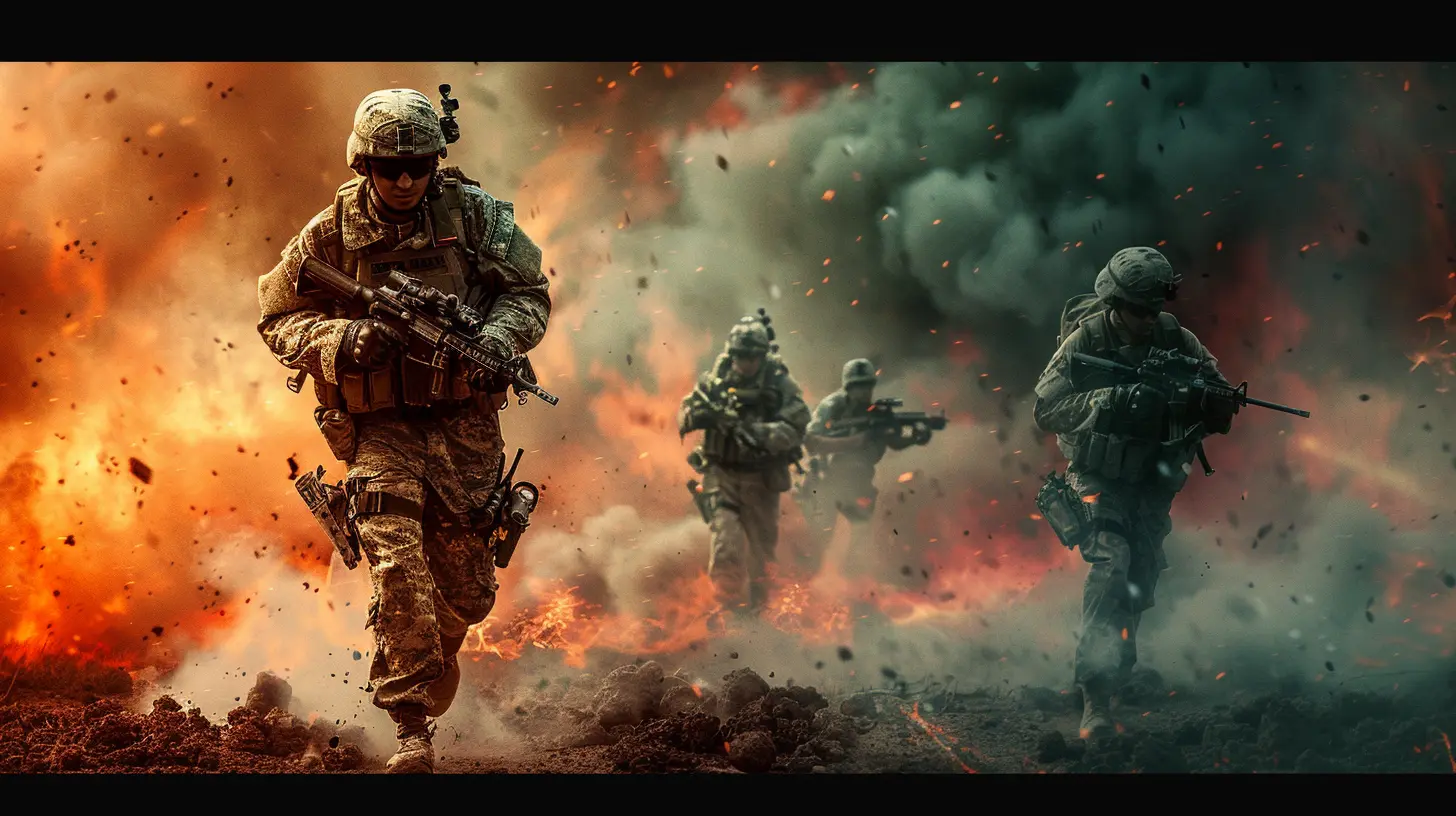
2. Crafting Immersive Worlds and Settings
One of the first things developers think about is the time period and setting. Should the game unfold during World War II? Maybe it’s set in a dystopian future where advanced AI controls the battlefield, or perhaps it’s a fictional nation embroiled in a civil war. Each choice comes with its own challenges.A historical setting means developers need to do their homework. Nobody wants to play a World War II game where the tanks look like sports cars or the dialogue sounds like it came from a bad soap opera. Historical research is vital, and attention to detail can make or break immersion. Games like Company of Heroes and Battlefield 1 stand out precisely because they capture the mood and chaos of their respective eras so well.
On the flip side, futuristic or fictional settings give developers more creative freedom. Here, imagination runs wild, but even fantastical worlds need some grounding. Gamers want environments, weapons, and tactics that feel cohesive and logical—even if they’re entirely made up.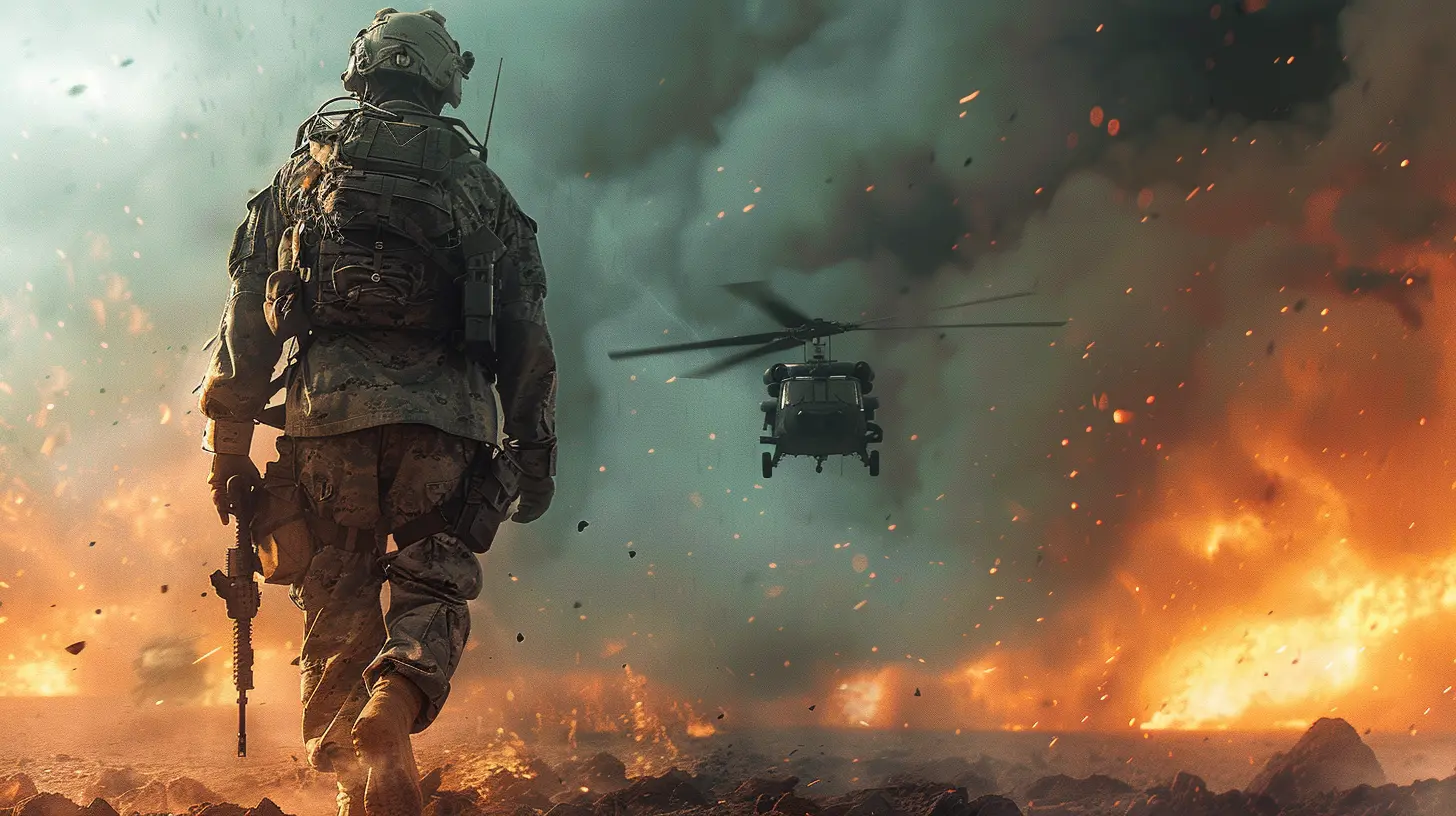
3. Nailing Gameplay Mechanics
Let’s be honest: gameplay is king. You can have the most stunning visuals and captivating story, but if the game’s mechanics feel clunky or boring, players won't stick around. War games thrive on mechanics that are both smooth and engaging.A lot of time goes into designing combat systems that feel satisfying. For first-person shooters, the guns must have weight, recoil, and a sense of power. For strategy games, developers need to ensure that commanding troops and managing resources feels both challenging and rewarding.
Level design also plays a huge role here. Battlefields need to be diverse, offering players opportunities for different tactics. Think of games like Total War, where maps feature choke points, hills for ambushes, and forests for cover. Great level design gives players agency to experiment and adapt based on the scenario.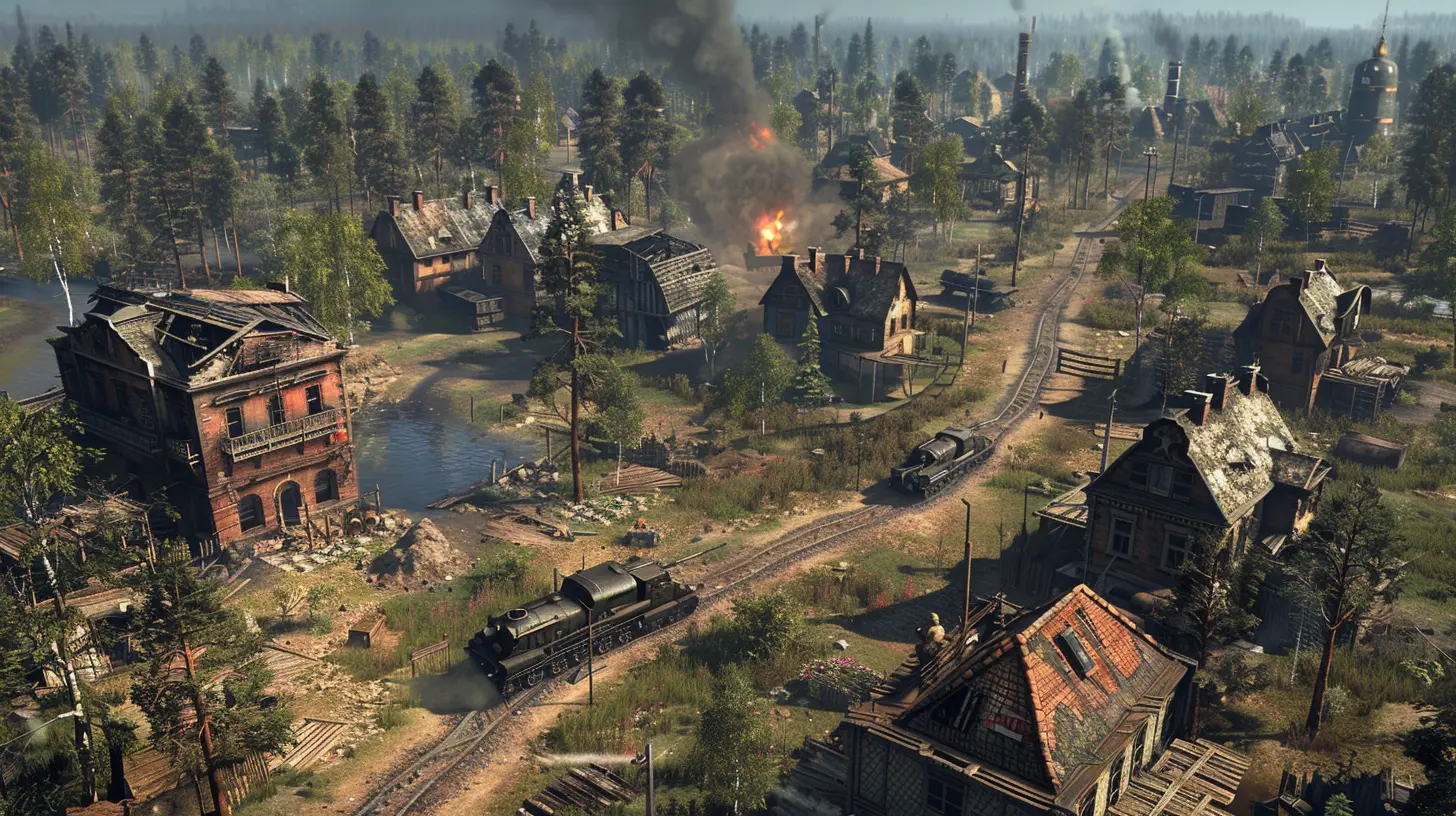
4. Injecting Emotion into the Storyline
Let’s face it: war is emotional. It’s messy. It’s heartbreaking. And the best war games don’t just bombard players with explosions and gunfire—they make you feel something. They take you on an emotional journey.Whether it’s the camaraderie between soldiers, the weight of tough decisions, or the horrors of battle, storytelling is a big part of what makes war games memorable. In Spec Ops: The Line, for example, the developers didn’t shy away from showcasing the psychological toll of war on soldiers, creating a gut-wrenching narrative that stuck with players long after the credits rolled.
But not every war game needs to be dark and heavy. Some games, like Advance Wars, use a lighter tone while still delivering compelling strategic gameplay. Developers carefully tailor the story’s tone and emotional beats to match the overall vibe of the game.
5. Considering Single-Player vs. Multiplayer
Another big decision for developers is whether to focus on single-player campaigns, multiplayer battles, or both. Each path has its own set of considerations.Single-player campaigns need a tight narrative and well-paced missions that keep players engaged. These campaigns often lean heavily on cinematic moments and character development to make the experience feel more personal. Take Medal of Honor or Halo for example—players get to experience the story firsthand, often from an individual soldier’s perspective.
Multiplayer, on the other hand, focuses more on player-versus-player dynamics. It’s all about balance here. Developers need to make sure no weapon, skill, or tactic dominates the battlefield, or players will rage-quit faster than you can say "overpowered sniper rifle." Popular titles like Battlefield and War Thunder excel in creating massive, chaotic battles filled with real-life players working (or not working) as a team.
6. Ensuring Replayability
Here’s the thing: war games are only as good as their staying power. If players finish the campaign or get bored with multiplayer after a week, the game has failed to keep its audience engaged. Replayability is key.So how do developers keep players coming back for more? One method is providing a wide variety of maps, missions, and game modes. Another is incorporating progression systems—unlockables, upgrades, and achievements that give players something to strive for. Games like Warframe and World of Tanks hook players with constant rewards and challenges, keeping them invested long-term.
Modding communities can also boost replayability. By giving players the tools to create their own maps, missions, and scenarios, developers can extend the life of their games significantly. Just look at the Arma series—it’s practically a modder’s paradise.
7. Polished Graphics and Sound Design
War is loud, chaotic, and visually overwhelming, and that’s exactly what developers aim to replicate. High-quality graphics and sound design are non-negotiable for immersive war games.Modern games use cutting-edge technology to create lifelike character models, realistic explosions, and detailed environments. Stunning visuals draw players in, but it’s often the sound design that seals the deal. The echo of distant gunfire, the roar of tanks, and the tense silence before all hell breaks loose—these audio cues immerse players in the chaos. Without them, war games would just feel... flat.
8. Technical Performance and Accessibility
Finally, none of this matters if the game runs like a potato. Developers have to optimize performance to ensure smooth gameplay. Lag, frame-rate drops, and glitches can ruin even the best-designed war games.Accessibility is another growing concern. More and more developers are prioritizing features like customizable controls, colorblind modes, and difficulty settings so that everyone, regardless of skill level or physical ability, can enjoy the game.
Final Thoughts
Creating the perfect war game is no small feat. It’s a massive balancing act, where developers have to juggle historical accuracy, engaging gameplay, immersive storytelling, and technical polish. And while different studios approach these challenges in different ways, one thing remains clear: a great war game doesn’t just entertain—it leaves a lasting impression.So, the next time you’re storming a virtual beach or leading a squad into battle, spare a thought for the developers who made it all possible. They’re the unseen strategists, working tirelessly behind the scenes to craft experiences that resonate with players worldwide.
all images in this post were generated using AI tools
Category:
War GamesAuthor:

Pascal Jennings
Discussion
rate this article
2 comments
Vienna Myers
Great read! It’s fascinating to see how much thought goes into creating a war game. I can’t wait to see what’s next!
January 13, 2026 at 3:30 PM
Pascal Jennings
Thank you! I'm glad you enjoyed it. Stay tuned for more insights!
Kade Fields
Great insights! Balancing realism, strategy, and player engagement is crucial for developing a successful war game.
January 12, 2026 at 3:28 AM
Pascal Jennings
Thank you! Striking that balance is indeed key to engaging players and enhancing the overall experience.