Breaking Down the Choices in Telltale’s The Walking Dead Finale
5 August 2026
If you’ve made it all the way to the end of Telltale’s The Walking Dead, first of all—bravo. You’ve braved walkers, faced gut-wrenching moral decisions, and watched some of the most beloved characters meet tragic ends. It’s not just a game; it’s an emotional rollercoaster that takes a toll on your heart and your conscience.
But now that the final chapter has closed, let’s unpack it, shall we? The choices you made in the finale didn’t just impact your version of Clementine's story—they shaped your own personal canon. In this article, we’re breaking down the choices in Telltale’s The Walking Dead Finale, looking at how each decision not only influenced the ending but also defined who you were in this bleak, walker-infested world.
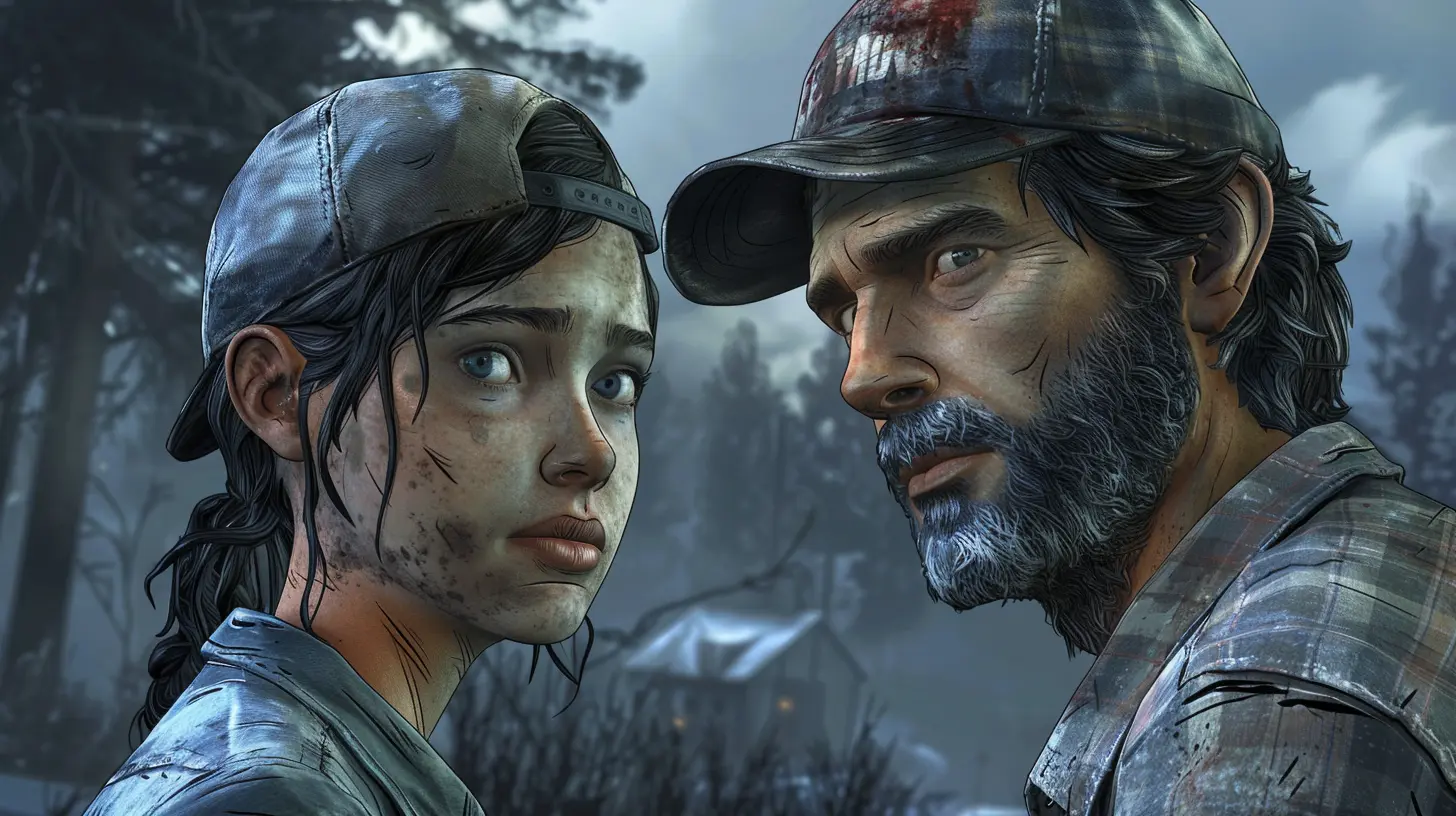
The Weight of Your Decisions
Before we dive deep into the finale, let’s pause for a sec. What made Telltale’s The Walking Dead so special? It wasn’t just the story—it was the way you told it. Your choices mattered. Sure, sometimes it boiled down to the illusion of choice, but the emotional impact? Absolutely real.From the very first season with Lee and young Clementine, to the final season where Clem steps into the role of mentor and protector, every decision felt like it carried weight. By the time the finale rolled around, it wasn’t just about surviving. It was about what kind of person you wanted Clementine and AJ to become.
Let’s get into the specific choices that shaped the finale.
1. Do You Trust AJ to Make His Own Decisions?
This is the big one. Like Lee with Clem all those seasons ago, you’ve spent the entire game raising AJ. He’s learned from your actions. He’s watched your moral compass wobble or stay steady. And now, the game throws this massive question at you: Can you trust him to make his own decisions?What Happens?
If you say yes, you’re essentially passing the moral torch. You’re saying, “Hey kid, you’ve learned enough. Time to decide for yourself.”If you say no, you still want to protect him, to shield him from the weight of those impossible choices.
Why It Hits Hard
It’s less about what AJ does and more about what this choice says about you. Trusting AJ is acknowledging that he’s no longer a child. It’s letting go, which—if you’ve been playing since Season 1—feels like déjà vu in the most emotional way possible.
2. Who Lives and Who Dies? (Or Rather—Who Survives)
Telltale didn’t pull any punches with this finale. Depending on your choices and your relationship with certain characters, their fates can flip drastically.Key Characters Affected:
- Tenn- Louis or Violet (depending on who you saved previously)
- James (if he survived long enough)
Let’s break this down:
- If AJ shoots Tenn, Violet/Louis survives.
- If you tell AJ not to shoot, Tenn survives, but Violet/Louis dies.
Moral Dilemma City
It’s not just a binary “good vs bad” decision. It's layered. Do you value loyalty over idealism? Do you think mercy is worth the cost? Either way, someone pays the price.And let’s be honest—nobody feels good after that scene.
3. The James Dilemma: Save Humanity or Play It Safe?
James is a pacifist... in a zombie apocalypse. Let that sink in.The Situation
James believes walkers aren’t just monsters. He genuinely thinks there’s something left inside them—like a soul or a memory. You get a choice: respect his beliefs or use the walkers as weapons.What's the Catch?
Using the walkers gives you a major advantage, but it breaks your promise to James (if you made one). And if he’s still around, he’ll definitely let you know how disappointed he is.This is one of those philosophical decisions that makes you question your whole survival strategy. Are you protecting your people, or becoming the thing you fear?
4. Clem’s Fate – The Twist We Didn’t See Coming
Honestly, we all thought Clem was a goner. That scene where she tells AJ to leave her? Pure pain. Flashbacks to Lee telling Clem the same thing? Devastating.But in a bold twist, Telltale turned the tables.
Clem Lives
Yeah, say it louder for the folks in the back! Clem survives—albeit with an injury that leaves her limping for the rest of her life. But she’s alive. And in a world that’s chewed people up and spat them out, that’s a win.The Emotional Payoff
This felt like closure. We watched Clem grow up, go through unimaginable trauma, and still come out the other side. She gets to raise AJ, to actually live instead of just survive. And if that didn't punch you square in the feels, you might need to check for a pulse.5. AJ’s Ending Speech: It’s All About Legacy
Depending on what you taught AJ throughout the game, his final speech reveals how deeply your actions influenced him.Variations Include:
- AJ becomes more merciful- AJ becomes a hardened survivor
- AJ emphasizes community and leadership
This isn’t just a monologue—it’s a mirror. What AJ says reflects who you were as a player, and how Clem’s guidance (aka your decisions) shaped his sense of morality.
It’s brilliant character writing and storytelling, looped perfectly into gameplay.
Themes That Wrapped It All Together
Telltale didn’t just craft emotional choices—they built themes that resonated deeply:- Parenthood: You raised AJ like how Lee raised Clem. The torch-passing was beautiful and tragic.
- Forgiveness vs Retribution: Every major choice reflected this core moral battle.
- Sacrifice: The price of survival is never cheap. Someone always pays.
These weren’t just moments—they were statements about life, death, and everything in-between.
The Butterfly Effect: Unique Endings Matter
Depending on how you played, your ending could look very different from someone else’s. That’s the beauty of The Walking Dead Finale. It personalizes your journey.Some players lost their closest companions. Others saved everyone but lost a piece of their morality. The game doesn’t judge you—it just reflects you.
And honestly, that’s the mark of great interactive storytelling.
Why Players Still Talk About It Today
Even years after release, fans are still discussing, debating, and replaying the finale. Why? Because it sticks with you.Narrative games come and go, but not many hit the emotional mark like Telltale’s The Walking Dead. The finale wasn’t just the end of a game—it was the end of an era. Almost like finishing the last chapter of your favorite book series… then just sitting there, staring at the wall, processing your life.
Final Thoughts – What Did Your Clementine Stand For?
When the credits rolled, and the music kicked in, one question stuck in my head:What kind of Clementine did I create?
Was she ruthless but efficient? Merciful but vulnerable? Somewhere in-between?
We all played the same game, but we walked away with different stories. And that, my friends, is storytelling magic.
So, how did your story end?
Frequently Asked Questions
Can Clementine die in the finale?
Nope! Despite the incredibly emotional setup, Clem survives. It shocked everyone, but it also provided emotional closure in a world that so rarely gives happy endings.Who can die in the final episode?
Depending on your choices, either Tenn or Violet/Louis can die. Your decision in letting AJ shoot (or not) determines their fate.Does AJ remember all your choices?
Yes! AJ’s moral compass is heavily influenced by the decisions you make throughout the game. His character literally evolves based on how you raised him.Is there a “canon” ending?
Not really. Telltale never confirmed an official canon. The beauty lies in the player’s individual experience, so your ending is just as valid as anyone else's.Wrap-Up: The End Was Just the Beginning... Kind Of
Telltale’s The Walking Dead finale wasn’t just an ending—it was a celebration of an incredible journey. It gave us characters we cared about, choices that hurt, and stories that stayed with us long after we set the controller down.And that’s why we talk about it. That’s why we remember it.
Because sometimes, the hardest choices lead to the most unforgettable stories.
all images in this post were generated using AI tools
Category:
Game Endings ExplainedAuthor:

Pascal Jennings